
 Nana Banana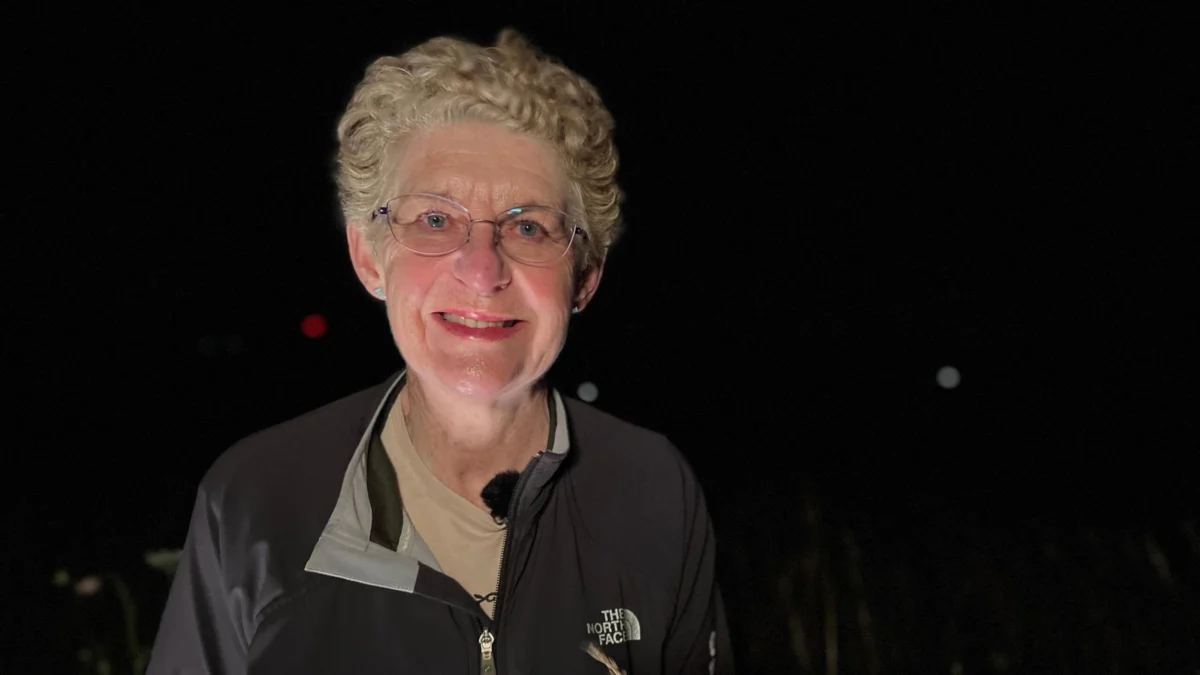
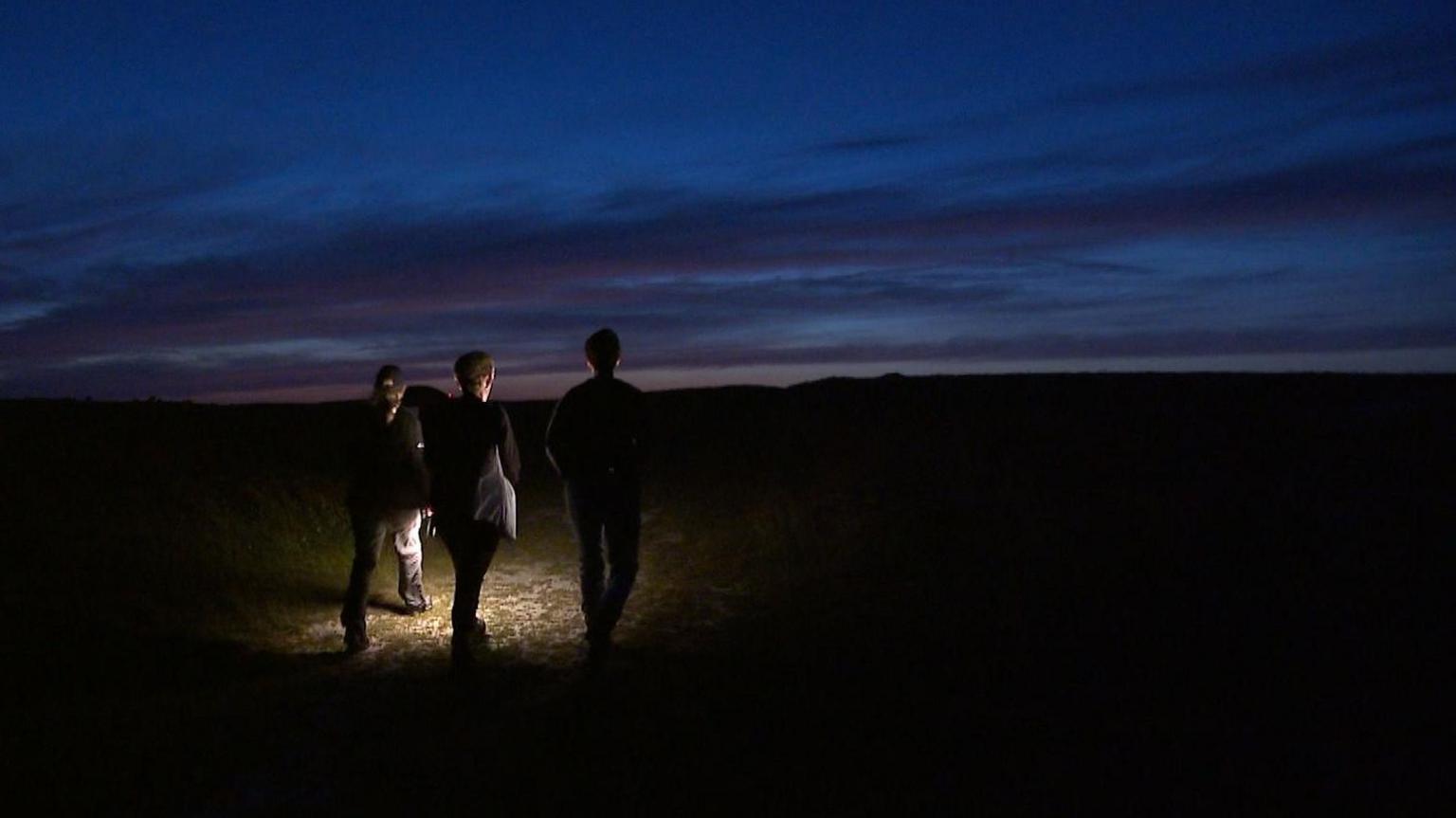
On a warm, yet characteristically breezy evening in East Sussex, a dedicated team embarks on a nocturnal quest, seeking the elusive, enchanting glimmer of glow worms. As the sun dips below the horizon, painting the sky in hues of orange and purple, a subtle, ethereal green light begins to pulse from within the chalk grasslands of Benfield Hill Nature Reserve, located just outside Hove. This particular site has earned a reputation as a vital "stronghold" for glow worms across Sussex, a testament to its unique ecological value and the concerted efforts of local conservationists. With the insects currently in the midst of their crucial summer breeding season, observers have been rewarded with a spectacular display, recording as many as 60 glowing female beetles on a single evening within the reserve’s boundaries.
Benfield Hill holds the distinction of being Brighton and Hove’s oldest local nature reserve, a landscape rich in biodiversity and history. For years, a committed team of volunteers, operating under the banner of the Benfield Wildlife and Conservation Group, has been meticulously managing these precious chalk grasslands. Their primary objective: to create and maintain optimal conditions for the resident glow worm population, whose numbers are facing increasing threats across the nation. The national decline of the glow worm (Lampyris noctiluca), despite its widespread distribution, is a growing concern, attributed primarily to habitat loss, the escalating impacts of climate change, and the pervasive spread of artificial light pollution.
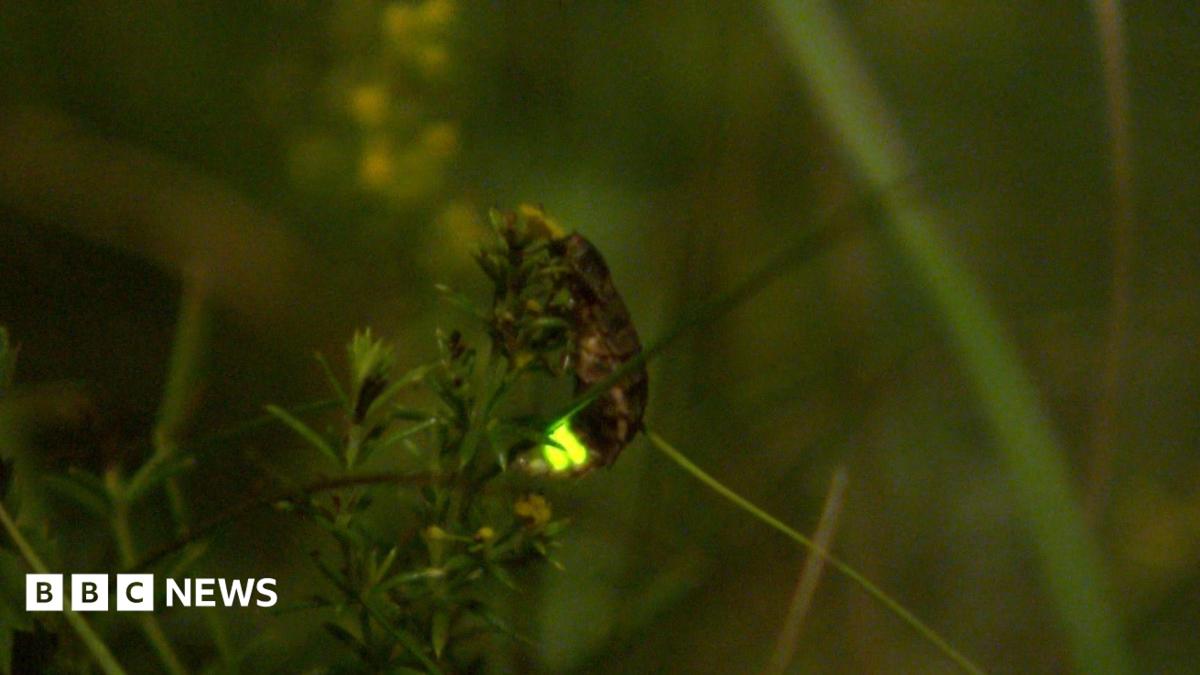
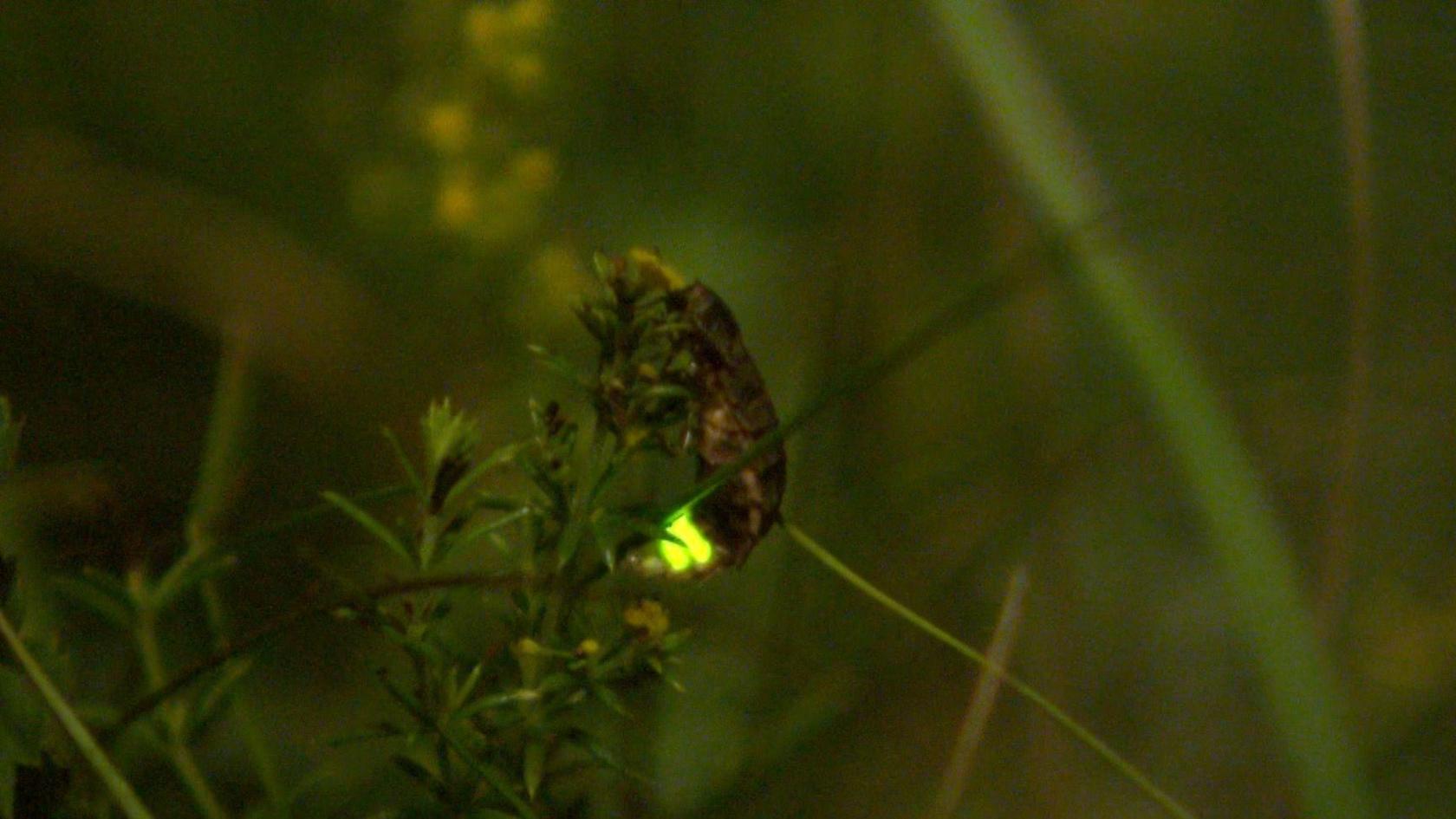
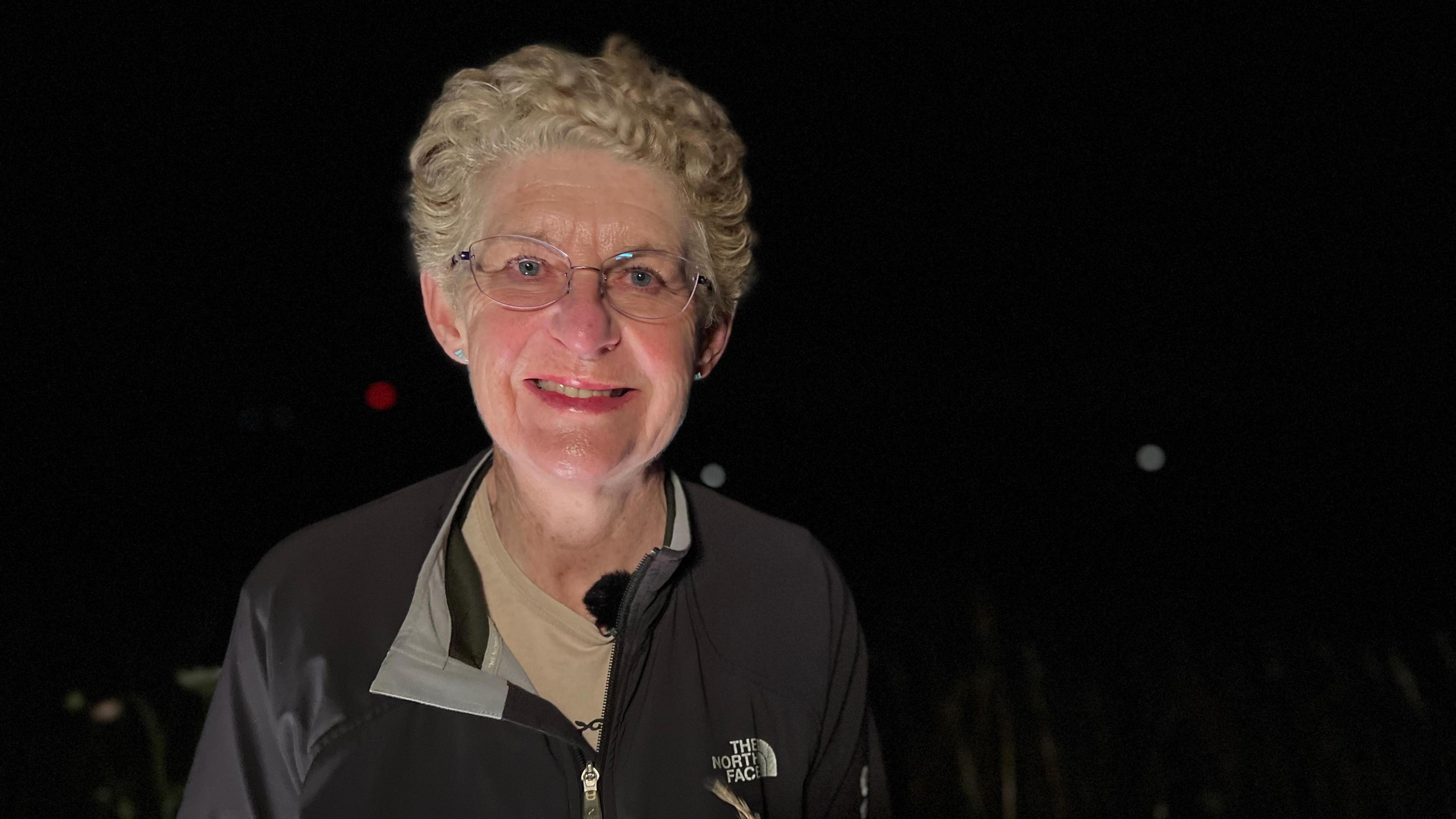
Sally Wadsworth, the passionate chair of the Benfield Wildlife and Conservation Group, explains the innovative and often simple yet effective techniques employed by the volunteers. "We’re trying different techniques," she notes, "and I think it is working because we’ve got such a good population here." A key strategy involves carefully maintaining specific areas of grass at a longer length. This seemingly minor detail is, in fact, crucial. Female glow worms, which are flightless and resemble larvae even in their adult stage, require these taller stalks to climb upon. From this elevated position, they can better display their bioluminescent signal, making it more visible to the winged males searching for a mate. "The females stick their bottoms in the air and switch on a green light, which is bioluminescence," Wadsworth describes, her voice reflecting a sense of wonder that has not diminished over years of observation. "You can see little green stars all dotted around." This natural phenomenon, where a living organism produces and emits light through a chemical reaction (involving luciferin, luciferase, oxygen, and ATP), is not just beautiful but essential for the species’ survival.
Every summer, typically spanning the months of June and July, female glow worms orchestrate this remarkable, silent spectacle. Their intense, steady green glow is a beacon, a primal advertisement designed to attract males, who are often much smaller and possess only a faint, if any, glow. This nightly display is a profound moment in the life cycle of these fascinating beetles and a natural wonder that has captivated human observers for centuries. However, it is a spectacle now increasingly under threat, prompting conservationists like Wadsworth and her team to redouble their efforts to protect it.
"If there’s a lot of light pollution around, the males can’t see the females and come in and mate with them," Wadsworth emphasizes, highlighting the critical impact of artificial light. The glow worm’s life cycle is finely tuned to the darkness of the night. Males navigate by sight, seeking the brightest, steadiest glow. Excessive artificial light from nearby urban areas, streetlights, and even residential properties can create a disruptive "sky glow," effectively masking the females’ signals. This interference directly impedes their ability to reproduce, leading to a decline in population numbers. This disruption underscores the delicate balance of nature and how human activity, even seemingly innocuous light, can have profound ecological consequences.
The imperative to protect existing glow worm populations is further amplified by their limited dispersal capabilities. While the males possess wings and can fly relatively short distances in search of mates, the females are flightless, resembling plump, segmented larvae. They rarely venture far from the immediate vicinity where they hatched. This lack of mobility means that if a local population is lost, it is, in effect, lost forever from that particular area unless a deliberate reintroduction program is initiated. This makes "strongholds" like Benfield Hill Nature Reserve incredibly important as genetic reservoirs and sources for potential future reintroductions.
Recognizing this challenge, a pioneering reintroduction program was launched earlier this year by volunteers and rangers from the South Downs National Park. Near Alton in Hampshire, 250 glow worm larvae were carefully released into a site where these enigmatic creatures had previously vanished. The larvae for this ambitious project were ethically sourced from a thriving population in Devon, and their introduction was facilitated by specialist consultants, ensuring the best possible chances of success. "It’s a bit of an experiment," admits Jan Knowlson, biodiversity officer for the South Downs National Park, acknowledging the uncertainties inherent in such conservation efforts. "We don’t know quite what’s going to happen, but hopefully they’ll survive and thrive and we’ll have lots of little glow worms in the future." This initiative represents a proactive step to restore lost biodiversity and highlights the collaborative spirit within the conservation community.
The plight of the glow worm is not isolated to the UK. Across Europe, five distinct species of glow worm are currently teetering on the brink of extinction, while the common glow worm (Lampyris noctiluca) is globally classified as "near threatened." A major contributing factor to this decline in the UK is the dramatic loss of chalk grasslands, the preferred habitat of glow worms. Since World War Two, the UK has lost more than 80% of its precious chalk grasslands, primarily due to agricultural intensification, changes in land use, and urban development. These biodiverse habitats, characterized by their unique flora and alkaline soils, provide the ideal conditions for glow worms and their primary food source: snails. The disappearance of these specific ecosystems directly translates to a reduction in suitable breeding grounds and foraging areas.
Beyond habitat destruction, artificial light pollution remains a significant threat. The South Downs National Park, encompassing Benfield Hill, is uniquely positioned in this regard. It is renowned as one of the best places in the region, and indeed the country, for experiencing truly dark skies. This year marks a significant milestone: the 10th anniversary of the South Downs being officially designated an International Dark Sky Reserve by the International Dark-Sky Association (IDA). This designation is a global recognition of the park’s exceptional quality of starry nights and its commitment to protecting them. Protecting these dark landscapes has become an increasingly central and vital component of broader conservation efforts within the park.
Knowlson reiterates the critical importance of maintaining this dark sky environment for the glow worms’ survival. She explains that during the summer breeding period, adult female glow worms have "got one job to do." This short, intense phase of their lives is entirely dedicated to reproduction. "They don’t eat, they just breed and then lay eggs and die," she clarifies. "If there’s light pollution that’s going to really disrupt that final stage of their life cycle." The males, too, are driven solely by the instinct to find a mate before their short adult lifespan ends. Any impediment to this crucial interaction has direct and devastating consequences for the next generation.
The National Park Authority has not only recognized this threat but has also made increasing dark sky coverage a core priority within its five-year Partnership Management Plan. This ambitious plan outlines a clear goal: to expand the darkest core areas of the park by a further 10% by 2031. This commitment involves working with local communities, businesses, and landowners to implement dark-sky friendly lighting practices, educate the public about the importance of natural darkness, and monitor light levels. Protecting dark skies benefits not only glow worms but a myriad of other nocturnal species, including bats, moths, and migratory birds, all of whom rely on natural darkness for navigation, foraging, and reproduction. It also preserves a vital connection for humans to the wonder of the cosmos.
The collective efforts at Benfield Hill Nature Reserve, from the dedicated volunteers like Sally Wadsworth to the strategic planning of the South Downs National Park Authority, demonstrate a comprehensive approach to conservation. By meticulously managing chalk grasslands, advocating for dark skies, and undertaking experimental reintroduction programs, they are fighting to ensure that the magical glimmer of the glow worm continues to grace our summer nights. These tiny beetles, though small, serve as powerful indicators of environmental health, reminding us of the delicate balance of nature and our profound responsibility to protect it for future generations.



 Roy Suryo

 Nakalama John
 atisusanti
 Ramos Leo
