Roy Suryo
Niamh Smyth and her husband, Justyn, have navigated the arduous landscape of infertility for over ten years. Their journey has been marked by four rounds of IVF, three heartbreakingly unsuccessful attempts, and one precious pregnancy that was tragically lost to miscarriage. After a gruffly long wait of nearly five years on a gynaecology waiting list, Ms. Smyth finally attended her scheduled appointment in May. However, her distress began before she even reached the consulting room.
"I phoned them and asked where the gynaecology department was," Ms. Smyth recounted, her voice tinged with residual pain. "They told me it was inside the maternity unit. Whenever I heard that, my heart just dropped." The reality of this arrangement became acutely apparent as she entered the department. She found herself seated amongst expectant parents, their faces radiating joy and anticipation, a stark contrast to the difficult news she was about to receive about her own fertility. "It was heartbreaking," she confessed. "I went in for my appointment, which was a hard appointment, and then had to walk back out past those families."
The South Eastern Trust, the healthcare provider responsible for Ms. Smyth’s treatment, has acknowledged the issue, stating they "hope to relocate outpatient gynaecology services from the Ulster Hospital’s maternity unit in the coming months." However, for Ms. Smyth, the immediate aftermath of her appointment was one of profound reflection. It wasn’t until she had left the hospital and begun to process her experience that the full emotional weight of the situation settled in. She realised that her distress was likely not unique, and that many other women undergoing similar fertility struggles might be subjected to the same emotional ordeal.
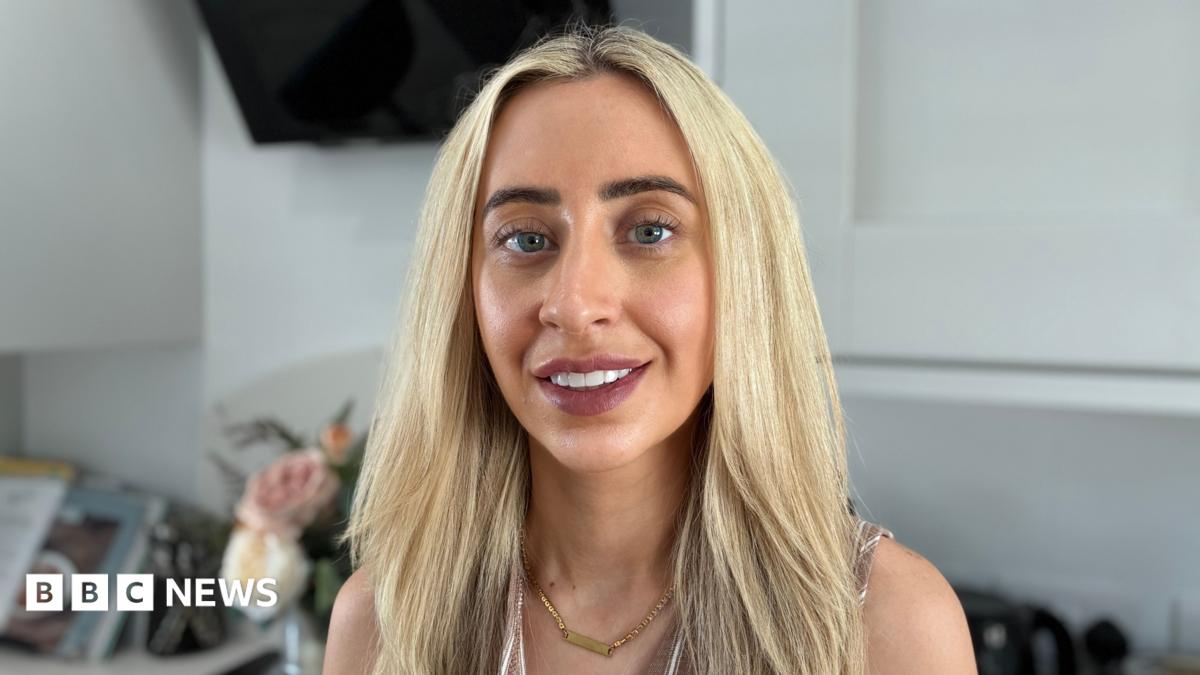
Driven by this realization, Ms. Smyth decided to share her experience through a video posted online. The response was overwhelming. A flood of women contacted her, sharing their own stories of similar difficult encounters, revealing that this is a pervasive issue throughout Northern Ireland. "It isn’t just me; it’s been going on for years and nothing has changed," she stated, highlighting the systemic nature of the problem.
Sinn Féin MLA Ãrlaithà Flynn, who has also personally experienced fertility treatment and a miscarriage, expressed her deep empathy for Ms. Smyth’s situation. Ms. Flynn recalled having "very vivid memories" of attending appointments at the Regional Fertility Clinic herself. "Your senses are totally heightened in terms of noticing babies coming and going from maternity hospitals and noticing pregnant mothers going in to have their babies," she explained. "All of those things seem a lot more sharp and a lot more real, and it can hurt."
Ms. Flynn emphasized the critical need for health trusts to be more mindful of their surroundings. She argued that "the surrounding environment" should be a significant consideration when deciding on the location for fertility and gynaecology services, acknowledging the profound emotional impact such proximity can have. Furthermore, she suggested that the placement of these vital services should be integrated into the Department of Health’s broader ‘Women’s Health Strategy,’ ensuring a more holistic and sensitive approach to women’s healthcare needs.
In response to the growing concerns, BBC News NI reached out to all five health trusts across Northern Ireland to inquire about the proximity of their fertility and gynaecology services to maternity units. The Belfast Trust reported that its Regional Fertility Centre operates from a "dedicated facility" with "its own separate entrance," suggesting a more isolated and less emotionally charged environment. Similarly, the Southern Trust stated that fertility treatment is provided from a "standalone clinic."
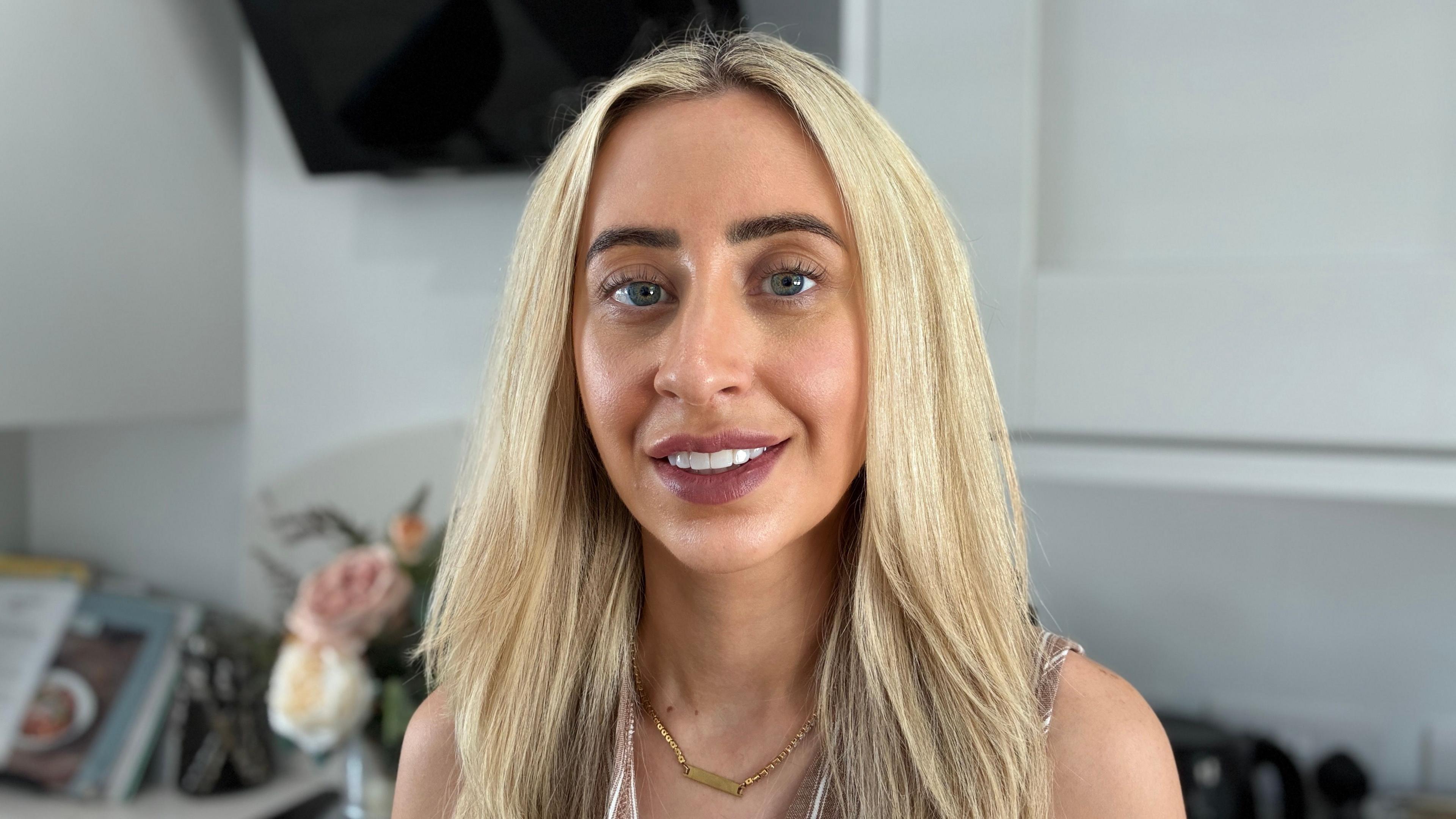
However, the Western, Northern, and South Eastern trusts candidly admitted that attending appointments in close proximity to maternity services in some of their hospitals can indeed be a difficult and distressing experience for many women. Both the Northern and Western trusts have indicated that they are actively "exploring ways to improve the experiences women with fertility struggles will have attending their services," signalling a willingness to address the issue.
For Ms. Smyth, sharing her deeply personal and painful experience is not undertaken lightly. However, her ultimate motivation is to be a catalyst for change, to ensure that other women embarking on similar challenging journeys are spared the added emotional burden she endured. "I think fertility services should be in a separate unit from maternity," she asserted with conviction. "You’re going through probably one of the hardest things you can go through. It just adds more stress and more pressure at a time when you really don’t need it." Her advocacy underscores the urgent need for a more compassionate and considered approach to reproductive healthcare, ensuring that spaces dedicated to the hope of starting a family are not overshadowed by the realities of loss and struggle. The call for change echoes across the region, demanding that healthcare providers prioritize the emotional well-being of all women, especially those navigating the complex and often heartbreaking path of fertility treatment. The current situation, where individuals seeking help for infertility are forced to confront the joyous beginnings of other families, is a stark reminder of the sensitive nature of reproductive health and the imperative for dedicated, supportive environments. The experiences of Niamh Smyth and others highlight a significant gap in patient care that requires immediate attention and a commitment to creating a more empathetic healthcare landscape. The integration of fertility and gynaecology services within maternity units, while perhaps born out of logistical necessity, has proven to be emotionally detrimental. The impact of such an arrangement can be profound, exacerbating feelings of isolation, inadequacy, and grief for those struggling with infertility. The juxtaposition of the joy of new life with the pain of reproductive loss creates a deeply unsettling environment, hindering the healing process and adding unnecessary psychological stress. As the conversation gains momentum, it is hoped that health trusts will move beyond acknowledging the problem and implement tangible solutions that create separate, sensitive, and supportive spaces for fertility and gynaecology appointments. This will not only improve the patient experience but also demonstrate a genuine commitment to women’s health and well-being throughout all stages of their reproductive journeys. The call for change is not merely a request for logistical adjustment; it is a demand for empathy, understanding, and a healthcare system that recognizes and addresses the unique emotional needs of those facing fertility challenges. The collective voice of women like Niamh Smyth is a powerful force for change, and their experiences serve as a crucial reminder that even the most practical of healthcare decisions must be underpinned by a deep understanding of human vulnerability and emotional resilience. The hope is that these calls will lead to a future where appointments related to the pursuit of parenthood are conducted in environments that offer solace and support, rather than inadvertently amplifying pain.



 George Anjay
 Nakalama John
 Ramos Leo