
 Ramos Leo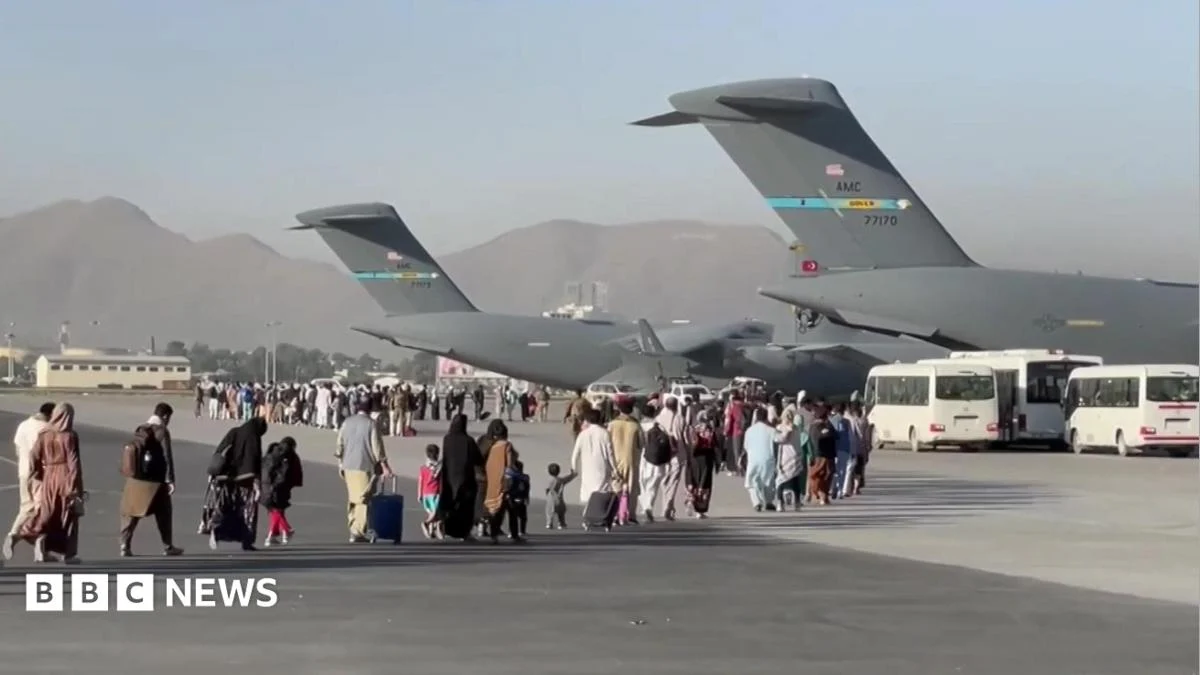
The committee’s findings paint a grim picture of an organisation ill-equipped to handle the critical humanitarian task it was assigned. The systemic breakdown, highlighted in their report, encompassed "weak operating procedures, insufficient training, poor organisational continuity," all contributing to an environment ripe for such a catastrophic breach. Far from being a one-off "individual mistake," the incident was a direct consequence of a failure to recognise and mitigate evident risks inherent in the MoD’s approach to data management and sensitive casework.
The breach itself, which occurred between February 2022 and November 2023 and was just one of 19 reported data security incidents during that period, stemmed from a seemingly innocuous act: a member of MoD personnel shared a Microsoft Excel spreadsheet with a "trusted third party." However, this seemingly simple action had profound and dangerous implications. The spreadsheet contained the personal data of every single applicant to the Afghan Relocations and Assistance Policy (ARAP) scheme by January 2022 – a staggering 18,500 individuals. This data included names, contact information, and details of their collaboration with British armed forces, making them prime targets for Taliban reprisals. The BBC had previously uncovered that the breach originated from the headquarters of UK Special Forces (UKSF), adding another layer of complexity and concern to the scandal.
The ARAP scheme, established in April 2021, was designed as a lifeline for Afghans whose lives were at risk due to their invaluable work with British armed forces. Its core mission was to resettle eligible applicants and their family members safely in the UK. While the scheme was officially closed to new applications in 2025, its continued administration by the MoD has been met with fierce criticism.
Tan Dhesi, the chairman of the Defence Committee, articulated the widespread frustration, stating unequivocally: "The Ministry of Defence should stick to defence – it should never have been left to run immigration casework schemes." This sentiment underscores a fundamental mismatch between the MoD’s operational focus and the intricate, sensitive requirements of humanitarian immigration processing. The report further lambasted the MoD’s reliance on Microsoft Excel for managing such a vast and sensitive database, branding it a "continuing cultural failure." Excel, while a versatile tool, lacks the robust security features, granular access controls, audit trails, and version management capabilities essential for protecting highly confidential personal data on this scale. Its use inherently created vulnerabilities that a dedicated, secure database system would have mitigated. The wider Afghan relocation scheme was summarily described as "utterly and obviously inadequate," reflecting the committee’s deep dissatisfaction with its overall execution and the life-threatening consequences for applicants.
Adding to the layers of controversy was the imposition of a super-injunction surrounding the breach. A super-injunction is a draconian court-mandated gagging order that not only prohibits news outlets from reporting private or sensitive information but also bans the media from even revealing that the injunction exists. Dhesi vehemently criticised the secrecy, asserting that the protracted duration of the super-injunction "imposed serious costs on accountability and trust." Originally intended to last just four months, the report revealed that this extraordinary legal measure remained in place for nearly two years, effectively stifling public scrutiny and parliamentary oversight during a critical period. This prolonged suppression of information severely hampered the ability of democratic institutions to hold the government to account, creating an environment where failings could fester without immediate challenge.
The committee also raised serious questions about the government’s decision to withhold confidential briefings from parliamentarians regarding the breach. Notably, then-Defence Secretary Grant Shapps actively resisted plans to inform then-shadow defence secretary John Healey of the incident. This lack of transparency, particularly concerning an issue of national security and humanitarian concern, further eroded trust and undermined the democratic process.
Moreover, Thursday’s report scrutinised the government’s overarching policy of not commenting on special forces matters, deeming it "inappropriate" in the context of the data breach. The committee argued forcefully that special forces involvement "should not prevent Parliament and the public from understanding how administrative failings occurred." Dhesi reiterated this point, lamenting that "Secrecy has been too easily used as a shield against proper accountability in areas far removed from sensitive operations." This policy, designed to protect operational security, was found to have been misapplied, instead becoming a barrier to understanding administrative errors that directly impacted human lives.
The role of UKSF in the resettlement scheme was also rigorously questioned by the committee, especially following reports that the breach itself may have been linked to their involvement in deciding whether to relocate Afghan special forces. While the committee was unable to definitively establish this connection due to the government’s "neither confirm nor deny" policy, it did express profound concerns over the handling of these particularly sensitive cases.
In February 2024, a BBC Panorama investigation laid bare the alarming reality that British Special Forces had been granted a de facto veto over ARAP applications from their Afghan counterparts seeking safety in the UK. This revelation was particularly damning given that Afghan special forces served alongside UKSF on some of the conflict’s most perilous missions and are considered to be among those at the highest risk of reprisal following the Taliban takeover.
Internal MoD documents, also cited in the report, painted an even starker picture: a single British Special Forces officer personally rejected a staggering 1,585 resettlement applications from Afghans with credible links to special forces in a matter of weeks during 2023. Shockingly, this UKSF officer did not approve a single application during that entire period.
These rejections, often without clear justification, condemned many to a terrifying existence. Former members of the Afghan special forces, whose lives were directly jeopardised by these decisions, shared harrowing accounts with the BBC of living in constant hiding. One individual recounted being interrogated and brutally beaten by the Taliban before managing to escape, while another described how, after his escape, the Taliban had gone to his home actively searching for him. "I’m living in a very bad situation. I am in hiding and mostly my family can’t live together and we cannot go out and we cannot work," he conveyed with palpable despair. "I feel I have been left alone in the midst of hell." Their stories underscore the profound human cost of the administrative failings and the arbitrary nature of the rejections.
In response to the mounting pressure and these damning revelations, the government was compelled to announce a review in 2024. Since then, 884 former members of Afghan special forces who served alongside UKSF have had their rejections overturned, a clear indicator of the initial failures. The defence committee report unequivocally stated that the "proportion of decisions subsequently overturned demonstrates the seriousness of that failure."
While the UK government officially closed ARAP to new applications in 2025, the report stressed that the government bore a "special responsibility" to those Afghan special forces it had wrongly rejected. Many of these individuals had made their applications as early as 2021, yet due to "government delay or error," they remain trapped in fear and danger. The defence secretary currently faces a legal challenge at the Royal Courts of Justice from former Afghan special forces who are still unable to escape to the UK. In a poignant hearing just recently, the court heard the desperate plight of one family, left with a mere "$200 left to survive."
In response to the committee’s report, an MoD spokesperson acknowledged the gravity of the situation: "This incident should never have happened and we acknowledge the significant impact it has had on many people." They affirmed that "Thousands of eligible Afghans have already been safely relocated to the UK, where they can rebuild their lives and we are committed to ensuring that we conclude the Afghan resettlement programme by the end of this Parliament." The MoD stated it is "learning the lessons from this incident," citing "important reforms already in place, including improved data protection standards, strengthened case-working processes and better programme governance." Concluding their statement, the spokesperson added: "We welcome the public and parliamentary scrutiny of our actions, so we can learn more and be held to account, and we’ll continue to work closely with the committee on this issue." However, the committee’s findings suggest that these reforms, while necessary, may only scratch the surface of a deeply embedded cultural and systemic problem that has cost lives and severely damaged the UK’s reputation for honouring its commitments.

 George Anjay
 Nakalama John
 atisusanti
 Roy Suryo
 Nana Banana