
 Nana Banana
Hungary’s vital Paks Nuclear Power Plant, the nation’s sole nuclear facility and a cornerstone of its energy supply, is set to undergo an unprecedented full shutdown. This critical development stems directly from the historically low water levels of the River Danube, which the Soviet-era plant relies on for its crucial cooling systems. Prime Minister Péter Magyar announced the impending closure, warning that the country’s energy supply could become "critical" from Monday, coinciding with an ongoing, severe heatwave expected to push temperatures to around 37°C for an entire week. The dire situation underscores Europe’s growing vulnerability to climate change, as persistent drought and extreme heat grip the continent, impacting critical infrastructure and daily life.
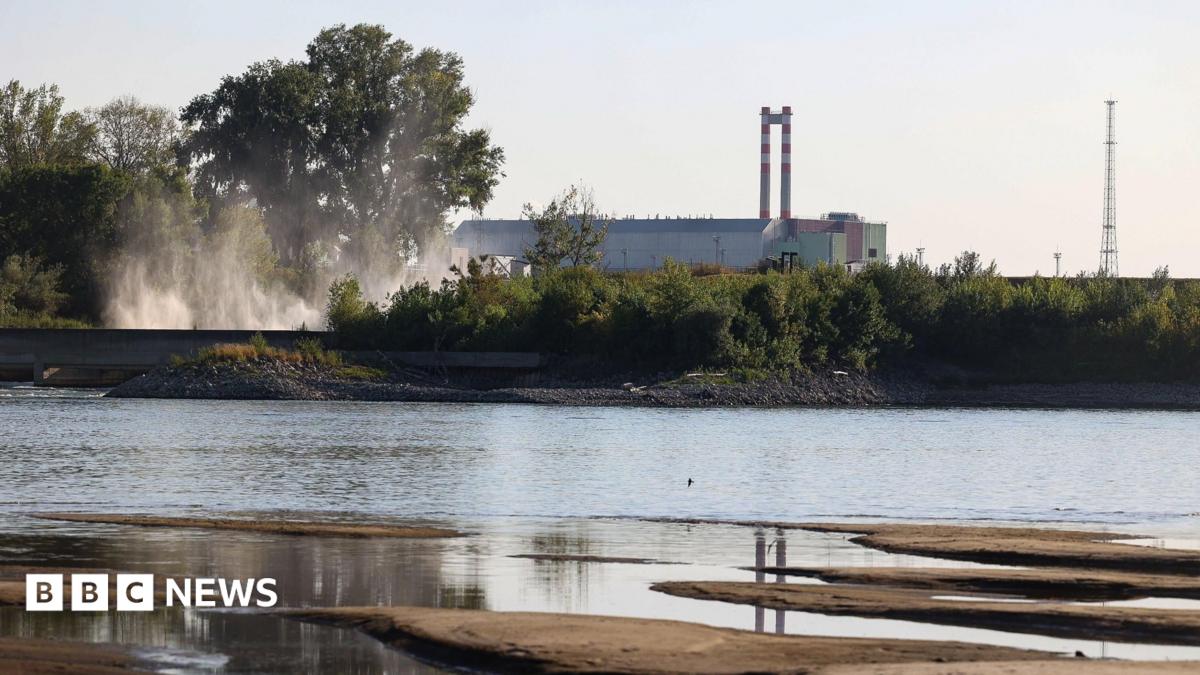
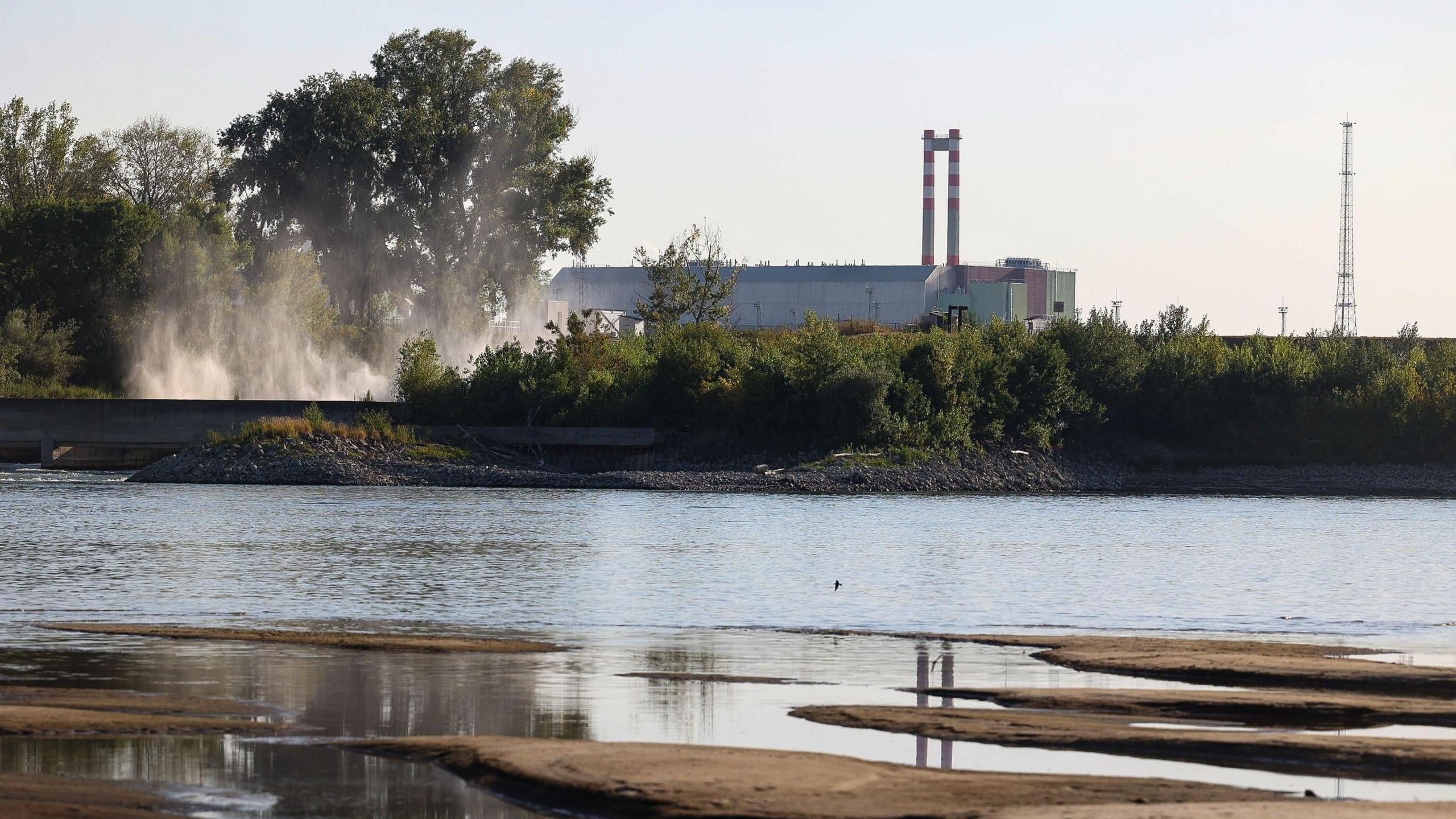
The Paks plant, located on the banks of the Danube, utilizes the river’s water to cool its reactors, a standard process for nuclear power generation. However, the river’s current state is so diminished that the plant’s intake nozzles can no longer reach the water, rendering the cooling system inoperable. This marks the first time in the plant’s operational history that it will be forced offline entirely due to insufficient water. The Paks facility is responsible for generating approximately half of Hungary’s electricity, making its shutdown a significant blow to national energy security and potentially forcing the country to rely heavily on more expensive or less reliable imported power during a period of peak demand.
Hungary, like many other European nations, has endured a summer characterized by exceptionally low rainfall and scorching temperatures. This prolonged meteorological anomaly has drastically reduced water levels across major rivers, including the Danube, which has fallen to its lowest point in 30 years in several countries, including neighboring Serbia and Romania. The environmental crisis is not just an inconvenience but a direct threat to economic stability and public welfare.
In response to the looming energy crisis, Prime Minister Magyar has appealed to Hungarian citizens to drastically limit their energy consumption, especially during peak hours between 17:00 and 22:00. This includes curtailing activities that demand substantial electricity, such as charging electric vehicles and operating air conditioning units, which are typically in high demand during heatwaves. Beyond voluntary measures, Magyar also indicated the potential implementation of a "rotational shutdown regime" for electricity, should collective efforts prove insufficient to maintain the stability of the national grid. The government is reportedly compiling a list of industrial and large-scale electricity and water consumers whose usage could be mandatorily limited to conserve resources.
The energy challenges extend beyond Hungary’s borders. In Romania, the Cernavoda nuclear power plant, which contributes about 20% of the country’s electricity, has also been directly affected by the Danube’s dwindling flow. One of Cernavoda’s two 706-megawatt reactors was already taken offline earlier this week due to the same water scarcity issues. State-owned company Nuclearelectrica, which operates the plant, was striving to avoid shutting down the second reactor on Thursday. However, if both reactors are eventually forced to cease operations, Romania, much like Hungary, would temporarily lose its nuclear energy production capacity, exacerbating regional energy anxieties.
Data from Romania’s National Institute of Hydrology paints a stark picture of the river’s decline. The average river flow where the Danube enters Romania typically stands at 4,700 cubic metres per second in July. Yet, on a recent Wednesday, this figure had plummeted to less than a third of that average, registering a mere 1,600 cubic metres per second. Forecasters predict an even further drop to 1,500 cubic metres per second by Tuesday, indicating a deepening crisis. This severe reduction in flow not only impacts power generation but also affects river ecosystems, agriculture, and water supply for millions living along the Danube’s course.
The underlying cause of this widespread environmental and energy crisis is climate change, which is unequivocally driving up global temperatures. Europe, in particular, has been identified by the Copernicus climate service as the fastest-warming continent, heating up at twice the global average rate. This accelerated warming is directly linked to an increase in the frequency and intensity of summer heatwaves, placing unprecedented pressure on Europe’s vital water resources and fueling more destructive wildfires. Vast swathes of France and Spain have already endured some of the most intense and widespread wildfires in recorded history, leading to the displacement of hundreds of thousands of residents and devastating natural landscapes. Greece and Turkey are among other countries where fire-prone conditions are expected to spread, highlighting a continent-wide pattern of climate-induced vulnerability.
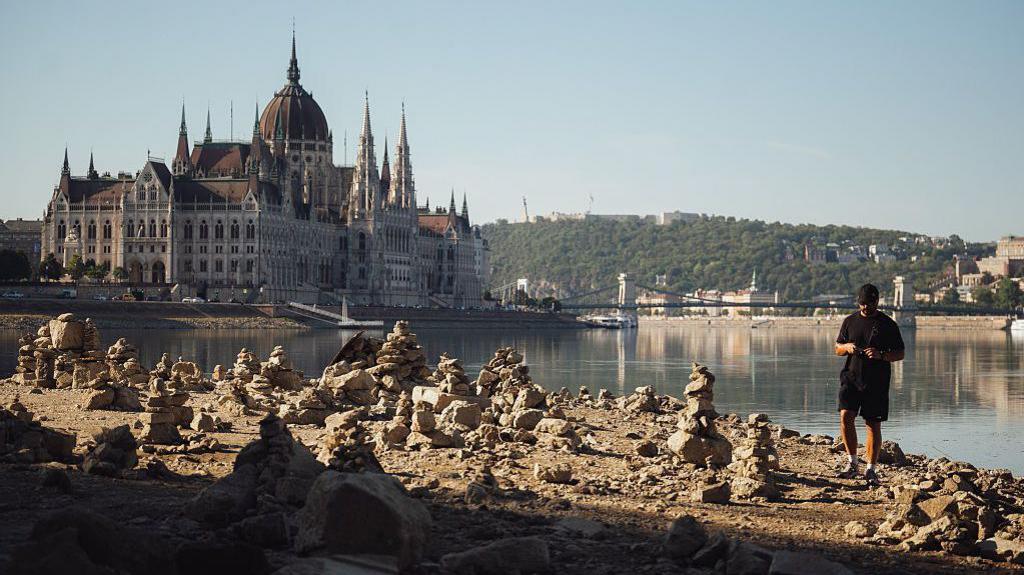
Beyond power generation, the record-low water levels of the Danube have brought significant disruptions to river navigation and unveiled unusual historical artifacts. Shipping activities have virtually ground to a halt in parts of the river, notably in Bulgaria. A dramatic incident earlier this week saw 186 passengers evacuated from the Viking Ullur river cruise ship after it ran aground near Vidin, a city on the Bulgarian-Romanian border. Passengers on board faced dwindling supplies of food and water as the vessel was unable to dock, and another rescue boat struggled to approach due to the shallow waters. Ivan Zhekov, head of river supervision at Bulgaria’s maritime administration agency, expressed astonishment at the situation, stating, "I have never heard of such low levels over the years. There has certainly not been a similar situation since 1990."
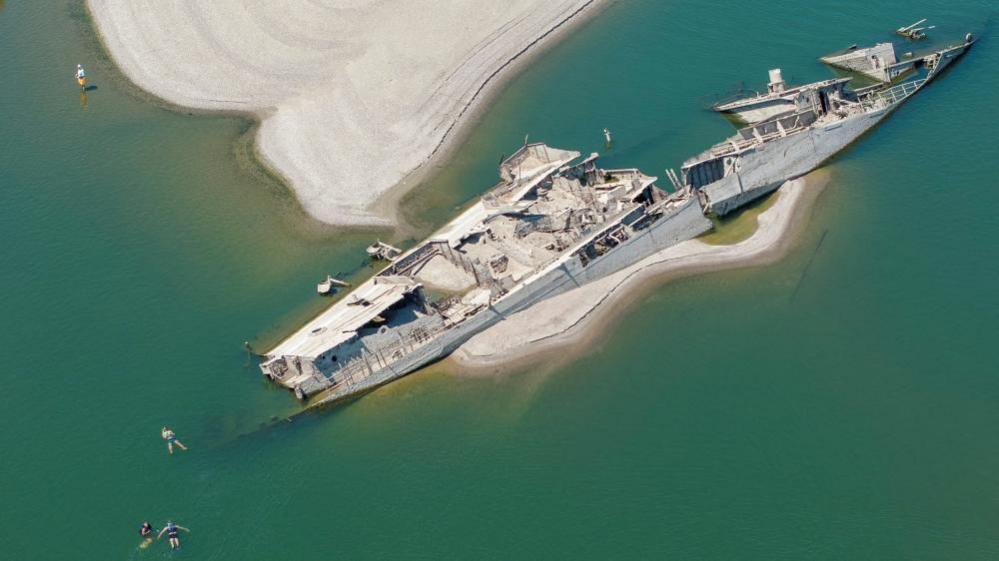
The receding waters have also led to unexpected discoveries along the riverbed. In Croatia, the remains of a sunken Hungarian cargo ship, long submerged, have resurfaced. More dramatically, the hulks of a German river flotilla from World War II have become visible in Serbia, near Prahovo, offering a ghostly glimpse into wartime history. Perhaps the most ancient find came in the northeastern Bulgarian city of Ruse, where a resident discovered bones on the exposed Danube riverbed. Experts later identified these as the remains of a mammoth, recognizing a lower jaw, two tusks, and what appeared to be a mammoth rib, providing a unique archaeological insight into the region’s prehistoric past.
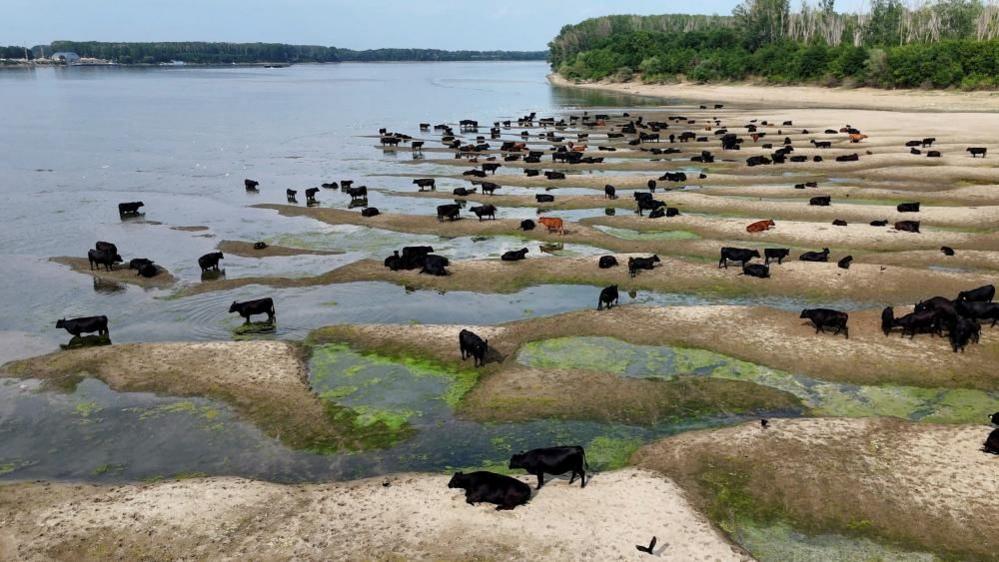
The crisis extends beyond the Danube itself, impacting its major tributaries. In Serbia, water levels on the Sava and Tisa rivers, both crucial Danube tributaries, are also exceptionally low. Serbian hydrologist Dejan Vladiković attributes these problems not only to the current high temperatures but also to insufficient rainfall during the preceding spring months. He reported to Serbian TV channel N1 that the Danube’s levels have reached lows not witnessed in 50 to 60 years, with climatologists offering little hope for improvement until mid-September. The immediate forecast for Serbia includes temperatures soaring as high as 38°C on Friday, potentially reaching 40°C in some localized areas, with even night-time temperatures in Belgrade remaining uncomfortably high at 26°C.
As Europe grapples with these severe and interconnected challenges—from energy shortages and shipping disruptions to the revealing of historical artifacts—the unfolding situation along the Danube serves as a potent reminder of the escalating impacts of climate change. The forced shutdown of a critical nuclear power plant due to environmental factors highlights the urgent need for robust climate adaptation strategies and a decisive global shift towards sustainable resource management to safeguard essential infrastructure and ensure the continent’s future resilience.




 atisusanti
 George Anjay
 Nakalama John

 Ramos Leo