
 Nana Banana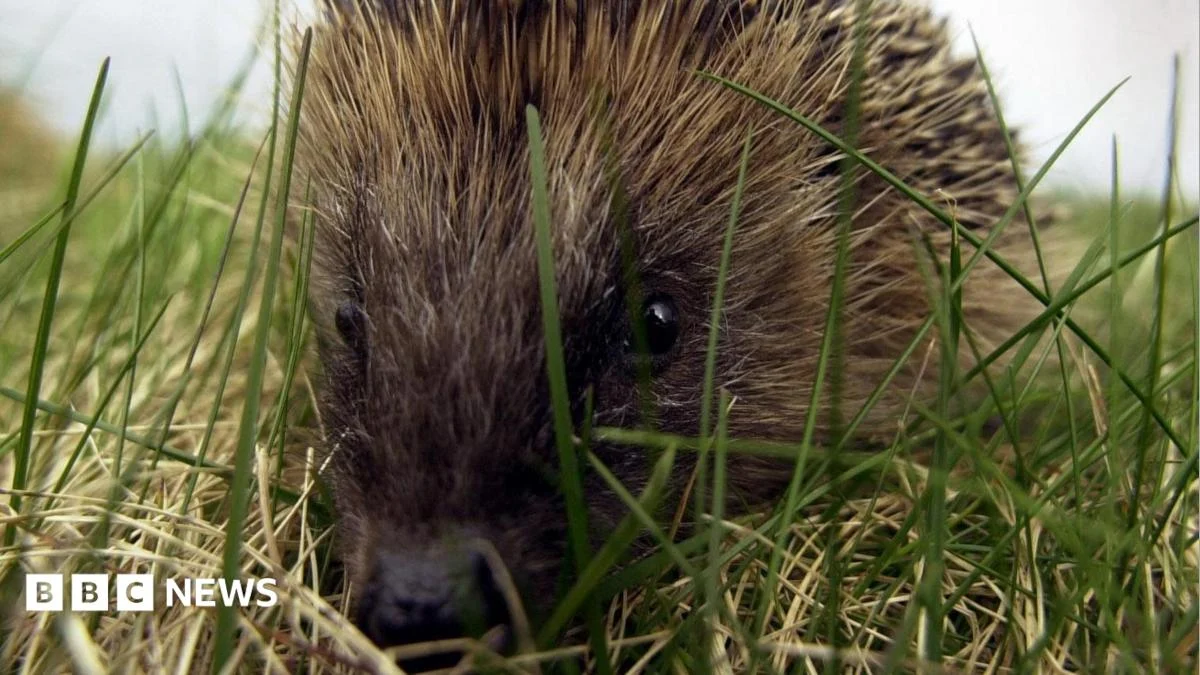
Dr. Lauren Moore, the lead researcher from Nottingham Trent University (NTU), articulated the gravity of these discoveries, stating, "Hedgehogs are declining in the UK, and we have found how even a small amount of roadkill – perhaps just one or two individuals a year – could have devastating effects on an already small population." Her team’s work underscores that the vulnerability of hedgehogs, already facing a myriad of threats, is severely compounded by road mortality, particularly when population sizes dwindle to such precarious levels. A population of fewer than 15 individuals represents a dangerously low threshold, where genetic diversity is compromised, resilience to disease or environmental changes is minimal, and the ability to recover from any demographic setback is severely impaired. Each lost individual represents a significant proportion of the breeding pool and genetic material, making recovery exponentially more difficult.
Historically, conservation research on roadkill has often operated under the premise that high rates of road deaths exert a substantial and negative impact on wildlife populations, while a low number of fatalities is generally considered to have negligible effects. Dr. Moore’s research emphatically debunks this oversimplified view, asserting, "This does not tell us the full picture." The nuanced reality, as revealed by their extensive modeling and analysis, is far more complex. Population dynamics are not monolithic; they vary considerably across different groups of hedgehogs based on several critical factors. These include the absolute size of the population, its inherent reproductive rates, the prevalence of other causes of death, and the availability of essential food resources within their habitat.
A smaller population, by its very nature, is inherently more susceptible to demographic stochasticity – random fluctuations in birth and death rates that can dramatically alter its trajectory. If a population of, for instance, 10 hedgehogs loses two breeding females to road accidents in a single year, its capacity to reproduce and grow is immediately decimated. In contrast, a larger, more robust population might absorb such a loss without long-term damage. Furthermore, reproductive rates play a crucial role. If a population has a naturally low birth rate or if environmental factors (like poor food availability) reduce breeding success, then any additional deaths, however few, become proportionally more impactful, as the population struggles to replace lost individuals. Other causes of death, such as predation, disease, starvation, or entanglement in garden netting, further erode the population’s overall health and numbers, leaving it with even less buffer against road-related fatalities.
Food availability is another critical, often overlooked, variable. A population struggling with inadequate food sources will likely consist of less healthy, less fecund individuals, making them more vulnerable to disease and less capable of successful breeding. Such a weakened population is precisely the type that cannot withstand even a minimal level of additional mortality from road collisions. The NTU research highlights the interconnectedness of these factors, demonstrating that roadkill is not an isolated problem but rather a potent amplifier of existing vulnerabilities, pushing already fragile populations closer to the brink.
Given these stark findings, Dr. Moore stressed the urgent need for proactive measures: "We need to better support hedgehog populations until there are tried and tested ways to reduce collisions happening in the first place." This call to action resonates deeply with conservationists who advocate for a multifaceted approach to hedgehog protection. Their recommendations span several crucial areas, all aimed at bolstering resilience and ensuring the long-term viability of these declining creatures.
One primary focus is on bolstering smaller hedgehog populations. This might involve strategic translocations of hedgehogs from healthier, larger populations to augment genetically isolated or dwindling groups, thereby increasing genetic diversity and overall numbers. Such interventions must be carefully managed to avoid stress to the animals and ensure suitable recipient habitats. Additionally, supplementary feeding in times of scarcity, particularly during harsh winters or dry summers when natural food sources are scarce, can provide vital support, helping individuals survive and maintain their reproductive fitness. Establishing protected breeding sites, free from disturbance and rich in resources, could also create safe havens for reproduction and growth.
Another critical recommendation is providing extensive and appropriate habitat to support more animals. Hedgehogs thrive in diverse, insect-rich environments that offer ample foraging opportunities, nesting sites, and shelter from predators and harsh weather. This means creating and preserving mosaic landscapes that include woodlands, hedgerows, grasslands, and gardens with a mix of wild and cultivated areas. The rampant loss of traditional hedgerows, the intensification of agriculture leading to fewer insects, and the urbanization of landscapes have all contributed to habitat fragmentation and reduction, forcing hedgehogs into increasingly confined and dangerous spaces. Conservationists stress the importance of reversing these trends and actively creating new, high-quality habitats wherever possible.
Perhaps one of the most innovative and widely championed strategies involves helping hedgehogs move around to increase the viability of populations without the necessity of crossing dangerous roads. This concept directly addresses the dual challenges of habitat fragmentation and road mortality. Creating "hedgehog highways" is a simple yet profoundly effective action. These are small gaps – typically 13cm by 13cm – cut into the bottom of garden fences and walls, allowing hedgehogs to pass safely between properties. In an increasingly fenced-off urban and suburban landscape, these small apertures can collectively form vital networks, connecting gardens into much larger, more functional habitats. By enabling hedgehogs to move freely between multiple gardens, these highways facilitate foraging, allow individuals to find mates, and prevent genetic isolation, thereby boosting the overall health and genetic diversity of local populations.
Beyond individual garden efforts, larger-scale solutions for safe passage are also crucial. These include the implementation of wildlife tunnels or underpasses beneath busy roads, especially in known hedgehog hotspots. Modifying existing fences and barriers alongside roads to allow for safe passage at designated points, or installing specialized roadside fencing that guides animals to safe crossing structures, are also vital considerations in urban and rural planning. Such infrastructure investments, though initially costly, can significantly reduce roadkill rates and connect fragmented habitats, benefiting not only hedgehogs but a wide array of ground-dwelling wildlife.
Individuals can play a significant role in these conservation efforts through simple yet impactful actions within their own gardens. Leaving wild areas in gardens, rather than maintaining meticulously manicured lawns, provides crucial foraging grounds for insects – the primary food source for hedgehogs. Patches of long grass, log piles, leaf litter, and native plant species create ideal microhabitats for beetles, worms, slugs, and other invertebrates. These wild areas also offer safe nesting sites for hedgehogs to hibernate in winter or raise their young in summer. Avoiding the use of slug pellets and other pesticides is equally important, as these chemicals can directly harm hedgehogs through secondary poisoning or by depleting their food supply. Providing a shallow dish of fresh water, particularly during dry spells, can also be a lifesaver.
Beyond creating hedgehog highways, other garden considerations include checking bonfires before lighting them, as hedgehogs often seek shelter within them; covering any open drains or holes, which can act as deathtraps; and being vigilant when using strimmers or mowers, especially in long grass or under hedges where hedgehogs might be resting. Every small action contributes to creating a safer, more hospitable environment for these vulnerable animals.
The research from NTU serves as a stark reminder that conservation efforts must be tailored to the specific context of declining species, moving beyond broad generalizations to address the intricate dynamics of small, isolated populations. The cumulative effect of habitat loss, reduced food availability, and the constant threat of road mortality has pushed hedgehogs to a precarious position. By understanding that even minimal road deaths can be devastating for already fragile groups, conservationists, policymakers, and the public can work together to implement targeted, effective strategies. The ultimate goal is to foster resilient, connected hedgehog populations that can not only survive but thrive across the UK, securing the future for this iconic species.


 atisusanti
 George Anjay
 Nakalama John

 Ramos Leo