
 Nana Banana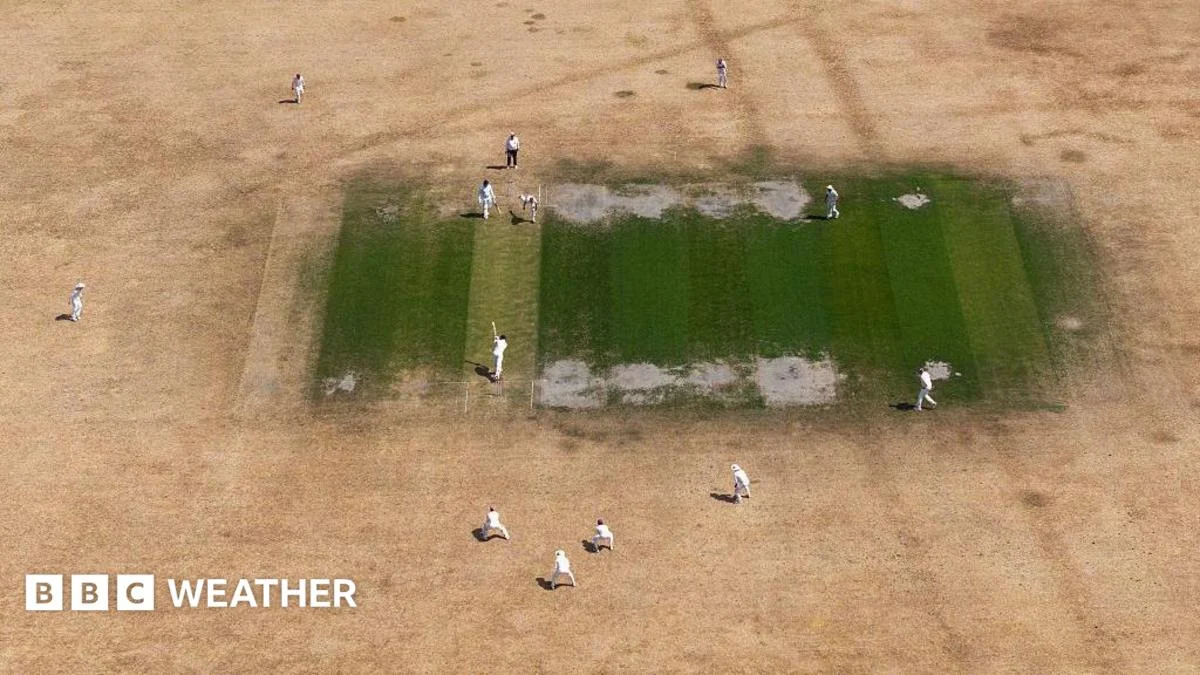
This unprecedented meteorological event follows closely on the heels of an official drought declaration spanning more than half of England and significant portions of Wales, underscoring the severity of the prevailing dry spell across the nation. The Environment Agency formally declared a "flash drought" across extensive swathes of England, a term signifying a drought that develops with unusual rapidity, characterized by an accelerated rate at which water reserves are depleted, far outpacing nature’s capacity for replenishment. This swift onset makes the situation particularly challenging for both natural ecosystems and human infrastructure, as there is little time for adaptation.
July 2022, in particular, has marked itself as a month of extreme aridity, with preliminary data suggesting it could become the driest July for England and Wales since records began. The previous record for the driest July in England was set in 1935, when the country experienced an average of just 21mm of rain. As of the end of July, figures indicate rainfall levels are significantly below even that historic low, with some regions receiving less than 10% of their average monthly precipitation. This deficit is not merely a statistical anomaly but a critical indicator of the deep hydrological stress currently afflicting the landscape.
One stark illustration of this prolonged absence of rain can be found in Wisley, Surrey, which, as of 30 July, had endured an astonishing 44 consecutive days without recording any measurable rainfall. Such a prolonged dry period is highly unusual for the UK, especially during the summer months when localized showers are typically more frequent. The impact in areas like Surrey is palpable, with parched grasslands, shrinking streams, and visibly stressed vegetation becoming common sights, raising concerns for local wildlife and the horticultural sector.
The official drought conditions had already been progressively declared across various regions, with North Wales and the Upper Severn river basin being among the first to face such classifications, according to Natural Resources Wales. These declarations are not made lightly; they follow rigorous assessments of rainfall deficits, river flow rates, groundwater levels, and reservoir storage across multiple catchments. The "flash drought" declaration by the Environment Agency in England highlights the accelerated pace of water stress, where hot weather and strong winds combine with low rainfall to rapidly dry out soils and vegetation, leading to a swift decline in water availability within the environment.
While Scotland does not adhere to the same drought declaration protocols as England and Wales, it maintains a robust system for monitoring "water scarcity." The Scottish Environment Protection Agency (SEPA) employs a four-tier framework to assess the severity of water stress, ranging from "early warning" to "significant scarcity." Disturbingly, as of late July, some parts of eastern Scotland had escalated to the most extreme category of "significant scarcity." This designation implies severe environmental impacts and potential socio-economic consequences, particularly for agriculture and other water-intensive industries like whisky production, which rely heavily on consistent water supplies. Rivers in regions such as the Dee, Don, and Spey catchments have experienced critically low flows, impacting fish populations and requiring abstractions to be curtailed.
The pervasive drought conditions have precipitated a cascade of significant impacts across the entire country, stretching from ecological damage to economic strain. One of the most immediate and visible consequences is the drastic reduction in river flows. Many rivers, which are vital arteries for ecosystems and sources of public water supply, have seen their levels drop to historic lows. This impacts aquatic life, reducing dissolved oxygen levels and concentrating pollutants, making survival challenging for fish and invertebrates. Furthermore, reduced river flows compromise the ability of water companies to abstract water for treatment and supply, exacerbating the overall water deficit.
Agriculture has been particularly hard hit, with farmers reporting early harvests across a wide range of crops. While an early harvest might sound benign, it often signifies that crops are maturing prematurely due to severe stress from lack of moisture, leading to reduced yields and diminished quality. Cereal crops like wheat and barley, root vegetables such as potatoes, and forage crops for livestock have all been severely affected. Farmers are facing increased costs for irrigation where possible, and many are having to make difficult decisions regarding livestock, including culling animals or purchasing expensive feed due as pastures turn barren. This has significant implications for food security and consumer prices in the coming months.
In a concerted effort to conserve rapidly diminishing water resources, over 20 million people across England and Wales are now living under hosepipe bans, officially known as Temporary Use Bans (TUBs). Major water utility companies, including Southern Water, South East Water, Welsh Water (Dŵr Cymru), and Yorkshire Water, have implemented these restrictions, prohibiting activities such as watering gardens, cleaning private vehicles, filling paddling pools, or washing windows with a hosepipe. These measures are critical for reducing demand during periods of extreme water stress, but they also highlight the scale of the crisis and require widespread public cooperation to be effective. Further water companies are expected to introduce similar bans as the dry conditions persist and reservoir levels continue to fall.
Beyond the immediate water supply issues, the hot weather and prolonged lack of rainfall have created exceptionally tinder-dry conditions across vast expanses of the landscape. Grasslands, heathlands, and even woodlands have become highly flammable, transforming into a dangerous fuel source that can ignite with ease and allow wildfires to spread with alarming speed and intensity. This elevated risk has placed an immense strain on emergency services, particularly fire and rescue services, which have been battling an unprecedented number of blazes.
A vivid illustration of this peril unfolded in Suffolk, where a major incident was declared on Wednesday as firefighters grappled with a colossal wildfire. The inferno, estimated to be the size of 200 football pitches, ravaged agricultural land and delicate ecosystems, requiring significant resources and personnel to bring under control. Such large-scale incidents not only pose a direct threat to property and life but also cause extensive environmental damage, destroying habitats and releasing substantial amounts of carbon into the atmosphere.
In Scotland, despite its generally wetter climate, a significant wildfire in the Cairngorms National Park earlier in the summer burned for an arduous two weeks, devastating approximately 10 square miles (25 square kilometres) of precious moorland. These areas, rich in peat, are carbon sinks, and their destruction releases stored carbon, exacerbating climate change. The ecological impact on rare species and unique habitats in these internationally important landscapes is profound and long-lasting, requiring decades for recovery.
While much of the UK grapples with these severe conditions, Northern Ireland stands as an outlier, not currently experiencing drought conditions. Its distinct geographical position and weather patterns have, thus far, afforded it more consistent rainfall, preventing the widespread water stress observed in other parts of the UK.
Looking ahead, the long-term implications of such extreme weather events are becoming increasingly clear. Scientists widely attribute the increased frequency and intensity of heatwaves and droughts to anthropogenic climate change. This summer serves as a stark reminder of the urgent need for enhanced climate resilience, improved water management strategies, and sustained efforts to reduce greenhouse gas emissions. Measures such as investing in new reservoir infrastructure, repairing leaky pipe networks, promoting water efficiency technologies, and developing more robust drought response plans will be crucial for the UK to adapt to a future where such dry summers may become the new norm. The current crisis demands immediate action and a fundamental rethinking of how the nation values and manages its most precious resource: water.


 atisusanti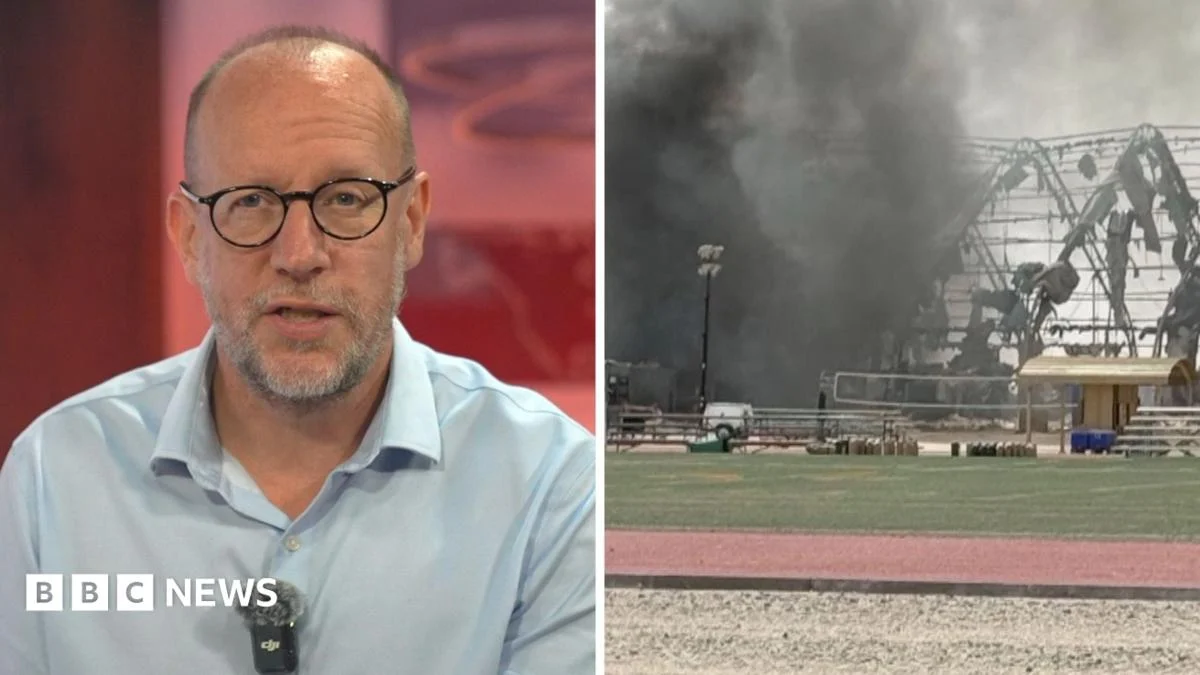
 George Anjay
 Nakalama John

 Ramos Leo