
 Nana Banana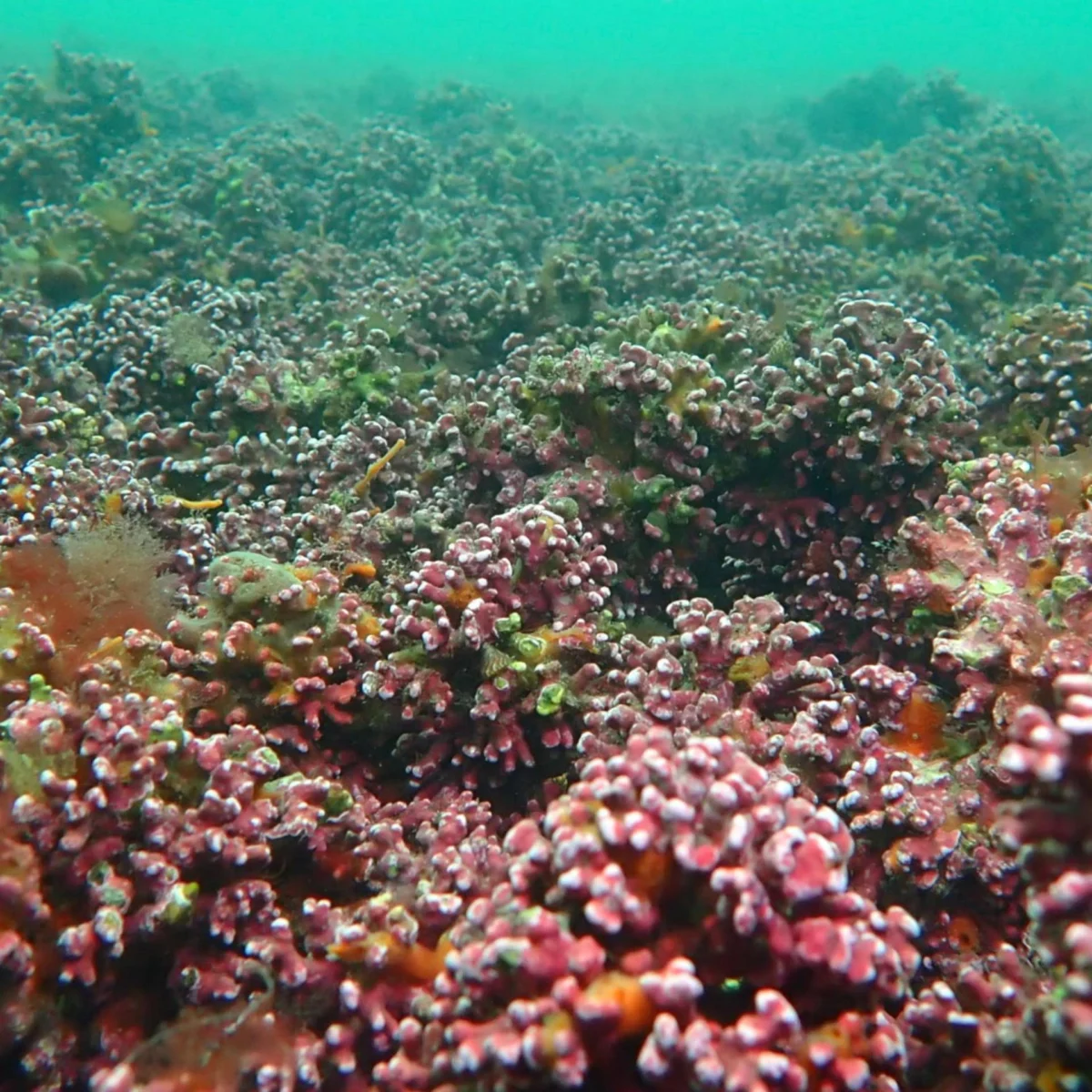
For over four decades, a tenacious marine biologist pursued a scientific enigma, culminating in the recent confirmation of a rare pink-striped seaweed as an entirely new species. This discovery sheds new light on the hidden biodiversity within the United Kingdom’s ancient maerl beds, fragile underwater ecosystems often compared to coral reefs for their ecological richness.
While the Great Barrier Reef captures global imagination with its vibrant corals, a quieter, equally vital marine world thrives beneath the waves in British coastal waters. These are the maerl beds, sprawling carpets of free-living, calcified red seaweed that, though resembling coral, are distinct organisms. Formed by thousands of interlocking pieces of these slow-growing algae, maerl beds create complex, three-dimensional habitats teeming with an astonishing array of marine life. They serve as crucial nurseries for fish, provide shelter for countless invertebrates, and play a significant role in carbon sequestration, making them indispensable components of temperate marine biodiversity.
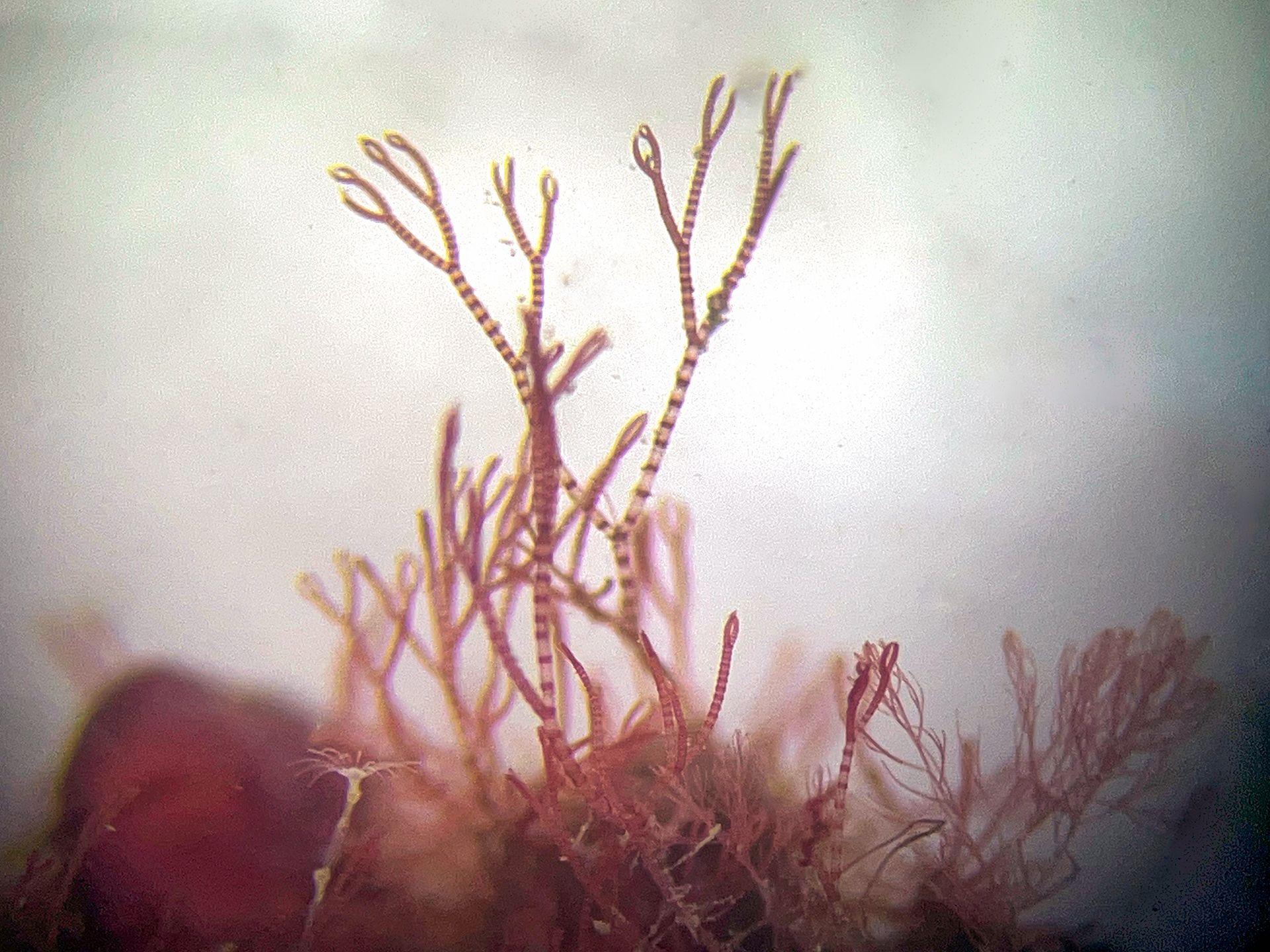
It was within one such vibrant maerl bed, during her PhD research 40 years ago, that Professor Christine Maggs first encountered the elusive organism. She was meticulously studying the intricate life within these underwater gardens when a tiny fragment of pink-striped seaweed caught her eye. Its delicate structure and distinctive coloration were unlike anything she had ever seen or read about. Her initial suspicions, fueled by extensive literature review, strongly suggested it was a species unknown to science. However, formal identification required a larger, more complete specimen, a challenge that would transform this fleeting observation into a lifelong scientific quest.
The search for the elusive seaweed became a persistent thread throughout Professor Maggs’ distinguished career. Despite dedicating countless hours to examining samples and diving in various locations, the tiny pink organism remained frustratingly rare. There were tantalizing glimpses – once found clinging to a sea squirt, another time mixed within a broader sample – but never enough material to definitively classify it. The small size and cryptic nature of the seaweed made it incredibly difficult to spot and collect in sufficient quantities for the rigorous morphological and genetic analyses required for new species designation. Her commitment, a testament to the patient and often arduous nature of taxonomic research, endured through four decades.
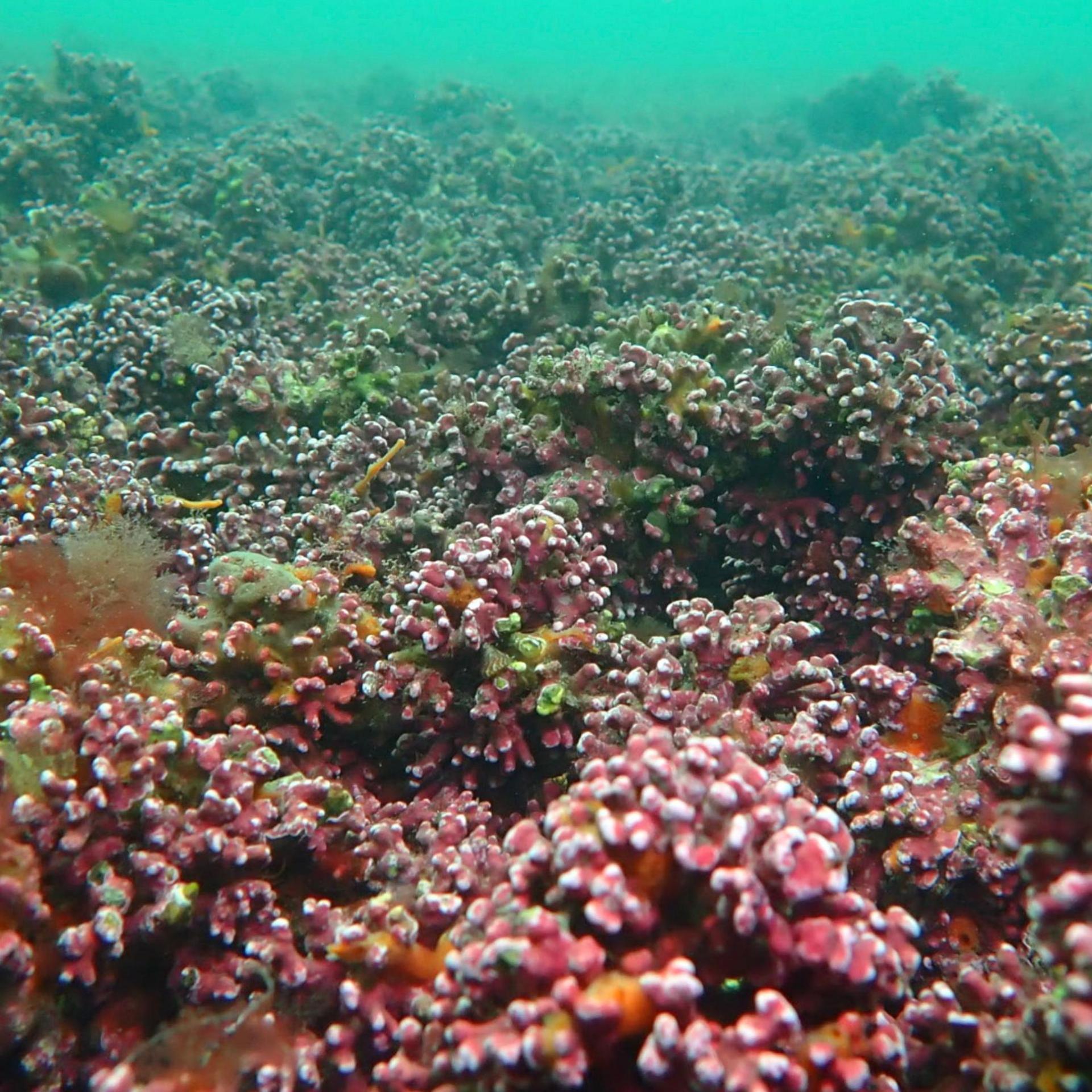
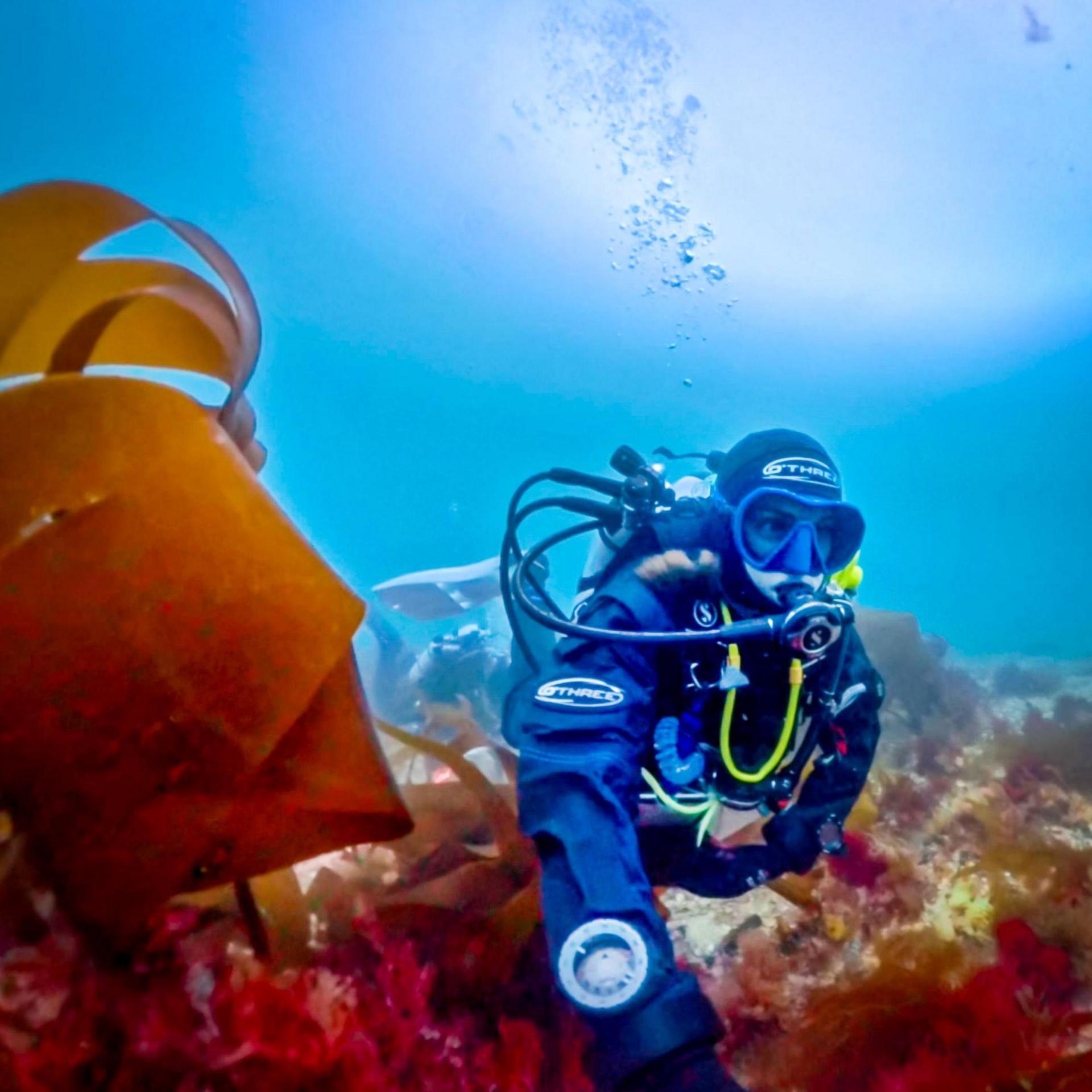
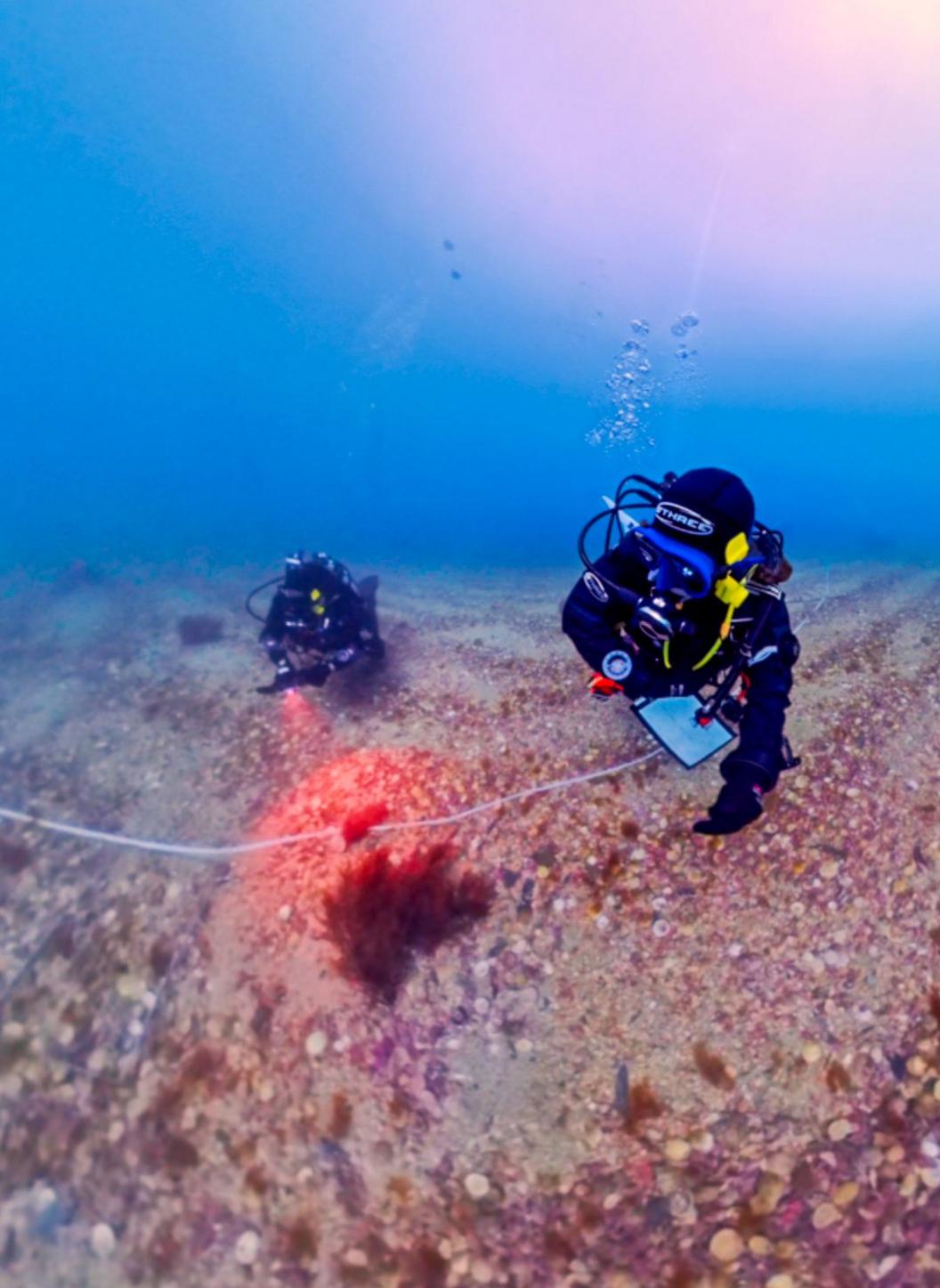
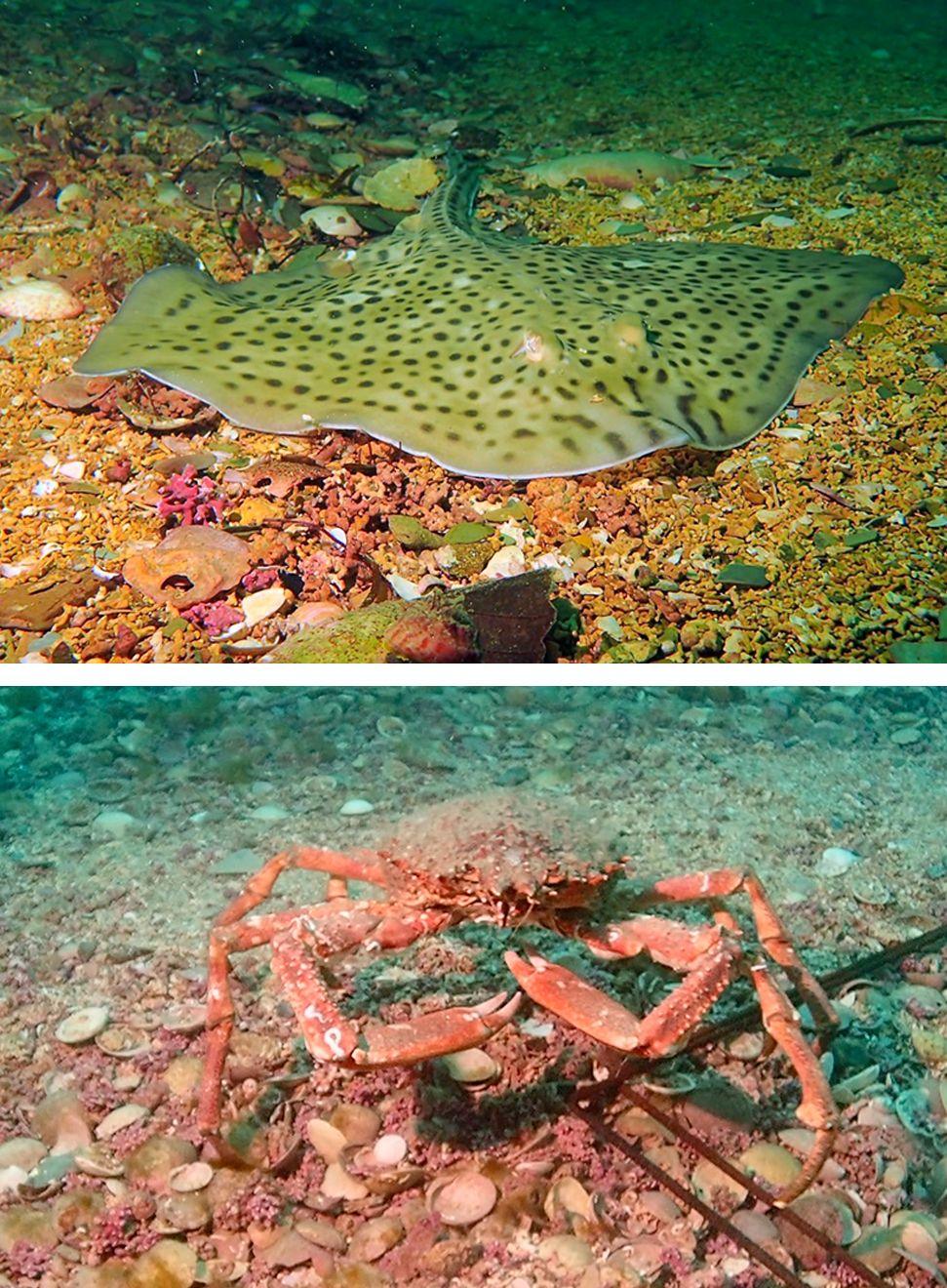
The breakthrough finally arrived two years ago, far from Professor Maggs’ initial sighting, yet still deeply rooted in the maerl beds of the UK. A team of scientific divers, engaged in a crucial project organized by Natural England to map and analyze the health of Cornish maerl beds, stumbled upon a promising sample. These divers undertake highly specialized and logistically challenging expeditions, navigating complex underwater environments with extensive equipment. Yet, for those involved, like Dive Officer Lucy May, the experience is profoundly rewarding. "It’s magical," she describes, "You’re just at one with nature and in your own little world really." Among the fascinating creatures they regularly encounter – from spider crabs and starfish to king scallops and goby fish – one particular collection of red algae from a Cornish trip stood out.
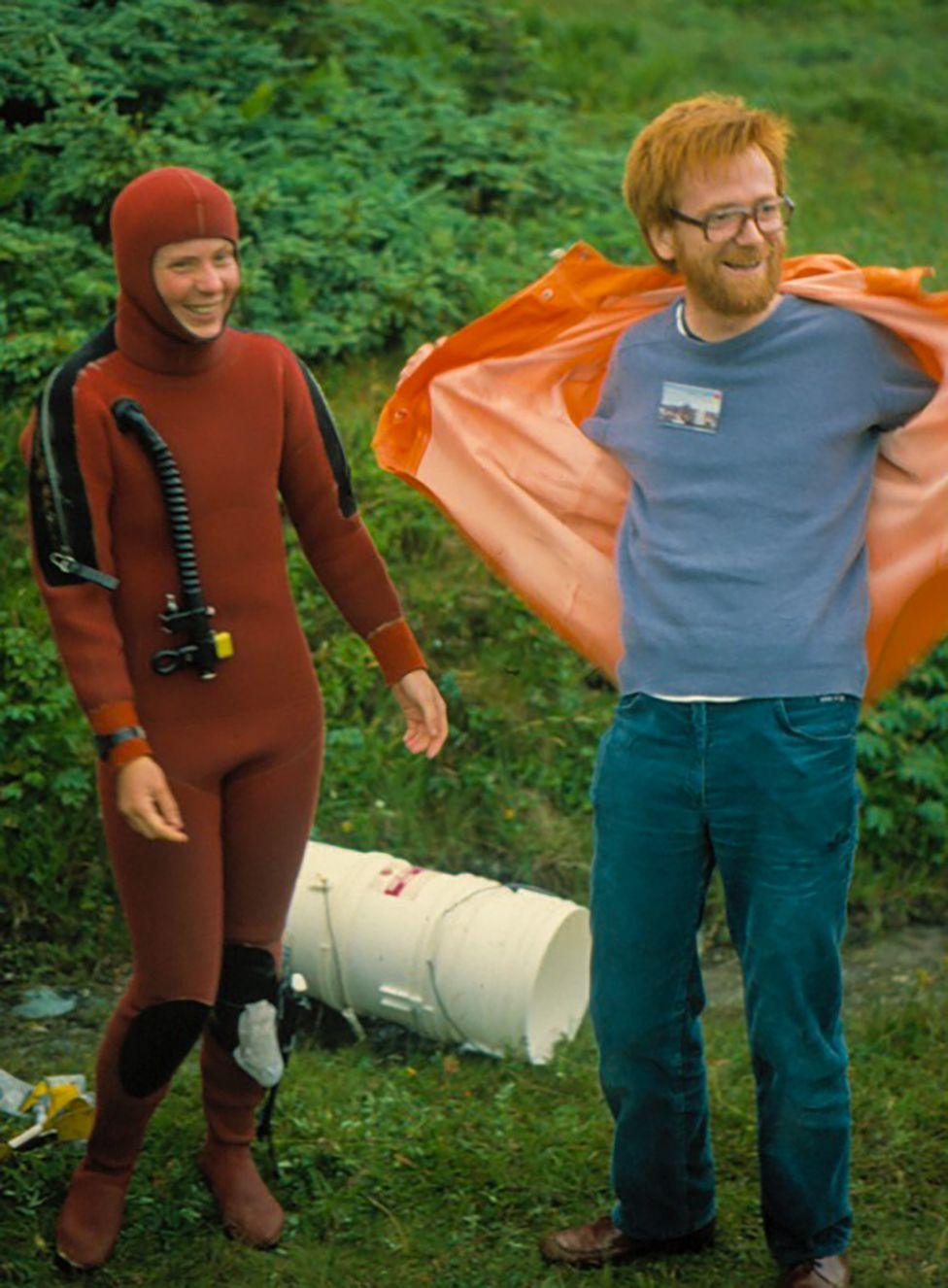
Francis Bunker, an independent marine biologist who was part of the survey team, possessed the keen eye and extensive knowledge to recognize the potential significance of the find. "I suppose you’ve got to be a bit nerdy," he admits, explaining his habit of carrying a magnifying glass while diving. His awe for the marine world never ceases, and it was this deep appreciation that led him to carefully examine the small, pink-banded algae with distinctive pincer tips. He immediately suspected it might be the legendary seaweed Professor Maggs had been searching for. Gathering as much material as possible, he dispatched the precious samples to Professor Maggs in London.
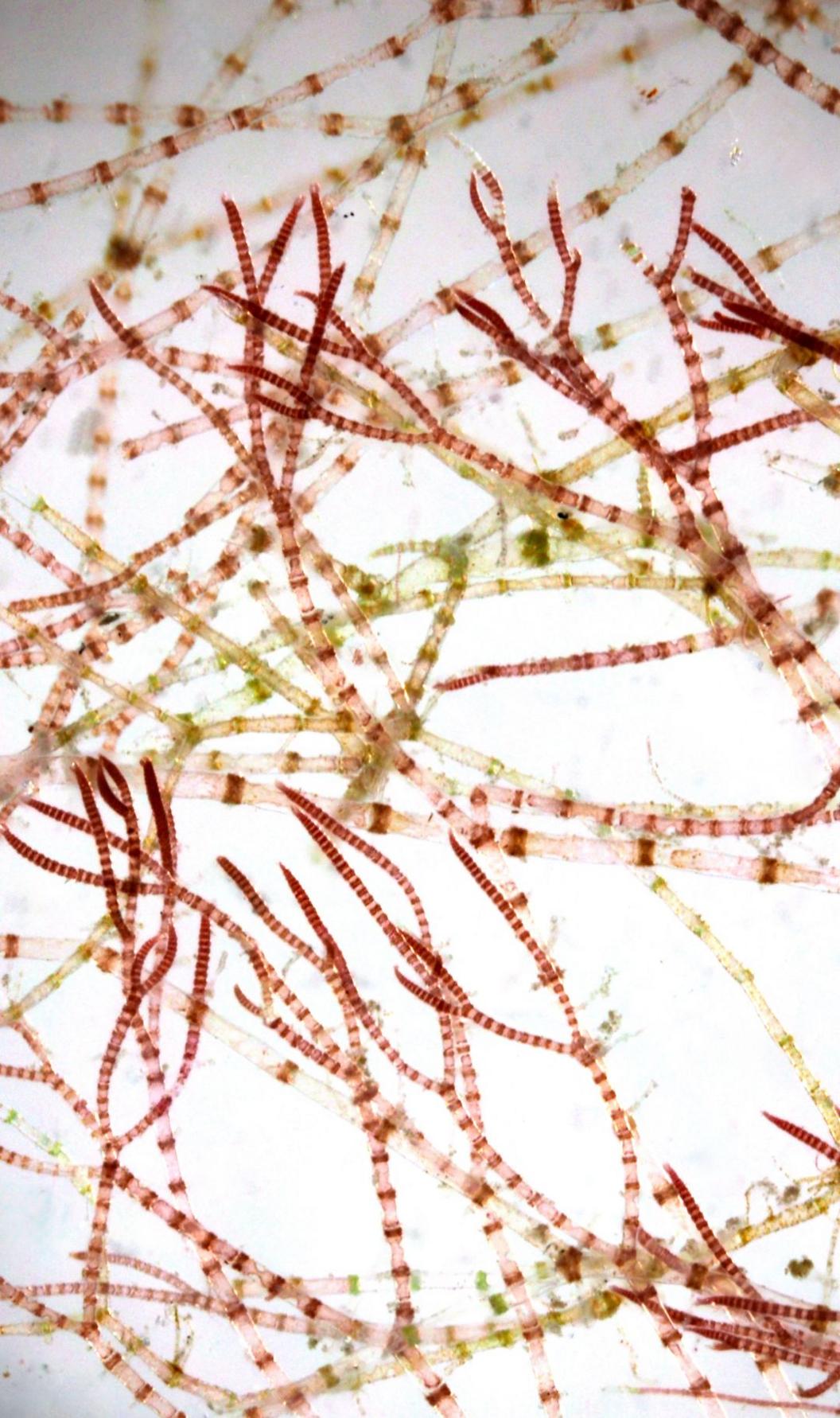
Upon receiving the samples, Professor Maggs knew the decades-long wait might finally be over. To prepare the tiny seaweed for the essential DNA sequencing, she needed to cultivate it. Resourcefully, she repurposed a wine fridge, transforming it into the perfect cool, dark environment to encourage the delicate algae to grow. "This particular seaweed is so small I needed to get some molecular data," Professor Maggs explained, highlighting why the confirmation had taken such an extended period. The subsequent laboratory work, a meticulous process of extracting and sequencing genetic material, was conducted with the vital assistance of Professor Beatriz de Barros Barreto. Together, they meticulously pieced together the puzzle, comparing the DNA sequences to known species. The results were conclusive: the pink-striped seaweed was indeed a novel species.
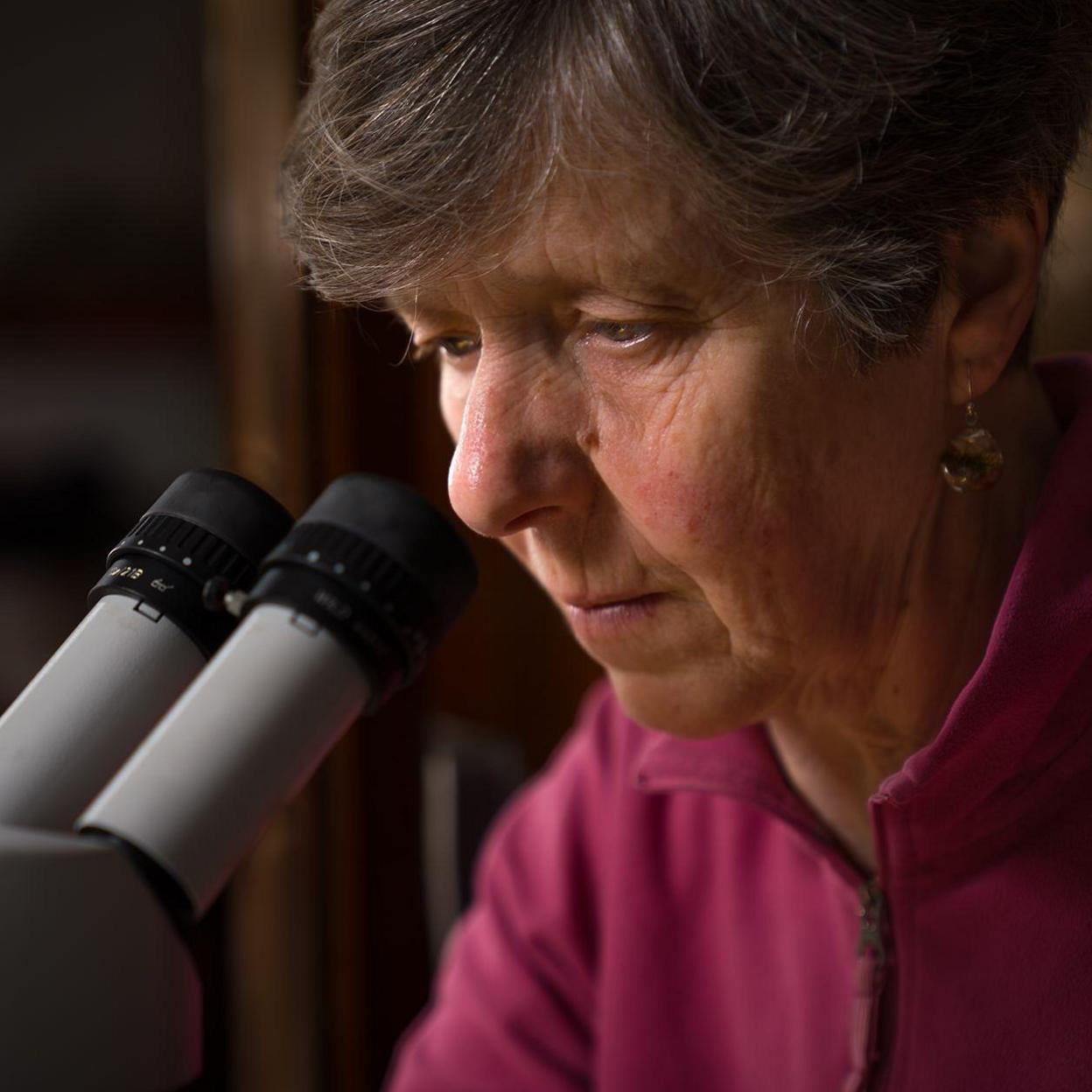
The discovery, shared exclusively with the BBC, marks a significant moment in marine biology and underscores the vast, unexplored biodiversity still present in seemingly well-studied regions. A sample of this newly identified species now officially resides in the Natural History Museum’s prestigious collection, a testament to its formal recognition. "We knew that maerl was a rich, biodiverse habitat, but we didn’t necessarily realise that we’d be still finding new species that live on that maerl," Professor Maggs reflected, expressing her profound satisfaction. Francis Bunker echoed this sentiment, adding, "It’s great. I think it’s what spurs you on really, finding a new species. It’s like the icing on the cake, or the cherry on top." Professor Maggs’ groundbreaking findings are soon to be formally published in the esteemed peer-reviewed journal, Phycologia.
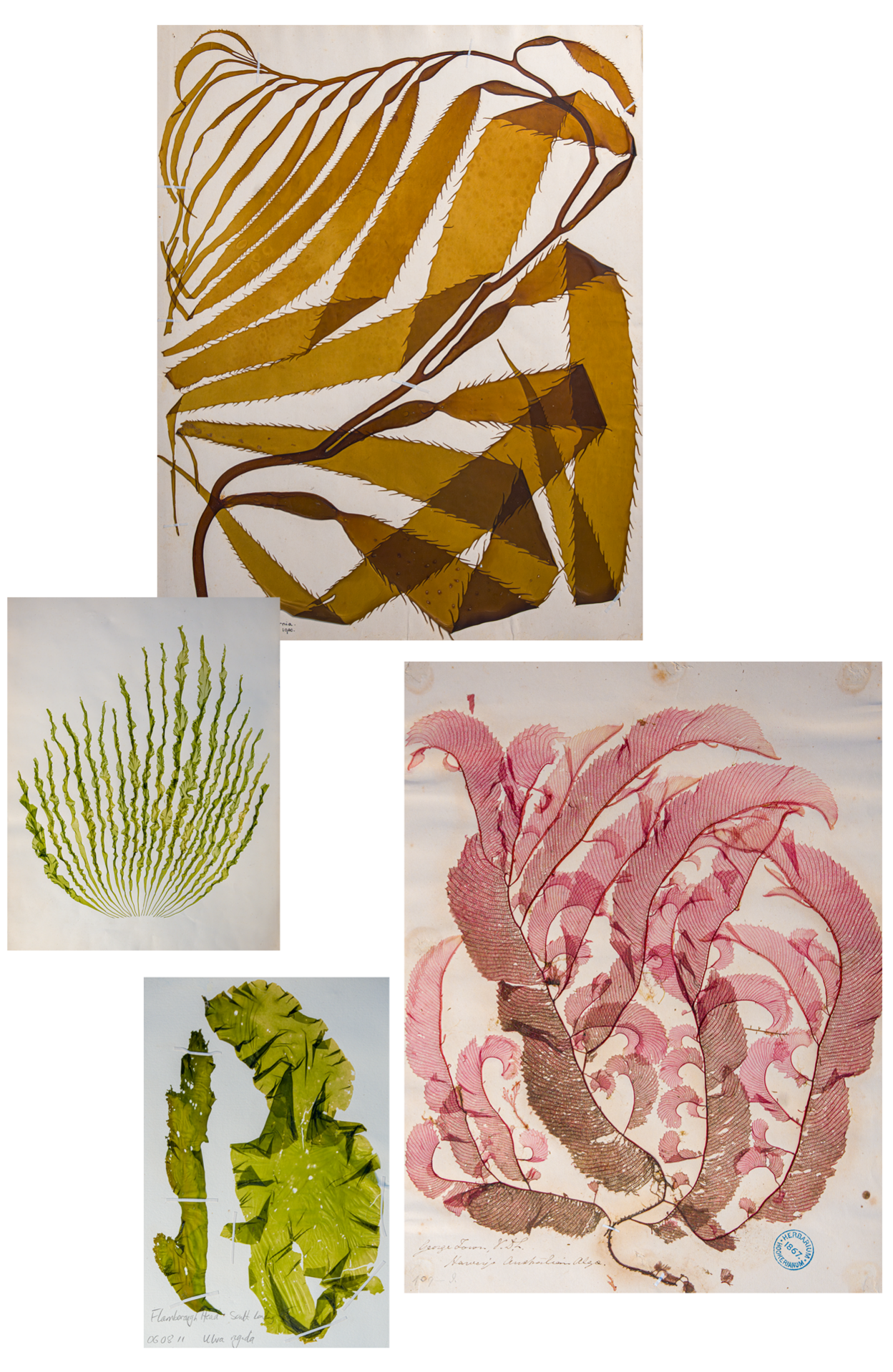
This discovery is more than just an exciting new entry in the biological lexicon; it holds crucial ecological significance. Seaweeds, among the most ancient forms of life, having evolved over a billion years ago, are foundational to marine ecosystems. They provide critical food sources for a multitude of marine organisms and create vital nursery habitats for fish to lay their eggs and for juveniles to grow. Beyond their ecological roles, certain seaweeds possess abundant minerals and anti-inflammatory properties, with their extracts utilized in medicines ranging from treating acid reflux to advanced wound dressings. As Professor Juliet Brodie, a leading seaweed expert at the Natural History Museum, eloquently states, "We really have to look after seaweeds, we really have to love them." She emphasizes that the discovery of new species is integral to ongoing efforts to monitor and understand the health of maerl beds over time. "They’re really precious," she adds. "I’ve often pondered to myself, what would the world be like without seaweeds? You would be taking away your nurseries for some of your economically important fish. But you would also [remove] the immense diversity that makes our world function."
Professor Craig Schneider, a professor of biology at Trinity College Connecticut, who was not involved in the study, hailed the discovery as "significant" to science. He highlighted its potential to further elevate interest in protecting maerl beds, which he noted were "already of the greatest importance to all of the other plants, animals and microbes in the ecological community that they support." Maerl beds are tragically rare in Britain and are officially classified as a threatened and declining habitat under the OSPAR Convention, an international agreement dedicated to environmental protection in the North-East Atlantic. While the UK currently protects four maerl sites, including the Fal and Helford Special Area of Conservation (SAC), the less studied beds off the south Cornish coast, where the new species was found, remain without formal protection. Defra (the UK Department for Environment, Food and Rural Affairs) has stated that it may not be necessary to designate all maerl beds as SACs, citing the need to balance nature recovery with "wider priorities including offshore wind development and fisheries." This ongoing debate underscores the complex challenges in marine conservation.
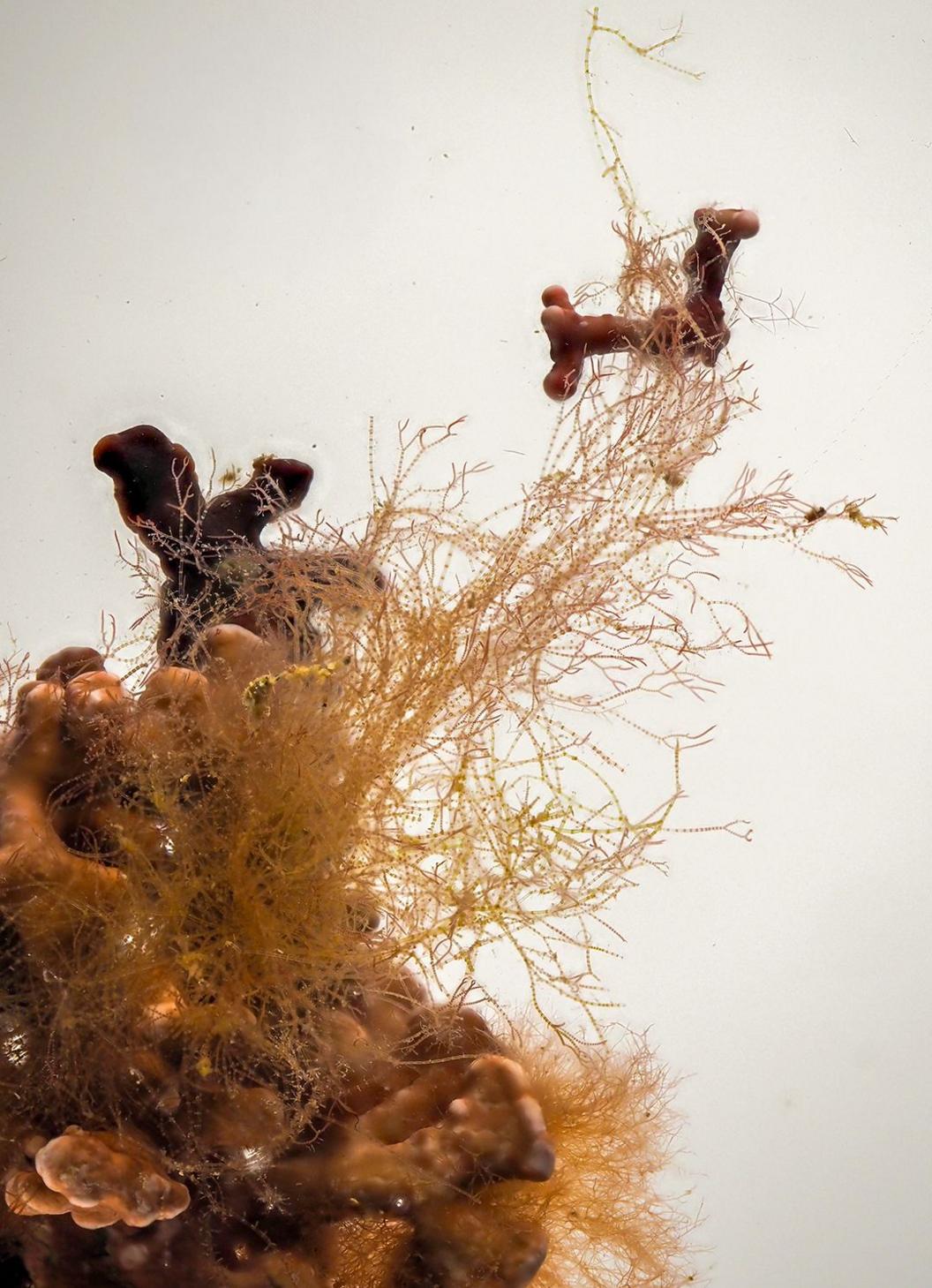
While discussions surrounding protection continue, the dedicated researcher-divers press on with their vital work to document existing species and uncover new ones. Perhaps the most exciting phase for Professor Maggs and her team is the naming of this new species. Scientifically, it will be known as Ceramium ruenessianum, a fitting tribute to her colleague who has also dedicated 40 years to studying this particular genus. For its common name, several evocative suggestions have emerged from the scientific diving community, including "pink-zebra weed," "pink-banded bandit," and "ribbon claw." Professor Maggs has extended an invitation to the public to contribute their own creative suggestions, further engaging the community in the wonder of marine discovery. This remarkable journey, spanning four decades, is a powerful reminder of the hidden treasures awaiting discovery in our oceans and the enduring commitment required to understand and protect them.



 George Anjay
 Nakalama John
 atisusanti
 Ramos Leo
 Roy Suryo