George Anjay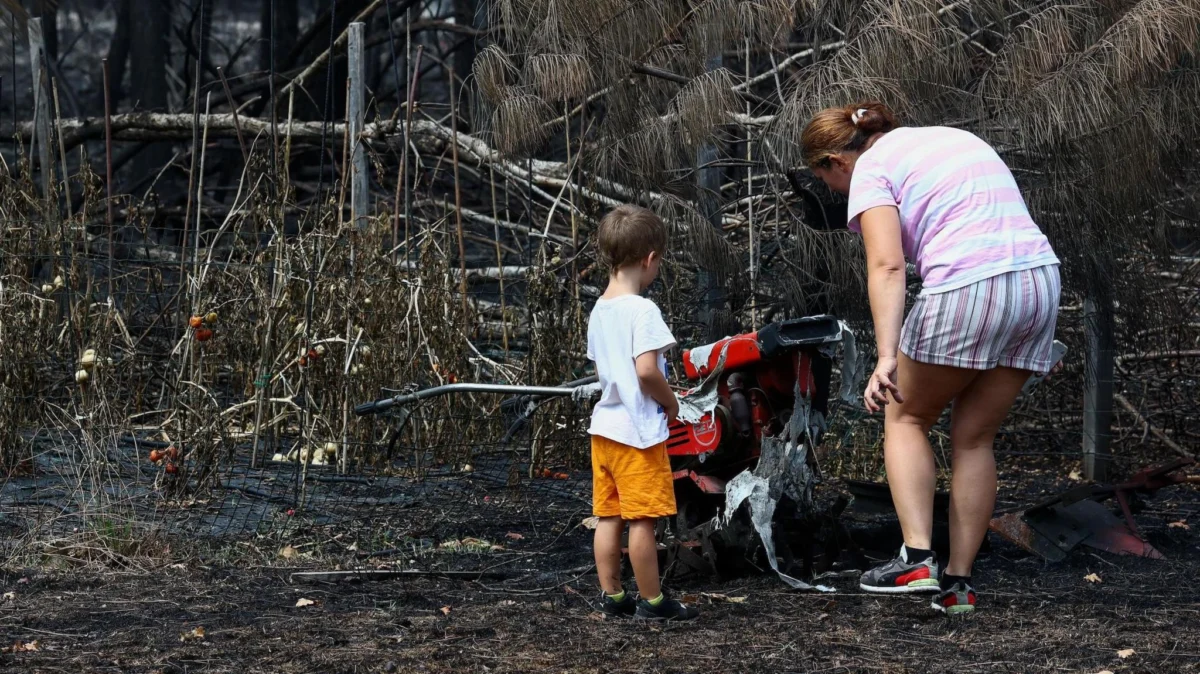
The recent devastating wildfires that swept through the south of France have unearthed a startling and dangerous legacy of the past: hundreds of unexploded World War II shells and munitions, discovered in the village of Le Porge. Local authorities have confirmed the presence of approximately 400 historical explosives, a discovery made all the more alarming by the intense heat and destructive force of the infernos.
The initial sounds of explosions heard during the height of the fires, which residents and officials first attributed to exploding gas cylinders, are now believed to have been the detonation of these dormant World War II ordnance. The scale of the explosive events was significant, with the local fire commander reporting to media outlets that over 100 explosions were heard on the second night of the blaze. Mayor Martial Zaninetti of Le Porge described the terrifying experience to French news outlet France Info, likening the cacophony to "the sound of war."
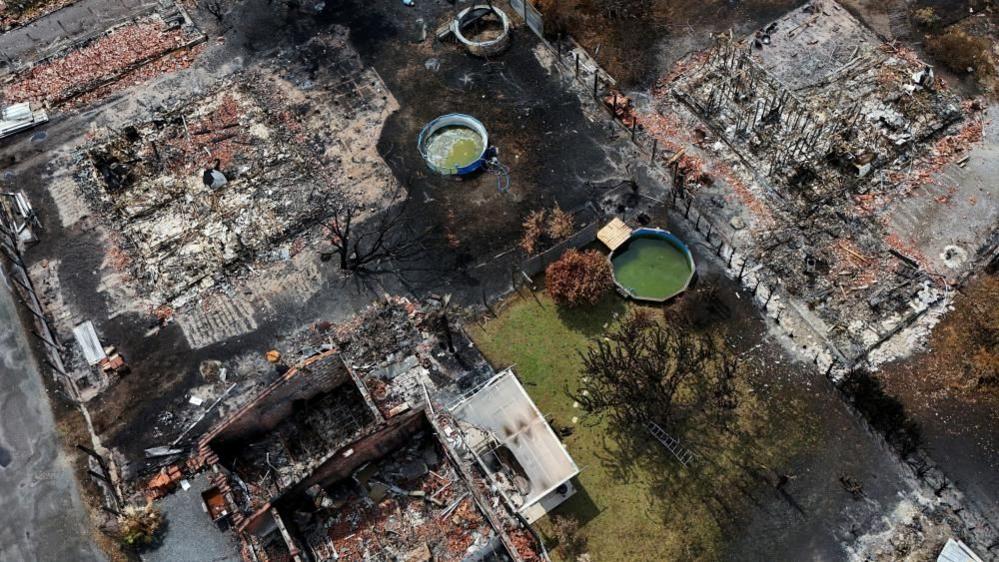
The ramifications of this discovery are profound, impacting the recovery efforts and the lives of the villagers. While demining operations have allowed most residents to gradually return to their homes, the mayor has cautioned that certain areas remain inaccessible due to the ongoing threat posed by any remaining unexploded ordnance. The wildfires themselves inflicted immense damage, with over 180 houses in the Le Porge area being completely destroyed by the relentless flames.
Mayor Zaninetti further elaborated on the shocking revelation, stating, "There were ammunition depots buried in land within our municipality, but we didn’t know it, and they exploded." He painted a vivid and harrowing picture of the ordnance’s unpredictable trajectory, noting that they were going "to the right, to the left," with one explosive even penetrating a house. This highlights the indiscriminate and dangerous nature of the buried munitions, a threat that lay hidden for decades until the wildfires brought it to light.
The unearthed munitions were a mix of both German and French historical weapons, indicative of the intense fighting that likely took place in the region during World War II. Reports from French media have specified that the unearthed items include mortar shells and anti-tank shells, each a potent reminder of the conflict that shaped modern Europe. Their discovery serves as a stark testament to the hidden dangers that can lie dormant beneath the surface, only to be exposed by unforeseen environmental events.
The dramatic unearthing of these historical explosives occurred in the wake of a massive forest fire that ravaged the Gironde region. This particular blaze, which had been burning for approximately 10 days, has now been brought under control, offering a glimmer of relief to the beleaguered communities. However, the lingering threat of unexploded ordnance presents a new and complex challenge to the long-term recovery and rebuilding process.
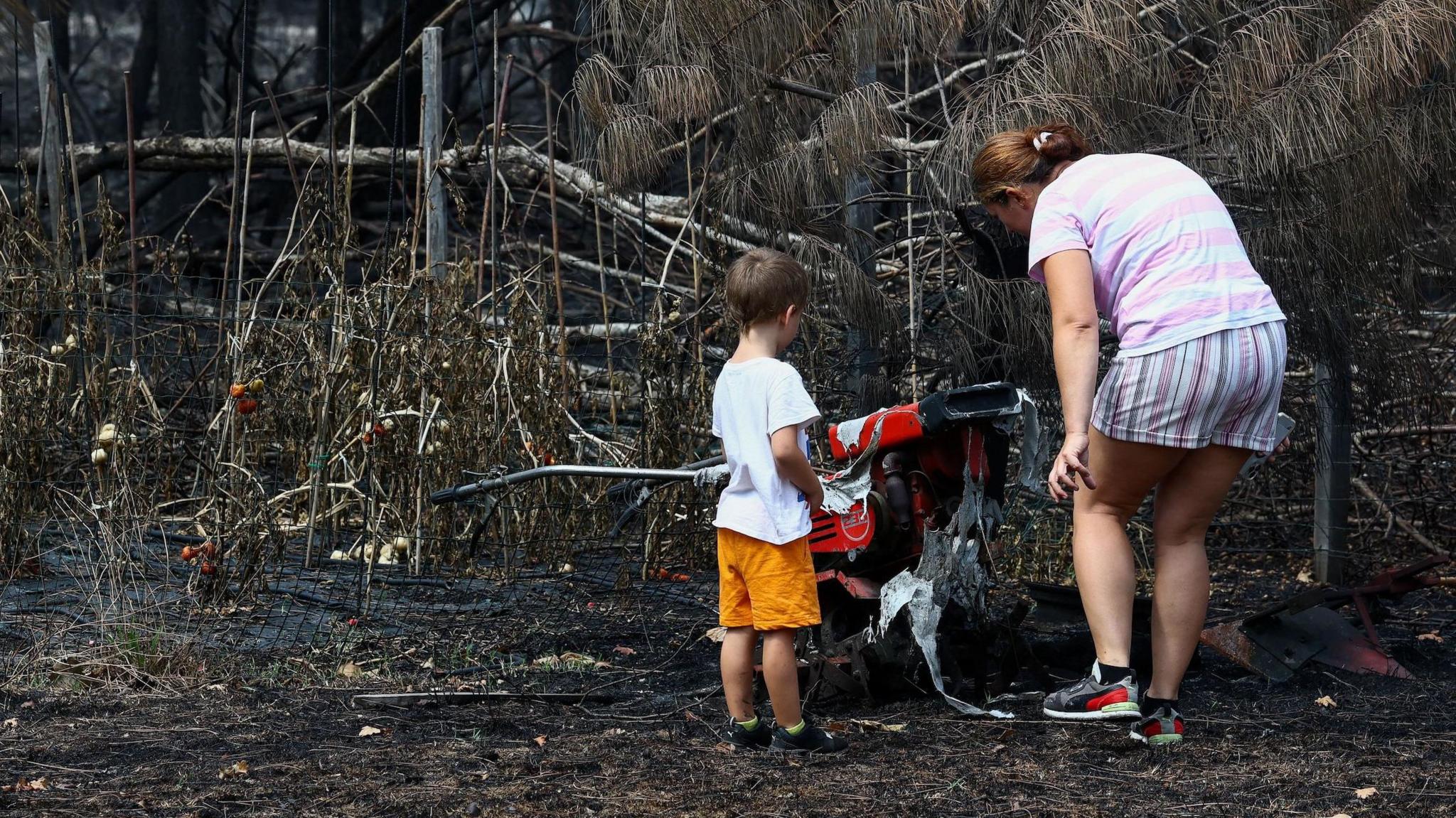
Images emerging from Le Porge on Monday depicted scenes of profound devastation, with families sifting through the charred remnants of their homes. The personal impact of the wildfires is immense, leaving behind not only physical destruction but also deep emotional scars. The discovery of the WW2 shells adds another layer of anxiety and complexity to an already dire situation, forcing residents to confront not only the immediate aftermath of the fire but also the historical dangers unearthed by its fury.
In a statement released on Instagram on Monday, the mayor announced that access to the ocean, a local campsite, and the village of La Jenny would remain restricted. These continued closures underscore the ongoing safety concerns and the meticulous nature of the demining operations required to ensure the area is safe for habitation and recreation. The unexploded ordnance represents a significant hurdle in the full restoration of community life.
The broader context of these wildfires is one of unprecedented environmental crisis across Europe. Over the past two weeks, the continent has been battling a series of intense wildfires, with France and Spain bearing the brunt of the destruction. In total, more than 330,000 people across Europe were forced to evacuate their homes due to the encroaching flames. France, in particular, has been one of the most severely affected regions.
The sheer scale of the fires in France is staggering. An area of 42,000 hectares has been scorched in the south-west of the country, marking one of the largest forest fires recorded in France since World War II. This immense destruction, coupled with the revelation of hidden wartime explosives, paints a grim picture of the intertwined challenges posed by climate change and the lingering impacts of historical conflicts.
French Prime Minister Sébastien Lecornu acknowledged the heroic efforts of the firefighters on Monday, expressing gratitude for their dedication in combating the blazes. He stated, "France has stood firm in the face of an unprecedented crisis," highlighting the immense strain placed upon emergency services and the resilience of the nation. The prime minister further indicated that the battle against the fires in the Gironde region had entered a "new phase," with evacuated individuals gradually being permitted to return to their homes.
However, the return to normalcy is far from assured, particularly in Le Porge, where the discovery of the World War II munitions presents a unique and formidable obstacle. The process of identifying, disarming, and removing these historical explosives is a delicate and time-consuming undertaking. It requires specialized expertise and a methodical approach to ensure the safety of both the public and the demining teams.
The presence of buried ammunition depots from World War II is not an uncommon occurrence in parts of Europe that were heavily impacted by the conflict. These sites often represent forgotten military installations or clandestine storage areas that were abandoned or lost over time. The intense heat of wildfires can destabilize these old munitions, increasing the risk of accidental detonation, as tragically demonstrated in Le Porge.
The discovery serves as a potent reminder of the enduring legacy of past conflicts and the need for vigilance in areas with a history of wartime activity. As communities grapple with the immediate aftermath of the wildfires, they are now faced with the added burden of addressing these historical dangers. The recovery efforts in Le Porge will undoubtedly be extended and complicated by the need for extensive demining operations.
The long-term implications of this discovery extend beyond Le Porge, prompting a broader re-evaluation of land use and safety protocols in regions with a known history of wartime ordnance. As climate change intensifies the frequency and severity of wildfires, the risk of unearthing such hidden dangers may increase. This necessitates a proactive approach to historical ordnance detection and disposal, potentially integrating such assessments into land management and disaster preparedness plans.
The resilience of the human spirit is being tested in the face of these dual crises. The villagers of Le Porge, already grappling with the loss of their homes and livelihoods, must now also confront the tangible remnants of a war fought decades ago. Their journey to recovery will be a testament to their strength and determination, as they work to rebuild their lives amidst the ashes of both natural disaster and historical conflict. The ongoing efforts of the authorities to secure the area and ensure the safe removal of the explosives are crucial steps in this arduous process. The story of Le Porge serves as a poignant illustration of how the past can unexpectedly resurface, demanding attention and resolution in the present.



 Nakalama John
 Ramos Leo
 Nana Banana