
 Ramos Leo
Bonehill-Paine’s past is marked by severe offences directly linked to his extremist ideology. He served a three-year prison sentence for disseminating antisemitic material in the run-up to a planned neo-Nazi rally. These hateful publications were designed to incite hatred and fear, contributing to a climate of anxiety within the Jewish community. A year after this conviction, he faced further legal repercussions, being found guilty of racially harassing Luciana Berger, who was then a Labour Member of Parliament. Berger, a prominent Jewish politician, was subjected to a barrage of online abuse and threats orchestrated by Bonehill-Paine, actions that underscored the chilling effect of hate speech on public figures and democratic participation. His campaign of harassment against Berger was particularly notorious, drawing widespread condemnation and highlighting the insidious nature of online extremism. The severity of his crimes led to significant prison time, intended as a punitive measure for his role in propagating racial hatred and threatening public safety.
Beyond these high-profile convictions related to his Neo-Nazi activities, Bonehill-Paine’s criminal record also includes other serious offences, casting a long shadow over his suitability for public office. He holds previous convictions for assaulting a police officer, demonstrating a disregard for law enforcement. Furthermore, he was convicted of burglary of a police station, an act that speaks to a profound disrespect for authority and public institutions. His record also includes charges of malicious communications, further illustrating a pattern of harmful and unlawful online behaviour. These multiple convictions paint a picture of an individual who, for a significant period, operated outside the bounds of acceptable societal conduct and legal frameworks.
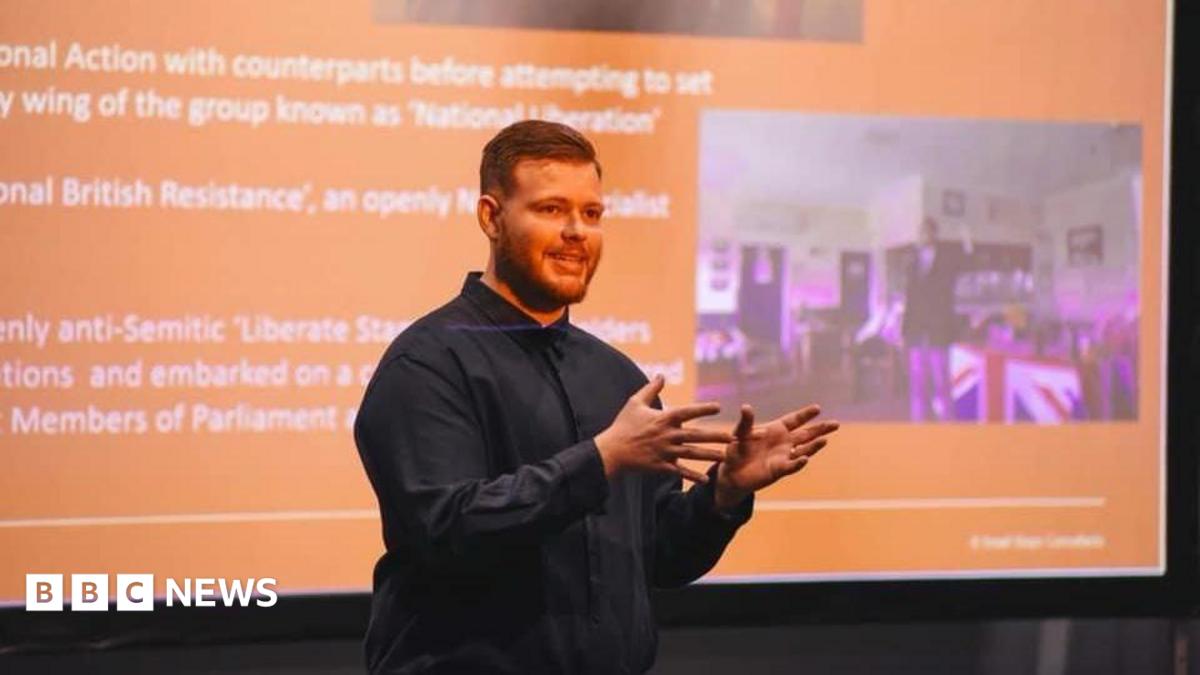
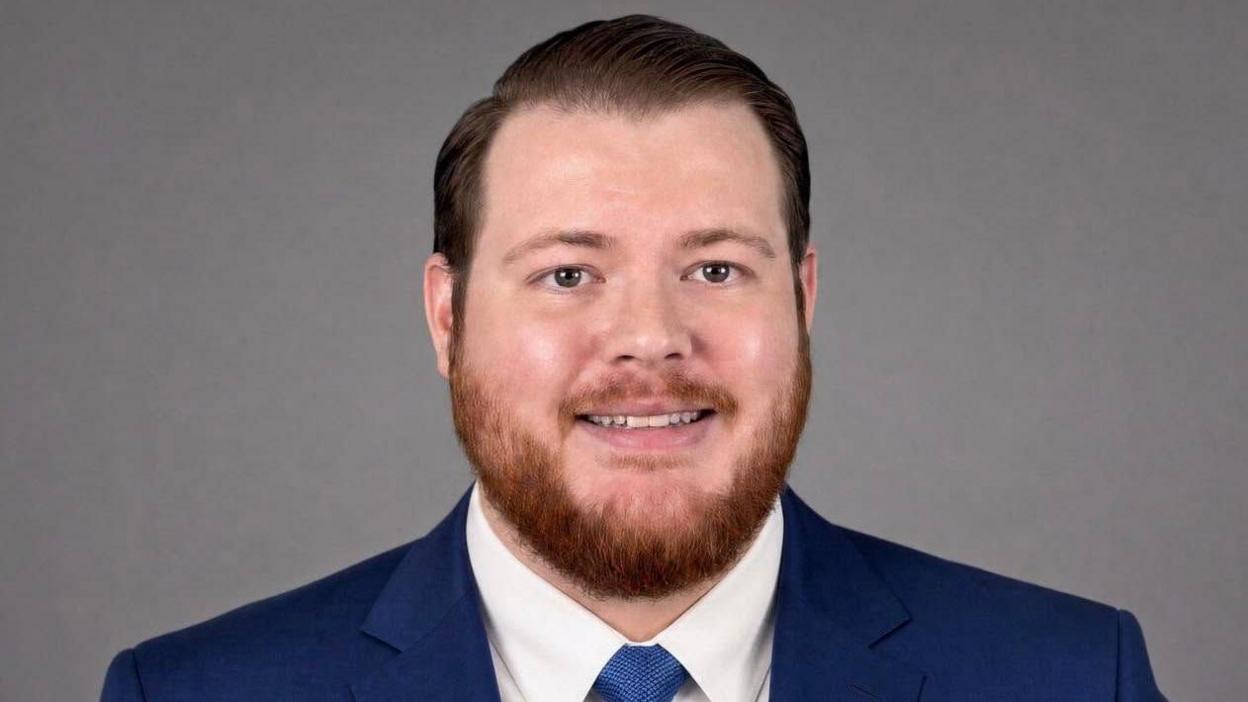
Despite this extensive and troubling history, Bonehill-Paine has been selected to contest the new Somerset Council seat of Crewkerne South in the 2027 elections. He has publicly stated his desire to "give back" to a community that he claims has supported him through his journey of reform. This assertion posits a narrative of local endorsement and personal transformation, yet it clashes starkly with the gravity of his past actions.
The Conservative Party’s decision has been championed by senior figures, most notably Kemi Badenoch, a prominent Conservative leader. Badenoch has publicly affirmed that Bonehill-Paine has "shown contrition for his crimes," asserting the party’s belief in the principle of "second chances." She further elaborated on this stance, stating, "He is spending every day working to solve the very problem which he knew he had caused previously. He’s going up and down the country training people and the Conservative Party believes in second chances." Badenoch positioned Bonehill-Paine not merely as a rehabilitated individual but as someone actively engaged in positive community work, particularly assisting Jewish communities – a striking claim given his history of antisemitic offences. She emphasized, "This is not just someone that we’ve picked up who is a convicted criminal – this is somebody who is actively working to help communities, especially Jewish communities." This defence hinges on the idea of genuine repentance and active contribution to counter-extremism, aiming to justify his candidacy despite the undeniable stain of his past.
Bonehill-Paine himself has acknowledged the indefensible nature of his past views, articulating a narrative of personal awakening and regret. He recounts the moment of his profound shift in perspective, which occurred while he was serving his prison sentence. The catalyst for his transformation, he states, was the news of the murder of Jo Cox MP in 2016. Jo Cox, a widely respected Labour MP, was brutally murdered by a far-right extremist, an act that sent shockwaves across the UK and beyond. Bonehill-Paine explained the deep emotional impact this tragedy had on him: "I felt an enormous sense of emotion – of grief and of anger that this lady had been murdered by a far-right extremist. This was a mother, a wife, who had been viciously murdered in cold blood and I started to question why it was that I was supporting a right-wing ideology." This pivotal moment of introspection led him to critically re-evaluate his extremist beliefs and embark on a path toward de-radicalisation. Following his release from prison in 2018, he actively engaged in a formal de-radicalisation programme, a structured process designed to dismantle extremist ideologies and foster mainstream, pro-social values. Today, Bonehill-Paine claims to be dedicating his efforts to delivering counter-extremism sessions across the UK, sharing his personal story and insights to prevent others from falling prey to similar ideologies. His journey, if genuine, represents a powerful example of rehabilitation, though the public and political skepticism remains palpable given the severity of his past.
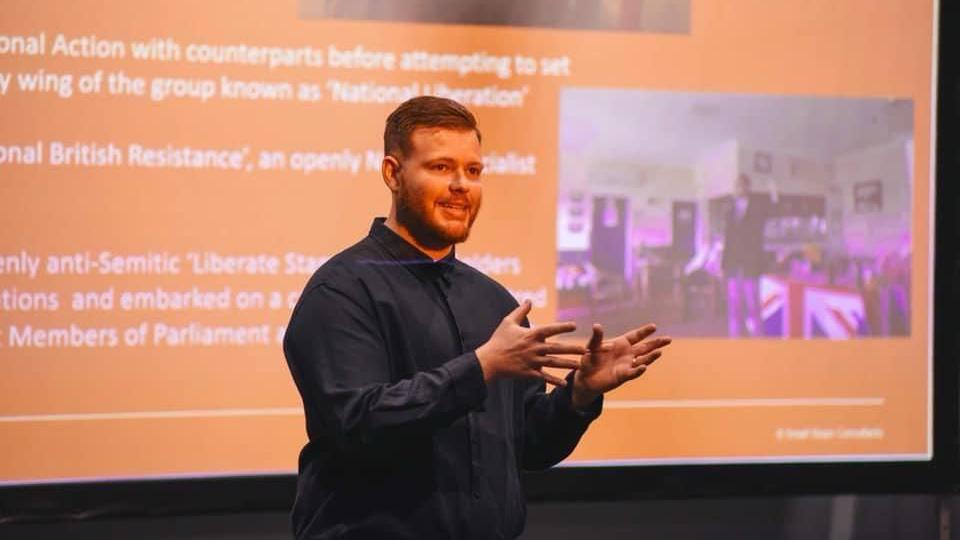
The selection has, predictably, drawn sharp criticism from various quarters, particularly from organisations representing the Jewish community. Karen Newman, Vice President of the Board of Deputies of British Jews, expressed profound disbelief and condemnation, stating unequivocally that "it beggars belief." The Board of Deputies, a leading voice for the Jewish community in the UK, views Bonehill-Paine’s selection as an affront, given his history of antisemitic incitement and harassment. Newman confirmed that the Board has "contacted the Conservative Party to set out our concerns and call on them to rescind his selection and review their vetting processes." Their objection highlights the deep-seated concern that allowing an individual with such a history to hold public office could undermine trust, normalise past extremism, and potentially cause distress to those he previously targeted. The call for a review of vetting processes suggests a perceived failure in the party’s candidate selection mechanism, raising questions about how such a controversial figure could have been approved.
Political opponents have also seized upon the controversy, using it to challenge the Conservative Party’s judgment and values. Liberal Democrat MP Adam Dance, whose Yeovil constituency encompasses Crewkerne, voiced strong concerns regarding the implications for public trust. Dance stated, "Residents deserve to feel confident in those seeking to represent them. Public service is built on trust and elected representatives have a responsibility to bring communities together and uphold the highest standards in public life." He concluded by placing the onus on the Conservatives: "It is now for the Conservative Party to explain why it believes this candidate is fit to serve." Dance’s comments underscore the fundamental requirement for integrity and trustworthiness in elected officials, suggesting that Bonehill-Paine’s past fundamentally compromises these principles.
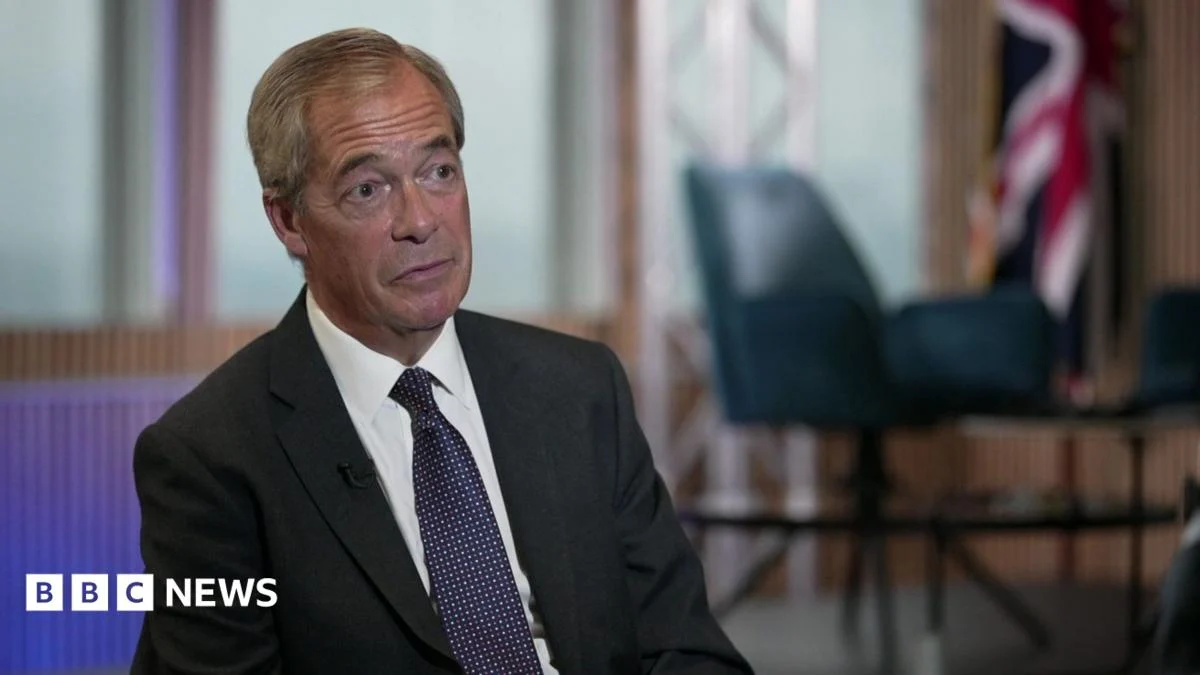
Nigel Farage, leader of Reform UK, weighed in with a sarcastic critique, questioning the Conservative Party’s direction. He wrote, "Is this part of the ‘new generation’ of Conservative candidates Kemi Badenoch is promising?" Farage’s comment aimed to highlight what he perceives as a contradiction within the Conservative Party’s narrative of renewal, implying that selecting a candidate with such a history is far from a progressive or desirable step.
The Labour Party launched a scathing attack, using the selection as an opportunity to paint the modern Conservative Party as increasingly extreme and out of touch. A Labour Party spokesperson declared: "Kemi Badenoch is selecting a former neo-Nazi who was convicted for harassing a Jewish MP while boasting about kicking out moderate Tories who back net zero. It’s a total disgrace." The spokesperson further asserted: "This tells you everything you need to know about the modern Conservative Party. Under Kemi Badenoch they’re becoming more extreme and more out of touch with Britain." Labour’s criticism not only targets Bonehill-Paine’s past but also connects it to broader internal party dynamics, suggesting a shift towards a more radical ideology within the Conservative ranks, a claim likely to be a recurring theme in political discourse.
The controversy surrounding Joshua Bonehill-Paine’s selection as a Conservative candidate for the Somerset Council seat of Crewkerne South in 2027 raises profound questions about rehabilitation, accountability, and the standards expected of public representatives. While the Conservative Party champions the narrative of "second chances" and Bonehill-Paine professes genuine contrition and active engagement in counter-extremism, the severity of his past actions – particularly his antisemitic activism and harassment of a Jewish MP – cannot be easily overlooked. The strong condemnations from Jewish community leaders and political opponents reflect a deep concern about the implications of such a candidacy for public trust, the integrity of political institutions, and the ongoing fight against extremism. As the 2027 elections approach, the debate over Bonehill-Paine’s suitability will undoubtedly continue to resonate, forcing a national conversation about the boundaries of forgiveness in public life and the vetting processes of political parties.

 George Anjay
 Nakalama John
 atisusanti
 Roy Suryo
 Nana Banana