
 Ramos Leo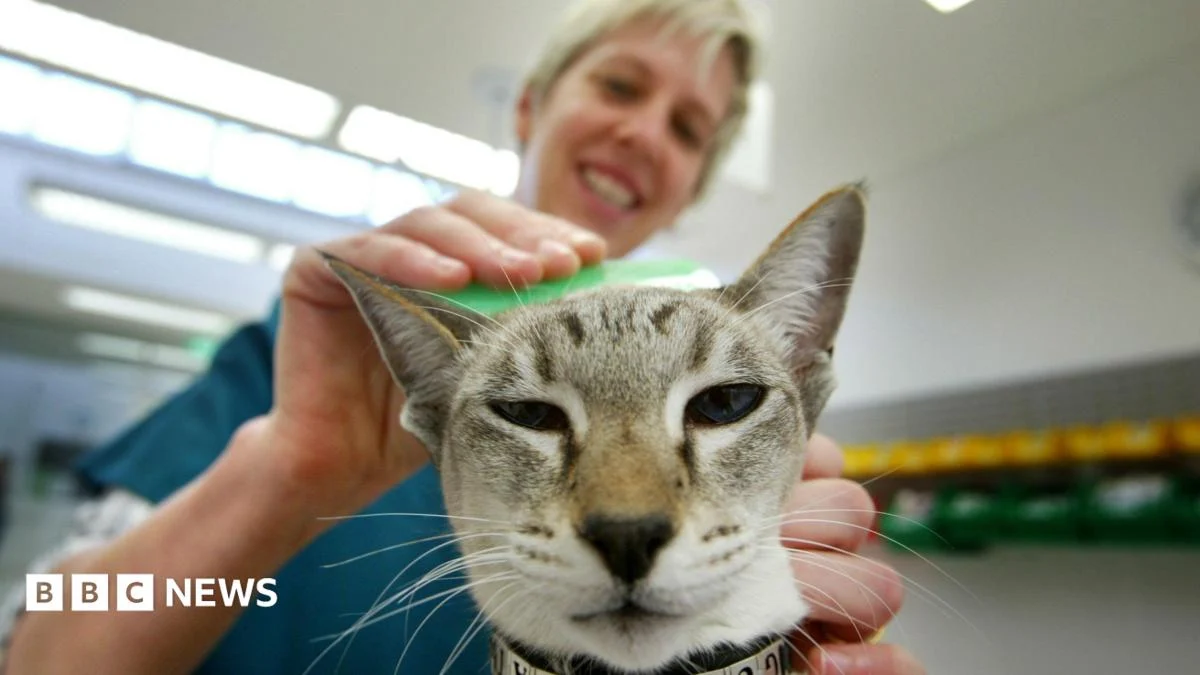
Pet flea treatments should be banned from general sale, a House of Lords committee has urged, following a comprehensive inquiry that unearthed profound concerns about their pervasive environmental impact. The committee’s findings highlight a critical intersection between pet care, public health, and ecological preservation, advocating for a significant shift in how these common veterinary medicines are distributed and used across the UK.
Spot-on treatments, widely popular for preventing parasitic infestations on pets’ fur and skin, are currently readily accessible to pet owners, available for purchase in supermarkets, pet stores, and through various online retailers. This ease of access and the widespread adoption of monthly preventative applications have become a central point of contention for the House of Lords Environment Committee. Their report explicitly calls for the restriction of these sales, asserting that their broad and often indiscriminate use poses a substantial and demonstrable threat to natural ecosystems, particularly the UK’s freshwater environments.
The government, through the Department for Environment, Food and Rural Affairs (Defra), acknowledged the ongoing debate, stating it is continuing to assess the availability of these treatments. This assessment aims to ensure "correct usage by owners," a phrasing that subtly acknowledges the concerns raised by the committee regarding potential misuse or overuse. However, the government’s current stance suggests a cautious approach, balancing the perceived benefits for pet health with the escalating environmental concerns.
Currently, dog and cat owners are frequently advised by manufacturers and retailers to administer preventative spot-on treatments every month as a routine measure to ward off parasite infestations like fleas and ticks. This blanket recommendation, however, came under intense scrutiny during the committee’s series of evidence sessions. The inquiry heard compelling arguments that such widespread and routine usage is not consistently supported by robust scientific evidence regarding its necessity for all pets, and more critically, it is likely contributing significantly to environmental harm.
A particularly striking piece of evidence presented to the committee revealed that many veterinary professionals do not adhere to a monthly treatment regimen for their own pets. Instead, these vets often employ a more targeted approach, regularly checking their pets’ fur with flea combs and restricting the use of chemical treatments to only those instances where fleas or ticks are actually spotted. This anecdotal evidence from within the veterinary community underscores the committee’s argument that a less frequent, more "risk-based" approach is both feasible and environmentally responsible.
The environmental concerns are rooted in the detection of high volumes of fipronil and imidacloprid, two common active ingredients found in many spot-on treatments, in UK streams and rivers. These chemicals are potent insecticides, and their presence in aquatic environments has been directly linked to the decline and death of aquatic invertebrates, which form the base of many freshwater food chains. This decimation of aquatic life has a cascading, knock-on effect on wildlife higher up the food chain, including fish, amphibians, and birds that rely on these invertebrates for sustenance. The committee’s report drew a stark parallel, noting that these very chemicals have already been banned for use as agricultural pesticides due to their devastating impact on wildlife, particularly pollinators like bees. This raises a critical question: if they are too harmful for agricultural use, why are they still widely available for pet use?
Furthermore, the committee highlighted a significant knowledge gap regarding the environmental impacts of newer chemical compounds, such as isoxazolines, which are increasingly being used in pet parasite treatments. While these newer generation insecticides may have different mechanisms of action, their long-term environmental fate and ecological effects are "very little is known," according to the report, urging for more rigorous pre-market environmental assessment and post-market monitoring.
In its detailed report, the cross-party committee put forward a strong recommendation: that the sale of such treatments should be restricted exclusively to vets, pharmacists, and other qualified professionals. This measure would ensure that pet owners receive expert advice tailored to their individual pet’s needs and lifestyle, fostering a more precautionary approach to using these powerful chemicals. The aim is to move away from a "one-size-fits-all" monthly treatment towards a more judicious application.
Baroness Shas Sheehan, who chairs the committee, eloquently encapsulated the committee’s findings, describing the overuse of these treatments on household pets as "the equivalent of using a sledgehammer to crack a nut." This powerful metaphor underscores the disproportionality between the perceived need for constant chemical treatment and the actual infestation risk for many pets, particularly those with low exposure to parasites. She added, "Our report raises serious questions and concerns about the environmental risks of pet flea and tick treatments, as well as how they are sold to pet owners." Baroness Sheehan emphasized that pet owners deserve "accurate, evidence-based guidance on the need for, and risks of, the existing and new chemicals which are being prescribed," advocating for transparency and informed decision-making.
The committee’s recommendations have garnered significant support from key professional bodies, including the British Veterinary Association (BVA), which has publicly backed a ban on over-the-counter sales. The BVA’s stance aligns with the principle of professional oversight, ensuring that treatments are prescribed based on clinical need and with a full understanding of potential environmental consequences.
However, the National Office of Animal Health (NOAH), which represents the UK animal health industry, voiced a more cautious perspective. NOAH emphasized that the "risk-based use" of parasite control products plays a "vital role" in preventing disease in animals and, crucially, in reducing the risk of parasite transmission from pets to people (zoonotic diseases). A spokesman for NOAH asserted that "All pet parasite treatments undergo rigorous scientific assessment by independent regulatory authorities before approval for use, and their safety and efficacy continue to be monitored." This statement highlights the industry’s focus on product safety and efficacy for the animal and human health, but perhaps implicitly downplays the wider environmental impact concerns raised by the Lords committee.
The committee report further elaborated on its call for a "risk-based approach," asserting that it "should consider the individual clinical needs of each companion animal being treated." This means moving beyond generic advice to consider factors like the pet’s lifestyle (e.g., indoor vs. outdoor, exposure to other animals), geographical location, and actual evidence of infestation. The committee expressed significant concern that "parasiticide chemicals are being routinely sold for pets without convincing evidence of clinical need."
Beyond sales restrictions, the report also recommended that vets should be mandated to warn pet owners of the potential harm to wildlife posed by these treatments. Furthermore, these environmental risks should be made more visible and prominent on product packaging itself, allowing consumers to make more informed choices.
The report also called for a thorough review of the relationship between the industry and UK and international veterinary medicine regulators. This recommendation hints at potential conflicts of interest or a need for greater independence in environmental impact assessments, especially given that some regulatory bodies receive funding from the pharmaceutical industry. Finally, the committee urged the pet health industry itself to fund further independent research on the environmental impact of treatments, acknowledging that significant knowledge gaps remain, particularly regarding newer chemicals and their long-term effects.
In response to the growing body of evidence and public concern, Defra launched a specific call for evidence in May on the impact of these treatments on UK rivers. This initiative signifies a governmental recognition of the seriousness of the issue. A spokesperson for the department reiterated Defra’s commitment to "restoring nature and cleaning up our rivers whilst upholding the highest animal welfare standards." They added, "While these treatments play a vital role in public and pet health against fleas and ticks, it is right that we assess the availability of these treatments to ensure correct usage by owners." This statement underscores the delicate balance Defra seeks to strike between environmental protection and maintaining pet and public health.
The Veterinary Medicines Directorate (VMD), the specific regulator for veterinary medicines funded by both government and the pharmaceutical industry, also weighed in. A VMD spokesperson stated their desire to limit the environmental impacts of flea and tick spot-on treatments and highlighted their ongoing consultation and awareness campaign aimed at pet owners and professionals. "We recognise that while pet parasite treatments play an important role in protecting pets and people from parasites and the diseases they carry, they are entering our watercourses which could be contributing to wider environmental impacts," the spokesperson concluded, acknowledging the dual nature of these products – beneficial for individual pets but potentially detrimental to the wider ecosystem. The collective calls from the Lords committee, veterinary professionals, and environmental advocates underscore a growing consensus that the current approach to pet parasite control needs urgent and fundamental reform to protect the UK’s precious natural environment.




 George Anjay
 Nakalama John
 atisusanti
 Roy Suryo
 Nana Banana