
 Nana Banana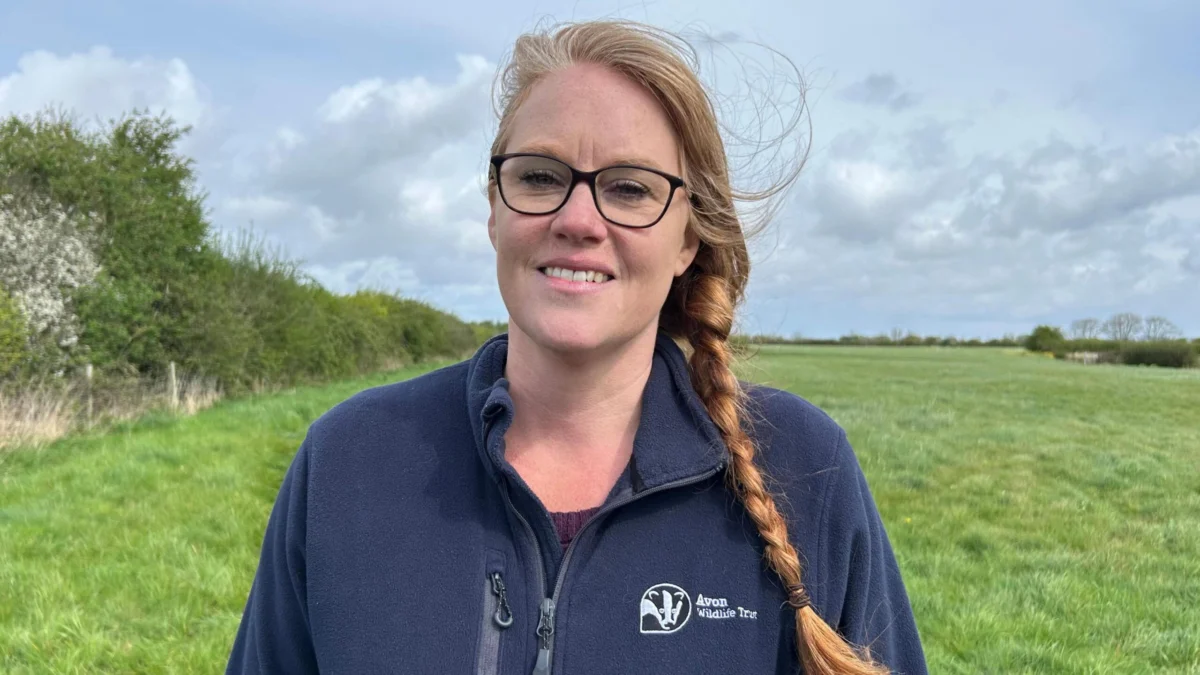
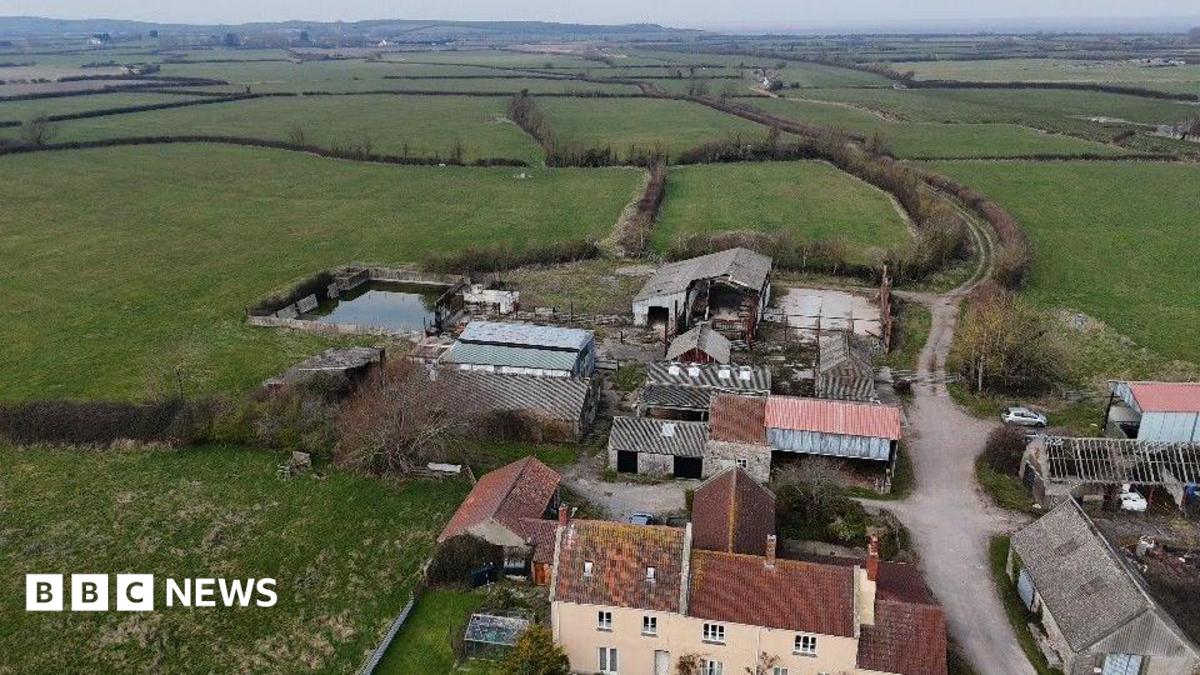
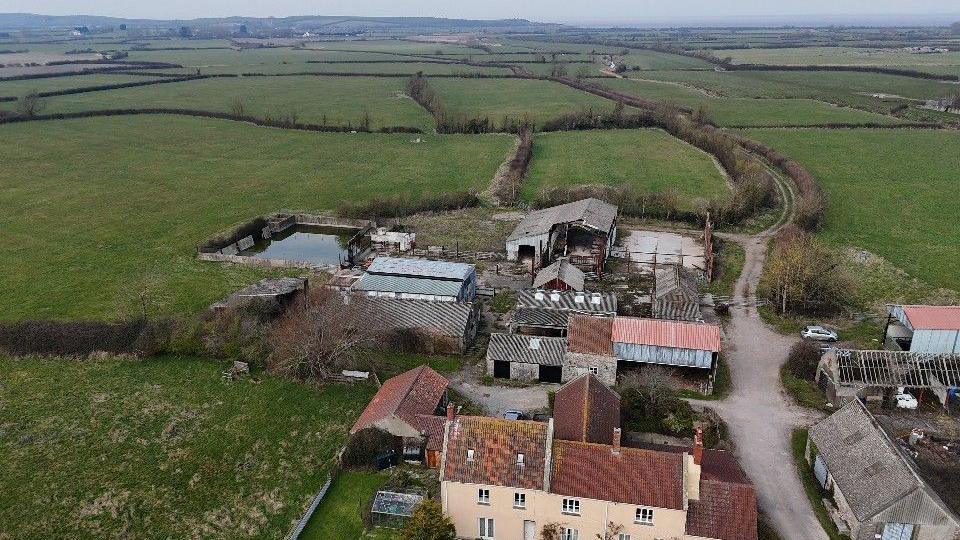
Ebdon Farm, situated near the village of Wick St Lawrence, approximately 2km (1.24 miles) from the coastline, has long been a site of intensive agricultural activity. For generations, its fields sustained a dairy herd, a common sight across the British landscape. However, decades of conventional farming practices, while providing food security, often lead to a "nature depleted" environment. Such practices can result in compacted soils, reduced biodiversity, diminished water quality due to runoff, and a landscape less resilient to the vagaries of extreme weather. The Avon Wildlife Trust’s acquisition and subsequent plans aim to reverse this trend, demonstrating how former agricultural land can be revitalised to create rich, biodiverse ecosystems that also offer crucial environmental services.
The vision for Ebdon Farm is nothing short of transformative. The Avon Wildlife Trust envisions a landscape teeming with life, a haven for species that have suffered significant declines across the UK. The strategic location of the farm, close to the Severn Estuary, a globally important wetland for migratory birds, makes its restoration particularly impactful. This proximity means the new reserve can serve as a vital stepping stone or extension of existing protected areas, enhancing ecological connectivity across the wider landscape. The project also addresses the vulnerability of coastal areas to climate change, with rising sea levels and increased storm frequency posing significant threats. By creating robust wetland habitats, the reserve will offer natural flood defences and contribute to a more resilient local environment.
Securing the future of Ebdon Farm was a monumental undertaking for the Avon Wildlife Trust. The journey began when the Esmée Fairbairn Foundation, a charity dedicated to improving the quality of life in the UK, initially purchased the farm. They then offered the Trust a challenging two-year window to raise the necessary funds to buy the site, a testament to the urgency and scale of the conservation need. The breakthrough came with a substantial £5 million grant from The National Lottery Heritage Fund, a crucial injection of capital that enabled the Trust to complete the acquisition. This funding not only covers the purchase of the land but also provides the resources needed for the initial phases of ecological restoration and long-term management. This financial commitment underscores the national recognition of the project’s significance for both heritage and the environment.
Shelly Easton, the Head of Nature’s Recovery at the Avon Wildlife Trust, eloquently articulated the profound importance of the initiative: "We need to take decisive action and show that there is hope for a nature-positive future for wildlife, farming and people. Ebdon Farm is that beacon of hope." Her words highlight the project’s role not just as a local conservation effort but as a symbol of broader environmental ambition and a practical demonstration of how land use can be reimagined for ecological benefit. The Trust is eagerly anticipating the commencement of work in the autumn, with Easton adding, "We can’t wait to begin and let nature take the lead. There’s a huge opportunity and a huge pressure to make this a reality." This sentiment encapsulates the blend of excitement and responsibility driving the project forward.
The core of the ecological transformation will involve the creation of extensive new wetland areas. These are not merely decorative ponds but carefully designed hydrological systems that mimic natural processes. The process will involve re-profiling land, blocking drainage ditches, and allowing water to naturally accumulate, forming a mosaic of shallow pools, deeper scrapes, and seasonally inundated grasslands. Such diverse wetland habitats are biodiversity hotspots, providing essential breeding, feeding, and resting grounds for a vast array of wildlife. Specific measures will be taken to support species like various bat species, which rely on insect-rich wetland environments for foraging; native newts, requiring still, clean water bodies for breeding; and the iconic kingfisher, which thrives in areas with clear water and abundant small fish.
Crucially, the wetlands will provide critical habitat for internationally important populations of wading birds and waterfowl. Species like lapwing, curlew, redshank, and snipe, many of which are in steep decline across the UK, will find refuge and vital breeding grounds at Ebdon Farm. The restoration will also focus on enhancing the existing hedgerows and creating new ones, providing corridors for wildlife movement and additional nesting sites. Pollinator-rich meadows will be established, supporting a diverse insect population, which in turn forms the base of the food web for birds, bats, and other animals. Over time, the aim is to create a self-sustaining ecosystem that requires minimal human intervention, allowing natural processes of succession and adaptation to flourish.
Beyond biodiversity, the "climate resilient" aspect of Ebdon Farm is paramount. Wetlands are natural sponges, capable of absorbing vast quantities of water during periods of heavy rainfall, thereby mitigating flood risk for downstream communities and agricultural land. In a coastal region like North Somerset, where the impacts of climate change manifest as more frequent and intense rainfall events and potential coastal inundation, this natural flood management function is invaluable. Furthermore, healthy wetlands are potent carbon sinks, storing significant amounts of carbon in their soils and vegetation, thereby contributing to climate change mitigation efforts. The design of the reserve will also consider future climate scenarios, aiming to create habitats that can adapt to changing conditions, such as periods of drought or increased salinity from potential sea-level rise. This adaptive capacity makes Ebdon Farm a living laboratory for climate adaptation strategies.
Leah McNally, the CEO of the Avon Wildlife Trust, highlighted the multi-faceted benefits of the project: "The ideally placed farm will be a beacon for nature’s recovery and climate adaptation. We need to take transformative steps to boost nature’s recovery and support local farmers in this climate-vulnerable area." Her emphasis on supporting local farmers indicates a broader ambition to foster sustainable land management practices that integrate nature conservation with agricultural livelihoods. The Trust plans to engage with neighbouring farmers, sharing knowledge and demonstrating how nature-based solutions can benefit both wildlife and farming enterprises.
Once the initial construction phase is complete and the ecosystems begin to establish, Ebdon Farm Nature Reserve will open its doors to the public. This access is a critical component of the Trust’s vision, as McNally noted, "enabling more people to access the multiple benefits that we know nature brings and allowing us to explore climate impacts at a local level." The reserve will offer opportunities for quiet recreation, such as walking and birdwatching, fostering a deeper connection between people and nature. Educational programmes will be developed for schools and community groups, turning the reserve into an outdoor classroom where visitors can learn about wetland ecology, climate change, and the importance of conservation. This public engagement is vital for building a wider understanding and appreciation for the natural world and inspiring future generations of environmental stewards.
In essence, Ebdon Farm is set to become more than just a nature reserve; it will be a dynamic landscape demonstrating how ecological restoration can simultaneously address biodiversity loss and climate change. It represents a shift from a nature-depleted agricultural past to a nature-positive, climate-resilient future. This ambitious undertaking by the Avon Wildlife Trust, supported by significant funding and a clear vision, offers a tangible model for land use change across the UK and beyond, proving that with decisive action and community engagement, even the most degraded landscapes can be transformed into thriving havens for wildlife and invaluable assets for human well-being in a changing climate.


 atisusanti
 George Anjay
 Nakalama John

 Ramos Leo