
 Nana Banana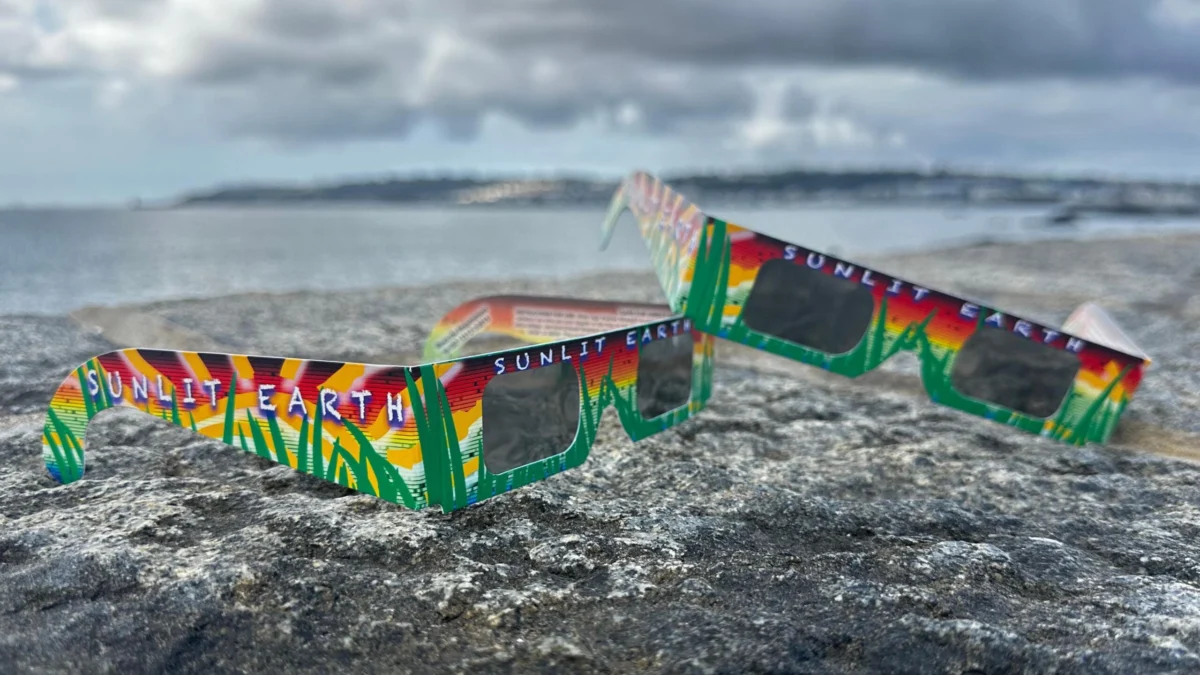
Scheduled for Wednesday, 12 August, the celestial alignment will see the moon obscure approximately 90% of the sun, creating a dramatic partial solar eclipse visible not only across the Channel Islands but also throughout the UK and Ireland. Dr. Dean underscored the profound nature of this event, urging safe viewing practices. "For many of us who witnessed the total eclipse in 1999, this is likely the last truly substantial eclipse we will experience," she remarked, highlighting the personal and historical significance for those who remember the last major event.
The August eclipse marks the closest the Channel Islands will have come to total solar coverage since the awe-inspiring total eclipse of 11 August 1999. That historic event, which plunged parts of Cornwall into complete darkness and captivated millions across the UK and France, remains a vivid memory for many. While solar eclipses occur roughly every 18 months somewhere on Earth, their visibility from any single geographical location is remarkably infrequent. This rarity stems from the precise alignment required between the Sun, Moon, and Earth, combined with the Earth’s rotation and the Moon’s orbital path. An observer must be in the narrow path of the Moon’s shadow (umbra for total, penumbra for partial) for an eclipse to be visible.
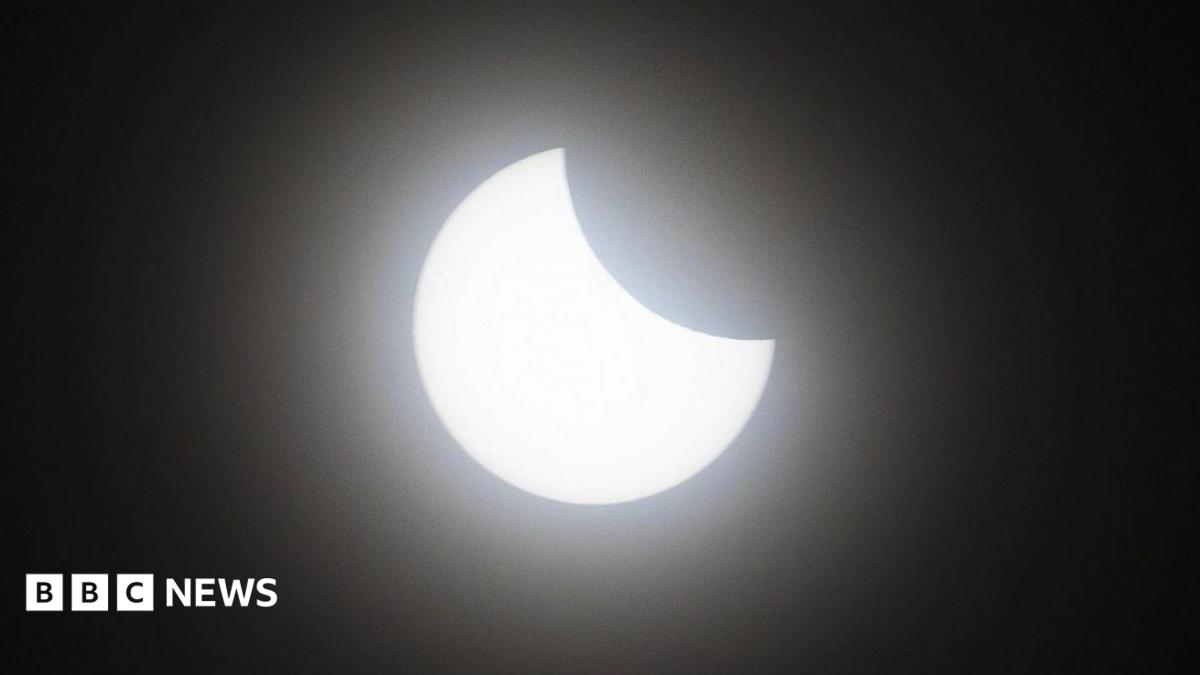
Dr. Dean elaborated on this scarcity, stating, "From any one particular location, it’s probably a once or twice in a lifetime event." She further drove home the point of its exceptional nature for islanders: "The next total eclipse from Guernsey will be in 2081, so that’s quite a long way away." This means that individuals witnessing the upcoming partial eclipse will likely not live to see another total one from their homeland, making the 12 August event truly special.
The Royal Museums Greenwich provides specific timings for the eclipse, indicating that viewers in the region will observe the event beginning around 18:15 BST. The moon’s maximum coverage of the sun is expected to occur approximately an hour later, gradually progressing as the sun dips towards the horizon. This late afternoon timing adds a unique aesthetic to the event, potentially offering stunning views as the partially obscured sun casts unusual shadows and colours across the landscape.
While clear skies would undoubtedly offer the most spectacular visual experience, Dr. Dean noted that even under overcast conditions, the eclipse would still be perceptible through its environmental impacts. "It will still go dark, a little bit cold and the birds will go silent," she predicted. "That’s because it’s such a large eclipse – nature will start to respond, so it will be a little bit eerie if that does happen." This phenomenon, where the sudden dimming of light and drop in temperature prompts birds to cease their songs and animals to display nocturnal behaviours, is a well-documented aspect of significant solar eclipses, adding another layer of wonder to the event. The shift in light quality, often described as a metallic or silvery glow, can create an otherworldly atmosphere, even without a direct view of the sun itself.
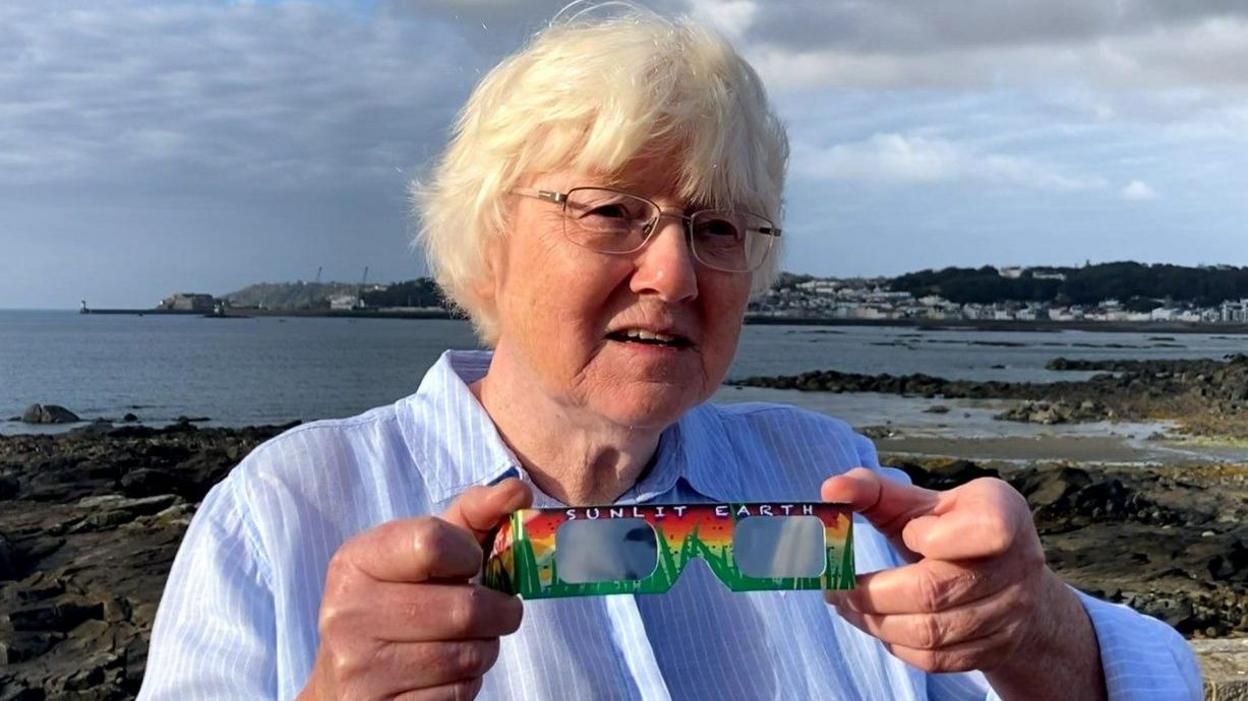
However, Dr. Dean’s most crucial message revolved around safety. She issued a stern warning: "I need to stress that it’s very dangerous – even at that amount of coverage – to stare at the sun. You really do need solar eclipse glasses. Don’t look directly at the sun. Sunglasses will not be adequate." The sun’s powerful ultraviolet and infrared radiation can cause severe and permanent eye damage, including solar retinopathy, which can lead to blind spots or distorted vision. This damage can occur without any immediate pain, making the risk particularly insidious. Even 10% of the sun’s disc is enough to cause irreversible harm.
Approved solar eclipse glasses are specifically designed with special filters that block almost all harmful radiation, allowing for safe viewing. It is imperative that these glasses meet the ISO 12312-2 international safety standard. Ordinary sunglasses, no matter how dark, offer insufficient protection. Similarly, homemade filters, smoked glass, or standard optical devices like binoculars or telescopes without proper solar filters are extremely hazardous. For those unable to acquire certified glasses, indirect viewing methods such as pinhole projectors—simple devices that project an image of the sun onto a surface—offer a safe and effective alternative to witness the eclipse’s progression.
To facilitate safe viewing, Les Bourgs Hospice charity shops in Guernsey are making a limited number of solar eclipse glasses available to the public. Dr. Dean encouraged islanders to obtain these, or other certified glasses, well in advance. She described the viewing experience: "You will see the sun and you will see a few little sun spots, and you will slowly start to see the moon start taking little bites out of the sun as it progresses." Her advice for the event was simple yet profound: "Find somewhere to sit, put them on and just enjoy the event."
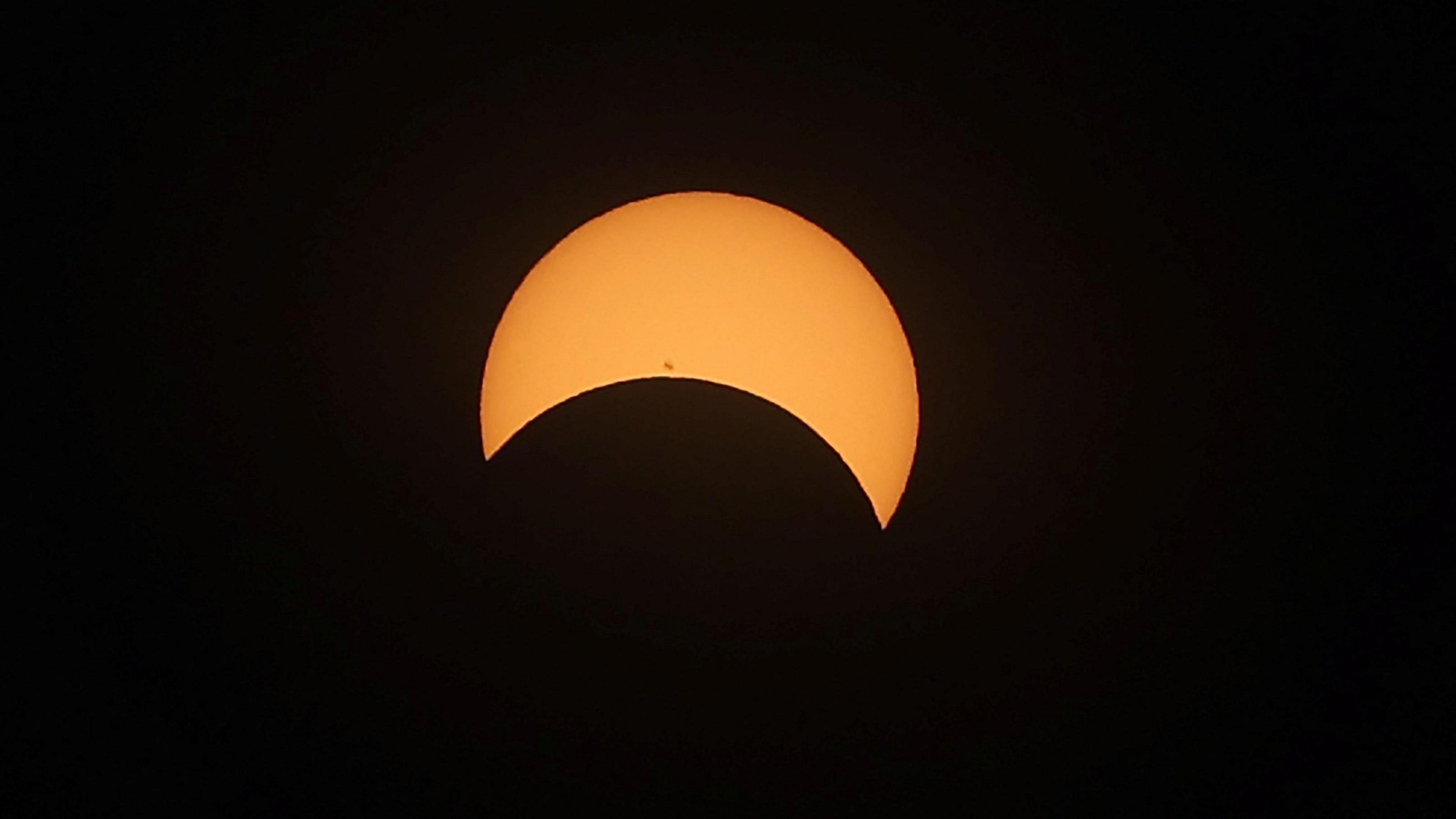
Beyond the Channel Islands, the partial eclipse will be visible across much of the United Kingdom and Ireland, with varying degrees of coverage. While the Channel Islands benefit from a particularly deep partial eclipse, observers further north will still experience a notable obscuration of the sun. This widespread visibility fosters a sense of shared astronomical wonder, uniting communities in observing a rare celestial dance. Astronomical societies and public observatories across these regions are often instrumental in organizing safe viewing events and disseminating crucial safety information, mirroring the efforts of La Société Guernesiaise.
La Société Guernesiaise, established to promote the study of the natural history, history, and archaeology of the Bailiwick of Guernsey, plays a vital role in local scientific education and community engagement. Their astronomy section, with Dr. Jean Dean at its helm, regularly brings astronomical events to the public’s attention, fostering a deeper appreciation for the cosmos. Such organizations are crucial in translating complex scientific phenomena into accessible, engaging experiences for all ages, ensuring that events like this eclipse are not only safely viewed but also understood and remembered.
As 12 August approaches, the anticipation for this extraordinary partial solar eclipse builds. It serves as a powerful reminder of the grandeur of our solar system and the delicate cosmic ballet that constantly unfolds above us. For the Channel Islanders, it is more than just an astronomical event; it is a shared moment, a rare opportunity to connect with the universe, and a memory that, for many, will truly be a once-in-a-lifetime experience. The emphasis on safety remains paramount, ensuring that this spectacular celestial show leaves behind only awe and wonder, not regret.


 atisusanti
 George Anjay
 Nakalama John

 Ramos Leo