
 Nakalama John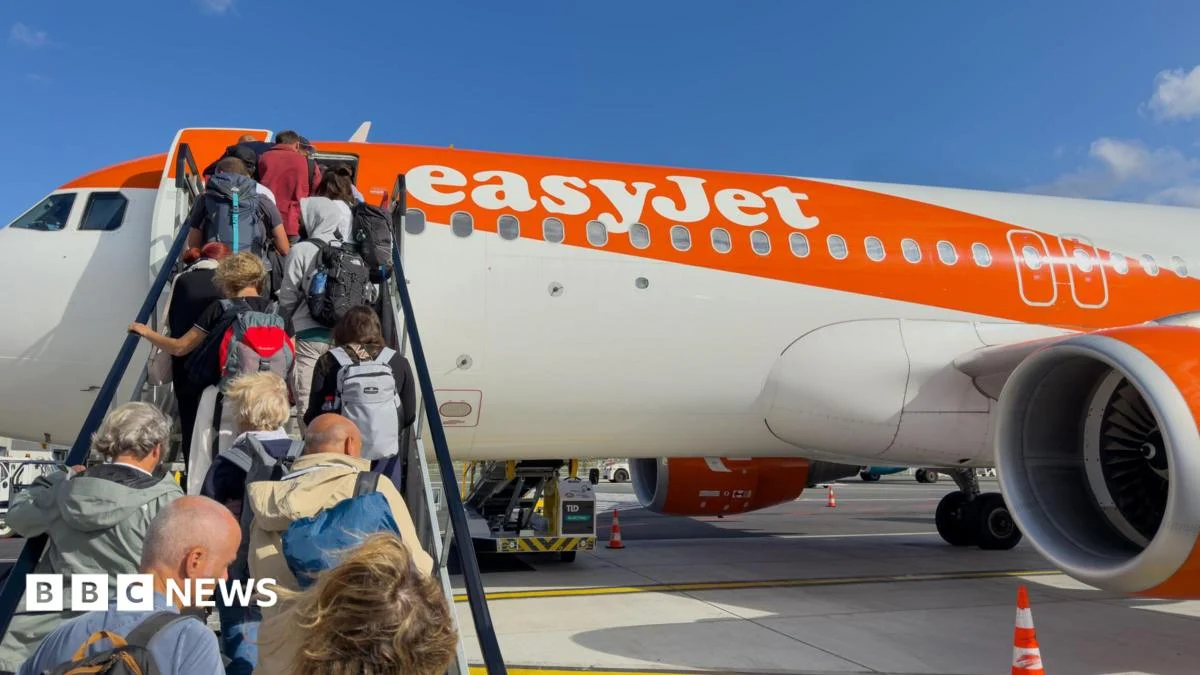
The final offer accepted by EasyJet’s board from Apollo stood at £7.15 per share, a decisive premium that ultimately outmaneuvered Castlelake’s last bid of £6.90 per share. This incremental difference of 25 pence per share translated into hundreds of millions of pounds across the airline’s vast share base, highlighting the fierce competition between the two investment firms for control of one of Europe’s most recognizable airline brands. For shareholders, the successful conclusion of the bidding process with a premium offer provides a clear valuation and potential liquidity, offering a positive outcome following several challenging years for the aviation sector.
EasyJet stands as one of Europe’s largest and most established airlines, a true titan in the low-cost carrier segment. Its operational footprint is vast, encompassing approximately 1,200 routes across 35 European countries. This extensive network connects major cities and popular holiday destinations, serving millions of passengers annually. The airline is a significant employer, with a workforce exceeding 19,000 individuals, spanning pilots, cabin crew, ground staff, engineers, and administrative personnel. This substantial employment base makes the takeover not just a financial transaction but also a matter of considerable public interest regarding job security and operational continuity.
The airline’s origins trace back to 1995 when it was founded by the visionary entrepreneur Sir Stelios Haji-Ioannou. His ambition was revolutionary for its time: to democratize air travel by offering genuinely cheap airfares from the UK to various destinations across Europe. Prior to EasyJet, air travel was often seen as a luxury, or at best, an expensive necessity. Sir Stelios’s disruptive model challenged the traditional full-service carriers, paving the way for a new era of accessible and affordable flights.
EasyJet’s inaugural flights took off in November 1995, connecting London Luton Airport to Glasgow and Edinburgh. These domestic routes quickly proved the viability of the low-cost model within the UK. The following year, the airline expanded its horizons, launching its first international flights, marking the beginning of its transformation into a pan-European carrier. Over the decades, EasyJet has grown exponentially, building a reputation for reliability, a strong brand identity, and a consistent focus on its no-frills value proposition, even as it expanded its fleet and network. Its modern fleet, primarily consisting of Airbus A320 family aircraft, underscores its commitment to operational efficiency and passenger capacity.
Apollo Global Management, the acquiring entity, is a formidable US private equity firm with a diverse portfolio of investments across various industries globally. Known for its strategic approach to value creation, Apollo often seeks out companies with strong market positions that can benefit from significant capital injection, operational streamlining, and accelerated growth strategies. Their interest in EasyJet signals a strong belief in the long-term recovery and growth potential of the European aviation market, especially within the leisure and short-haul segments where EasyJet excels.
In its statement, Apollo expressed profound support for EasyJet’s existing strategic direction, indicating that it does not intend to radically overhaul the airline’s fundamental business model. Instead, the private equity firm highlighted "a significant opportunity to accelerate the operational and commercial ambitions" for the EasyJet Group. This suggests a focus on leveraging EasyJet’s established strengths while injecting capital and expertise to unlock new avenues for expansion, efficiency improvements, and enhanced customer offerings. Potential areas for acceleration could include further digital transformation, optimization of its route network, fleet modernization, expansion into new markets, and diversification of ancillary revenue streams, all aimed at bolstering profitability and market share.
Alex van Hoek, a partner and European private equity lead at Apollo, articulated the firm’s rationale, stating, "EasyJet is a leader in European aviation, having built a differentiated market position through its compelling customer proposition, expansive network and strong brand." This endorsement from a leading private equity figure underscores EasyJet’s strategic value, recognizing its strong brand equity and its ability to attract and retain a loyal customer base despite intense competition. Apollo’s analysis likely identified EasyJet’s resilience through various economic cycles, its operational robustness, and its potential for substantial growth as the travel sector continues its post-pandemic resurgence.
Kenton Jarvis, EasyJet’s chief executive, welcomed the takeover, acknowledging the benefits of the new partnership. He remarked, "We welcome Apollo’s commitment to our business and our people, and believe that its experience in the aviation sector makes it a strong partner for EasyJet." This statement suggests that EasyJet’s leadership sees Apollo not merely as a financial backer but as a strategic partner capable of providing industry-specific insights and resources. The mention of "our people" is crucial, signaling a hope for stability and continued investment in the workforce, which is vital for maintaining the airline’s operational excellence and service standards. The injection of private capital could also shield EasyJet from some of the immediate pressures of public market scrutiny, allowing management to focus on long-term strategic initiatives without quarterly earnings distractions.
The takeover is expected to have far-reaching implications for the European aviation industry. For competitors such as Ryanair and Wizz Air, a privately owned EasyJet backed by Apollo’s substantial resources could become an even more formidable rival, potentially leading to intensified competition on routes and pricing. For passengers, the hope is that Apollo’s investment will translate into continued competitive fares, enhanced service, and potentially new routes or improved operational efficiencies. However, the exact impact on the consumer experience will unfold over time as Apollo implements its strategies.
Such a large-scale acquisition will undoubtedly undergo rigorous regulatory scrutiny from competition authorities in both the UK and the European Union. These bodies will assess whether the takeover creates any anti-competitive environments or undue market concentration, ensuring that the deal serves the broader public interest. Once regulatory approvals are secured and the necessary shareholder votes are passed, the acquisition will proceed, ushering in a new chapter for EasyJet under private ownership. This transition marks a pivotal moment for the airline, potentially setting it on a trajectory of accelerated growth and renewed strategic focus within the dynamic and ever-evolving European travel market. The deal reflects a broader trend of private equity firms viewing established aviation assets as attractive long-term investments, particularly given the sector’s recovery momentum and essential role in global commerce and leisure.




 atisusanti
 Nana Banana
 George Anjay

 Ramos Leo