
 Nana Banana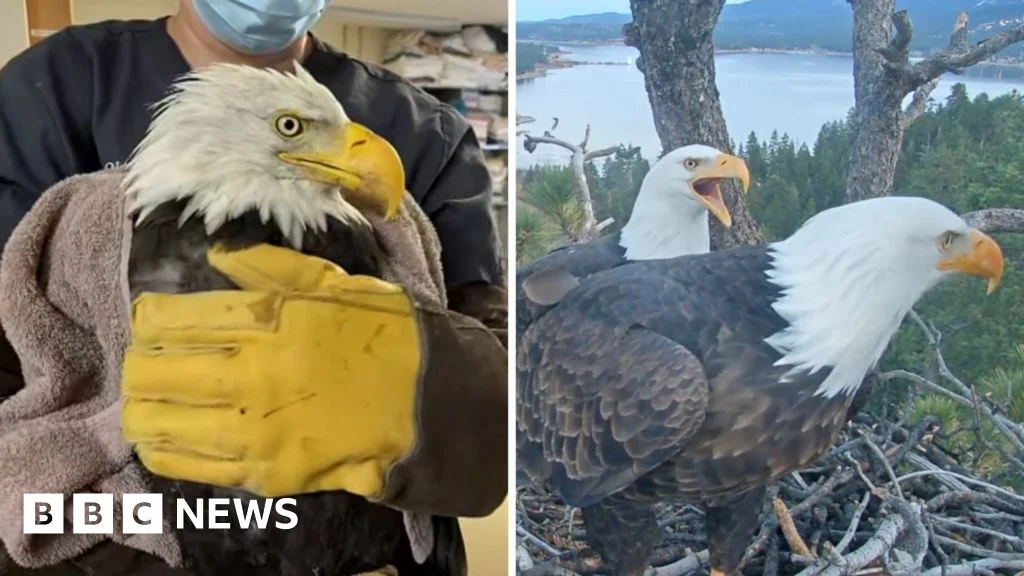
The Big Bear Eagle Nest Cam, positioned high above the picturesque Big Bear Lake in the San Bernardino National Forest, has been a beacon for nature enthusiasts and casual observers alike. Operated by the dedicated volunteers and staff of FoBBV, the camera system provides a 24/7 live stream, showcasing the intricate lives of Jackie and Shadow within their colossal nest. This innovative setup, powered by solar energy and reliant on robust internet infrastructure in a remote wilderness setting, is a testament to the organization’s commitment to education and conservation. FoBBV’s mission extends beyond merely streaming footage; it aims to foster a deeper understanding and appreciation for bald eagles and their fragile ecosystem. Through moderated chat rooms, educational materials, and responsive social media updates, the cam has cultivated a vibrant, engaged community of citizen scientists and passionate advocates. Viewers have watched countless hours, sharing in the triumphs and heartbreaks of eagle life, developing an almost familial bond with Jackie, Shadow, and their previous eaglets, whose individual personalities and journeys were closely followed. This long-standing connection underscores the profound impact of Jackie’s current health crisis, as millions now anxiously await news of her recovery.
Currently, Jackie is under intensive veterinary care at the Ojai Raptor Center (ORC), a renowned facility specializing in the rehabilitation of birds of prey. The ORC, located in Ojai, California, boasts a team of highly skilled veterinarians and wildlife specialists dedicated to rescuing, rehabilitating, and releasing injured and orphaned raptors. Their expertise is crucial in cases as complex and critical as Jackie’s. Anemia, the diagnosis given to Jackie, signifies a significant reduction in her red blood cell count or hemoglobin levels, impairing her blood’s ability to carry sufficient oxygen to her tissues and organs. In birds, severe anemia can lead to lethargy, weakness, pale mucous membranes, and ultimately, organ failure if left untreated. The initial report indicated some signs of improvement in her anemia last week, offering a glimmer of hope to her anxious followers. However, subsequent testing revealed a concerning setback: her packed cell volume (PCV) has dropped to a critical 13%, down from 17%. For a wild eagle, a healthy PCV typically ranges between 35% and 55%. A reading of 13% is profoundly alarming, indicative of severe blood loss or a profound inability to produce red blood cells, placing her in an extremely precarious condition.
The drop in PCV suggests that despite initial treatment, the underlying cause of her anemia remains a significant challenge, or her body is struggling to respond effectively. Veterinarians at ORC are undoubtedly working tirelessly to identify the root cause, which could range from internal parasites, chronic infections, exposure to toxins (such as lead poisoning, a common issue for raptors), nutritional deficiencies, or even an underlying autoimmune disorder or cancer. Diagnostic procedures would likely include comprehensive blood work, fecal analyses, imaging (X-rays, ultrasound), and possibly endoscopy, all aimed at pinpointing the precise etiology to tailor the most effective treatment plan. Treatment for severe anemia in raptors can involve supportive care such as fluid therapy, nutritional supplementation, and potentially blood transfusions from suitable donors if available. Administering such complex medical interventions to a wild, powerful bird like an eagle requires immense skill, patience, and a deep understanding of avian physiology and behavior, ensuring minimal stress while maximizing therapeutic benefit. The team at ORC faces the dual challenge of saving Jackie’s life while also preparing her, if she recovers, for a potential return to the wild, a demanding process that requires careful conditioning and assessment.
The news of Jackie’s critical condition has sent ripples through the vast online community that has formed around the Big Bear Eagle Nest Cam. Social media platforms, particularly Facebook groups dedicated to the cam, are overflowing with messages of support, prayers, and heartfelt concern. Viewers share anecdotes of their favorite Jackie moments, photos of her and Shadow, and express their profound emotional investment in her well-being. This collective outpouring of empathy underscores the unique bond forged between humans and wildlife through the medium of live streaming. Many have expressed a desire to contribute financially to her care, prompting FoBBV and ORC to share information on how the public can support their vital work, highlighting the significant costs associated with specialized raptor rehabilitation. The Friends of Big Bear Valley has been diligent in providing updates, navigating the delicate balance between transparency and the privacy of medical procedures, understanding the deep emotional stake their audience has in Jackie’s fate.
While Jackie fights for her life at ORC, her partner, Shadow, remains at the Big Bear nest, a solitary figure on the cam. The bond between mating bald eagles is strong, often lasting for life, and Shadow’s behavior without Jackie is undoubtedly affected. Though the article does not specify the current nesting season status, the absence of his mate would be a significant disruption to their established routine and partnership. Male eagles play a crucial role in foraging, territorial defense, and, during nesting season, incubation and chick rearing. Shadow’s resilience and ability to continue alone, if necessary, would be a testament to the species’ inherent toughness, yet his solitude serves as a poignant reminder of Jackie’s absence. The hope remains that if Jackie recovers, she will be able to rejoin Shadow and their territory, continuing their legacy that has inspired so many.
Jackie’s story, from her rise to global fame on a live cam to her current fight for survival, serves as a powerful reminder of the delicate balance of nature and the ongoing challenges faced by even apex predators like bald eagles. Once on the brink of extinction due to widespread pesticide use (primarily DDT), habitat destruction, and hunting, bald eagles have made a remarkable comeback in North America, a conservation success story often attributed to the banning of DDT, habitat protection, and the tireless efforts of conservationists. However, threats persist, including lead poisoning from ammunition fragments in carrion, collisions with power lines and wind turbines, habitat encroachment, and diseases like West Nile Virus. Jackie’s struggle with anemia, whose ultimate cause is still under investigation, highlights that even in protected areas, individual animals can face severe health crises that require intensive human intervention.
The enduring popularity of the Big Bear Eagle Nest Cam and the profound emotional response to Jackie’s condition underscore the critical role that accessible wildlife viewing plays in fostering conservation ethics. By bringing nature directly into homes, these cams transform abstract concepts of wildlife protection into tangible, personal connections. Viewers learn about eagle behavior, ecology, and the environmental factors that impact their survival, motivating them to support conservation initiatives. Jackie, through her captivating life on camera and now her poignant struggle for survival, has become more than just an eagle; she is a symbol of wild beauty, resilience, and the enduring power of connection between species. As the world watches and waits, the hope for Jackie’s recovery remains strong, a testament to the profound impact one eagle can have on millions of hearts and minds, reinforcing the vital importance of every individual life in the grand tapestry of our planet’s biodiversity. The next updates from the Ojai Raptor Center are eagerly anticipated, as the global community holds its breath for positive news regarding the beloved Big Bear matriarch.


 atisusanti
 George Anjay
 Nakalama John

 Ramos Leo