
 Nana Banana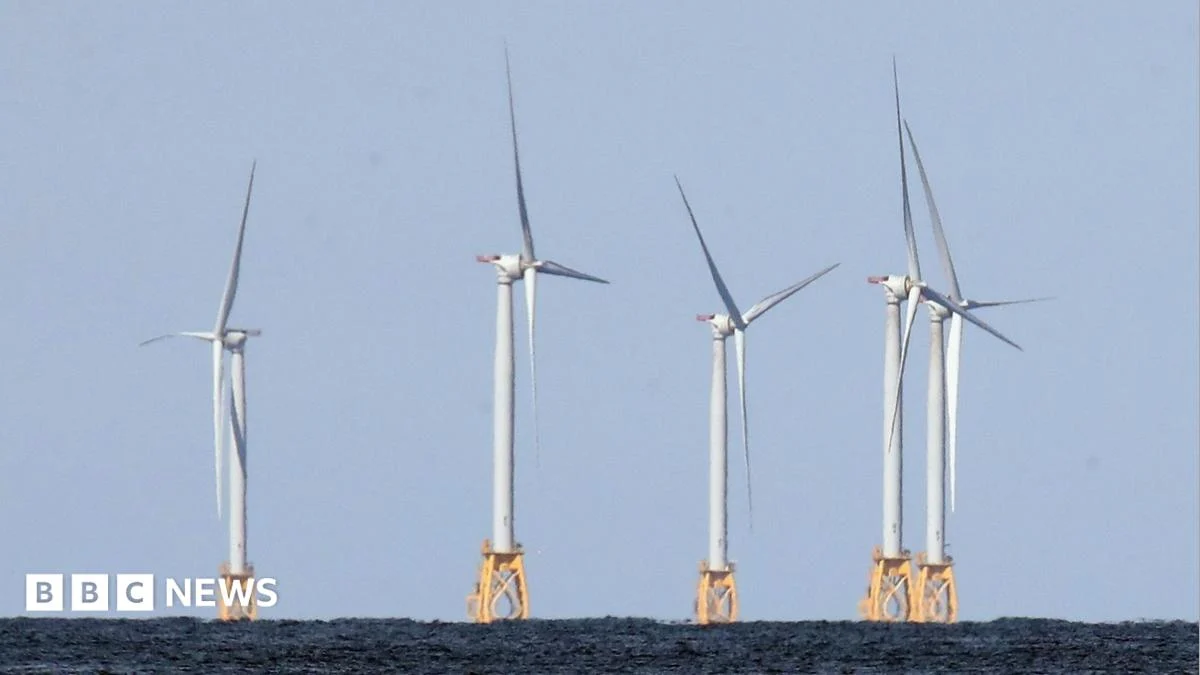
Despite the cessation of its offshore wind ambitions, RWE has concurrently affirmed a colossal investment plan for the US market. The German firm intends to inject approximately €17 billion (£14.5 billion; $19.6 billion) into the US over the next six years, with the stated goal of "growing its generation capacity." While the specifics of this new generation capacity are not fully detailed in the context of the offshore wind halt, industry analysts anticipate a strategic redirection towards onshore renewable projects, such as solar and potentially battery storage, or even a foray into natural gas infrastructure, aligning more closely with the administration’s declared preferences. This dual approach—accepting payment to exit one sector while simultaneously pledging vast sums to expand in others—highlights the complex interplay between corporate strategy, government incentives, and evolving energy policies.
Interior Secretary Doug Burgum, a key figure in shaping the administration’s energy agenda, articulated the rationale behind these policy shifts in a statement posted on X. Burgum emphasized the administration’s belief that "Americans deserve an energy system built on common sense and not one dependent on ‘costly subsidies’." This statement underscores a core tenet of the current administration’s energy philosophy: a skepticism towards government financial support for renewable energy projects, which it often characterizes as economically inefficient or artificially propped up. Critics of this stance argue that fossil fuel industries have historically benefited from substantial direct and indirect subsidies, and that renewable energy requires initial investment to scale and achieve cost parity.
Secretary Burgum further lauded the agreement, stating, "We welcome RWE’s agreement and voluntary investment in projects that strengthen our nation’s energy security." The concept of "energy security" under this administration is largely defined by domestic production of oil and natural gas, aiming to reduce reliance on foreign energy sources and to stabilize energy markets through abundant supply. By prioritizing fossil fuels, the administration asserts it is enhancing national security, a perspective that often overlooks the long-term geopolitical risks associated with climate change and the volatility of global oil markets. The RWE deal, therefore, is framed not as a setback for clean energy, but as a strategic alignment towards what the administration perceives as a more robust and self-sufficient energy future.
This deal with RWE represents the latest in a series of similar agreements orchestrated by the current administration throughout the year, marking a consistent and forceful push to dismantle offshore wind projects across the United States. President Trump, a staunch and vocal proponent of the fossil fuel industry, has made the curtailment of renewable energy, particularly wind power, a central tenet of his domestic policy. His commitment to this agenda was famously encapsulated during his presidential campaign by the slogan "drill, baby, drill," a clear signal of his intention to maximize domestic oil and gas extraction.
Upon his return to office, President Trump wasted no time in reiterating his disdain for wind energy, famously declaring, "we’re not going to do the wind thing." He has frequently disparaged wind turbines, labeling them "big, ugly windmills" that mar landscapes and pose significant dangers to wildlife. These criticisms often cite visual blight, noise pollution, and the alleged threat to migratory birds and marine life as reasons to halt their development. While environmental impact assessments for wind farms are standard practice and mitigation measures are often implemented, the administration has amplified these concerns to justify its policy decisions, often overlooking the far more extensive environmental damage associated with fossil fuel extraction and combustion.
The RWE agreement follows closely on the heels of other high-profile deals. In March 2026, the Department of the Interior (DoI) finalized a significant agreement with the French energy giant TotalEnergies. This accord effectively terminated TotalEnergies’ offshore wind projects in the US, rerouting their considerable investment. Instead of building wind farms, TotalEnergies committed to constructing a substantial Liquefied Natural Gas (LNG) plant in Texas, a move that bolsters US natural gas export capacity. Furthermore, the French firm agreed to expand its development of "upstream conventional oil" in the Gulf of Mexico. This pivot underscores the administration’s dual strategy: actively discouraging offshore wind while simultaneously incentivizing the expansion of both natural gas infrastructure and conventional oil extraction. The LNG plant in Texas, in particular, serves a strategic purpose beyond domestic consumption, positioning the US as a major global exporter of natural gas, with significant geopolitical implications for energy markets in Europe and Asia.
Just a month prior to the RWE announcement, the administration secured another monumental agreement with Charlotte-based Duke Energy. This deal, valued at an astonishing $129 billion (£96 billion), resulted in the termination of Duke Energy’s offshore wind lease in the Carolina Long Bay area. The sheer scale of this agreement, dwarfing the payment to RWE, suggests a multifaceted arrangement, possibly encompassing compensation for lost potential revenue, investments redirected into other energy sectors (perhaps onshore fossil fuels or grid infrastructure), or a combination of various incentives to align the utility’s future plans with the administration’s vision. The termination of such a significant lease signals a clear and uncompromising message to the energy sector about the federal government’s firm stance against offshore wind development. The collective impact of these deals—with TotalEnergies, Duke Energy, and now RWE—illustrates a concerted and well-funded effort to systematically dismantle the nascent offshore wind industry in the United States.
This aggressive shift has profound implications for the US renewable energy landscape, particularly for the offshore wind sector, which had previously been identified as a key component of the nation’s clean energy transition. The abrupt cessation of these projects not only halts the development of new clean energy capacity but also creates significant uncertainty for companies that had invested heavily in planning, permitting, and supply chain development for offshore wind. The financial incentives offered by the government, while substantial, may not fully compensate for the long-term strategic shifts and lost opportunities for firms that had committed to a renewable future in the US.
Environmental organizations and proponents of climate action have vociferously condemned these policies. They argue that halting offshore wind projects directly undermines efforts to combat climate change, increases reliance on fossil fuels that contribute to greenhouse gas emissions, and jeopardizes the US’s ability to meet its international climate commitments. The redirection of investment from renewable energy to fossil fuel infrastructure is seen by these groups as a regressive step that prioritizes short-term economic gains and political expediency over long-term environmental sustainability and public health.
The administration, however, consistently frames these actions as beneficial for the American economy, for energy independence, and for consumer costs, often asserting that renewable energy drives up electricity prices due to its intermittent nature and the need for backup conventional generation. This perspective often downplays the rapidly declining costs of renewable technologies and the increasing efficiency of battery storage solutions.
The long-term economic consequences of these decisions remain a subject of intense debate. While the fossil fuel industry may experience a short-term boom, critics warn of missed opportunities in the rapidly expanding global renewable energy market, potential job losses in the burgeoning clean energy sector, and a diminished competitive edge for the US in green technologies. Furthermore, the substantial sums paid out to these companies for project termination raise questions about the efficient allocation of taxpayer money, particularly when these funds could have been directed towards accelerating the clean energy transition rather than impeding it.
In essence, the $1.2 billion deal with RWE is more than just a financial transaction; it is a powerful political statement and a critical turning point in the US energy narrative. It solidifies the administration’s commitment to a fossil-fuel-first approach, actively dismantling previous efforts to transition towards renewable sources. As the nation grapples with the imperatives of climate change and the demands of energy security, these decisions will undoubtedly shape the US energy landscape for decades to come, with far-reaching economic, environmental, and geopolitical repercussions.



 atisusanti
 George Anjay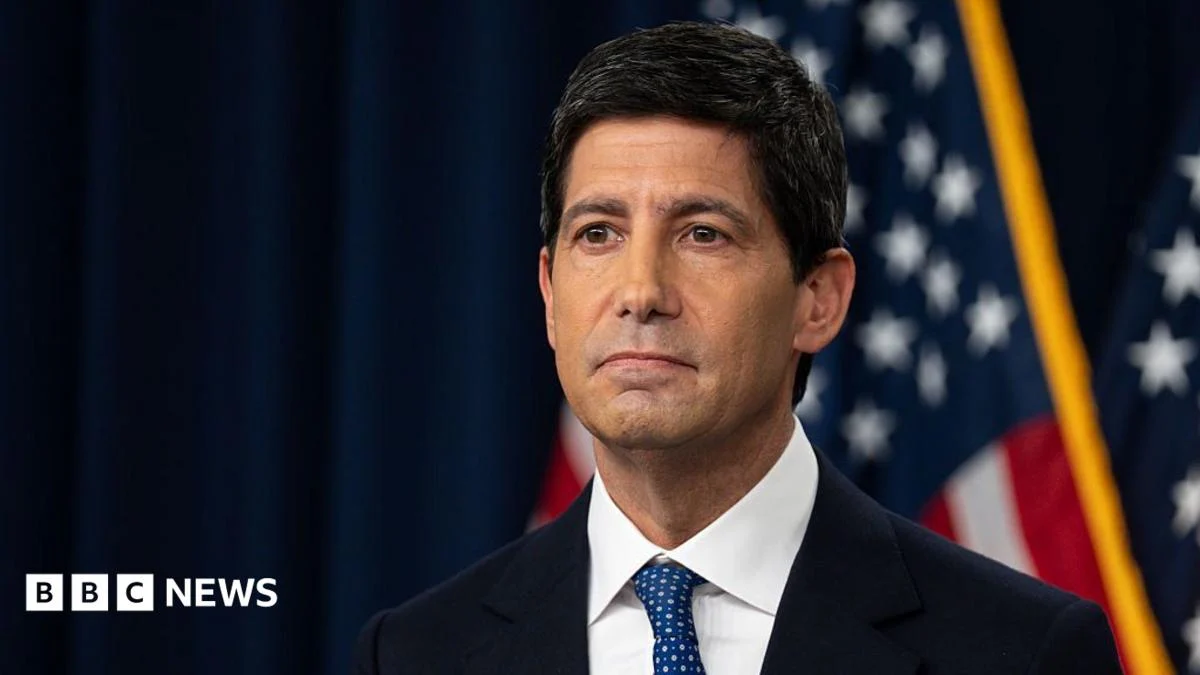
 Nakalama John

 Ramos Leo