
 Nana Banana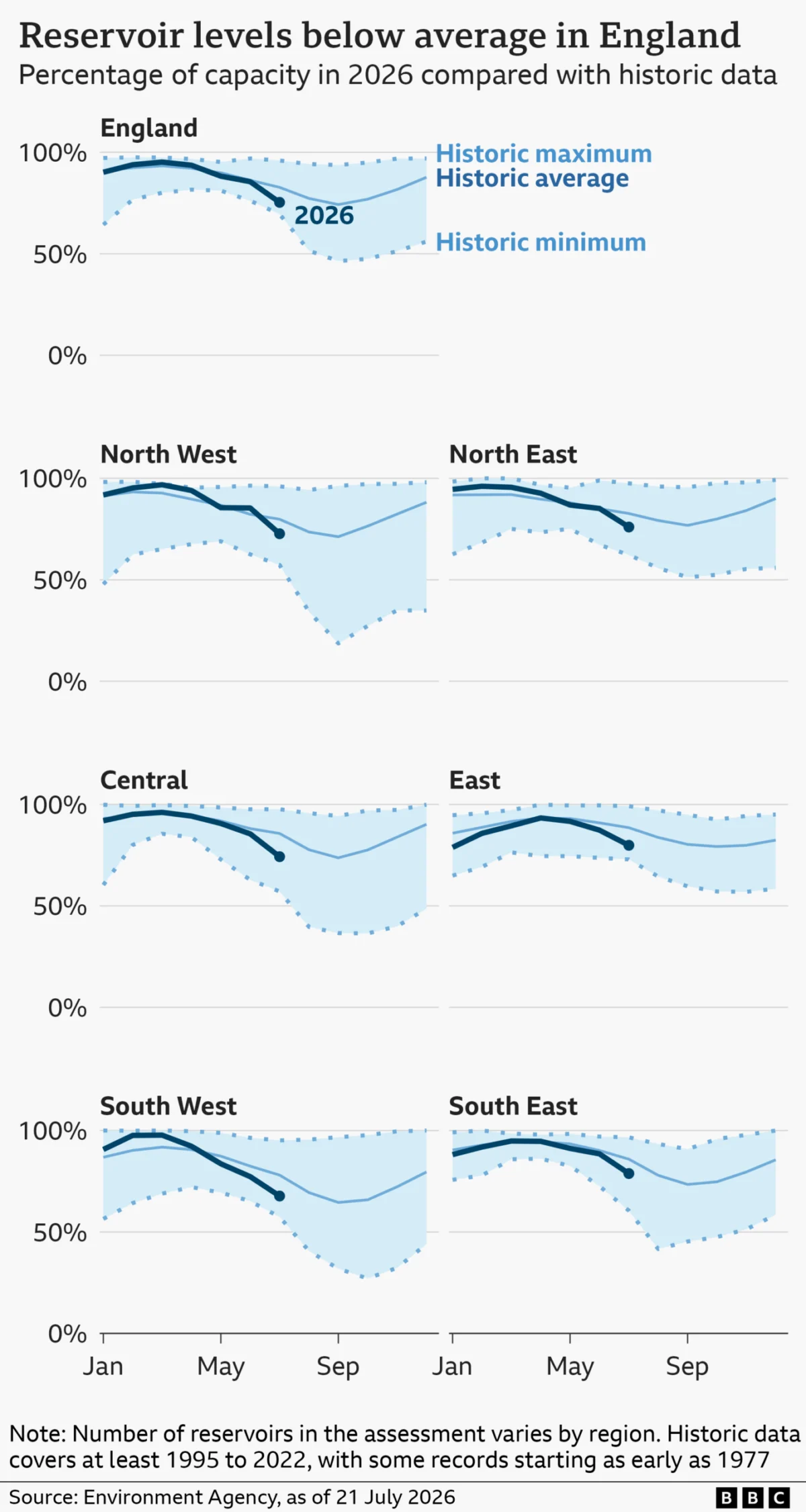
Understanding what constitutes a drought is crucial, though there is no single, universally agreed-upon definition. Generally, a drought is characterized by an extended period of abnormally low rainfall, which leads to a deficit in water availability. As the ground becomes increasingly parched, vegetation and agricultural crops begin to suffer, wilting and failing to thrive. If these dry conditions persist over an even longer duration, the water levels in rivers, reservoirs, and crucial underground aquifers can drop precipitously, placing severe pressure on the public water supply system. Environmental agencies and regulatory bodies in each of the UK nations are responsible for assessing the prevailing water resources, in conjunction with short- and long-term weather forecasts, to determine whether a drought or a state of water scarcity should be officially declared. Both of these conditions can, and often do, trigger the implementation of hosepipe bans and other water-use restrictions if they are not already in place. While drought is primarily a result of prolonged meteorological dry spells, water scarcity arises when the demand for water from households, industry, and agriculture outstrips the available supply. This summer, with temperatures frequently soaring above 30°C, many restrictions have been introduced not just due to the lack of rainfall, but also to manage the unprecedented peak in water consumption. Paradoxically, the preceding winter months were notably wetter than usual, a fact that has sparked considerable debate and raised pertinent questions about the effectiveness of current water resource management strategies and the nation’s preparedness for the increasingly drier summers anticipated as a direct consequence of climate change.
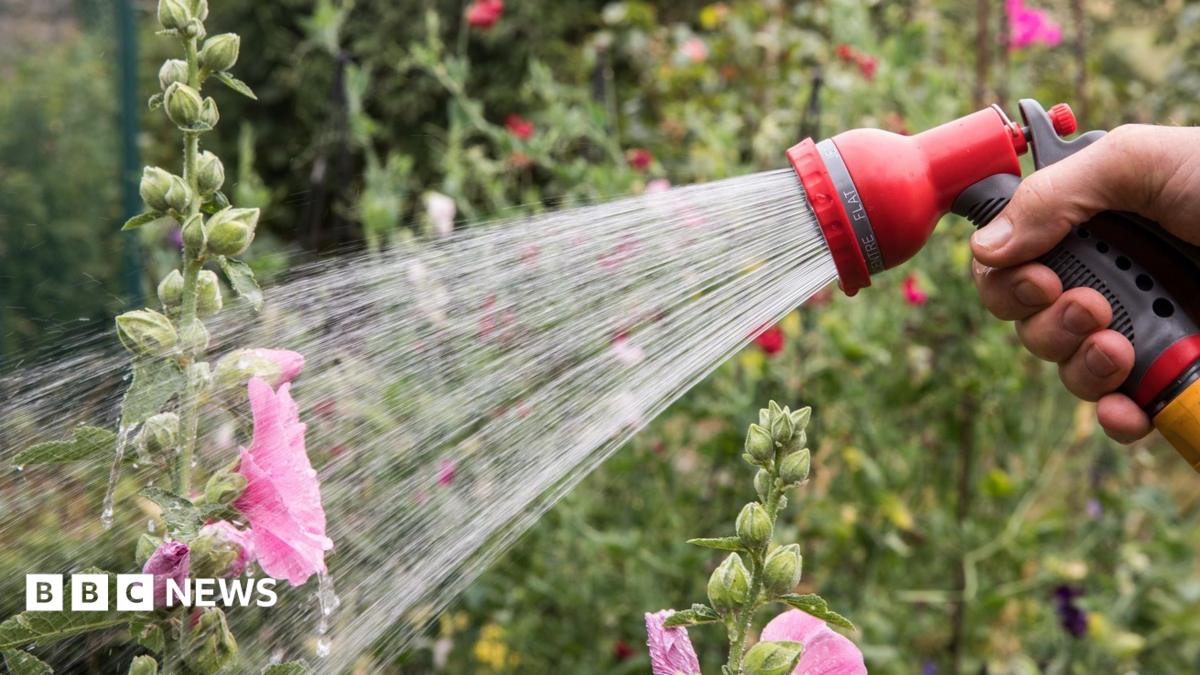
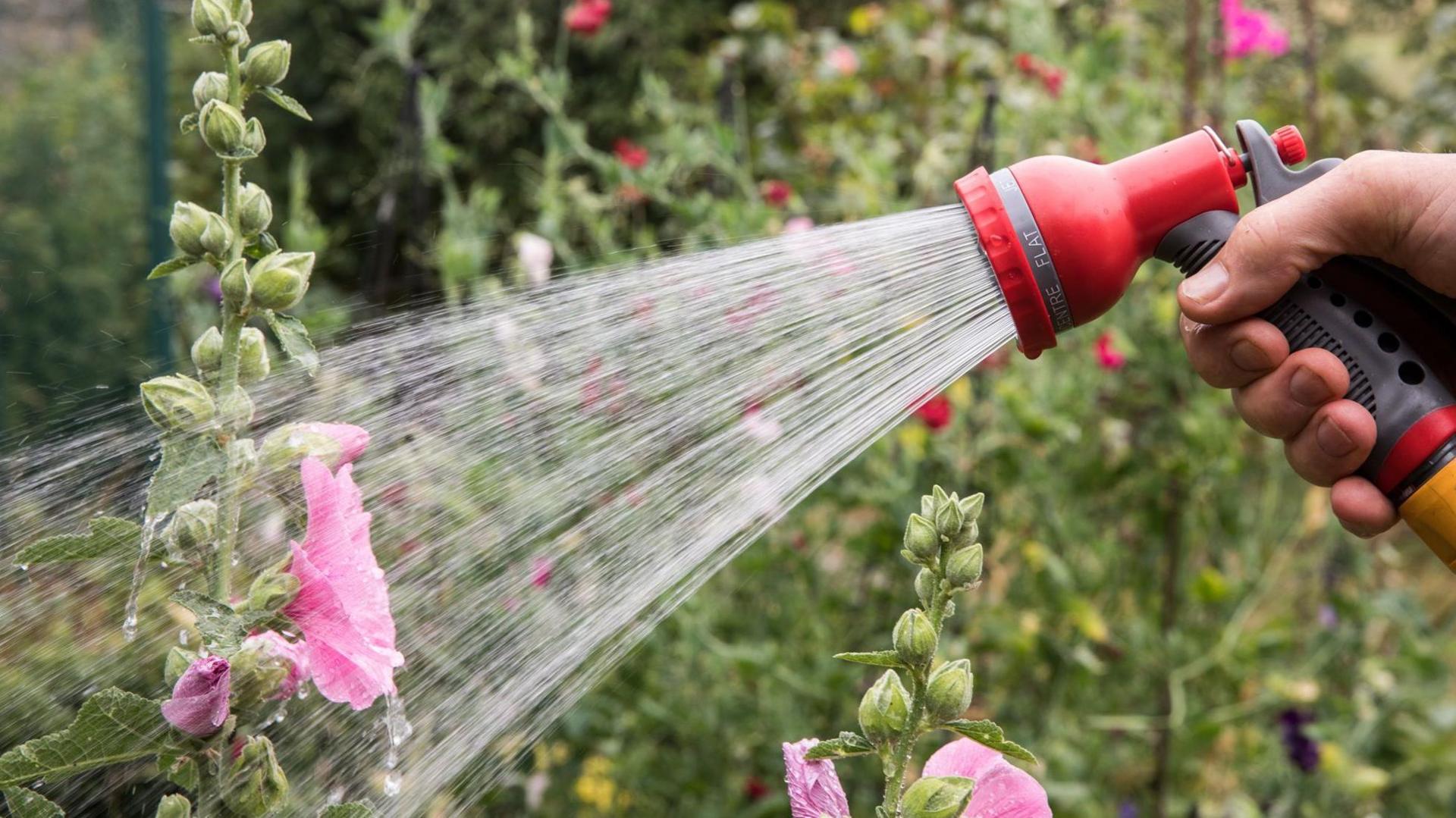
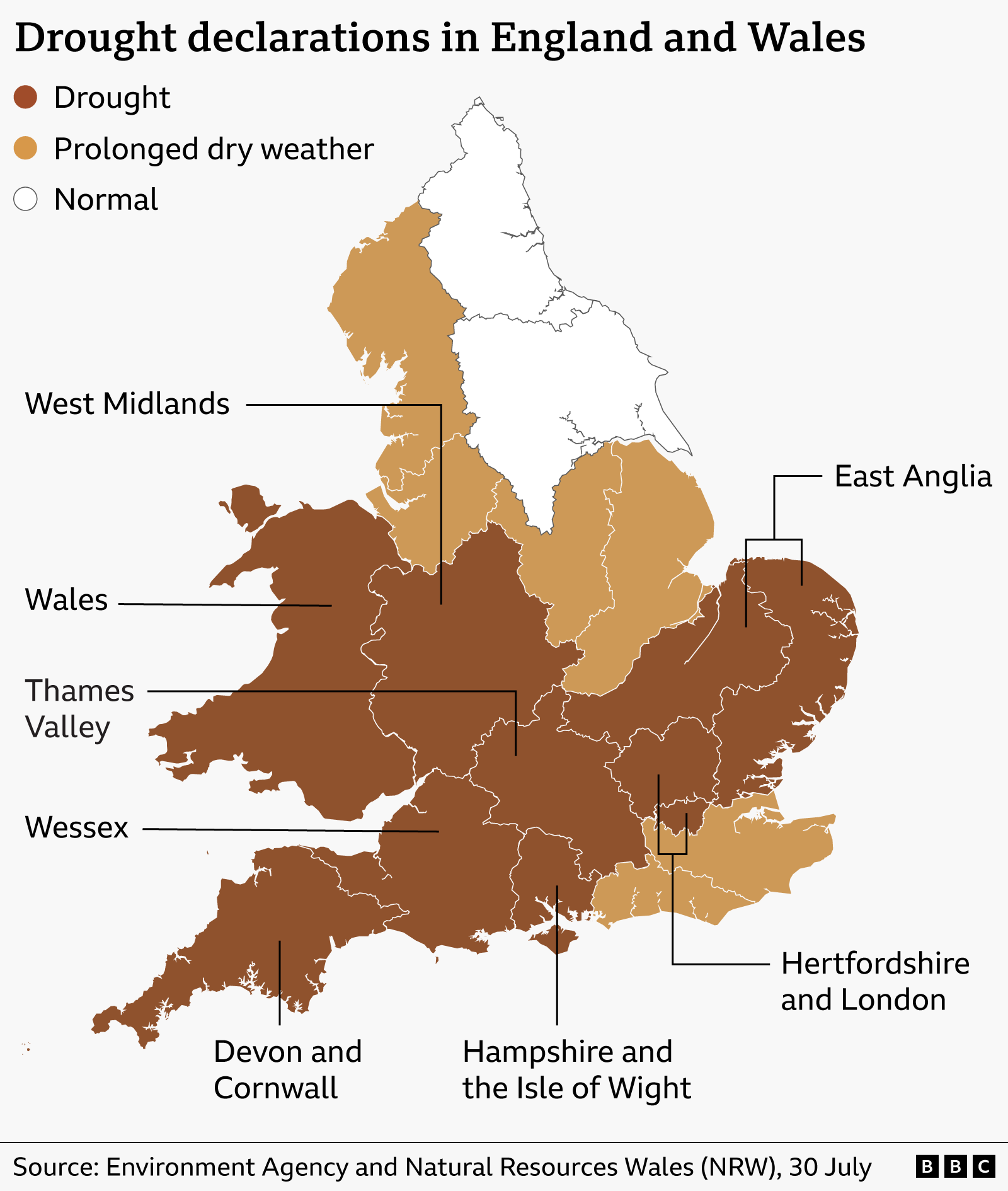
Currently, nine major UK water companies have announced and implemented hosepipe bans, impacting a significant portion of the population. These bans prohibit the use of hosepipes for a range of activities, including watering gardens, washing private vehicles and exterior windows, and filling domestic swimming or paddling pools. Eight of these companies operate across central, southern, and eastern parts of England, with the ninth located in Wales. According to the Environment Agency (EA), the official body responsible for environmental protection in England, over half of the country is now classified as being in drought. Specific English regions declared to be in drought include East Anglia, Hertfordshire and the entirety of London, the Thames Valley, Hampshire and the Isle of Wight, Devon and Cornwall, the West Midlands, and Wessex (encompassing Dorset, Somerset, Wiltshire, and South Gloucestershire). Other areas across the rest of south-east England, central England, and north-west England are currently experiencing "prolonged dry weather," which is the category immediately preceding a full drought declaration. Only the far north-eastern regions of England currently remain under normal water conditions. Beyond England, the situation is equally critical, with Natural Resources Wales declaring the entire nation of Wales to be in drought. This decision was made after sustained high temperatures and low rainfall led to a marked deterioration in the condition of the natural environment across the country. In contrast, Northern Ireland has not yet declared any official droughts, though monitoring continues. Scotland, which uses a "water scarcity" monitoring system rather than drought declarations, has seen several areas in its eastern parts reach the most extreme category of "significant scarcity," indicating severe pressure on water resources there too.
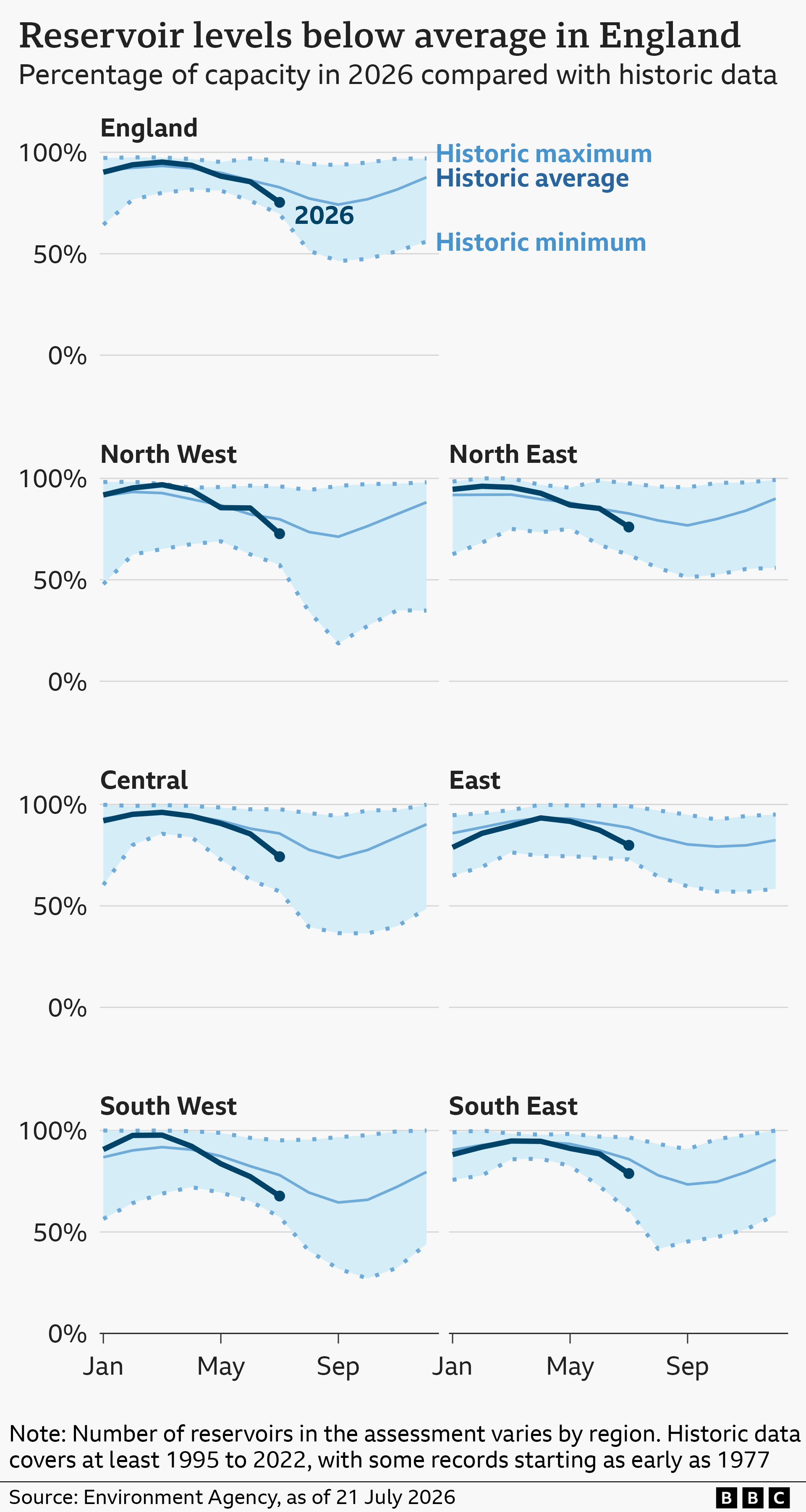
The nation’s water supply relies predominantly on three main sources: rivers, reservoirs, and groundwater. Each of these sources is currently showing signs of severe stress. Almost all river flows across England are presently categorized as "below normal" by the Environment Agency, with many experiencing significantly reduced levels. This has profound implications for aquatic wildlife, river ecosystems, and the wider natural environment. Steve Turner, a hydrologist at the UK Centre for Ecology & Hydrology (UKCEH), warned that "without significant rainfall, we could see increasing impacts on wildlife, agriculture, and water resources as the summer progresses," highlighting the cascading effects of dwindling river levels. England’s reservoirs, crucial storage facilities for drinking water, are currently operating at levels significantly below the average for this time of year. While they are marginally better than some historical drought years, their current capacity, at approximately 75% across England, is well below the average of 83% typically expected for late summer. Reservoir levels generally peak in the early months of the year due to winter rainfall and gradually decline towards early autumn (September and October). Wales’ reservoirs are also experiencing declines, though Welsh Water has stated that its overall water resource position remains "relatively strong" compared to some English counterparts, due to strategic planning and a generally wetter climate. In Northern Ireland and Scotland, reservoir levels are reported to be closer to their seasonal averages, according to the latest available data, though eastern Scotland faces significant scarcity issues.
South-east England, in particular, relies more heavily on groundwater than on surface reservoirs. Groundwater, which originates as rainfall, is naturally stored deep beneath the earth’s surface within the porous spaces and fractures of various rock formations. In June, groundwater levels across most regions were generally at or just below normal, having been sufficiently topped up by the preceding winter rainfall but subsequently depleted by a drier spring. However, the movement of water through different rock types varies greatly; in some geological formations, water can flow extremely slowly, sometimes taking years to fully respond to current weather conditions. Professor Alan MacDonald of the British Geological Survey explains that these deep groundwater stores "respond more slowly to changes in the climate than rivers, which is why they provide a useful buffer during periods of drought." This inherent characteristic means that groundwater droughts, particularly in the south of England, typically take a longer time to develop but can also be significantly longer-lasting and more challenging to recover from once they do occur.
The question of whether climate change is to blame for the current crisis is complex, as droughts are multifaceted phenomena driven by a combination of natural weather patterns and human influences. The Met Office, the UK’s national weather service, projects that the UK will, on average, experience drier summers in the future as global temperatures continue to rise, although a clear, consistent trend for drier summers has not yet been definitively established. However, rising temperatures undoubtedly play a more direct and immediate role by accelerating the rate at which moisture is drawn from the soil through evaporation, intensifying the dryness. Richard Allan, a professor of climate science at the University of Reading, elaborates: "A warmer atmosphere is thirstier for moisture and this can mean water in the soil, rivers and reservoirs are depleted more effectively, leading to more rapidly onsetting droughts, heatwaves and wildfires." This highlights how climate change acts as a powerful exacerbating factor, making existing dry conditions much worse, much faster.
Beyond natural factors, human management of water resources is a critical element. A landmark review into the water sector of England and Wales has previously criticised water companies for a historic lack of investment in essential water infrastructure, including antiquated pipe networks prone to leaks and insufficient reservoir capacity. This underinvestment has left the system vulnerable to periods of high demand and low rainfall. In response to these growing concerns and as part of long-term plans to address anticipated water shortages, the government and water companies in England are now planning for the construction of nine new reservoirs by 2050, in addition to one already underway at Havant Thicket in Hampshire. However, the Environment Agency has issued strong warnings that such large-scale infrastructure projects alone may not be enough. They emphasize that more immediate and comprehensive measures to tackle pervasive water leaks and to proactively control consumer water demand – potentially through expanded hosepipe bans, mandatory smart meters, and public awareness campaigns – may also be critically needed across England. Water companies in Scotland, Wales, and Northern Ireland, many of which operate as public bodies or non-profit entities, have also affirmed that they are actively taking steps to secure future water supplies, investing in resilience and demand management strategies.
The current situation therefore underscores a dual challenge: adapting to the realities of a changing climate that promises more frequent and intense dry spells, and simultaneously improving the resilience and efficiency of the nation’s water infrastructure. The hosepipe bans are a visible symptom of a deeper, systemic issue, prompting a wider conversation about sustainable water use and long-term planning.
We want to hear from you. Tell us how you’re affected by the hosepipe ban and the ongoing drought conditions. Your experiences can help shed light on the local impacts of this national crisis.
For further insights into environmental challenges and solutions, subscribe to our Future Earth newsletter to receive the world’s biggest climate news directly in your inbox every week.


 atisusanti
 George Anjay
 Nakalama John

 Ramos Leo