
 Nana Banana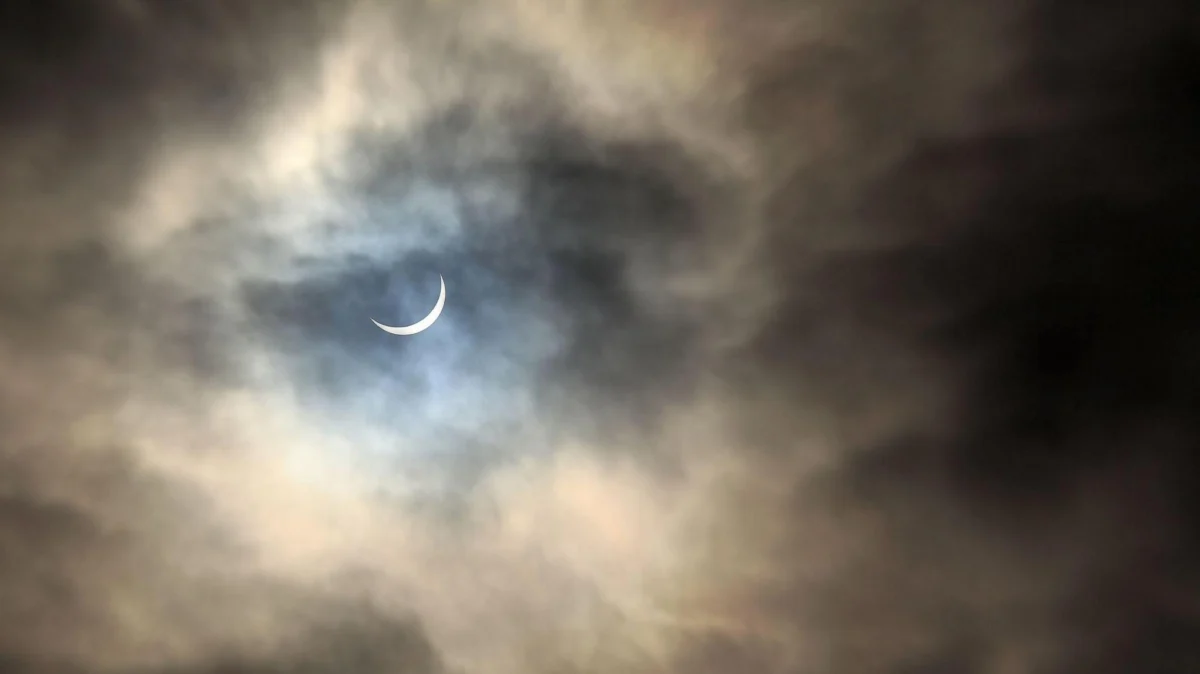
Yorkshire residents and sky-gazers across the UK are gearing up for a celestial spectacle on 12 August, offering the most dramatic solar eclipse experience the region has witnessed in nearly three decades. This eagerly anticipated event will see the moon majestically pass between the sun and Earth, obscuring up to 95% of the sun’s fiery disk. The partial eclipse is set to unfold between 18:00 and 20:15 BST, marking a significant astronomical occurrence not seen with such extensive coverage since the total solar eclipse of 1999. While minor solar eclipses will occur in subsequent years, including a smaller one next August, the next opportunity to witness a total solar eclipse over the UK will not arrive until 23 September 2090, making this upcoming event a truly unmissable occasion. Provided the weather cooperates, astronomers predict a "very, very special" display, prompting essential guidance on how and where to safely observe this rare natural phenomenon.
What will the eclipse look like in Yorkshire?
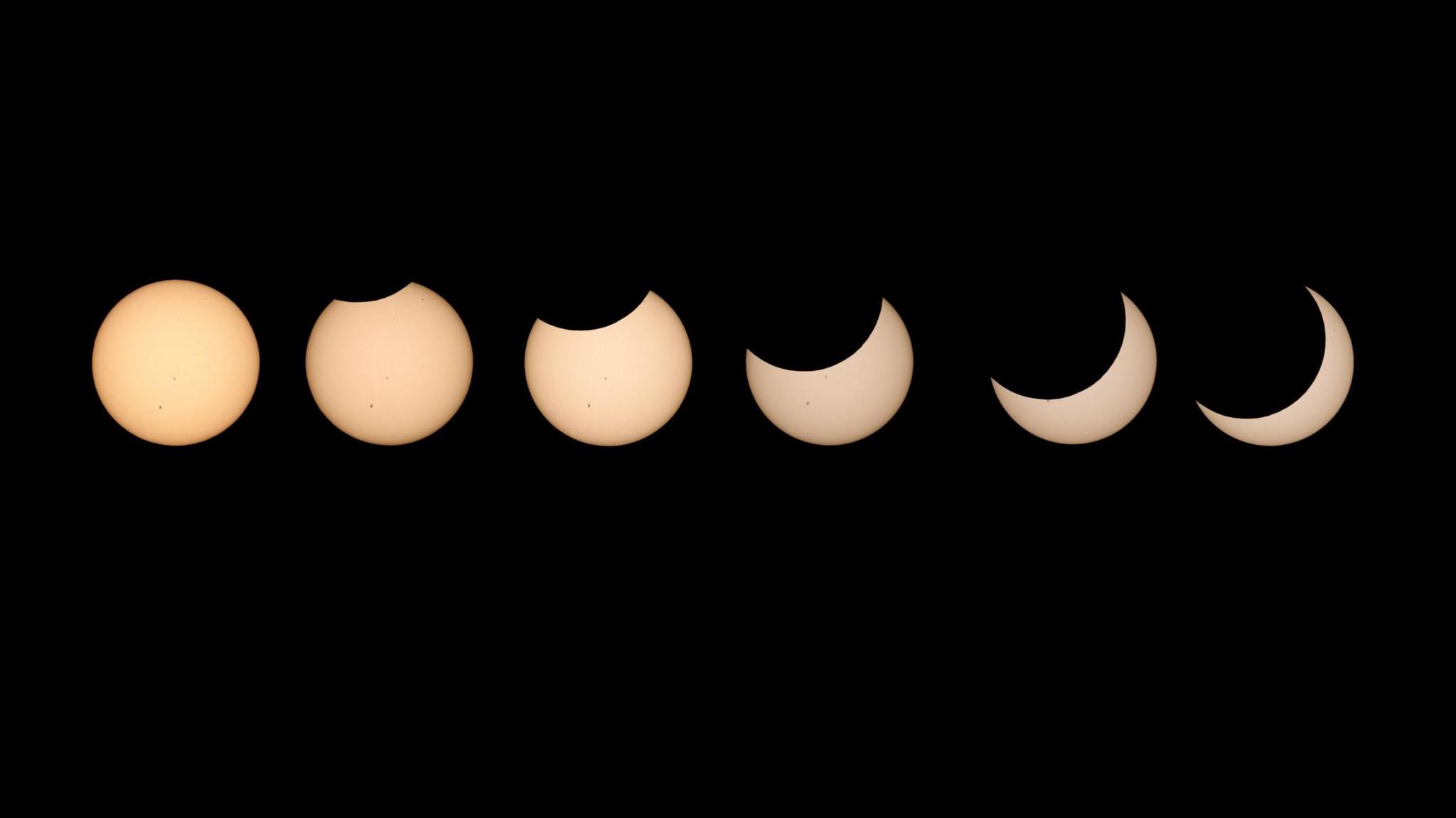
The upcoming partial solar eclipse is more than just a fleeting moment; it’s a profound demonstration of our solar system’s mechanics in action. Neil Sanders, an astronomer with Go Stargazing and co-founder of UK Eclipse, underscores the significance of this event, noting that while eclipses themselves are not exceptionally rare, occurring almost yearly somewhere on Earth, the extent of coverage over the UK makes this one particularly noteworthy. For Yorkshire and the North-East, the sun will be approximately 92% obscured by the moon.
This level of obscuration will transform the daytime sky in a remarkable way. Instead of the sun appearing as a bright disk, it will be reduced to a slender, brilliant crescent. The ambient light will noticeably dim, creating an eerie, twilight-like atmosphere even though it’s still daylight. Shadows cast by objects may appear sharper and more defined, and you might even notice peculiar crescent-shaped shadows under trees, formed by the tiny gaps between leaves acting as natural pinhole projectors. The temperature could also drop slightly, and some animals might exhibit unusual behaviour, such as birds returning to roost, sensing the premature onset of dusk.
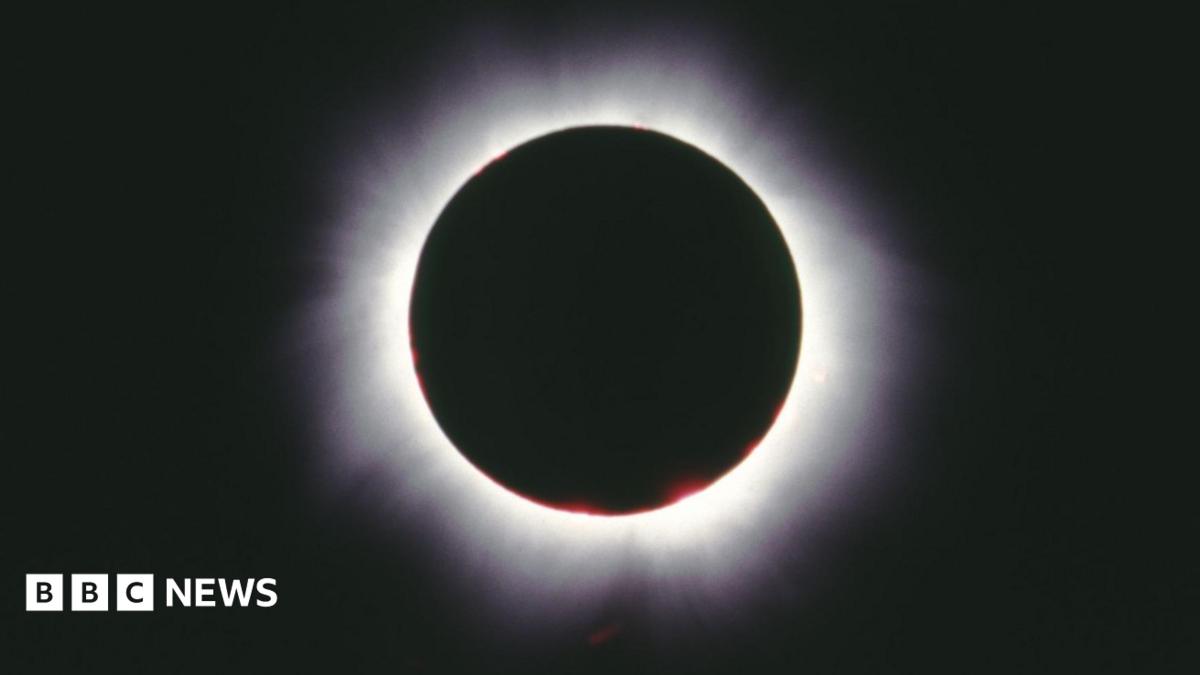
Sanders highlights the profound experience of "seeing the solar system in action" when viewing with appropriate eye protection. It allows observers to directly perceive the moon’s orbital journey around Earth, a constant celestial dance usually imperceptible to the naked eye. This tangible evidence of cosmic motion is what makes observing an eclipse so captivating.
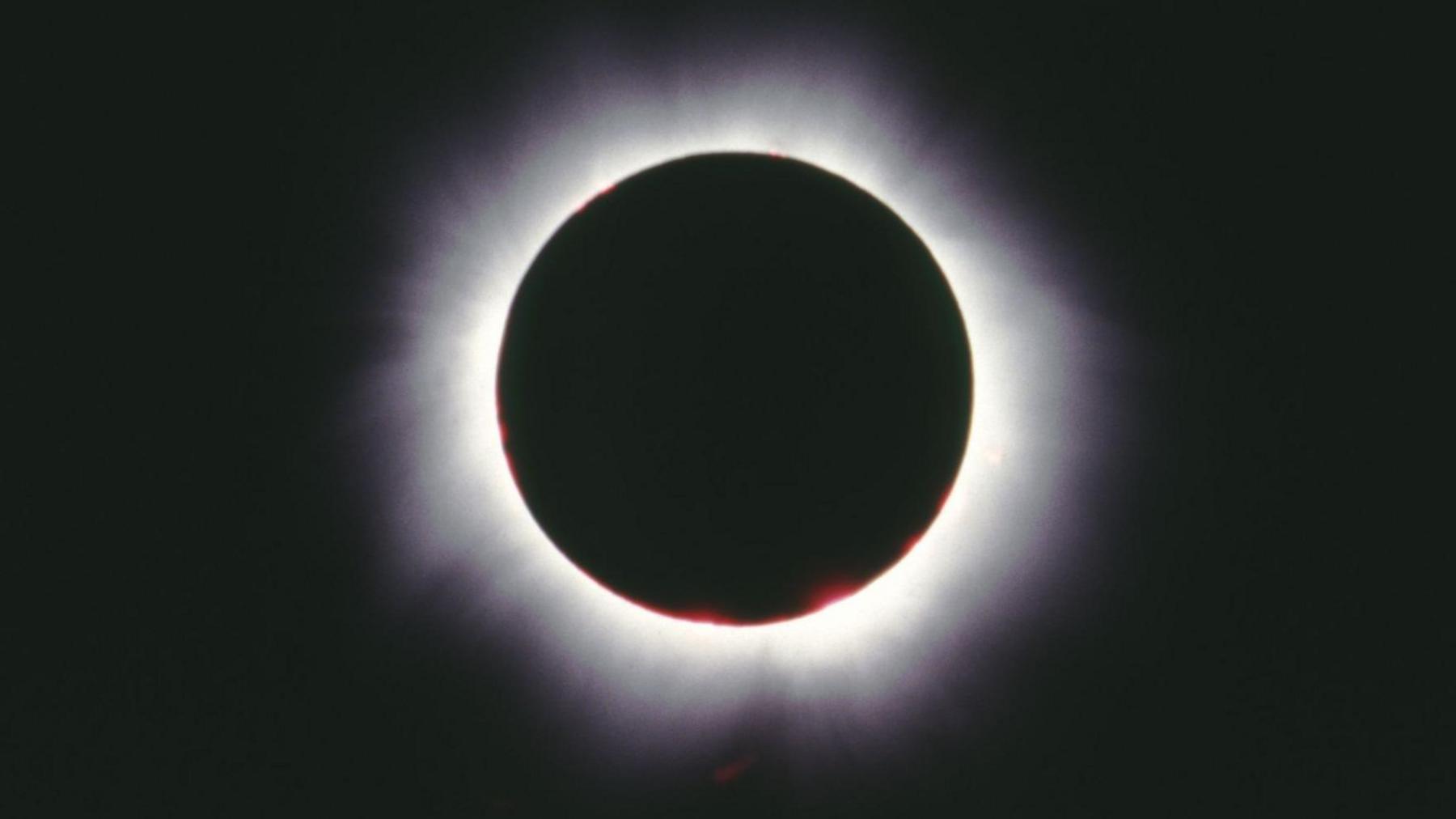
While some other regions, such as parts of Spain and Portugal, are fortunate enough to lie within the path of totality for this specific eclipse, experiencing the breathtaking moment when the sun is completely hidden and its corona becomes visible, the near-total partial eclipse over the UK is still a deeply inspiring event. Chris Higgins, a retired scientist and volunteer at the Lime Tree Observatory and Planetarium in Grewelthorpe, North Yorkshire, asserts that even a partial eclipse of "almost nine-tenths of the sun’s disk" is "certainly worth" witnessing from the UK. He emphasizes its role as a timeless natural phenomenon, one that has captivated humanity throughout history and continues to "inspire people" by connecting them to the vastness and precision of the cosmos. The last significant partial eclipse visible across the UK occurred in March 2015, which reached about 85% coverage in parts of the country, reminding us of the transient nature of these events.
How to view the eclipse safely
The paramount importance of safe viewing cannot be overstated when observing a solar eclipse. Looking directly at the sun, even during a partial eclipse, can cause severe and permanent eye damage, including solar retinopathy, which can lead to irreversible blindness. The sun’s intense ultraviolet and infrared radiation can burn the retina without you feeling pain, making it particularly dangerous. Therefore, proper safety measures are absolutely crucial.
The safest and most common method for direct viewing is through certified eclipse glasses. These are not ordinary sunglasses; they are equipped with special-purpose solar filters that block out nearly all harmful visible, ultraviolet, and infrared light. It is vital to ensure that any eclipse glasses you use carry the international safety standard certification ‘ISO 12312-2’ or ‘ISO 12312-2:2015’ clearly printed on them. Regular sunglasses, no matter how dark, offer insufficient protection, as they do not block the specific harmful wavelengths required for safe solar viewing. Even with 92% of the sun obscured, the remaining 8% is still incredibly powerful and dangerous to look at directly. Beware of counterfeit or damaged eclipse glasses, as compromised filters offer no protection. Always inspect your glasses for scratches or damage before use.
Alternative safe viewing methods include using a solar telescope, but only if it is fitted with a professionally manufactured, accredited solar filter on the front of the telescope. Never look through an unfiltered telescope or binoculars at the sun, as this will magnify the sun’s intensity and cause instant, catastrophic eye damage. Many local astronomical societies across Yorkshire will be hosting public viewing events, providing access to safely filtered telescopes and expert guidance, offering an excellent opportunity for the public to observe the eclipse safely.
Another popular and accessible method is the pinhole projector. This ingenious device allows you to project an indirect image of the sun onto a surface without looking directly at it. You can easily create one using simple household objects. A colander, for instance, naturally creates multiple small holes that will project an array of tiny crescent suns onto the ground. More elaborate projectors can be made from a cardboard box, where a small pinhole on one side projects the sun’s image onto a screen inside the box. This method is completely safe and effective, allowing groups to observe the eclipse simultaneously.
For those who prefer to experience the event from the comfort of their home, The Royal Observatory Greenwich, along with other scientific institutions, will likely be live-streaming the eclipse, providing high-quality, filtered views and expert commentary.
Where can I view the eclipse?
Optimising your viewing location is key to making the most of this rare celestial event. Given that the eclipse will occur late in the afternoon, with the sun and moon dipping towards the horizon, the best vantage points will be elevated locations with an unobstructed view to the west.
As Chris Higgins points out, "If we were a west coast county, we could all go to the beach and then we’d have a nice low horizon and we could watch it." For landlocked Yorkshire, this means actively seeking out spots where your western horizon is clear of obstructions like tall buildings, dense trees, or hills. Hilltops within the Yorkshire Dales or North York Moors, open fields, or elevated coastal paths in areas like Whitby or Scarborough (if you can find a westward-facing spot) would be ideal. Even large parks or open public spaces can work, provided you position yourself carefully.
The eclipse will commence between approximately 18:12 and 18:19 BST, depending on your precise location within Yorkshire. The moon will gradually begin to obscure the sun, slowly transforming its appearance. The peak of the eclipse, where maximum obscuration occurs, is expected about an hour after it begins, with the entire phenomenon concluding just after 20:00 BST, shortly before the sun finally sets.
It’s important not to panic if you don’t notice immediate changes. The moon’s movement across the sun is a gradual process. Patience is a virtue when eclipse watching. Furthermore, even if the weather brings some cloud cover, don’t despair immediately. As Higgins advises, "It’s not suddenly going to whiz past and you’ll miss it. It’s worth waiting around just in case the clouds move on." Patchy clouds can sometimes enhance the dramatic effect, revealing glimpses of the crescent sun through breaks in the cover.
While the original article didn’t list specific community events, historically, local astronomical societies, observatories, and science museums across Yorkshire often organise public viewing gatherings. These events typically provide safely filtered telescopes, expert astronomers to answer questions, and a communal atmosphere to share the wonder of the eclipse. Checking local listings or the websites of organisations like the York Astronomical Society, Sheffield Astronomical Society, or Lime Tree Observatory closer to the date is advisable for any organised viewing parties.
What will the weather be like?
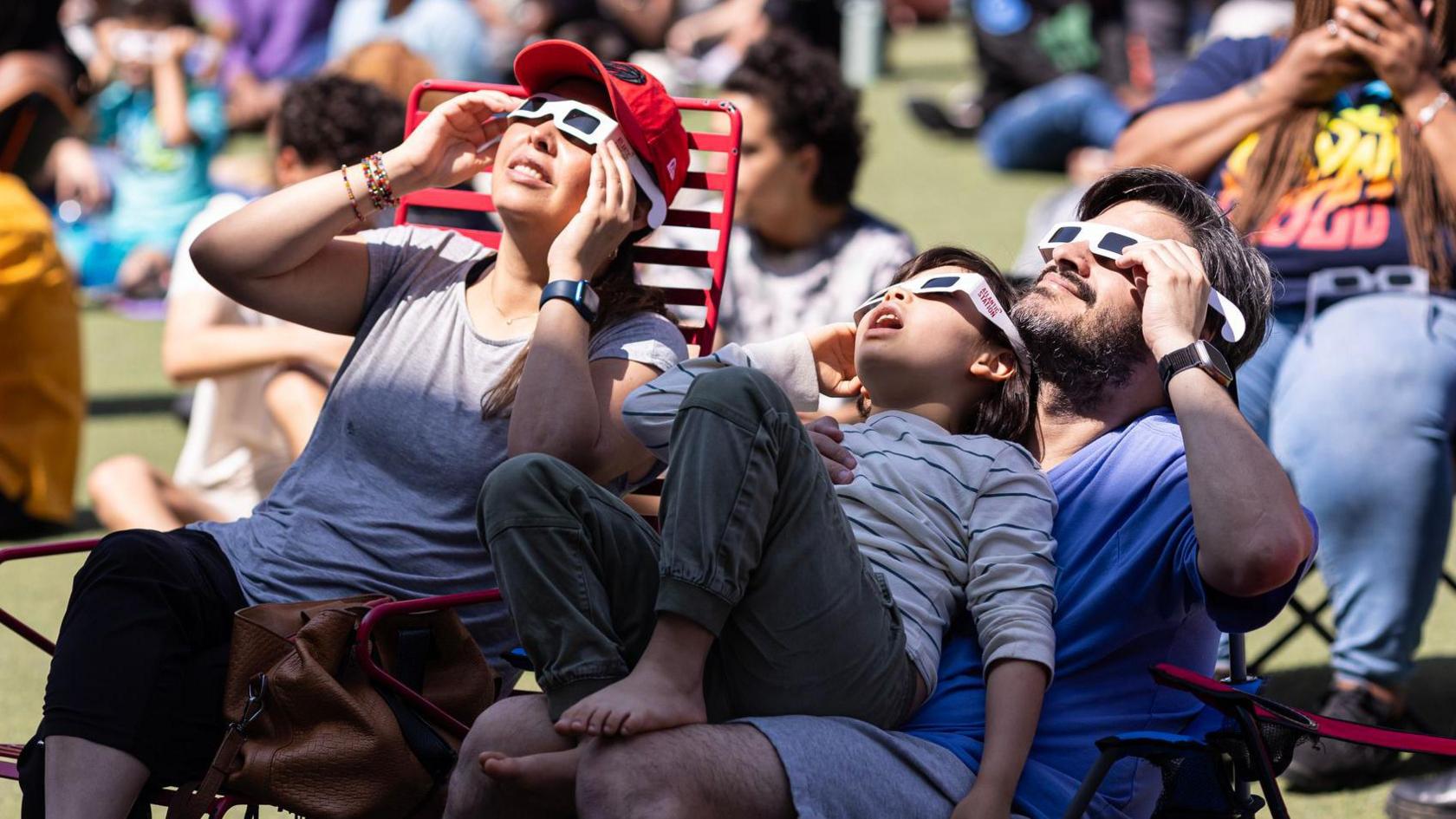
The success of any astronomical observation, particularly an eclipse, hinges significantly on clear skies. Yorkshire has, fortunately, experienced a prolonged period of warm, clear nights recently, creating ideal conditions for stargazing and now, eclipse-spotting.
According to BBC climate correspondent Paul Hudson, the forecast for 12 August is currently very promising. "At the moment, the forecast for Wednesday couldn’t be better," he states. Predictions indicate a hot day with abundant sunshine. While there might be some high cloud cover towards the western horizon as the event commences, Hudson reassures that this is "unlikely to be thick enough to obscure the sun." This positive outlook significantly increases the chances of a spectacular and unobstructed view of the partial solar eclipse across Yorkshire. Even if some wispy clouds are present, they can sometimes add an artistic touch to the celestial display, diffusing the light in interesting ways.
This near-total solar eclipse presents a truly unique opportunity for the people of Yorkshire to connect with the cosmos and witness a rare astronomical event that will not be surpassed in magnitude for many decades. By adhering to crucial safety guidelines and choosing an optimal viewing location, individuals and families can safely enjoy this awe-inspiring demonstration of our solar system’s intricate mechanics. Prepare your certified eclipse glasses, find your perfect westward-facing spot, and get ready to be inspired by the grandeur of the universe unfolding above Yorkshire.



 atisusanti
 George Anjay
 Nakalama John

 Ramos Leo