
 Nana Banana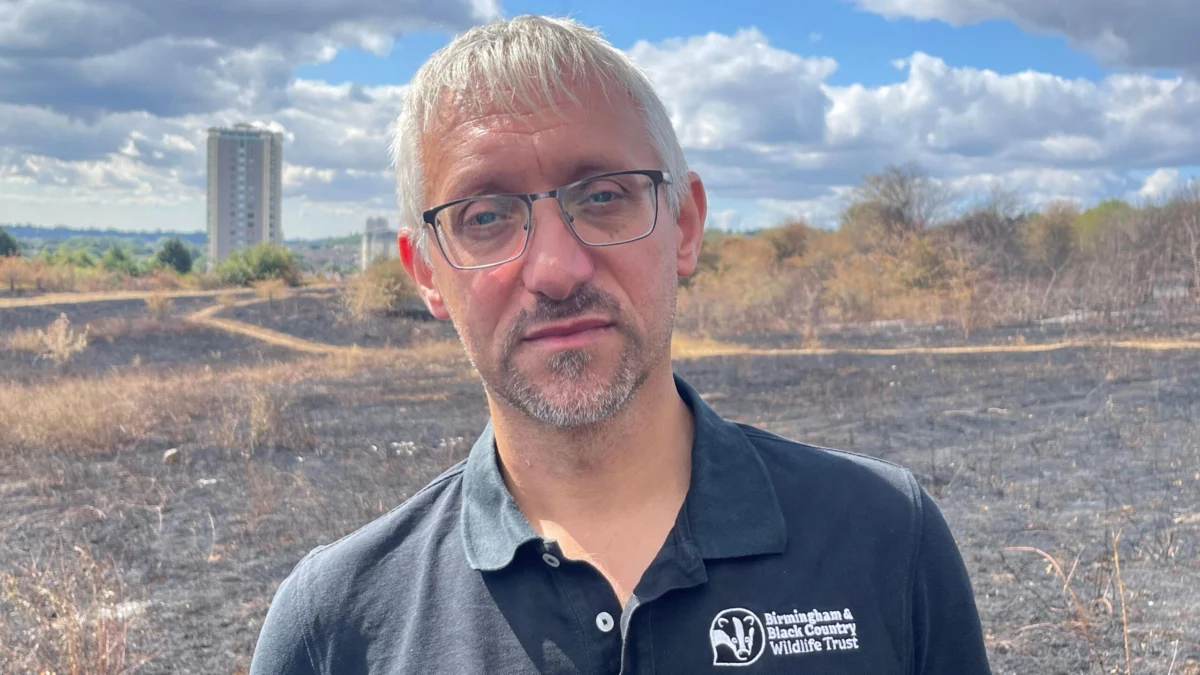
The immediate aftermath of a wildfire paints a stark picture of ecological devastation. Dan Brown, deputy chief executive of Birmingham & Black Country Wildlife Trust, underscores the profound problem of habitat loss. "When we lose grasses, wildflowers, and trees to fire, we lose the food plants that invertebrates rely on, taking away spaces in which butterflies and bees can thrive. That impact cascades upwards to birds and mammals who would normally use invertebrates as a food source," he explains. This highlights the delicate interdependence within ecosystems; the destruction of one foundational element can unravel an entire food web, jeopardizing numerous species. The loss isn’t just aesthetic; it’s a catastrophic blow to biodiversity and ecological functionality.
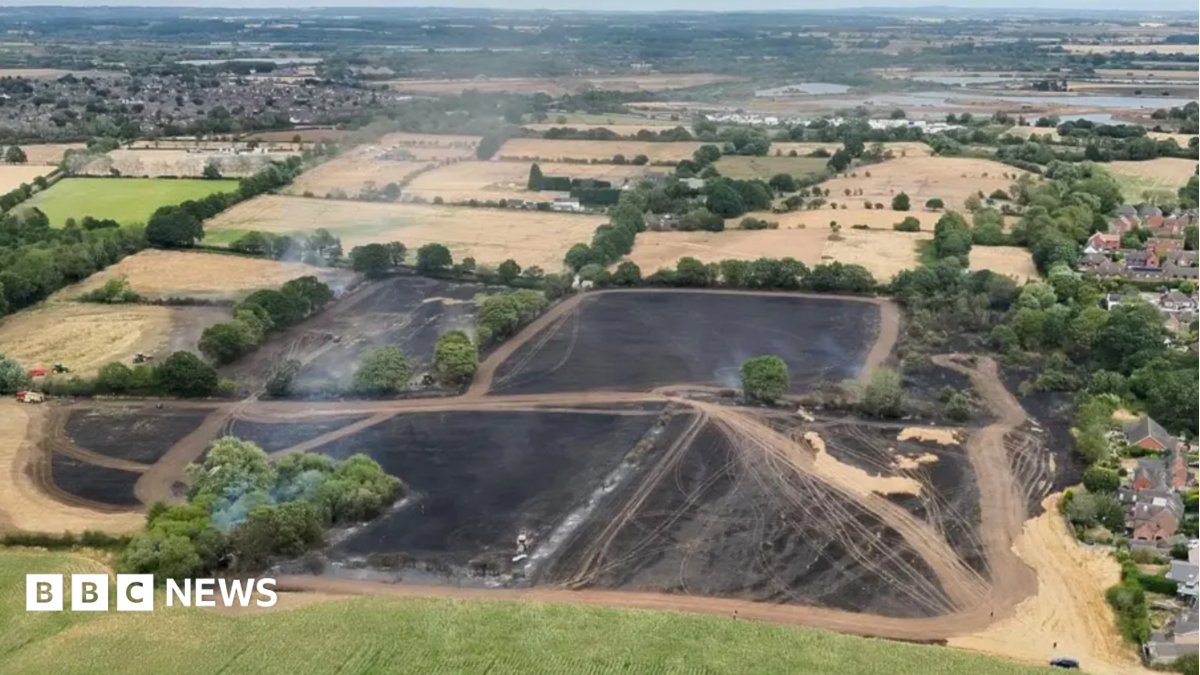
The West Midlands, like many other regions, has felt the brutal force of these blazes. Last week, thirty firefighters battled a fierce blaze at Portway Hill in Oldbury, an area of land meticulously managed by the trust. This site was a sanctuary for scarce plants, including the vibrant pyramidal and bee orchids, and hosted a rare colony of marbled white butterflies, which depended on specific food plants like common knapweed and red fescue. "We’ve lost these plants now, and it will take years of work to restore the meadow so that marbled white butterflies can return," Brown lamented, emphasizing the long-term commitment required to heal such wounds. The scale of the problem is evident in statistics from Staffordshire Fire and Rescue Service, which reported attending approximately 600 outdoor fires in July alone – roughly double the number recorded in the same month last year. Alarmingly, three of these incidents occurred at Cannock Chase, a protected area renowned for its lowland heath, where precious animals like adders and toads tragically perished.
Jeff Sim, head of nature reserves at Staffordshire Wildlife Trust, voiced the profound concern felt by conservationists. "Each day we’re seeing fires devastate green spaces and my team is incredibly worried," he stated. "In an instant, we could lose years of careful restoration work. It can take decades for land to recover from fire, even with dedicated intervention and restoration work." Beyond the West Midlands, the picture has been similarly bleak nationally. Dunwich Heath in Suffolk, a crucial lowland heath ecosystem, saw approximately 371 acres (150 hectares) consumed by fire last week, an event the National Trust described as "absolutely devastating," warning that the impact on wildlife and the landscape would be felt for years. Further north, in Scotland, a massive fire in the Cairngorms National Park last month burned through an estimated 10 square miles (26 square kilometres) of moorland and forestry. This included significant damage to the RSPB’s Loch Garten reserve at Abernethy, a vital habitat home to thousands of species, where insects, reptiles, ancient trees, lichens, and mosses were tragically lost, striking a blow to one of the UK’s most iconic wild landscapes.
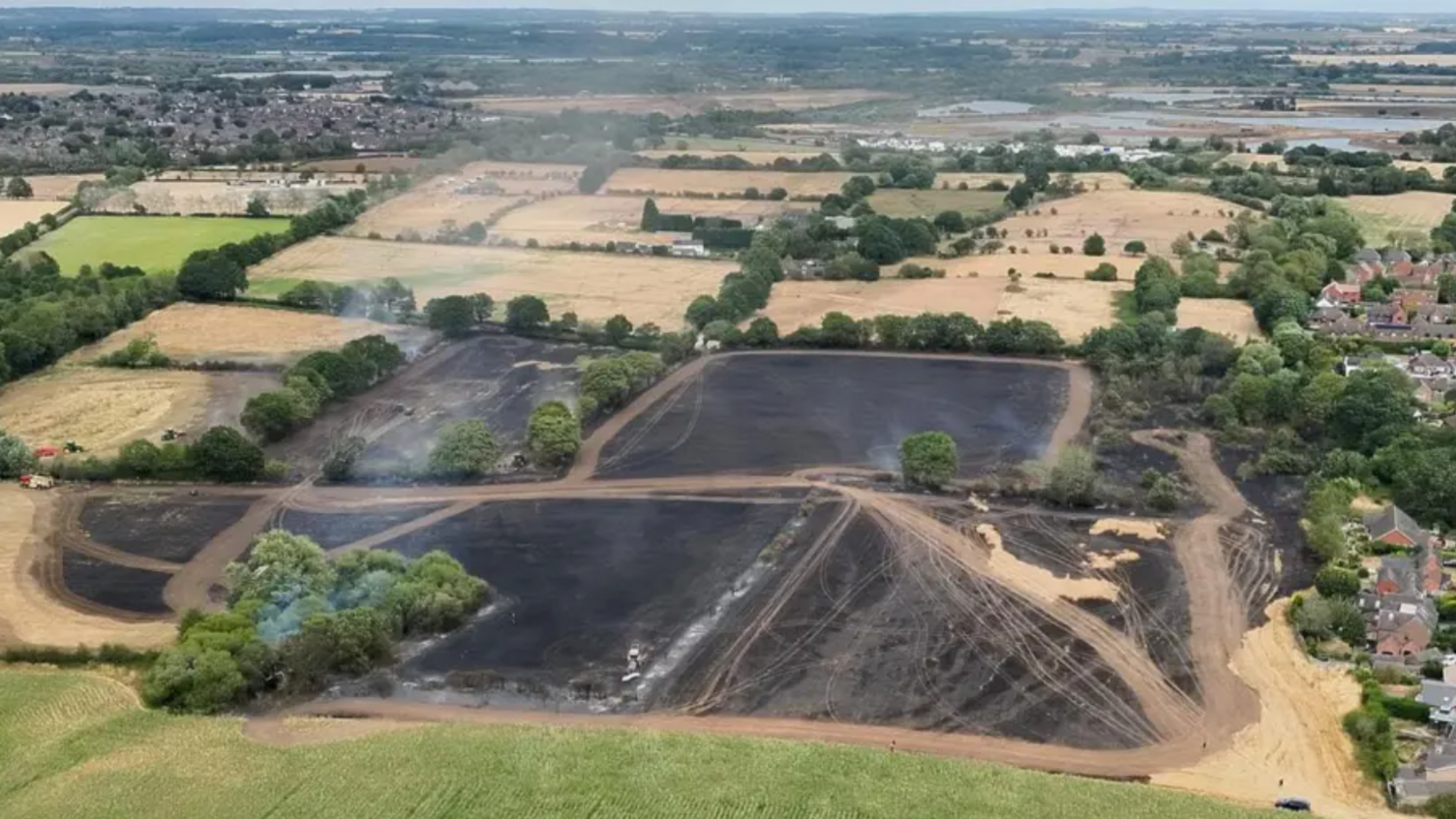
Amidst such widespread destruction, the question of whether true restoration is possible looms large. Brown remains cautiously optimistic, asserting that restoration is possible, albeit a slow and complex endeavour. "We can restore habitat by seeding meadows and planting trees, but this process takes a long time and has to be carefully managed," he noted. The trust’s conservation projects offer glimmers of hope by making landscapes inherently more resilient to fire. Strategies include planting native broadleaf trees, which create cooler, shadier woodland environments less susceptible to ignition. Crucially, restoring rivers and wetlands helps to hold vital water in the landscape, keeping surrounding land damp and acting as natural firebreaks. A prime example of this resilience was seen at The Roaches, a dramatic rocky landscape in the Peak District, where a fire broke out in June. Here, thriving sphagnum moss plants, central to peatland ecosystems, helped retain moisture in the ground, preventing the blaze from causing more severe, deep-seated damage.
Dr. Kate Ashbrook, a conservation ecologist and senior lecturer at the University of Worcester, emphasizes the immediate priority: "Any areas that escape the fire will contain the surviving animals or life." Protecting these "unburnt habitats" is paramount, as they act as vital ecological refugia, providing sources for recolonization and offering invaluable insights into the pre-fire ecosystem.
The nature restoration project Wild Ken Hill in Norfolk, which suffered a devastating fire in 2022, offers a compelling narrative of hope and nature’s resilience. Its founder, Dominic Buscall, reflected: "The wildfire at Wild Ken Hill in 2022 was devastating at the time, but one of the most striking lessons has been how resilient nature can be." He noted that while some impacts undoubtedly take years to fully recover from, vegetation regenerated quickly, and wildlife has steadily recolonized the affected areas. "Given the opportunity, natural systems can be remarkably robust," Buscall concluded. This demonstrates that visible recovery can be swift, with pioneer species often quickly colonizing bare ground. However, Dr. Ashbrook cautions that true ecological recovery is a far more protracted process, contingent on the return of complex soil fungi, the full re-establishment of diverse plant communities, and the complete recovery of invertebrate populations. The loss of mature woodland, in particular, can take many decades, if not centuries, to truly reverse, highlighting the difference between superficial greening and full ecosystem health.
For many people, the impact of extreme heat and drought is closer to home, manifesting in brown lawns, wilted garden plants, and cracked soil. However, experts offer reassurance. Josh Cushing, owner of Goldstone Hall Hotel & Gardens in Shropshire, points out that grass is "remarkably resilient and won’t die because of a period of drought." Darren Rudge, the BBC radio broadcaster known as the Laughing Gardener, echoes this sentiment, explaining that lawns are merely "asleep rather than dead." He affirms, "The roots are alive. It’s totally OK and you do not need to worry about your lawn." Gardeners can aid recovery by watering deeply but infrequently, mulching to retain soil moisture, and considering drought-tolerant plant species in future landscaping.
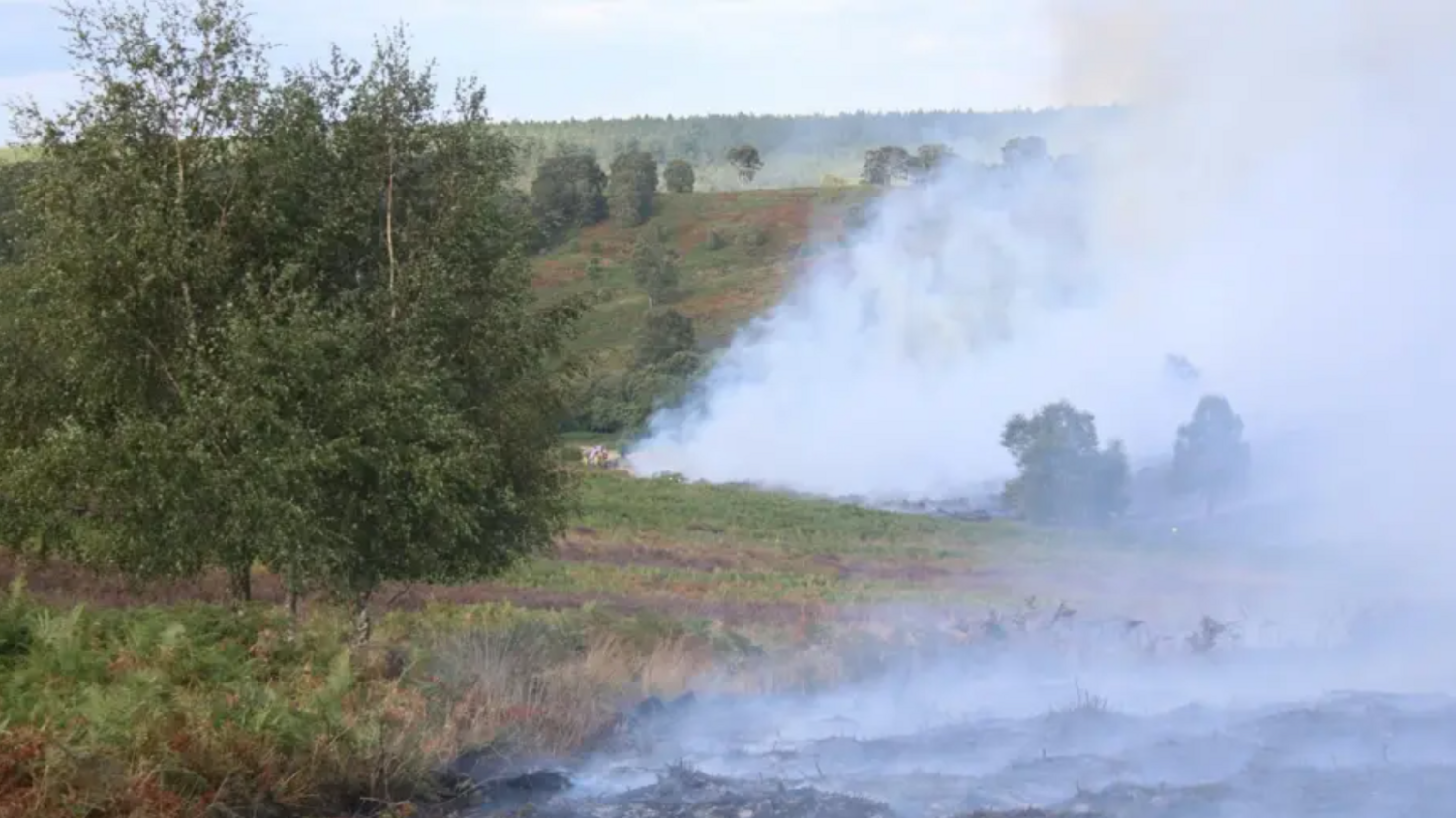
Looking ahead, climate change is undeniably creating hotter, drier conditions, rendering landscapes significantly more vulnerable to devastating fires. Dr. Ashbrook warns that the increasing frequency of grassfires is particularly concerning because "wildlife in the UK is already struggling." She elaborates, "A lot of British wildlife is on its knees anyway, so anything that is going to make it more stressed, whether that’s the loss of flowers or a nesting habitat, has a significant impact." This underscores the compounding effect of fires on already fragile ecosystems, which are often battling habitat fragmentation, pollution, and other anthropogenic pressures.
Conservationists advocate for a paradigm shift, where nature itself becomes a primary line of defence. By making the countryside more resilient through strategic interventions, we can mitigate fire risk. This includes extensive rewilding efforts that promote diverse plant communities, encouraging natural grazing by herbivores to manage fuel loads, and the strategic planting of fire-resistant native species. Crucially, restoring natural hydrological processes – allowing rivers to meander and wetlands to flourish – helps retain water in the landscape, creating invaluable natural firebreaks.
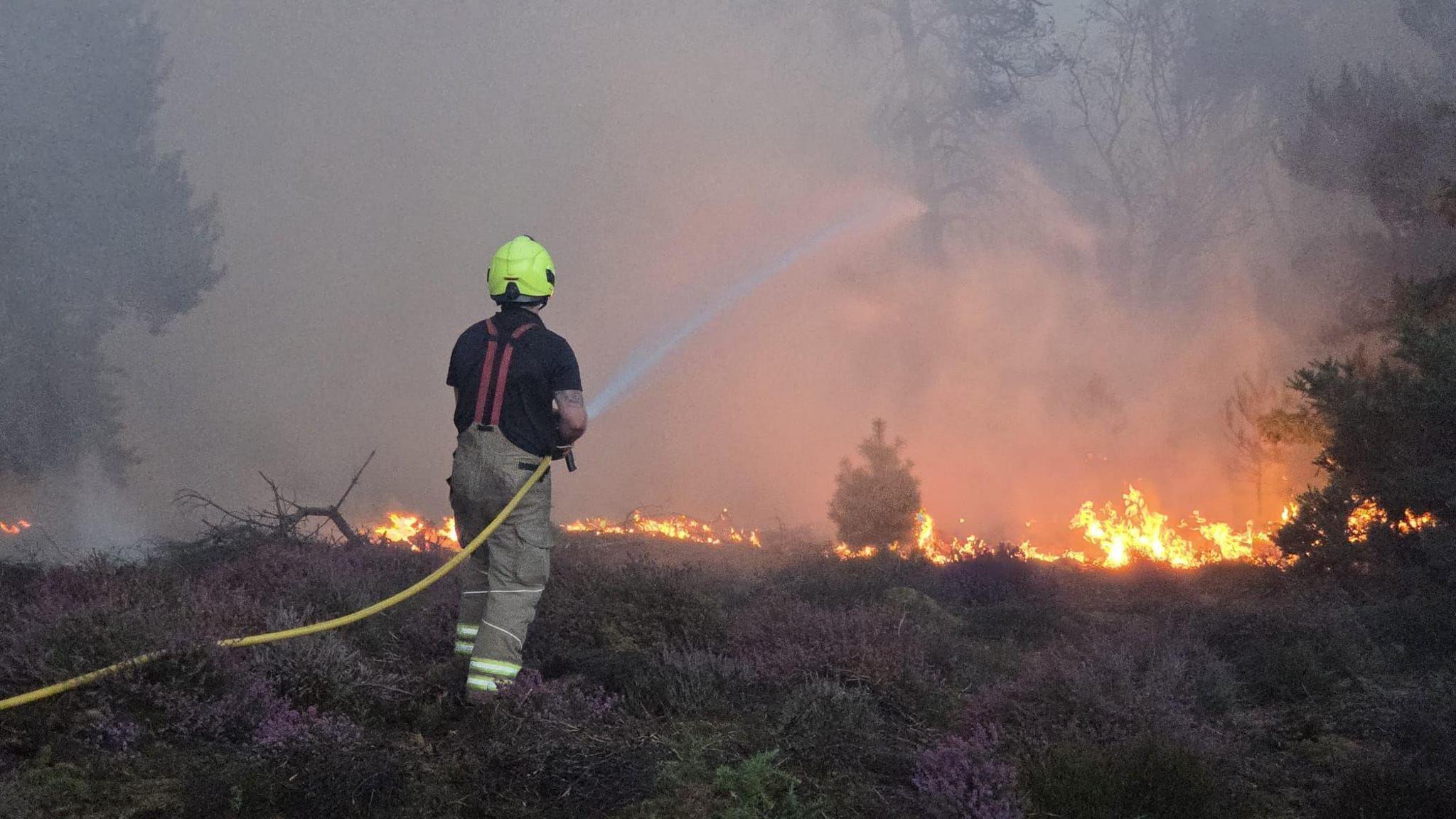
However, despite these ecological solutions, both Dan Brown and Dominic Buscall stress that "the biggest factor that will reduce wildfire risk is people’s behaviour." Most wildfires are caused by human activity, meaning the vast majority are preventable. Simple yet vital actions include never lighting disposable barbecues or campfires in green spaces, ensuring lit cigarettes are fully extinguished and never dropped, and taking all litter home. Communities also have a critical role to play in reporting suspicious activities and educating others about fire safety. Effective land management, improved early detection systems, and well-resourced fire suppression strategies are also essential components of a comprehensive future plan.
While the burnt landscapes may appear irreparably damaged now, experts concur that with time, dedicated effort, and a fundamental shift in how we protect and manage our countryside, recovery is not only possible but imperative. It demands a collective responsibility, a long-term commitment, and an unwavering respect for the delicate balance of nature in an ever-changing climate.



 atisusanti
 George Anjay
 Nakalama John

 Ramos Leo