
 Nana Banana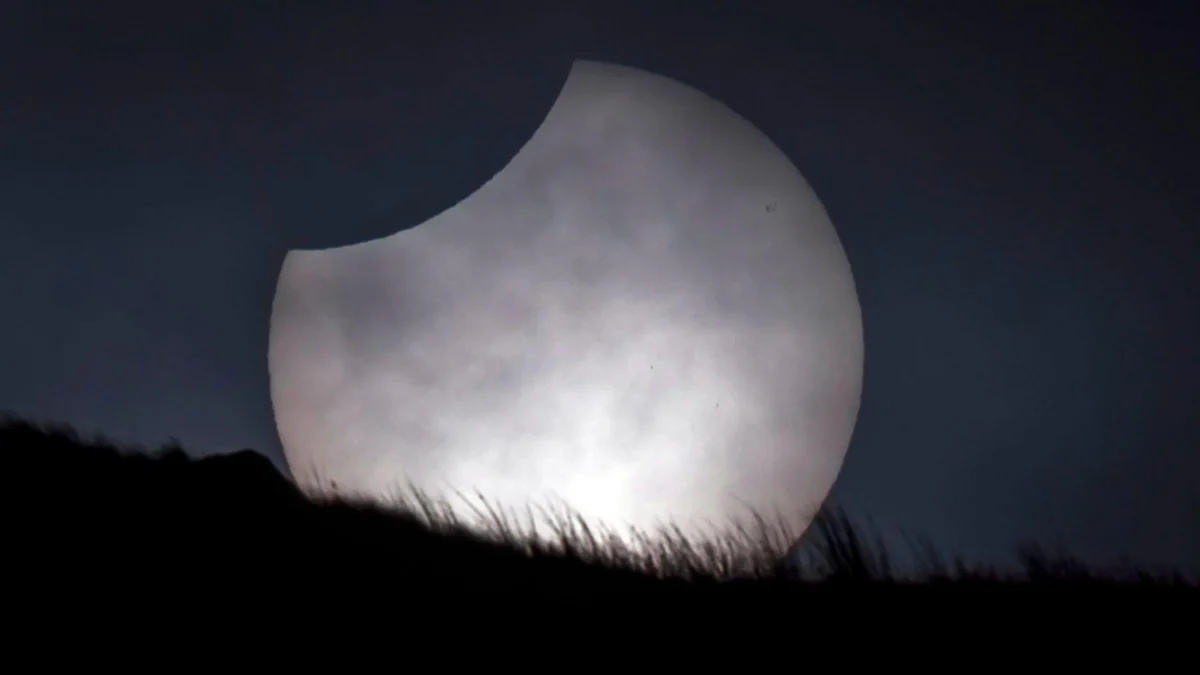
At its core, any solar eclipse is a grand alignment of three celestial bodies: the Sun, the Moon, and the Earth. For an eclipse to occur, the Moon must pass directly between the Sun and our planet. This precise cosmic choreography results in the Moon casting a shadow upon the Earth’s surface. These shadows are primarily of two types: the umbra, which is the darkest, central part of the shadow where the Sun is completely obscured, and the penumbra, a lighter, outer shadow where the Sun is only partially obscured. When observers on Earth are situated within the Moon’s penumbra, they experience a partial solar eclipse. In this scenario, the Moon appears to take a "bite" out of the Sun, creating a distinctive crescent shape.
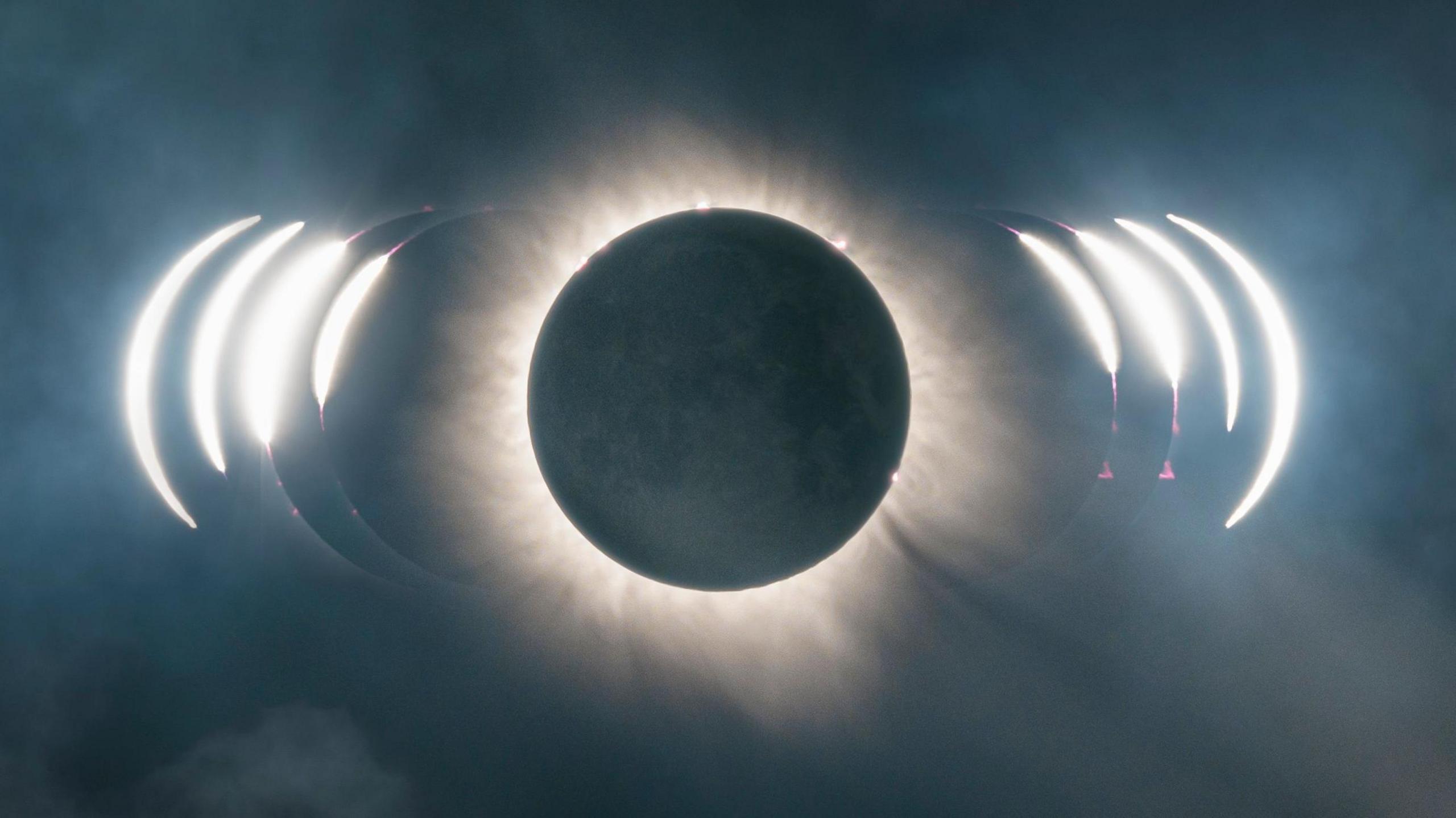
While the "arc of totality" – the narrow path where the Moon’s umbral shadow sweeps across the Earth, resulting in a total solar eclipse – will traverse a majestic route from northern Russia to Greenland, Iceland, Spain, and northern Portugal, the UK will still be treated to a significant celestial display. The team at the National Space Centre has confirmed that despite missing the path of totality, those in the UK, particularly in the South West and Channel Islands, will witness over 90% of the Sun being covered by the Moon. This makes it a particularly dramatic partial eclipse, reminiscent of the significant partial phases observed during the last total solar eclipse visible from parts of the UK in 1999. The rarity of such events underscores their appeal; the next total solar eclipse to be seen from the UK is not expected until 23 September 2090, some 64 years from now.
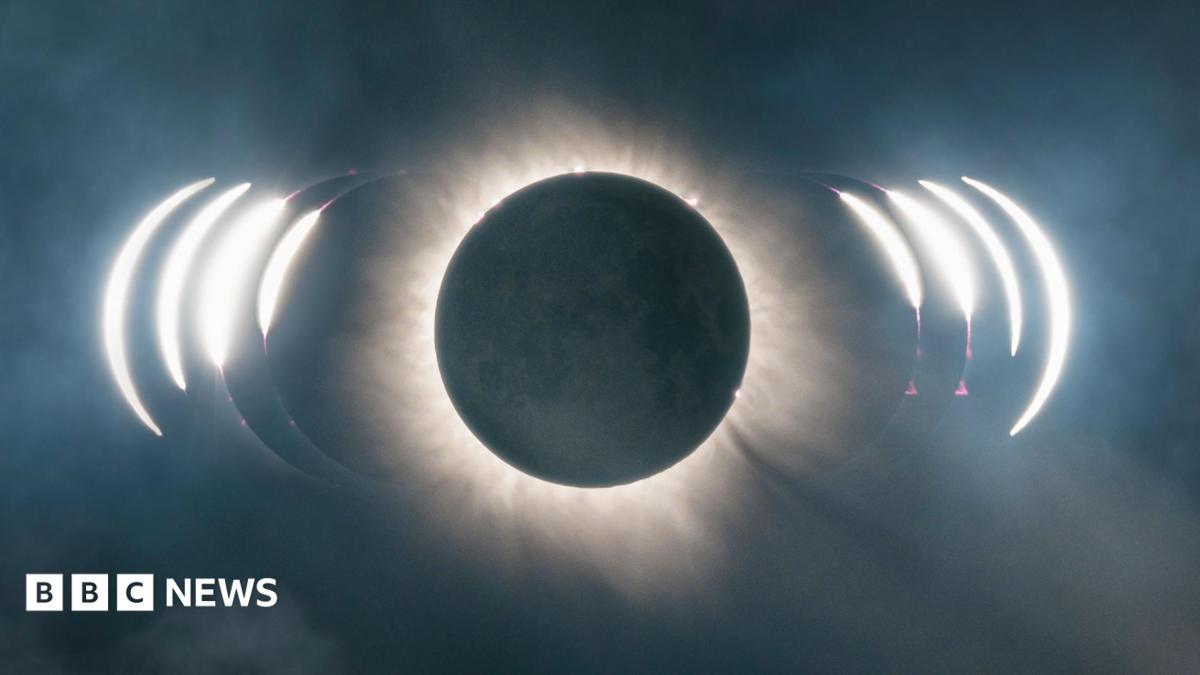
During a partial solar eclipse of this magnitude, the experience transcends mere visual observation. Plymouth Astronomical Society chairman Chris Cooke describes the impending darkness as "a bit eerie," a sentiment echoed by many who have witnessed similar events. He notes that this will be "the darkest partial solar eclipse since 1999," suggesting a profound atmospheric shift. As the Moon gradually encroaches upon the Sun, the ambient light will noticeably dim, not to absolute darkness, but to a peculiar, almost twilight-like quality. The colours of the landscape might appear muted, and shadows could become sharper and more defined, taking on an unusual character.
Dr. Jean Dean, a Guernsey-based Fellow of the Royal Astronomical Society, elaborates on the broader environmental impacts, highlighting how nature itself will respond to the celestial mechanics. She explains that "first contact," the moment the edge of the Moon first touches the edge of the Sun, marks the beginning of a rapid visual transformation as the Moon "starts to bite the sun." Soon after, a discernible drop in temperature is expected as less solar radiation reaches the Earth’s surface. As the eclipse progresses towards its maximum coverage, the natural world begins to react to the artificial dusk. "Birds will fall silent," she notes, their instinctual rhythms momentarily confused by the premature darkening of the sky, leading them to prepare for night. Similarly, "nyctinastic plants," those that exhibit circadian movements by opening their leaves during the day and closing them at night – such as clovers, dandelions, and daisies – will begin to fold their foliage. This remarkable biological response serves as a living clock, attuned to the subtle changes in light intensity. Following the peak of the eclipse, as the Moon begins to move away from the Sun, nature will gradually revert to its daytime patterns: the sky will lighten, the temperature will rise, and the sounds of wildlife will return to normal.
Witnessing such a rare event is undoubtedly exciting, but safety must always be the top priority. Looking directly at the Sun, even during an eclipse when it appears dimmer, can cause severe and permanent eye damage, a condition known as solar retinopathy. The UK Health Security Agency (UKHSA) has issued a stern warning, emphasizing that the Sun’s diminished brightness makes it deceptively easier to stare at, increasing the risk of harm. This danger was starkly illustrated after the 1999 total solar eclipse, when the Royal College of Ophthalmologists reported approximately 70 cases of individuals suffering vision problems after observing the event, with about 40% of those having looked for less than a minute. The damage occurs because the Sun’s intense ultraviolet and infrared radiation can burn the retina without causing immediate pain, leading to blind spots, distorted vision, or even permanent blindness.
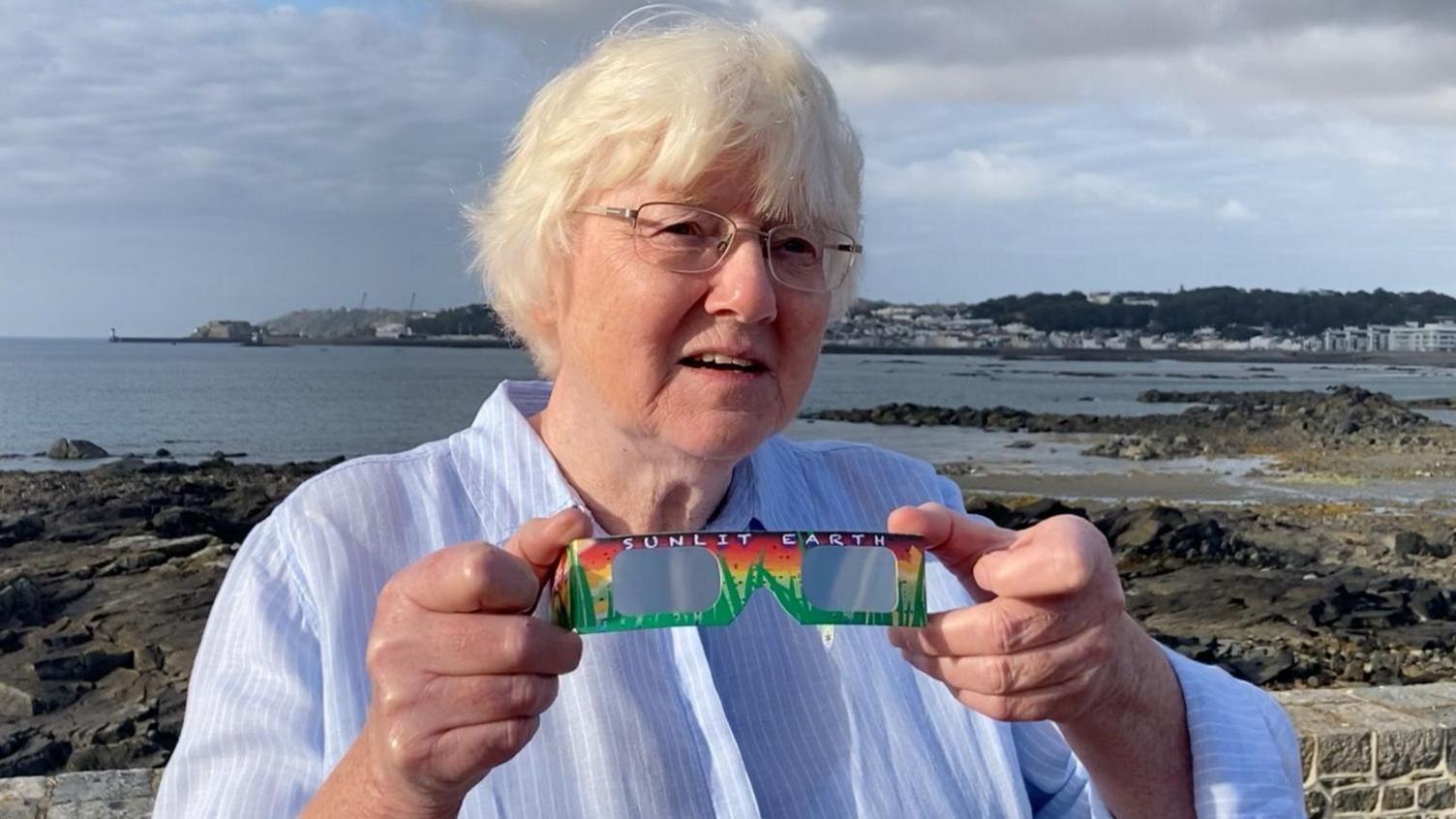
Therefore, proper eye protection is absolutely essential. The UKHSA strongly recommends the use of certified eclipse glasses or handheld solar viewers. Crucially, these must be genuine products that meet the ISO 12312-2 international safety standard. These specialized filters are thousands of times darker than regular sunglasses and block out harmful radiation. It is vital to purchase these from reputable vendors and to inspect them for any scratches, tears, or damage before use. Regular sunglasses, no matter how dark, offer insufficient protection and should never be used for eclipse viewing. Similarly, smoked glass, exposed photographic film, or homemade filters are unsafe.
For those without certified eclipse glasses, several safe indirect viewing methods are available. A simple yet effective option is a pinhole projector. This involves taking two pieces of stiff card; make a small, clean hole in the centre of one piece of card using a pin or thumbtack. Hold this card up to the Sun, allowing the sunlight to pass through the hole. Hold the second piece of card a few feet behind it, acting as a screen. A small, inverted image of the eclipsed Sun will be projected onto the screen, allowing safe observation without looking directly at the Sun. The further away the screen is, the larger the projected image will be.
Other creative projection methods include using everyday objects. A kitchen colander, for instance, can act as a multi-pinhole projector, creating numerous tiny crescent-shaped images of the partially eclipsed Sun on the ground or a wall. Similarly, the natural gaps between tree leaves can produce a multitude of small, crescent-shaped projections on the ground, offering a fascinating and safe way to observe the event. For those with welding equipment, a welder’s glass of shade 14 or higher can also be used, as it provides adequate protection against solar radiation.
It is absolutely critical to never look at the Sun through unfiltered telescopes, binoculars, or cameras. These devices concentrate the Sun’s rays, intensifying the danger and causing immediate and severe eye damage, even if you are wearing eclipse glasses. Any optical instrument used for direct solar observation must be fitted with a specially designed, certified solar filter over its front aperture.
In summary, the upcoming partial solar eclipse promises to be a memorable astronomical event for those in the South West and Channel Islands, offering a rare opportunity to witness the dynamic interplay of our solar system. The experience will extend beyond visual awe, encompassing subtle changes in light, temperature, and even the behaviour of nature. However, the transient beauty of this cosmic spectacle is overshadowed by the critical need for safety. By understanding the nature of the eclipse and diligently following recommended safe viewing practices, observers can fully appreciate this extraordinary phenomenon without compromising their precious eyesight.


 atisusanti
 George Anjay
 Nakalama John

 Ramos Leo