
 Nana Banana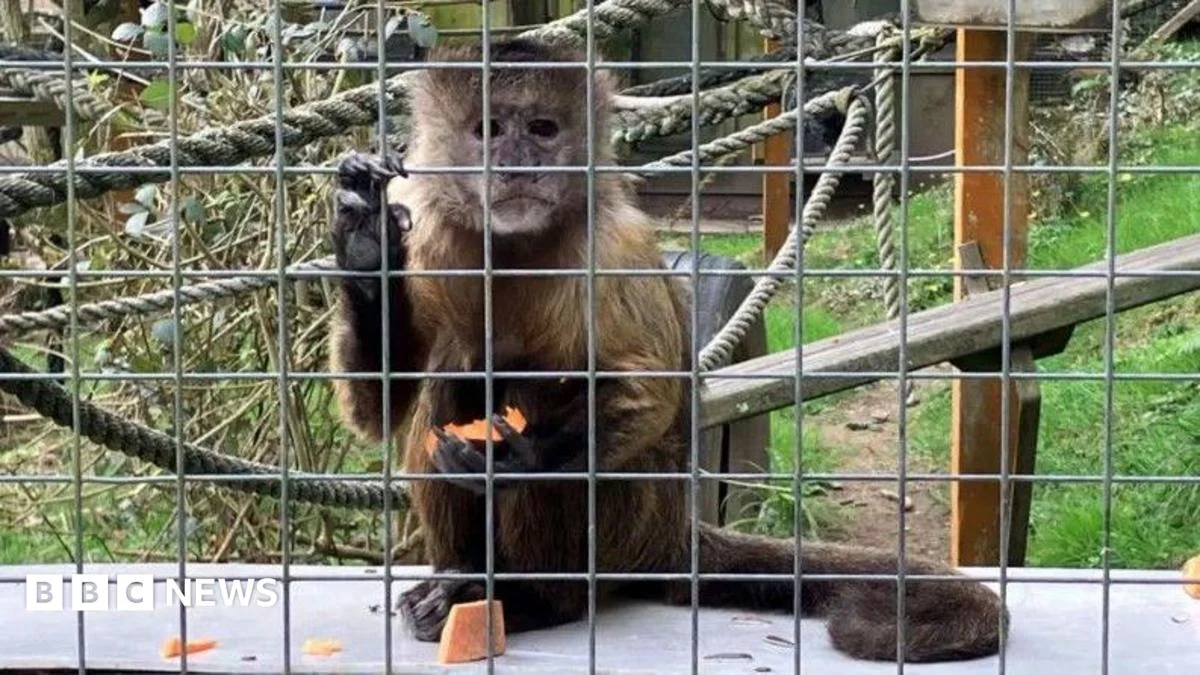
Established in 1964, Wild Futures began its vital work by rescuing woolly monkeys, often victims of the cruel and unregulated exotic pet trade. Over the decades, it evolved from a dedicated rescue centre into a prominent public sanctuary, offering a safe haven for numerous primates while simultaneously serving as an educational hub for hundreds of thousands of visitors. It proudly held the distinction of being the first Global Federation of Animal Sanctuaries (GFAS) accredited wildlife sanctuary in Europe, a testament to its unwavering commitment to animal welfare and professional standards. The sanctuary not only provided lifelong care for its residents but also championed animal welfare, conservation, and advocated tirelessly for a ban on the keeping of primates as pets, leaving an indelible mark on the landscape of animal protection.
The path to closure has been a challenging one. In March 2025, Wild Futures made the difficult decision to close its doors to the public for the remainder of the year, citing severe financial struggles. This temporary closure was a precursor to the deeper issues that have now led to the sanctuary’s permanent cessation of operations. The core problem, as articulated by the charity, lies in the deteriorating infrastructure of the site. Over 60 years of operation, the buildings and enclosures have naturally aged, developing "structural issues" that demand extensive and costly repairs. The charity found itself in a predicament where the ongoing maintenance expenses far exceeded the financial resources available, making it unsustainable to continue operations at the current location.
Hope had briefly flickered when the site was put on the market in June 2025. Wild Futures believed it had found a buyer whose investment could potentially alleviate the financial strain and contribute to the necessary improvements. However, after six months of intense negotiations, these plans regrettably collapsed. Sarah Hanson, the charity’s director, underscored the gravity of the situation, stating, "We do not believe it would be responsible to invest hundreds of thousands of pounds into a site that is no longer suitable for the sanctuary’s long-term future, and whose ongoing maintenance now far surpasses the financial resources we have available to us." This strategic assessment led to the painful but necessary conclusion that funds would be better directed towards securing the future of the individual monkeys under their care rather than an increasingly untenable physical location.
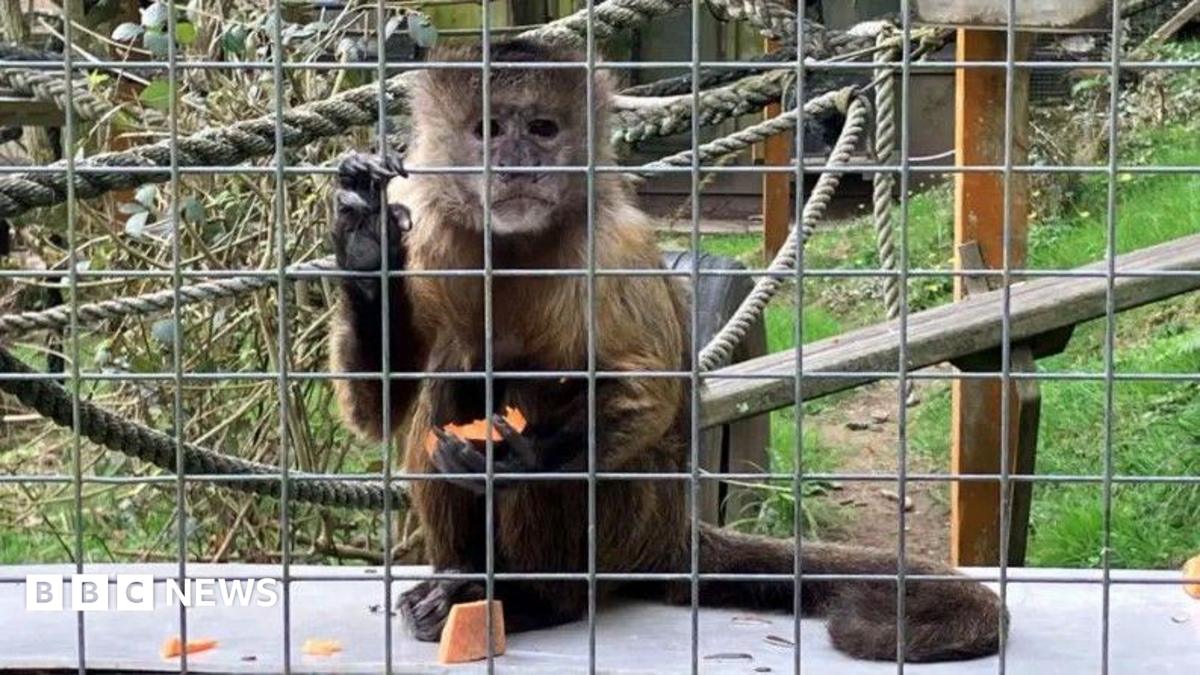
The welfare of the sanctuary’s primate residents remains Wild Futures’ "top priority" amidst this period of profound change. The charity has already initiated the meticulous and complex process of rehoming its monkeys to carefully selected sanctuaries and organisations across the UK and Europe. This process involves a comprehensive assessment of each monkey’s species, individual needs, social dynamics, and health status to ensure they are placed in environments that can provide the highest standard of care and enrich their lives. Rehoming primates is an intricate logistical undertaking, requiring specialized transport, veterinary checks, and careful integration plans to minimize stress and ensure successful adaptation to new surroundings. To cover these "significant costs," Wild Futures has announced the launch of an emergency appeal, urging public support to facilitate the safe and secure relocation of every monkey.
The closure will undoubtedly have a profound impact beyond the immediate rehoming efforts. For the dedicated staff and volunteers who have poured their hearts and souls into caring for these animals for decades, the news is particularly poignant. Their commitment has been the backbone of the sanctuary’s success, and the transition will be challenging for them as they navigate the end of an era. The local community in Looe and Cornwall will also feel the loss of a beloved visitor attraction and an important educational resource. The sanctuary not only drew tourists but also played a crucial role in raising awareness about animal welfare issues, inspiring countless individuals to think critically about the origins of exotic pets and the importance of conservation.
Despite the deep sadness associated with the closure of its physical site, Wild Futures expressed a forward-looking perspective, emphasizing "hope for the future and the next chapter." The charity affirmed that "there is still important work to be done," signaling its intent to continue its mission in animal welfare and conservation, albeit in a new form. This could involve pivoting towards expanded advocacy, educational outreach through digital platforms or partnerships, or supporting other rescue initiatives. The legacy of the Cornwall Monkey Sanctuary will live on through the lives it saved, the education it provided, and the unwavering commitment to ending the exotic pet trade that fueled its creation.
The story of the Wild Futures Monkey Sanctuary serves as a powerful reminder of the enduring challenges faced by animal welfare organizations globally. While it celebrates over six decades of dedicated service and significant achievements, its closure underscores the ongoing need for robust public support, sustainable funding models, and continued vigilance against practices like the exotic pet trade that necessitate such sanctuaries in the first place. As the last of the monkeys find their new forever homes, the spirit of Wild Futures will continue its vital work, adapting to new realities while holding fast to its foundational principles of compassion and conservation.


 atisusanti
 George Anjay
 Nakalama John

 Ramos Leo