
 Nana Banana
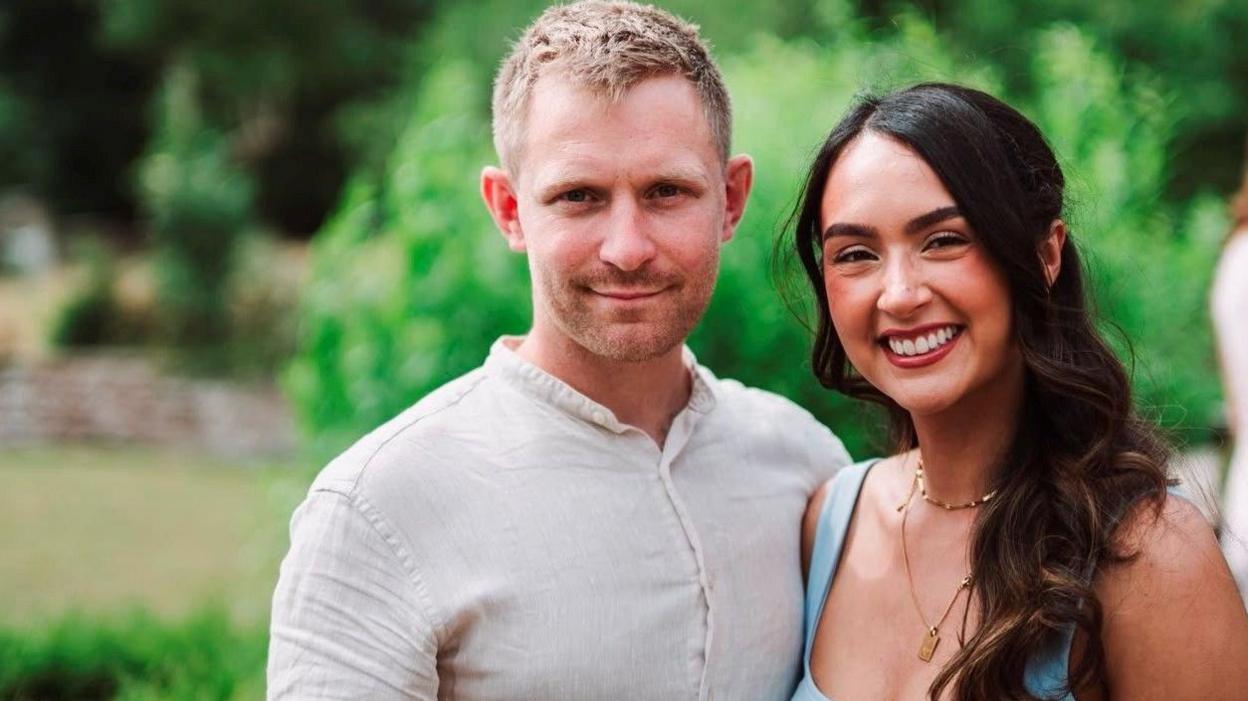
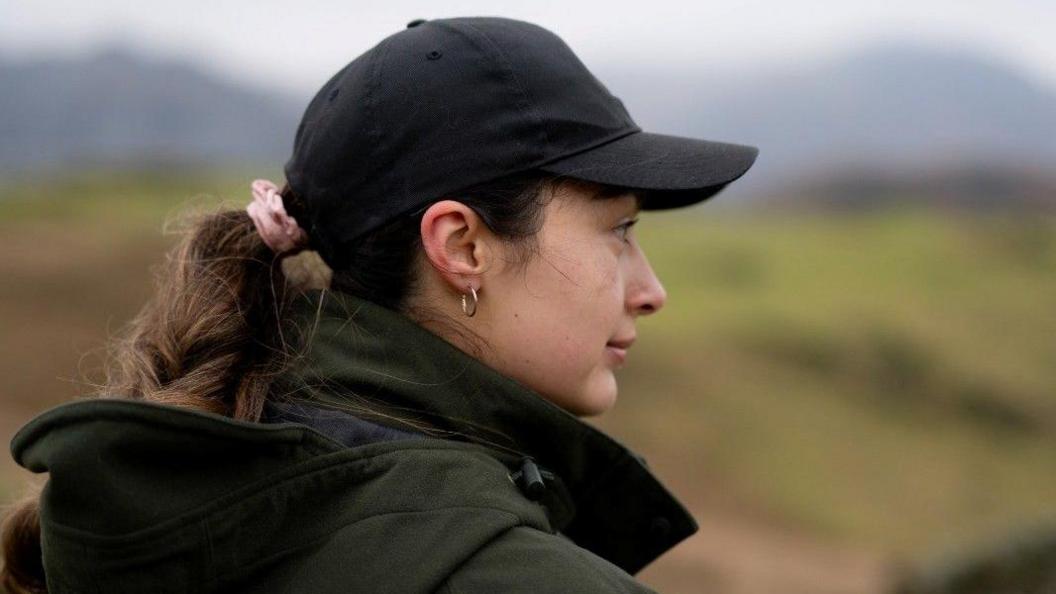
For Jessie Roper, 32, Greenbank Farm was more than just a piece of land; it was the backdrop to her childhood. Her father, Jim Parkin, had dedicated his life to running the farm, a place that had, over the years, supported dairy and beef production. Despite her deep roots, Jessie had ventured away from farming over a decade ago, pursuing higher education and a career in Manchester, far removed from the daily rhythms of rural life. Her direct farming experience was minimal, and the intricacies of managing a working farm had long faded from her immediate concerns. However, the sudden and tragic passing of her father in 2023 cast her back into the heart of her origins, presenting her with an unexpected inheritance and a poignant dilemma. The thought of anyone else taking ownership of the farm, especially after her father’s lifetime of dedication, was unbearable. "I couldn’t really face anyone else having it," Jessie recalled, an emotional sentiment that underscored her decision to return.
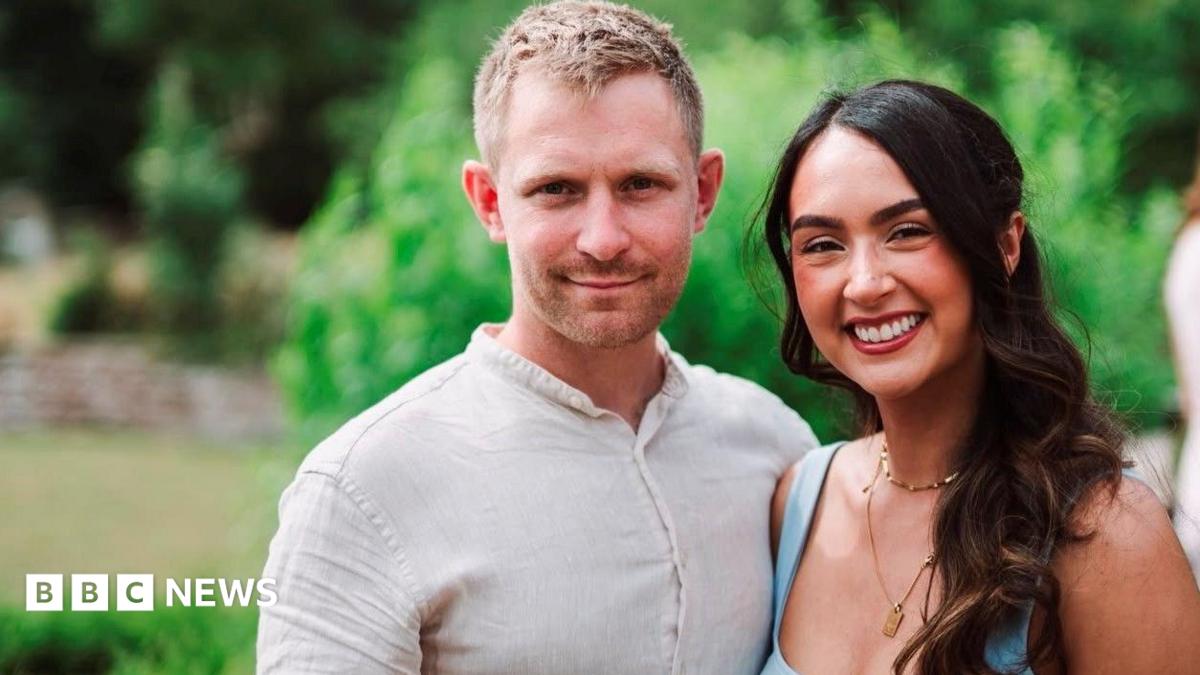
Her husband, Joe Roper, 33, faced an even steeper learning curve. Hailing from an urban background, he freely admitted to having "never been on a farm before" prior to their move. The transition from city living to the demanding realities of farm life in rural Cumbria was, by all accounts, an immense challenge. Their return coincided with what Joe described as "the worst winter that year," a period of relentless rainfall that seemed to last for four months, further exacerbating their difficulties. The initial months were a relentless test of their resolve, throwing them into a series of unforeseen crises: the farmhouse cellar flooded, the pipes froze, and, to add to their woes, "the tractor just decided to go kaput." These compounding issues left them questioning their decision, Joe admitting, "It was like, ‘oh god, what have we done?’" It was a harsh introduction to the unpredictable and often unforgiving nature of farming, far removed from the romantic ideals they might have harboured.
Adding to the complexity was the lack of a proper handover from Jessie’s father. Jim Parkin had been the sole custodian of the farm’s operational knowledge, and his sudden departure left a void of expertise. "It’s not as if he gave a handover," Jessie lamented, highlighting the immediate and overwhelming responsibility they faced without the guidance of someone intimately familiar with Greenbank’s specific demands. While Jim had rented out fields to a local shepherd, providing a continued, albeit limited, income stream, this arrangement was not a sustainable long-term solution for the entire 80 acres. The couple quickly realised that adopting a full-time, traditional farming approach, focused on intensive dairy or beef production as in Greenbank’s past, was neither appealing nor practical for them. The lifestyle demands, the significant capital investment required, and the volatile nature of agricultural markets were not aligned with their vision for the farm or their personal capabilities. "We just kind of thought if we went back, if we had turned into full-time traditional farmers, it just wasn’t really for us," Jessie explained, articulating their desire for an alternative path.
Their search for a viable and meaningful future for Greenbank Farm led them to the burgeoning field of nature recovery and rewilding. Through extensive research, they discovered Environment Bank, a biodiversity organisation specialising in facilitating such transformations. This partnership proved to be the turning point. Environment Bank offered a structured and scientifically-backed approach to ecological restoration, providing the Ropers with the expertise and financial framework they needed. The plan forged with Environment Bank outlines a comprehensive 30-year nature recovery project, a long-term commitment designed to significantly boost biodiversity across the 80-acre site.
The core of the project involves restoring habitats through carefully managed interventions. A key mechanism will be the reintroduction of grazing animals, specifically chosen for their ability to manage vegetation and create diverse ecological niches. These animals, acting as natural landscapers, will help control invasive species, promote native plant growth, and create varied sward heights beneficial for insects, birds, and small mammals. Complementing this, traditional summer hay cuts will be employed, not just for fodder, but as a method to manage nutrient levels in the soil and encourage wildflower diversity, mimicking historical agricultural practices that supported rich ecosystems. Anne Gray, Senior Land Manager at Environment Bank, elaborated on the strategy: "Traditional summer hay cuts and cattle grazing will be the long-term management mechanism for the site." This approach aims to reverse the trend of biodiversity loss that has plagued the UK for decades. Gray stressed the critical importance of such initiatives, stating, "Nature recovery projects like this are important because the UK has experienced significant biodiversity loss over many decades." The vision for Greenbank Farm includes creating a mosaic of habitats, from species-rich grasslands and wildflower meadows to wetlands and native woodlands, providing vital corridors and refuges for a wide array of flora and fauna that have diminished in traditionally farmed landscapes.
Crucially for Jessie and Joe, the financial security offered by this model was a major deciding factor. Environment Bank’s partnership provides Greenbank Farm with consistent lease payments over the 30-year duration of the project. In addition to this, the Ropers are paid for their active role in managing the land, undertaking tasks like livestock grazing and hay cutting as part of the ecological restoration plan. This dual income stream fundamentally changes the economic viability of the farm. "One of the main things for us is that it’s 30 years of guaranteed income," Jessie highlighted. This contrasts sharply with the inherent unpredictability of conventional farming, where profits are often at the mercy of volatile market prices, unpredictable weather patterns, and rising input costs. Jessie recounted a recent challenging year: "If we solely rely on producing haylage, we could have a really bad year of rain like we did a few years ago – we produced rubbish haylage to be honest so we didn’t really make that much in terms of profit." The nature recovery project, therefore, serves as a vital "diversification project" for them, providing a stable financial foundation that allows them to invest in the long-term future of their inherited land, free from the intense pressures of agricultural commodity markets.
Embracing such a novel approach, however, has not been without its challenges, particularly in a community traditionally rooted in conventional farming. Similar rewilding projects in other parts of the UK have sometimes met with skepticism or even outright opposition from local farmers concerned about land use changes and perceived impacts on food production. Jessie acknowledged their unique position within the local agricultural landscape, stating, "We’re like the guinea pig of the area." This sentiment reflects the innovative and potentially trailblazing nature of their venture in the Cumbrian farming community. It requires a degree of courage and conviction to step away from established norms and forge a new path, especially when it involves transforming ancestral land.
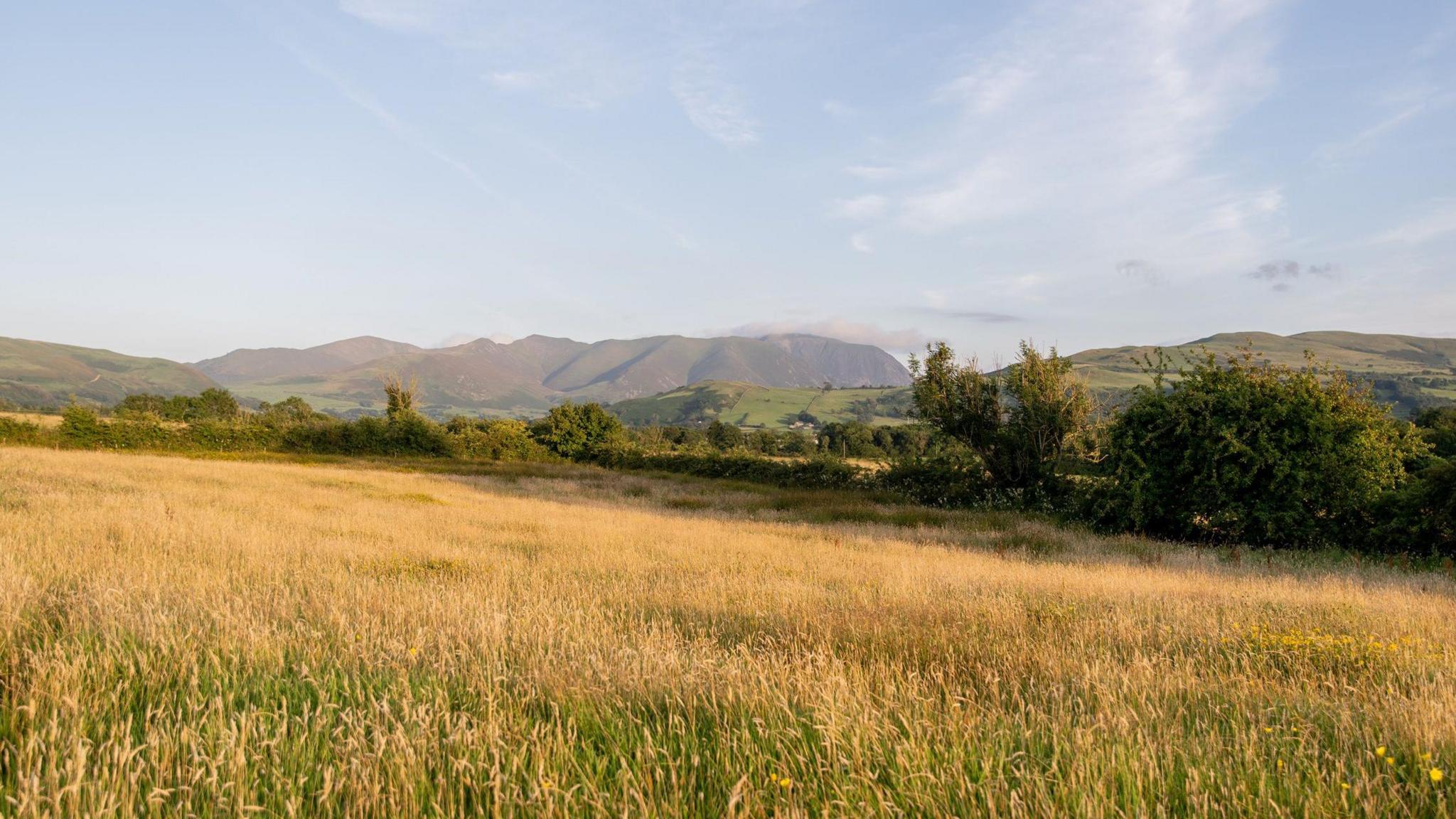
Despite any external apprehension, Joe firmly believes that his late father-in-law, Jim Parkin, would have wholeheartedly approved of their vision. "Jim really loved nature," Joe stated, revealing a deeper connection between the project and the farm’s past custodian. This rewilding endeavour is not just an ecological experiment or a financial strategy; it is also a poignant tribute. "So it’s kind of like a bit of a nod to him as well, like it’s nice to do something with the land that he would approve of." The project ensures that Greenbank Farm will continue to thrive, not just as a productive entity, but as a vibrant sanctuary for wildlife, honouring Jim’s inherent appreciation for the natural world that surrounded his home. This transformation offers a unique way for the Ropers to connect with Jim’s legacy, channeling their grief into a constructive and environmentally positive purpose.
Looking ahead, the Ropers’ journey at Greenbank Farm has the potential for far-reaching impacts beyond their 80 acres. Environmentally, the restoration of diverse habitats will bolster local biodiversity, support pollinators, and potentially contribute to carbon sequestration through enhanced soil health and new woodland creation. Improved water quality in the area, a common benefit of such projects, could also positively affect local river systems. Economically, Anne Gray emphasized that such projects provide a "secure, diversified source of income that allows [landowners] to invest in the long-term future of their land, while continuing to play an important role in managing the countryside, supporting wider environmental outcomes, and supporting the rural economy." Personally, Jessie and Joe’s story is one of profound transformation, moving from city life to becoming dedicated custodians of a thriving natural landscape, finding new purpose and fulfillment in their unique connection to the land. Their bold step could serve as an inspiring model for other landowners considering alternative, more sustainable futures for their own inherited properties, demonstrating that legacy can evolve and adapt to meet contemporary ecological challenges. Greenbank Farm, once a traditional agricultural holding, is now poised to become a beacon of nature recovery in Cumbria, a testament to the vision, resilience, and commitment of Jessie and Joe Roper.


 atisusanti
 George Anjay
 Nakalama John
 Ramos Leo