
 Nana Banana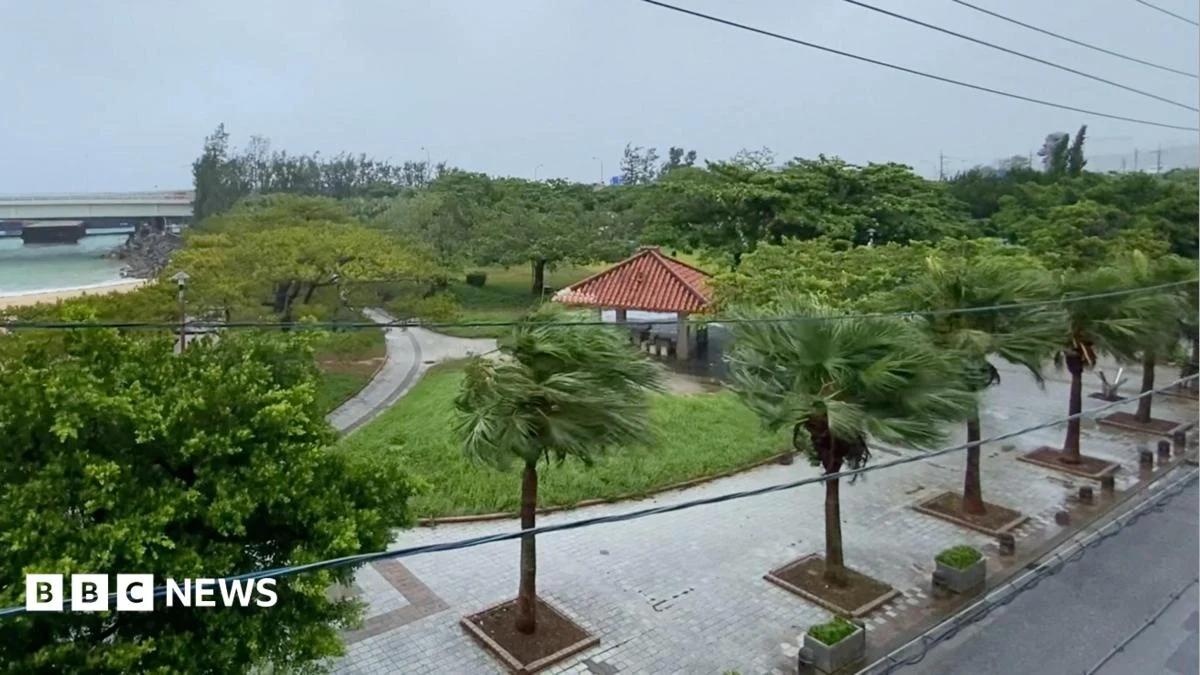
On Saturday, the formidable Typhoon Dolphin made its presence acutely felt across Okinawa, a strategically important Japanese prefecture known for its vibrant culture, pristine beaches, and significant military installations. The storm’s initial assault resulted in power outages affecting a staggering 44,000 buildings, plunging homes and businesses into darkness and disrupting essential services. This widespread loss of electricity underscored the typhoon’s intensity, as utility crews braced for extensive repair work amidst ongoing hazardous conditions. The sudden absence of power immediately impacted communication networks, refrigeration, and heating or cooling systems, creating immediate challenges for the affected communities.
Beyond the infrastructure damage, the typhoon also caused injuries to at least five individuals on Okinawa. The prefectural government confirmed that these were elderly residents, sustaining non-life-threatening injuries. Three of these individuals reportedly suffered falls directly attributable to the typhoon’s ferocious winds, highlighting the sheer force of the gusts that made even standing outdoors a perilous endeavor. Such incidents serve as stark reminders of the physical dangers posed by severe weather, especially for vulnerable populations.
In anticipation of Dolphin’s arrival, air travel to and from Okinawa was severely curtailed. Naha International Airport, the main gateway to the island, was forced to close its operations on Friday, leading to the cancellation of numerous flights. This pre-emptive measure, while disruptive for thousands of travelers and local residents, was crucial for ensuring public safety and preventing potential accidents during the peak of the storm. Stranded passengers faced unexpected delays, and the temporary cessation of air traffic had immediate, albeit short-term, economic repercussions for the region’s vital tourism sector.
The Japan Meteorological Agency (JMA) categorized Typhoon Dolphin as "very strong," a designation reflecting its significant destructive potential. On Saturday, the storm was recorded with maximum sustained wind speeds of 162 kilometers per hour (approximately 101 miles per hour), with even higher gusts. This level of intensity is comparable to a Category 2 hurricane on the Saffir-Simpson scale, indicating the capacity for extensive damage to well-built homes and considerable harm to trees and power lines. The JMA issued comprehensive warnings to the public, emphasizing the imminent threats of high waves, dangerous storm surges, and frequent lightning strikes. High waves posed a severe risk to coastal areas, capable of sweeping away structures and debris, while storm surges threatened to inundate low-lying regions, exacerbating flooding and contamination risks. The accompanying lightning strikes added another layer of peril, increasing the potential for fires and direct injury.
The primary areas in Japan directly impacted by Typhoon Dolphin were the islands of Okinawa and Amami, both situated in the far southwestern reaches of the country. These islands, accustomed to seasonal typhoons, nevertheless faced a significant test of their resilience. Local authorities and emergency services were activated well in advance, implementing preparedness protocols to mitigate the storm’s impact. Evacuation advisories were issued for areas at high risk of flooding and landslides, encouraging residents to seek shelter in designated safe zones.
Reports from Japan’s national broadcaster, NHK, painted a vivid picture of the typhoon’s destructive power. Throughout Nago city in Okinawa, numerous accounts emerged of trees being toppled by the relentless winds, blocking roads and damaging property. The sight of mature trees uprooted and strewn across thoroughfares underscored the extreme force exerted by Dolphin. In one particularly striking incident, a car was discovered overturned and leaking oil in a parking lot, a clear testament to the storm’s violent gusts. This incident not only highlighted the physical danger but also raised environmental concerns regarding potential fuel contamination. The combined effect of these incidents created a landscape of immediate recovery challenges for local communities.
As Typhoon Dolphin gradually moved past Okinawa, its trajectory shifted westward, setting a course for China’s eastern coast. Meteorologists projected the storm to make landfall in China late on Sunday or early on Monday, prompting a cascade of urgent preparedness measures across several provinces. Chinese authorities, drawing on extensive experience in managing powerful typhoons, acted swiftly and decisively to protect lives and infrastructure.
Coastal provinces, particularly those in the potential path such as Fujian and Zhejiang, initiated comprehensive emergency response plans. Ports along the eastern seaboard were ordered to shut down, halting all shipping traffic and recalling fishing fleets to safer harbors. This critical measure aimed to prevent maritime accidents and safeguard the lives of thousands of seafarers. The economic impact of such port closures, even for a short duration, can be substantial, disrupting supply chains and affecting international trade.
Furthermore, schools in the projected impact zones were closed, prioritizing the safety of students and staff. This decision allowed families to make necessary preparations and avoid unnecessary travel during hazardous conditions. Evacuation orders were issued for residents in low-lying coastal areas, vulnerable islands, and regions prone to landslides and flash floods. Emergency shelters were activated, equipped with essential supplies and manned by rescue personnel ready to assist those displaced by the storm.
The Chinese government’s response also included mobilizing emergency services, positioning rescue teams, and stockpiling relief supplies in anticipation of potential widespread damage. Public awareness campaigns were launched through various media channels, urging residents to stay indoors, secure loose objects, and monitor official weather updates closely. These proactive measures aimed to minimize casualties and facilitate a more efficient recovery process once the typhoon had passed.
Beyond the immediate concerns, the impending arrival of Typhoon Dolphin in China raised broader questions about the potential for agricultural damage, particularly to rice paddies and other staple crops, and the impact on industrial output in the highly developed coastal regions. Power outages, flooding, and disruptions to transportation networks could significantly impede economic activity, even temporarily. The sheer scale of China’s population and industrial base means that even a moderate typhoon can have far-reaching consequences.
Meteorologically, typhoons like Dolphin are tropical cyclones that form in the western Pacific Ocean, typically characterized by a low-pressure center, strong winds, and heavy rainfall. The warm waters of the Pacific provide the necessary energy for these storms to develop and intensify. While a regular occurrence during the typhoon season, the intensity and specific trajectory of each storm present unique challenges. The JMA and China Meteorological Administration continuously monitored Dolphin’s movement, providing updated forecasts to aid in decision-making for disaster management.
As the storm progressed, the focus for Okinawa shifted to recovery and assessment of damage, with utility companies working tirelessly to restore power and local authorities beginning clean-up operations. Meanwhile, China braced for impact, its vast coastal regions preparing for the full force of Typhoon Dolphin, a natural phenomenon that once again underscored the immense power of nature and the critical importance of preparedness and resilience in the face of such formidable forces. The aftermath would undoubtedly involve significant reconstruction efforts and a thorough evaluation of the effectiveness of the pre-emptive measures taken.




 atisusanti
 George Anjay
 Nakalama John

 Ramos Leo