George Anjay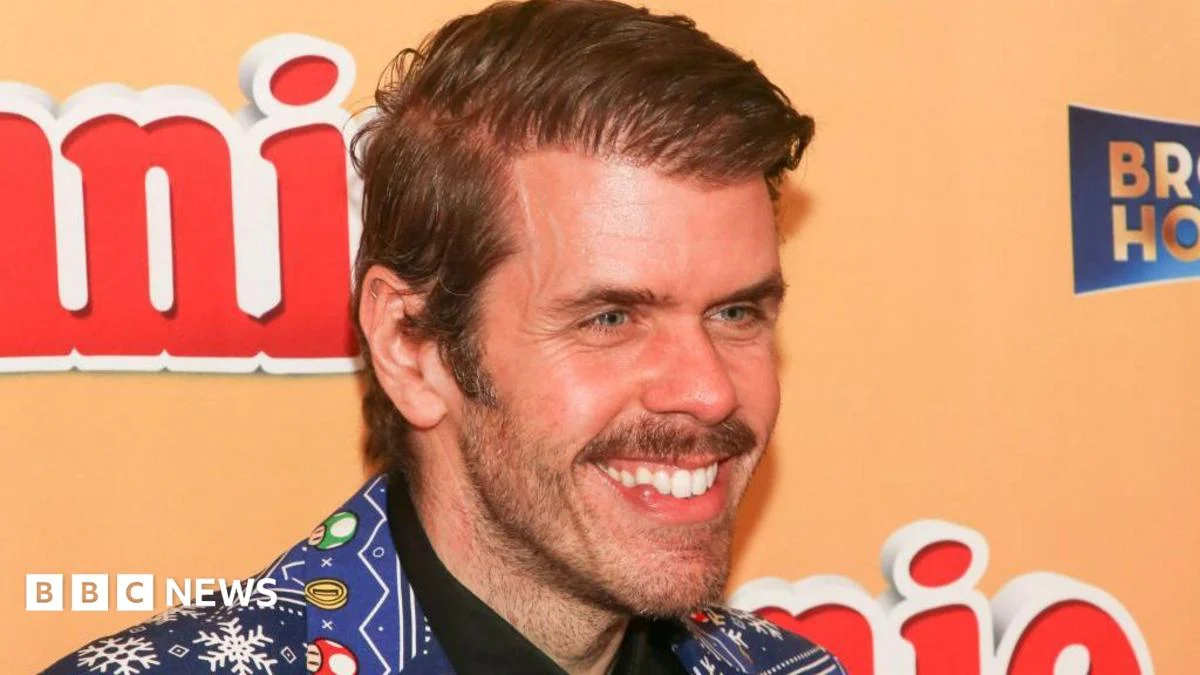
Miami, FL – Renowned celebrity blogger Perez Hilton, whose real name is Mario Lavandeira, is currently in a "serious but stable" condition at a Miami hospital following a deeply concerning incident that unfolded during a TikTok livestream on Tuesday. The 48-year-old father of three experienced significant blood loss and is facing a prolonged recovery period, according to a statement released by his family on his official website. Emergency services were dispatched to his Miami residence after concerned members of the public alerted authorities while observing the distressing livestream.
The Miami-Dade County Sheriff’s Office confirmed their attendance at a scene where a man was reportedly "livestreaming acts of self-harm" on Tuesday afternoon. While the Sheriff’s office did not officially confirm the identity of the individual, they stated that the man was alone in the residence at the time of their arrival. The statement from Hilton’s website elaborated on the gravity of his condition, indicating that his treatment and subsequent recovery would be an "arduous and extensive process."
In the immediate aftermath of the incident, Hilton was admitted to the hospital under Florida’s Baker Act. This legislation is designed to provide individuals experiencing a mental health crisis with necessary assessments and services, facilitating their access to care and support. He is reportedly slated to undergo surgery in the coming days, underscoring the severity of his injuries.
The incident has also brought renewed scrutiny to the social media platform TikTok. A spokesperson for TikTok confirmed that their automated moderation systems detected the livestream and flagged it for review by their US moderation team within minutes of its commencement. However, a spokesperson acknowledged that "a moderator error" resulted in a delay in the content’s removal. Despite this, the company stated that they swiftly alerted law enforcement to the unfolding situation. Subsequent livestreams initiated by the same account were reportedly terminated within 90 seconds, and the account itself has since been permanently banned from the platform.
The pseudonym "Perez Hilton" itself carries a significant cultural footprint. Launched in 2005, at the zenith of Paris Hilton’s global fame, the celebrity gossip blog quickly became a dominant force in the nascent landscape of online entertainment news. At its peak, the website attracted an astonishing 8 million daily hits, a remarkable feat in an era when the internet was still in its relative infancy and online content consumption was not as ubiquitous as it is today.
Perez Hilton’s blog became notorious for its often scathing and unsparing commentary on the lives of celebrities. He was known for his sharp wit, often crossing the line into what many perceived as malicious gossip and personal attacks. Stars like Miley Cyrus and Lady Gaga, among countless others, found themselves on the receiving end of his often brutal critiques. His brand of celebrity journalism, while undeniably popular, also drew significant criticism for its perceived lack of empathy and its contribution to a culture of online shaming.
In the intervening years, however, Hilton himself has publicly acknowledged a shift in his perspective. In a notable admission in later years, he expressed regrets about his past behavior, stating that he wished he had not been "mean or cruel" in his reporting. This sentiment suggests a period of introspection and a potential re-evaluation of his impact on the public figures he covered and the wider online discourse.
Beyond his influential blog, Perez Hilton has also ventured into other areas of popular culture. He has made appearances on various reality television programs, including "Celebrity Rap Superstar" and the British iteration of "Celebrity Big Brother." These forays into television provided him with a different platform to engage with audiences and further solidify his presence in the entertainment industry.
The circumstances surrounding his current hospitalization have understandably sent shockwaves through the entertainment world and among his substantial online following. The incident serves as a stark reminder of the profound impact that online platforms can have, both positively and negatively, on individuals’ lives and mental well-being. The role of social media in facilitating the dissemination of content, the speed at which it can spread, and the potential for harm when moderation systems fail are all critical issues that have been brought to the forefront by this distressing event.
The decision to place Hilton under the Baker Act highlights the serious concern for his mental health and the immediate need for professional intervention. This legal framework provides a pathway for individuals to receive involuntary psychiatric evaluation and treatment when they pose a danger to themselves or others, or are gravely disabled due to a mental disorder. The fact that he is being held under this act underscores the severity of the situation and the commitment to ensuring he receives the necessary care.
As Perez Hilton embarks on a "long process" of recovery, the focus for his family and close associates will undoubtedly be on his physical and mental healing. The incident also raises broader questions about the responsibilities of social media platforms in safeguarding their users and the content that is shared. While TikTok has acknowledged an error in moderation, the speed and nature of the livestream underscore the ongoing challenges in effectively policing online content in real-time.
The legacy of Perez Hilton is complex, marked by both immense popularity and significant controversy. His candid admission of regret suggests a journey of personal growth, but the events of Tuesday have cast a somber shadow. The coming days and weeks will be crucial for his recovery and for understanding the full scope of the challenges he faces. The public’s attention will likely remain fixed on his progress, with a hope for his eventual return to health and a continued dialogue about the impact of online culture on mental well-being. The situation serves as a poignant reminder that behind the curated personas and the digital noise, individuals are often navigating deeply personal struggles that require compassion, understanding, and appropriate support.


 Nakalama John
 Ramos Leo
 Nana Banana