George Anjay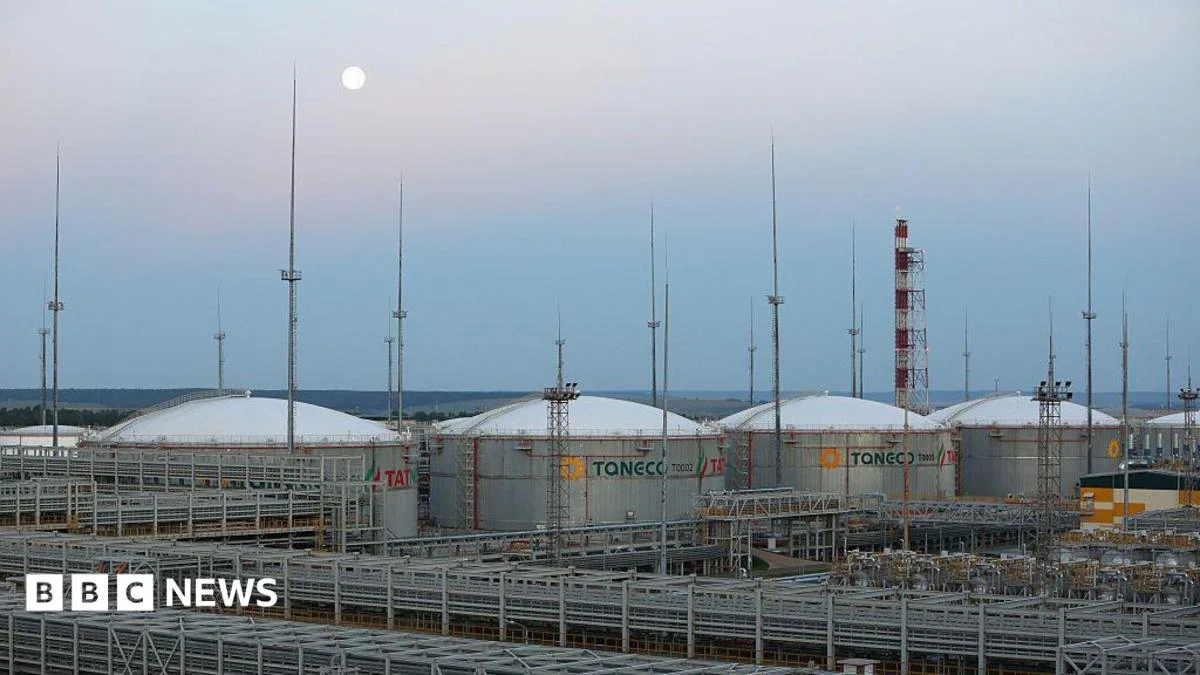
In a devastating escalation of the ongoing conflict, at least thirteen individuals, including a child, have been killed and 39 more sustained injuries following a significant Ukrainian drone strike on the Russian republic of Tatarstan. This incident marks one of the deadliest single attacks on Russian territory since the commencement of Moscow’s full-scale invasion of Ukraine, underscoring the widening reach and increasing intensity of the aerial conflict. The targeted city, Nizhnekamsk, is strategically located over 1,100 kilometers (approximately 680 miles) from the Ukrainian border, a distance that highlights the advanced capabilities of the drones employed in the operation. Nizhnekamsk is a vital industrial hub, renowned for its extensive network of major oil refineries and a substantial petrochemical company, making it a key component of Russia’s economic and potentially military infrastructure.
The strike, according to local accounts, was prolonged and harrowing, commencing overnight and persisting into the early morning hours. Unverified but widely circulated images and videos on social media platforms depict scenes of chaos and destruction, with colossal plumes of smoke and intense flames erupting into the daylight sky, all set against the chilling backdrop of wailing air raid sirens. While Kyiv has yet to officially acknowledge or comment on its involvement in the attack, the timing and nature of the strike align with Ukraine’s stated strategy of targeting facilities that contribute revenue and logistical support to Russia’s war machine.
Russian authorities, through their Investigative Committee, confirmed that industrial facilities were indeed among the targets, but crucially, also admitted that residential areas were impacted. This admission carries significant weight, as it directly implicates the presence of civilian casualties. The committee stated that "Civilian individuals who were not involved in any military operations were present," a stark acknowledgment of the tragic human cost of the attack. The BBC has not yet independently verified this specific assertion regarding the presence of civilians in industrial zones.
Rustam Minnikhanov, the head of Tatarstan, has officially confirmed the drone strike and has extended his profound condolences to the grieving families of the deceased. The gravity of the loss was further echoed by Nizhnekamsk mayor Radmir Belayev, who described the event as "a tremendous pain for all of us." In response to the tragedy, a period of mourning has been officially declared across the republic of Tatarstan, a somber testament to the devastating impact of this attack.
In a separate claim, Moscow asserted that its air defense systems had successfully intercepted and downed over 450 Ukrainian drones during the overnight period. This figure, if accurate, suggests a massive and coordinated aerial assault by Ukraine, met with a significant defensive response from Russia.
Ukraine has demonstrably increased its capacity and success in conducting long-range strikes deep within Russian territory in recent months. These attacks have frequently targeted critical infrastructure, including warehouses and energy facilities, leading to a growing number of civilian casualties on the Russian side. This evolving dynamic in the aerial war signifies a strategic shift, with Ukraine effectively projecting its offensive capabilities far beyond the immediate front lines.
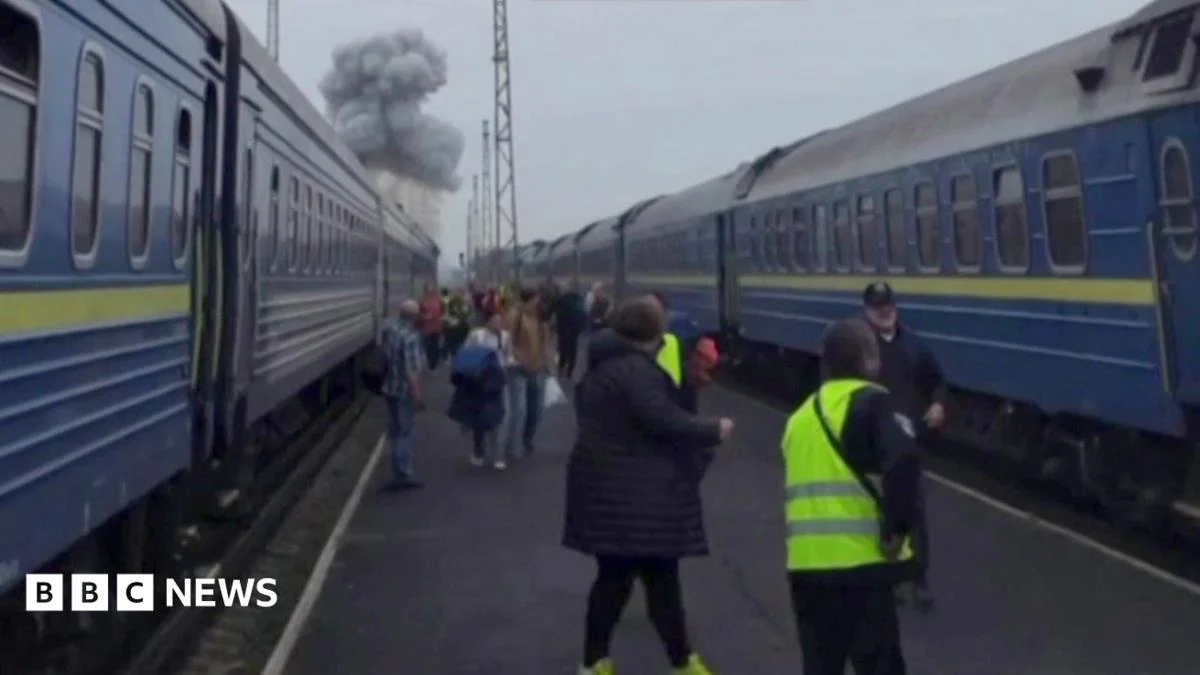
Conversely, Russia continues its relentless campaign of aerial bombardment against Ukraine, regularly launching large-scale attacks that indiscriminately target cities and residential centers. The human toll of these Russian strikes remains appallingly high. Just last week, a combined drone and missile assault on Kyiv resulted in the deaths of 21 people, highlighting the persistent danger faced by Ukrainian civilians. Furthermore, in Kharkiv, a city situated perilously close to the front lines, five individuals were killed overnight as a direct consequence of Russian artillery shelling, underscoring the ongoing brutality and indiscriminate nature of the conflict. The drone attack on Tatarstan, therefore, represents a significant, albeit tragic, development in the broader context of this protracted and devastating war. The psychological impact of such attacks on both sides is profound, fostering a climate of fear and insecurity, and raising serious questions about the future trajectory of the conflict and the potential for further escalation. The targeting of industrial and potentially civilian areas, regardless of the stated strategic objectives, inevitably leads to a devastating loss of innocent lives, exacerbating the already immense human suffering.



 Nakalama John
 Ramos Leo
 Nana Banana