George Anjay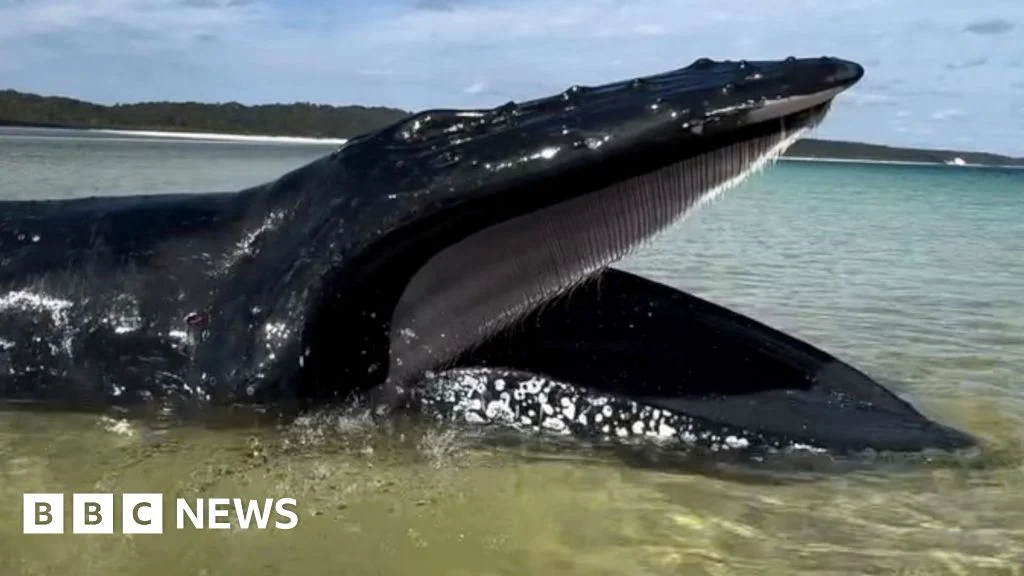
The tranquil shores of Wathumba Creek on K’gari, also known as Fraser Island, a UNESCO World Heritage site off the coast of Queensland, Australia, became the unexpected scene of a remarkable encounter on Sunday, August 9th. It was here, amidst the soft sands and the gentle lapping of waves, that a young girl, accompanied by her mother, made a heart-stopping discovery: a majestic humpback whale, beached and vulnerable, its immense form resting awkwardly on the shoreline. The discovery, made on a picturesque afternoon, sent ripples of concern through the small community and sparked immediate efforts to understand and address the plight of the magnificent marine mammal.
The whale, identified as a humpback, a species renowned for its migratory journeys and captivating songs, was found in a precarious situation. Stranded animals, particularly those as large and powerful as whales, present a complex challenge for both the animals themselves and the humans who discover them. The exact reasons for stranding are often multifaceted, ranging from disorientation due to illness or injury, to navigational errors caused by environmental factors such as strong currents, underwater noise pollution, or even shifts in the Earth’s magnetic field. In the case of K’gari, a popular tourist destination known for its diverse marine life, the incident underscored the delicate balance between human presence and the natural world.
The young girl’s initial sighting, likely a mixture of awe and concern, prompted her mother to act swiftly. The immediate priority for any responsible beachgoer encountering a stranded marine animal is to ensure the safety of both the animal and themselves. The Queensland Department of the Environment, Tourism, Science and Innovation, the relevant authority in such situations, emphasizes a strict protocol: do not touch, interfere with, or approach stranded marine animals. This advice is crucial for several reasons. Firstly, stressed and injured animals can be unpredictable and may pose a risk of injury to humans, even if unintentionally. Secondly, human interaction can exacerbate the animal’s stress levels, potentially hindering its chances of survival. Lastly, and most importantly, untrained intervention can cause further harm to the animal.
Instead, the protocol dictates immediate reporting to the authorities. This allows trained wildlife rescuers, veterinarians, and marine biologists to assess the situation, determine the best course of action, and provide expert care. The Queensland Department of the Environment, Tourism, Science and Innovation serves as the primary point of contact, equipped to coordinate rescue efforts and deploy the necessary resources. Their swift notification by the girl and her mother would have been instrumental in initiating the response.
Fortunately, the narrative of this particular stranding took a turn towards a more positive outcome. While the initial discovery undoubtedly caused distress, the whale exhibited remarkable resilience. In the afternoon of Sunday, August 9th, as the tides began to shift and perhaps buoyed by a surge of natural instinct or the receding waters, the humpback whale managed to self-release. This spontaneous liberation, a testament to the animal’s strength and the power of natural forces, allowed it to return to the deeper waters it calls home. The Queensland Department of the Environment, Tourism, Science and Innovation confirmed this fortunate development, bringing a collective sigh of relief to those who had been monitoring the situation.
The self-release of a stranded whale is a significant event, often a cause for celebration among conservationists and the public alike. It signifies the animal’s ability to overcome a life-threatening situation and re-enter its natural environment. However, it also serves as a stark reminder of the challenges faced by marine life in our oceans. Humpback whales undertake some of the longest migrations of any mammal, traveling thousands of kilometers between their feeding grounds in polar waters and their breeding grounds in warmer climes. During these arduous journeys, they are susceptible to a range of threats, including entanglement in fishing gear, ship strikes, and the pervasive issue of plastic pollution.
K’gari, with its pristine beaches and vibrant coral reefs, is a vital ecosystem that supports a rich diversity of marine life, including migrating whales. The island’s protected status under UNESCO World Heritage underscores its global significance and the collective responsibility to safeguard its natural wonders. Incidents like the stranding at Wathumba Creek highlight the ongoing need for vigilance and education regarding the conservation of these magnificent creatures and their habitats.
The advisory from the Queensland Department of the Environment, Tourism, Science and Innovation – to avoid touching, interfering with, or getting too close to stranded marine animals and to report them immediately – cannot be overstated. This guidance is not merely a set of rules; it is a crucial element in a larger strategy to protect vulnerable wildlife. It empowers the public to be proactive stewards of the environment by providing clear, actionable steps that prioritize the animal’s welfare and facilitate expert intervention.
The discovery by the young girl and her mother, while leading to a potentially distressing situation, ultimately resulted in a successful outcome due to the whale’s own resilience and the adherence to proper reporting protocols. It serves as a powerful illustration of how ordinary citizens can play a vital role in conservation efforts. Their keen observation and responsible actions ensured that the appropriate authorities were alerted, setting in motion the monitoring process that ultimately confirmed the whale’s safe return to the sea.
Furthermore, this incident provides an opportunity to deepen public understanding of humpback whale behavior and the challenges they face. Humpback whales are known for their complex social structures, their elaborate vocalizations, and their spectacular breaching displays. Educating the public about these aspects of their lives can foster a greater appreciation for these animals and strengthen the collective will to protect them. Understanding their migratory patterns, their feeding habits, and the threats they encounter can inspire more informed actions, from reducing plastic consumption to supporting sustainable fishing practices.
The waters surrounding K’gari are a critical corridor for humpback whales during their annual migration. Witnessing such an event, even from a distance and with concern, can leave a lasting impression. For the young girl and her mother, the experience would have been unforgettable, offering a profound connection with nature and a tangible reminder of the wild beauty that exists in their own backyard. It underscores the importance of marine protected areas and the ongoing need for research and monitoring to understand and mitigate the various threats that imperil these iconic species.
The successful self-release of the humpback whale at Wathumba Creek is a cause for optimism, but it should not lead to complacency. The ongoing pressures on marine ecosystems necessitate continued vigilance and a commitment to conservation. The Queensland Department of the Environment, Tourism, Science and Innovation, along with numerous other organizations, works tirelessly to rescue stranded animals, conduct research, and implement policies aimed at protecting marine life. The public’s role in this effort, through responsible behavior and prompt reporting, remains indispensable. The story of the young girl and the stranded whale on K’gari serves as a poignant reminder of our shared responsibility to protect the ocean’s inhabitants and the delicate balance of the natural world.




 Nakalama John
 Ramos Leo
 Nana Banana