Nana Banana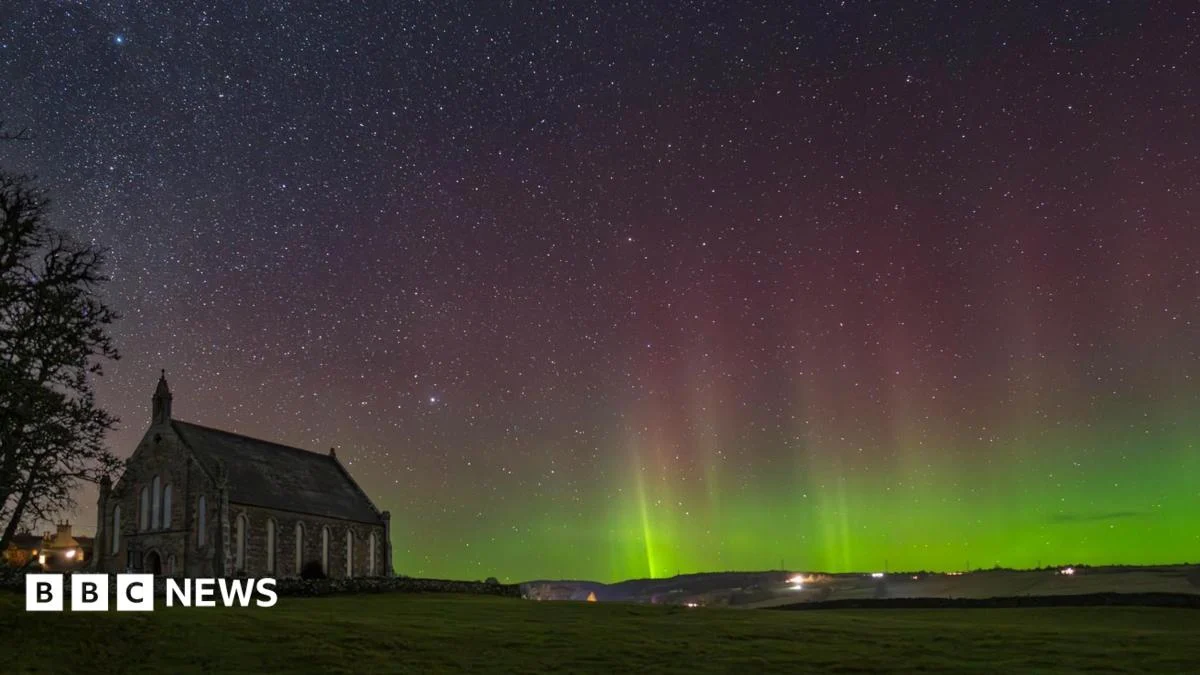
The report meticulously details a multifaceted array of benefits anticipated from the widespread adoption of these dark skies principles. Foremost among these are significant environmental advantages, encompassing reduced carbon emissions attributable to lower energy consumption. Every kilowatt-hour saved from unnecessary outdoor lighting contributes directly to the fight against climate change, lessening the demand on power generation and the associated release of greenhouse gases. Beyond climate impacts, the guidance promises lower adverse effects on both human populations and the diverse wildlife that calls the Highlands home. For humans, excessive artificial light at night disrupts natural circadian rhythms, potentially leading to sleep disturbances, chronic health issues, and a general decline in well-being. By fostering darker environments, communities can promote healthier living patterns and reconnect with the natural cycles of day and night.
Wildlife, particularly nocturnal species, faces profound challenges from light pollution. Bats, for instance, rely on darkness for hunting insects and navigating their habitats; bright lights can disorient them, disrupt their foraging patterns, and fragment their territories. Migratory birds, often navigating by moonlight and starlight, can become disoriented by urban glow, leading to fatal collisions with illuminated structures or expending vital energy reserves flying in circles. Insects, crucial to the ecosystem as pollinators and a food source for countless other animals, are irresistibly drawn to artificial lights, often dying of exhaustion or predation, leading to significant population declines. Amphibians and reptiles, sensitive to changes in light, can have their breeding and feeding behaviours disrupted. Even marine life in coastal areas can be affected, with artificial light impacting tidal movements and predator-prey dynamics. The guidance aims to safeguard these delicate ecological balances, ensuring the Highlands remains a sanctuary for its unique biodiversity.
Financial benefits are another compelling driver behind the initiative, primarily through reduced energy usage and bills. For individual homeowners, businesses, and the local authority itself, implementing smart lighting solutions translates directly into tangible cost savings. By employing fully shielded fixtures that direct light downwards, using lower wattage bulbs, installing motion sensors, and setting timers to switch off lights when not needed, significant reductions in energy consumption can be achieved. These savings accrue over time, offering a compelling economic incentive alongside the environmental ones. The initial investment in dark-sky-friendly lighting often pays for itself rapidly through decreased operational costs, making it a fiscally responsible choice for individuals and public bodies alike.
Crucially, the guidance also identifies substantial tourism economy benefits, centring on retaining and enhancing visitors’ ability to enjoy the unparalleled spectacle of the night sky. Astro-tourism is a rapidly growing niche market, attracting individuals from across the globe eager to experience truly dark skies, free from urban light pollution. The Highlands, with its vast, sparsely populated expanses and clear, unblemished nightscapes, is perfectly positioned to capitalise on this trend. By actively preserving and promoting its dark skies, the region can brand itself as a premier destination for stargazing, astrophotography, and celestial observation. This attracts a specific demographic of visitors who often stay longer, spend more on specialist equipment, guided tours, and accommodation, and seek out unique, authentic experiences. Such tourism generates revenue for local businesses, supports employment in rural areas, and encourages the development of related services, from stargazing guides to bespoke accommodation offerings designed for night sky enthusiasts. The economic ripple effect can be significant, bolstering the sustainability of fragile rural communities.
In the report, practical mitigation strategies have been suggested to reduce the glare of outside lights, including the strategic planting of trees and the erection of fencing. These natural and constructed barriers can effectively screen light sources, absorbing stray light and preventing its upward scatter or horizontal spread into sensitive areas. However, these are just a few components of a broader toolkit for dark sky preservation. The guidance advocates for the widespread adoption of "full cutoff" or "fully shielded" light fixtures, which ensure that all light emitted is directed downwards, preventing any upward light spill that contributes to skyglow. Furthermore, it promotes the use of warm-coloured LED lighting (typically below 3000 Kelvin) which has a lower blue light component, reducing its disruptive impact on wildlife and its contribution to skyglow compared to cooler, bluer light. The intelligent deployment of motion sensors and timers is also encouraged, ensuring lights are only active when and where they are truly needed.
Officials acknowledged that some communities would understandably prefer to have exterior lighting for safety and security reasons. This perspective is vital and has been carefully considered within the draft guidance. The aim is not to plunge areas into absolute darkness, but rather to implement "smart lighting" solutions that provide adequate illumination where necessary, without compromising the dark sky environment. This involves targeted, well-designed lighting that focuses light precisely where it is required, avoiding unnecessary spill into surrounding areas. Community engagement and education are paramount to addressing these concerns, demonstrating how dark sky principles can be integrated with effective safety measures. By working collaboratively with residents and businesses, the Council aims to foster an understanding that responsible lighting can enhance both safety and environmental quality simultaneously.
The local authority has previously highlighted the Highlands’ unique geographical attributes, noting that its large, sparsely populated areas offer astronomy fans some of the darkest skies in Europe. This natural advantage is a fundamental asset, setting the region apart on a continental scale. The scientific measurement of sky quality, often using the Bortle scale or Sky Quality Meters, consistently demonstrates that vast swathes of the Highlands exhibit exceptionally low levels of artificial skyglow, indicative of truly pristine dark skies. This natural endowment provides an unparalleled opportunity to become a leading destination for astronomical observation and appreciation, attracting both amateur astronomers and professional researchers.
Building upon this inherent advantage, 2024 saw a significant milestone for the region: the Isle of Rum, a stunning Hebridean island within the Highland Council area, was officially named Scotland’s first International Dark Sky Sanctuary by the esteemed organisation DarkSky International (formerly the International Dark-Sky Association). This designation is reserved for the most remote and fragile dark places whose exceptional dark skies are threatened by light pollution. The rigorous criteria for sanctuary status include possessing an exceptionally dark night sky, a commitment to preserving nocturnal environments, and demonstrating public outreach and educational programs about light pollution and dark sky conservation. Rum’s achievement is a testament to its pristine environment and the dedication of its community to protect this precious resource.
The recognition of Rum underscores the potential for other areas within the Highlands to pursue similar designations, further cementing the region’s reputation as a global leader in dark sky preservation. These designations serve not only as badges of honour but also as powerful tools for conservation, driving local policy changes, raising public awareness, and attracting sustainable tourism. The draft dark skies guidance is therefore a crucial step in a broader, long-term vision for the Highlands. It aims to integrate dark sky conservation into planning policy, educate residents and businesses on responsible lighting, and foster collaboration between local authorities, environmental groups, tourism bodies, and communities. While challenges such as initial implementation costs and securing universal public acceptance remain, the comprehensive benefits outlined in the report provide a compelling rationale for embracing this guidance, ensuring that the majestic night skies of the Highlands remain a source of wonder and inspiration for generations to come.



 George Anjay
 Nakalama John
 Ramos Leo