Nana Banana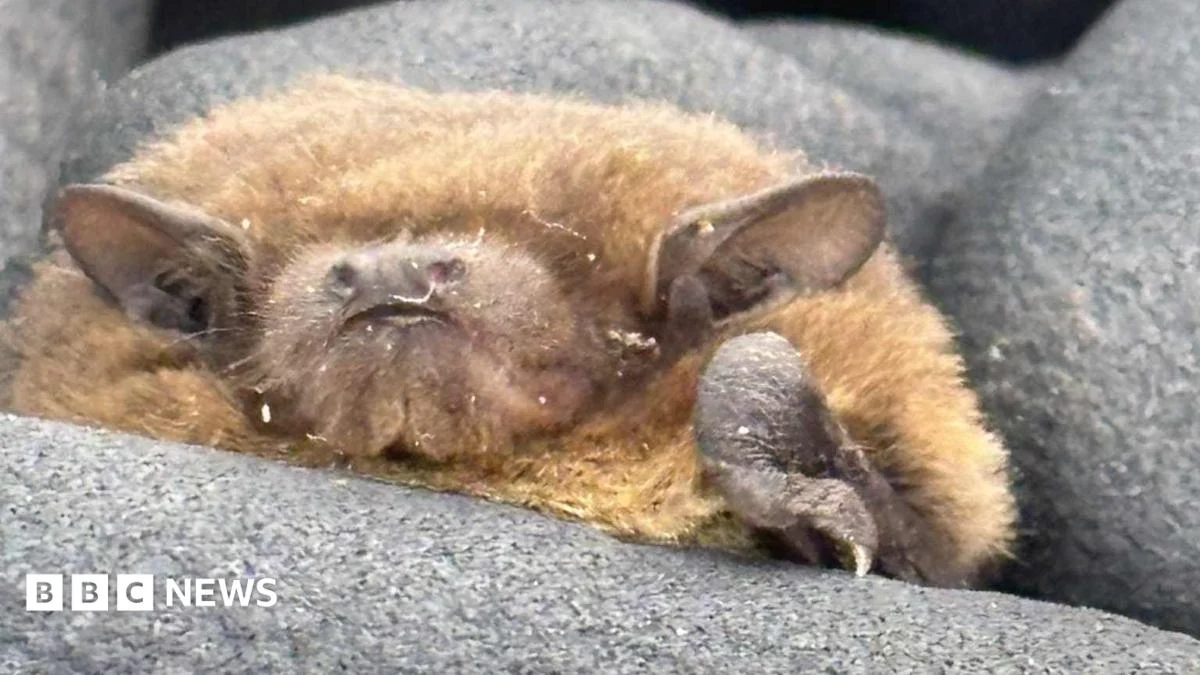
The discovery of a rare species of breeding bat, the Nathusius’ pipistrelle, roosting in woodland near a South Yorkshire reservoir marks a significant milestone for regional biodiversity and conservation efforts. This confirmation near a Yorkshire Water site in the Sheffield area represents the first recorded instance of this elusive species in South Yorkshire, underlining the success of targeted habitat enhancement and innovative monitoring techniques. The find not only expands our understanding of the bat’s distribution but also highlights the critical role of collaborative conservation in safeguarding vulnerable wildlife populations.
The initial detection of the Nathusius’ pipistrelle came through cutting-edge environmental DNA (eDNA) analysis. In March, ecologists collected eDNA samples from a series of specially designed bat boxes installed within the woodland. These samples, containing minute traces of genetic material shed by the bats, provided the first compelling evidence of the species’ presence. This revolutionary method allows for the identification of species without direct observation, offering a powerful, non-invasive tool for monitoring biodiversity. The analysis of these eDNA samples was expertly conducted by NatureMetrics, a biodiversity intelligence company renowned for its advanced genetic sequencing capabilities.
Following the promising eDNA indications, ecologists from Yorkshire Water and the South Yorkshire Bat Group undertook follow-up surveys to physically confirm the presence of the rare bat. Their persistence paid off in April when a Nathusius’ pipistrelle was visually spotted and confirmed at another nearby bat box. This direct observation provided crucial validation for the eDNA results, solidifying the discovery as the first confirmed roost of the species in South Yorkshire. This two-pronged approach, combining high-tech genetic analysis with traditional field observation, proved instrumental in documenting this exciting ecological find.
Sean Davey, lead ecologist at Yorkshire Water, expressed immense satisfaction with the discovery, particularly given the recent establishment of the habitat enhancements. "The bat boxes on the Sheffield site were installed only nine months prior to the initial eDNA detection," Davey noted, highlighting the rapid success of the initiative. "It’s incredibly encouraging to see them being quickly adopted by multiple bat species, demonstrating the immediate positive impact of our conservation efforts." This swift uptake by various bat species underscores the thoughtful design and strategic placement of the roosting structures, which were meticulously crafted to mimic the natural features bats seek out for shelter and raising their young.
The bat boxes, crucial to this discovery, were funded as part of Yorkshire Water’s proactive species conservation programme. Installed in late 2023, they form a vital component of the company’s broader commitment to enhancing biodiversity across its extensive landholdings. These artificial roosts are designed to provide safe, stable, and suitable environments for bats, thereby boosting local populations and supporting their overall ecological health. By investing in such infrastructure, Yorkshire Water aims to create thriving habitats that contribute significantly to regional and national conservation goals, especially for species like the Nathusius’ pipistrelle that are known to be particularly sensitive to habitat loss and disturbance.
The Nathusius’ pipistrelle (scientific name: Pipistrellus nathusii) is a fascinating and often elusive species, distinguishing itself from its more common relatives, the common and soprano pipistrelles. According to the Bat Conservation Trust, it is similar in appearance to the common pipistrelle but is typically slightly larger, with a noticeably longer, shaggier fur on its back, often appearing reddish-brown. Its wingspan can reach up to 27 centimetres, and it typically weighs between 6 and 15 grams. These bats are primarily insectivorous, feeding on small flying insects such as midges, mosquitoes, and small moths, which they expertly catch on the wing, often foraging over water bodies, making the reservoir environment an ideal hunting ground.
One of the most remarkable characteristics of the Nathusius’ pipistrelle is its migratory behaviour. Unlike many resident bat species, Nathusius’ pipistrelles are known to undertake significant migrations, traversing long distances between their breeding grounds in the UK and wintering sites across continental Europe. These journeys can span hundreds, even thousands, of kilometres, showcasing incredible endurance and navigational prowess. The discovery of a breeding colony in South Yorkshire is particularly significant because it indicates that these migratory bats are not merely passing through but are successfully establishing and reproducing within the UK landscape, further cementing its status as a valuable breeding species.
Dr. George Muscatt, a product ecologist at NatureMetrics, elaborated on the power of eDNA technology in uncovering such hidden ecological treasures. "Environmental DNA consists of tiny traces or fingerprints of DNA that species in that ecosystem have left behind," he explained. "These microscopic fragments, shed through skin cells, faeces, or urine, can be collected from surfaces like the inside of bat boxes and then analysed to identify the species present." He contrasted this with traditional survey methods, which often demand considerable time and effort. "Previously, our team would have had to climb trees at night, often waiting for hours, to try to visually identify a species occupying a bat roost – a process that is not only time-consuming but also prone to missing elusive species."
The efficiency of eDNA sampling is a game-changer for bat monitoring. "By taking a surface swab approach, we’ve been able to monitor a far larger number of bat boxes in a very short space of time," Dr. Muscatt asserted. This capability allows ecologists to gain a more comprehensive understanding of species distribution across wider areas, identifying populations that might otherwise remain undetected through sporadic visual checks. The ease of data collection and analysis using eDNA makes it a potentially invaluable monitoring tool for ecologists, capable of revealing "unexpected and valuable" results like the Nathusius’ pipistrelle finding. This enhanced knowledge is critical for ensuring that effective conservation measures are targeted precisely where they are most needed, maximizing their impact on biodiversity.
The collaboration between Yorkshire Water, NatureMetrics, and the South Yorkshire Bat Group exemplifies a synergistic approach to conservation. Yorkshire Water provides the land and the commitment to habitat enhancement, the South Yorkshire Bat Group contributes invaluable local expertise and volunteer support, and NatureMetrics brings cutting-edge scientific analysis. This partnership model is increasingly recognized as vital for tackling complex environmental challenges and achieving meaningful conservation outcomes. The successful detection of the Nathusius’ pipistrelle serves as a powerful testament to what can be achieved when diverse organizations combine their strengths for a common ecological purpose.
The confirmation of a Nathusius’ pipistrelle breeding roost in South Yorkshire is not merely a local success story; it contributes significantly to the national understanding of this rare migrant bat. The species has historically been difficult to monitor in the UK due to its elusive nature and migratory habits, meaning data on its distribution and population status is relatively sparse. Each new confirmed roost provides crucial data points that help conservation bodies like the Bat Conservation Trust build a more accurate picture of its presence and inform broader conservation strategies. This discovery reinforces the importance of ongoing habitat creation and monitoring programmes, particularly in areas near water bodies that are attractive to these bats.
Looking ahead, the techniques employed in this discovery – specifically the use of eDNA swabs in conjunction with strategically placed bat boxes – are expected to play an increasingly prominent role in future ecological surveys. The ability to monitor a large number of potential roost sites efficiently and non-invasively opens up new avenues for understanding and protecting bat populations, as well as other elusive species. This progressive approach promises to not only enrich our knowledge of the natural world but also to empower conservationists with the tools they need to ensure that rare species like the Nathusius’ pipistrelle continue to thrive for generations to come in South Yorkshire and beyond.




 George Anjay
 Nakalama John
 Ramos Leo