
 Nana Banana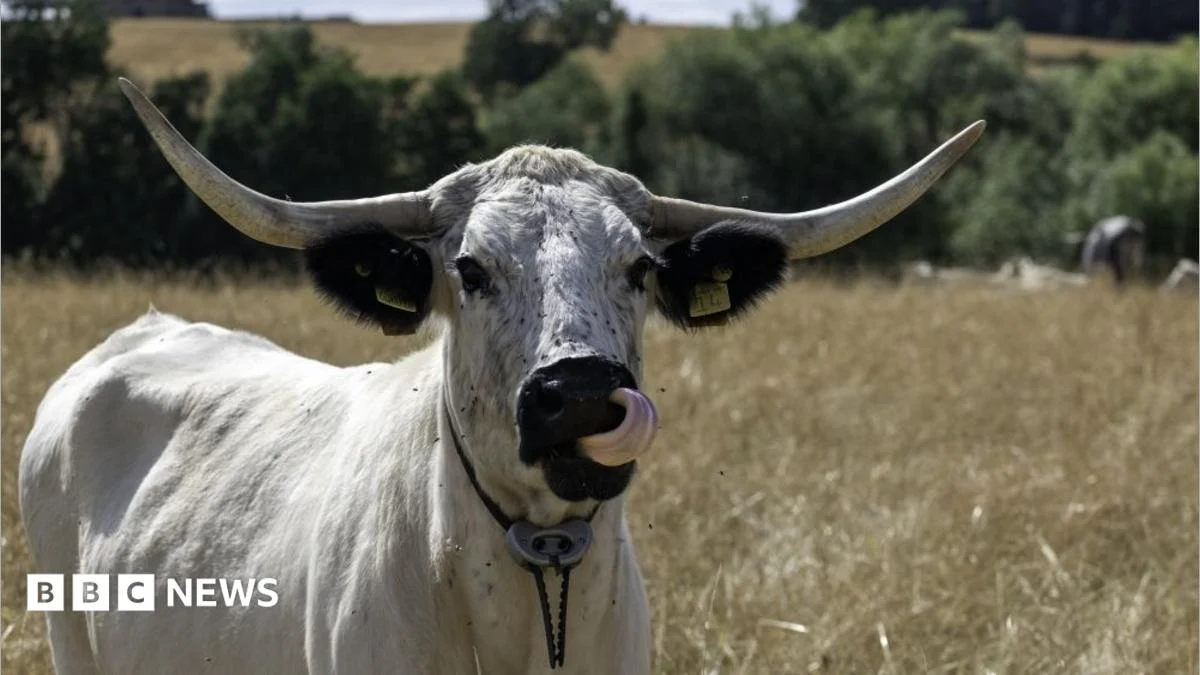
A rare breed of cattle has been introduced to the grounds of a historic house in North Yorkshire as part of a significant, long-term 30-year conservation project. The arrival of the White Park cows, considered one of the most ancient and visually striking species of its kind, marks the latest phase of the ambitious Bog Hall rewilding scheme on the sprawling Castle Howard Estate, situated near the market town of Malton. This initiative underscores a growing commitment among historic estates to actively restore and enhance natural ecosystems, moving beyond traditional land management to embrace ecological regeneration.
White Park cattle possess a lineage tracing back possibly thousands of years, with their distinctive all-white coat, often with black points on the muzzle, ears, and hooves, making them easily identifiable. Historically, these majestic animals roamed wild parks across Britain and Ireland, prized for their meat, milk, and their striking appearance. Their rarity today places them on conservation watchlists, making their reintroduction to suitable habitats a critical component of preserving genetic diversity and ancient agricultural heritage. On the Castle Howard Estate, their role transcends mere aesthetic appeal; their grazing in the newly-sown meadows is a fundamental ecological intervention designed to "help create a more varied habitat structure," as articulated by the estate. This method of natural grazing, often referred to as ‘eco-grazing,’ mimics the patterns of prehistoric herbivores, preventing monocultures and promoting a mosaic of vegetation heights and types crucial for a wider array of flora and fauna.
The Bog Hall rewilding scheme itself is a testament to a forward-thinking approach to land management. Encompassing a substantial area within the wider 10,000-acre estate, the project aims to restore natural processes and allow ecosystems to largely manage themselves, with minimal human intervention. This vision includes the re-establishment of diverse habitats, from wetlands and woodlands to species-rich grasslands, all working in concert to boost biodiversity. The introduction of White Park cattle serves as a cornerstone of this strategy, acting as ‘ecosystem engineers’ that naturally control scrub encroachment, disperse seeds, and create disturbed ground vital for pioneer plant species. Their selective grazing habits encourage a broader spectrum of wildflowers, which in turn support insect populations, forming the base of a healthy food web for birds and small mammals.
Guy Thallon, the Head of Natural Environment at Castle Howard, emphasized the profound impact of these initiatives. He noted that reintroducing animals had been "inspiring for the whole Castle Howard team and beyond," highlighting the collective enthusiasm and dedication permeating the project. This inspiration extends beyond the immediate team, reaching volunteers, local communities, and visitors who witness the tangible return of nature. The success of such projects often hinges on this broader engagement and understanding, fostering a shared sense of responsibility for environmental stewardship. The rewilding scheme at Castle Howard is not merely about ecological restoration; it is also about reconnecting people with nature and demonstrating the profound positive change that can be achieved through dedicated conservation efforts.
Looking ahead, the Bog Hall scheme is poised for further transformative developments, with plans to release beavers in the autumn. Beavers, often dubbed "nature’s engineers," are renowned for their ability to significantly alter landscapes through their dam-building activities. Their reintroduction to British ecosystems, after being hunted to extinction centuries ago, is a powerful symbol of ecological recovery. At Castle Howard, the beavers are expected to create complex wetland habitats, slowing water flow, improving water quality, and increasing biodiversity by creating ponds, channels, and marshy areas. These wetlands provide crucial breeding grounds for amphibians, insects, and fish, which then support birds and mammals. Their presence will contribute to natural flood management, storing water during heavy rainfall and releasing it slowly, a valuable ecosystem service in an era of increasing climate variability.
Extensive preparatory work has been undertaken to ensure the successful and safe integration of these keystone species. Approximately three miles (5km) of specialized fencing has been installed around the rewilding area ahead of the beavers’ release. This robust perimeter serves multiple purposes: to contain the beavers within the designated area, protecting them from potential harm and preventing them from impacting sensitive agricultural lands outside the scheme, and equally, to protect other wildlife within the rewilding zone. Crucially, this infrastructure has been designed with other native species in mind. Badger tunnels and otter passes have been meticulously constructed beneath and through the fencing to maintain safe, unobstructed routes for existing wildlife. These measures are vital for preventing fragmentation of habitats and ensuring that the rewilding efforts benefit the entire ecosystem, not just the newly introduced species.
The collaborative spirit underpinning the project extends to a dedicated cadre of conservation volunteers. These individuals have played an instrumental role in preparing the site for its new inhabitants and the broader ecological transformations. As Thallon detailed, "The conservation volunteers have been preparing the site by creating ponds and planting willow." Their hands-on involvement, from digging new water features to establishing native plant species like willow – which provides food and building material for beavers – is invaluable. This volunteer work not only contributes directly to the project’s success but also builds community capacity, educates participants about ecological processes, and strengthens the bond between people and their local environment. Such grassroots engagement is often the unsung hero of large-scale conservation projects, bringing diverse skills and unwavering commitment to the forefront.
The long-term vision for Bog Hall is clear: to foster a resilient, self-sustaining ecosystem. Thallon’s concluding remarks encapsulate this aspiration: "We can’t wait to see the positive impact of nature’s engineers in the coming years." This statement speaks to the patience required in rewilding, acknowledging that ecological restoration is a generational endeavor. The "nature’s engineers" refer not only to the beavers but also to the White Park cattle and indeed, to all species that play a role in shaping and maintaining healthy habitats. The expectation is that over time, the landscape will transform, becoming richer in biodiversity, more robust in its ecological functions, and a vibrant example of how human-led initiatives can empower nature to thrive once more.
The Castle Howard Estate, with its rich history dating back to the late 17th century, is demonstrating a profound evolution in its approach to land stewardship. From being a meticulously managed landscape primarily for aesthetic and sporting purposes, it is now embracing a paradigm where ecological health and biodiversity are paramount. This shift reflects a broader national and international trend towards rewilding as a critical tool in addressing the twin crises of climate change and biodiversity loss. By reintroducing ancient breeds and keystone species, Castle Howard is not just preserving a piece of its own history but actively contributing to the future of Britain’s natural heritage, establishing a vital sanctuary for wildlife in the heart of North Yorkshire. The Bog Hall project serves as a compelling model for other large landowners, illustrating the tangible benefits of restoring natural processes and allowing wildness to return to the land.


 Ramos Leo
 Nakalama John
 Roy Suryo
 atisusanti
 George Anjay