Ramos Leo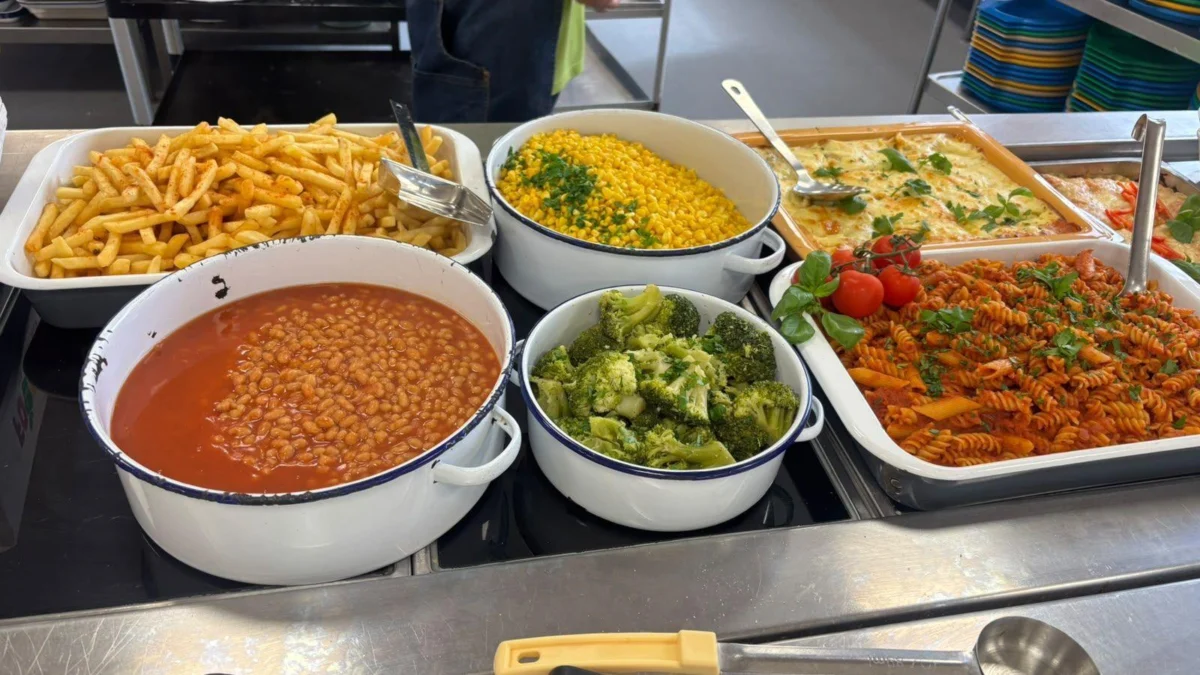
Under the new directives, not only will deep-fried items be completely removed from menus, but there will also be a mandated increase in fibre and wholegrain content in meals. For the first time, breakfast clubs will be brought under a rigorous nutritional framework, ensuring that the day starts with a healthy foundation. Furthermore, schools will face enhanced monitoring to ensure compliance, a move designed to embed these changes effectively across the system.
The Association of School and College Leaders (ASCL) has voiced its support for the ambitious changes, acknowledging the positive intent behind them. However, General Secretary Pepe Di’Iasio expressed a cautious note, hoping that the new regulations would not become "another stick with which to beat head teachers," highlighting potential challenges in implementation and resource allocation. The government has stated that the changes will be funded through existing school budgets, which raises questions about the capacity of schools to absorb additional costs or invest in necessary infrastructure upgrades without dedicated new funding streams.

The detailed framework introduces specific modifications to popular menu items. Sweet desserts, traditionally a staple, will see their frequency significantly reduced, offered only twice a week in secondary schools and a single time per week in primary schools. Crucially, these occasional treats must now be accompanied by a portion of fruit, aiming to balance indulgence with nutritional value. Processed meats, such as ham, sausages, and chicken nuggets, will also face restrictions, limited to once a week and always served alongside a compulsory side of vegetables or fruit. This measure targets the reduction of saturated fats and sodium often associated with such items, promoting a more balanced intake.
Education Secretary Lucy Powell hailed these as "once-in-a-generation changes," asserting that they are poised to "transform school food for children across the country." The Department for Education underscores that the primary objectives of these reforms are multifaceted: to combat the pervasive issue of childhood obesity, elevate nutritional standards, and foster improved concentration, learning capabilities, and overall wellbeing among pupils. These goals align with broader public health strategies aimed at addressing the long-term health challenges faced by the younger generation.
To ensure accountability and transparency, schools will be mandated to publish their food policies and menus online. This public disclosure, coupled with monitoring arrangements currently being developed in collaboration with the Food Standards Agency, aims to create a robust system of oversight. While ASCL’s Pepe Di’Iasio welcomed the reassurance this would offer parents regarding the healthy diet provided by schools, he reiterated concerns about enforcement. He stressed that school leaders are not inherently "experts in health and nutrition" and that additional investment in catering facilities and the professional development of school chefs is vital to successfully craft menus that meet the government’s lofty nutritional ambitions. Without such support, the burden of compliance could disproportionately fall on already stretched school administrations.

The shift away from deep-frying means that beloved chips will transition to an oven-baked preparation, drastically reducing their fat content. Similarly, pasta dishes will undergo a transformation, requiring at least 50% of the pasta served once a week to be wholewheat, thereby increasing fibre intake. The introduction of high-fibre bread as a mandatory offering further reinforces the focus on wholegrains, which are known to aid digestion, provide sustained energy, and contribute to better overall gut health.
Perhaps one of the most significant overhauls will be seen in breakfast clubs, which have historically operated without explicit nutritional guidelines. From next September, these early morning provisions will be subject to strict rules. Sugary pastries and fried eggs will be removed from the menu, and a stringent sugar cap will be applied to cereals. The government explicitly stated that popular sugary options like Coco Pops and chocolate spread would no longer be permitted. This change is particularly impactful given the expansion of free breakfast clubs, with 1,250 schools having offered them since February this year, providing a crucial start to the day for many children, especially those from disadvantaged backgrounds.
Farzana Ahmed, Principal of Oasis Blakenhale in Birmingham, a school that has benefited from the free breakfast club initiative, expressed strong support for the upcoming changes. "The more children that can access a hot, nutritious meal, the better it is for us, the better it is for them, and actually it really supports families with the reduction of their financial pressures at home," she stated, highlighting the dual benefits of improved nutrition and financial relief for families. While acknowledging the importance of monitoring, Ahmed also voiced the need for "more guidance from the government on what that’s going to look like on a day-to-day basis," echoing the ASCL’s call for practical support.

At Oasis Blakenhale, approximately 60% of pupils currently receive free school meals. With the recent expansion of eligibility to include all families receiving Universal Credit, Ahmed anticipates this figure will rise to around 70%. She described the policy as a "really positive move," emphasizing the critical link between a nutritional diet and pupils’ wellbeing, behaviour, and learning outcomes. This expansion ensures that more children from low-income households can access vital sustenance during the school day, mitigating the impacts of food poverty on educational attainment.
Kinza Butt, a working mother of three whose son now receives free school meals at Blakenhale Juniors, shared her personal relief. She described the policy as lifting a "burden off the shoulders," noting that her son no longer has to eat "cold sandwiches" and comes home "all happy because he’s having good, healthy meals with a snack as well." Her testimony powerfully illustrates the tangible positive impact of nutritious school meals on children’s daily lives and family welfare.
While England embarks on this significant reform, school dinner regulations across the United Kingdom exhibit variations due to devolved powers. In Wales, new guidance, expected by the end of the year, will place a greater emphasis on providing at least two portions of vegetables daily, with only water, milk, or plant-based drinks permitted for hydration. Scotland, which updated its legislation in 2020, requires students to be offered a minimum of two portions of vegetables and one portion of fruit every day, alongside oily fish served at least once every three weeks, reflecting a commitment to a balanced diet rich in micronutrients and healthy fats. Northern Ireland’s regulations, last updated in 2007, mandate daily bread offerings (without spread) and two portions of fruit and vegetables, with a specific clause that if beans or pulses constitute the protein component of a main course, an additional vegetable must be available. These differing approaches across the UK underscore a shared commitment to improving child nutrition but also highlight the diverse strategies employed to achieve that goal, tailored to local contexts and policy priorities. The success of England’s new standards will hinge on effective implementation, adequate resource allocation, and a collaborative effort between policymakers, educators, and catering professionals to truly transform the dietary landscape for the nation’s children.




 George Anjay
 Nakalama John
 Nana Banana