
 Nana Banana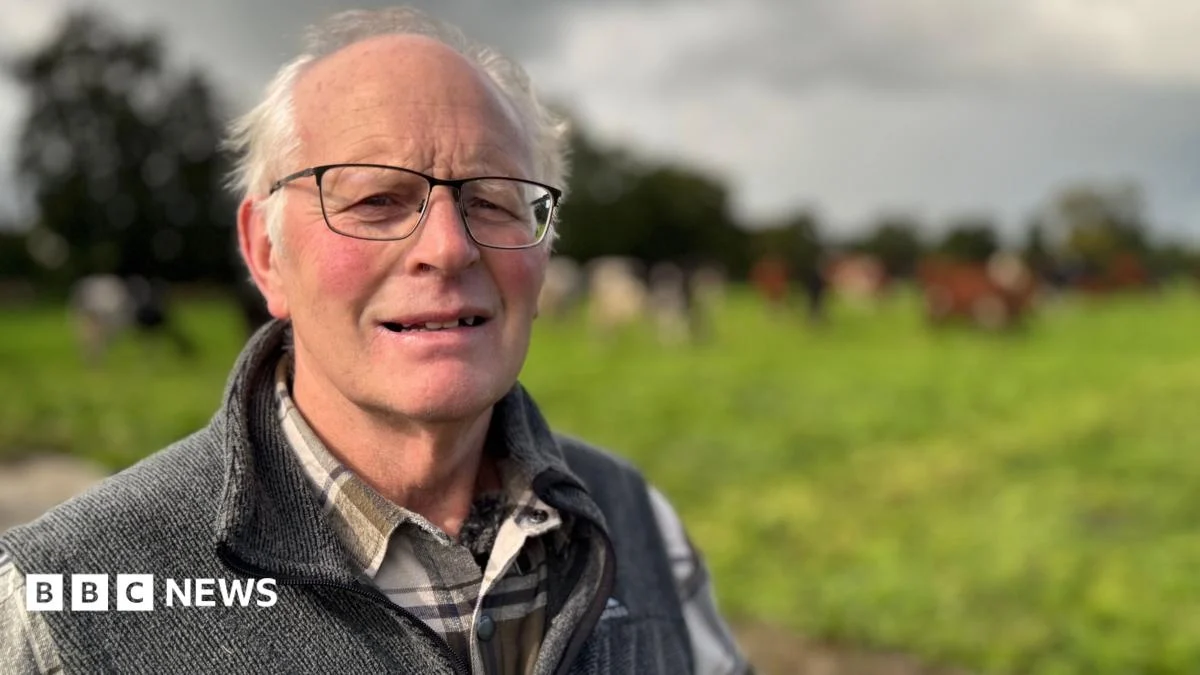
Mervyn’s connection to his animals ran deeper than mere livelihood; it was an ancestral bond, a way of life passed down through generations. To lose them all, not through his fault but by the insidious march of disease, was a spiritual blow. His farm, once a bustling hub of life and productivity, felt like a tomb. The loss was multifaceted: economic devastation, certainly, but also the wrenching emotional toll of parting with creatures he had nurtured from birth, each with its own personality. The silence that descended was not just an absence of sound, but an absence of purpose, of the very essence of his identity as a farmer.
The first wave of devastation struck in November 2021, when Mervyn’s initial batch of cows had to be culled. Compounding this personal tragedy, a dear friend who had been a constant presence on the farm for three generations also passed away around the same time, adding another layer of grief. The grim process continued relentlessly; another 120 cows were removed shortly after, followed by a further 40 just two months later. "The department decided to buy the herd out," Mervyn recounted, his voice still carrying the weight of those memories. "So by March 2022, we had no stock, no milking stock or adult stock whatsoever. The sheds were empty, the fields were empty. It was a complete wipeout." The finality of those words encapsulated the sheer scale of the obliteration.
Amidst this profound despair, Mervyn and his wife Ruth, who reside near Portglenone, found solace and an unwavering anchor in their deep-seated faith. They relied on it daily for "the strength to carry on," a testament to their resilience in the face of overwhelming adversity. Mervyn, a man who had always found comfort and expression in singing within his church community, was presented with an unexpected opportunity that autumn. His sister, witnessing his struggle and the quiet desolation that had settled upon him, suggested he join the Farmers’ Choir, which was then restarting its rehearsals in nearby Ballymena. It was a gentle nudge towards a world outside the silent fields, a lifeline offered in a moment of desperate need. He decided to give it a go, a small step into the unknown that would prove to be a monumental turning point.
That decision, made in a moment of vulnerability, turned out to be a "great lifter," a beacon of light piercing the gloom. Fast forward four years, and Mervyn’s life has been transformed. He has not only found a renewed sense of purpose and joy but has also experienced extraordinary opportunities, singing for none other than King Charles III and meeting musical royalty. The choir itself, a testament to the power of community and song, is now a contender for a prestigious national award, a remarkable journey from the quiet despair of a farmer to the national stage.
Mervyn quickly discovered that the choir offered a unique kind of reward, something refreshingly "different" from the relentless and often solitary demands of day-to-day farming. It was a much-needed relief from the tough, unyielding challenges that define agricultural life. He articulated a truth often unacknowledged: "Farming is one very lonely job, even more lonely than it was a generation ago, because labour is so difficult to get." The advent of automation, while increasing efficiency, has paradoxically reduced the need for human interaction, leaving farmers more isolated than ever before. "And it’s a very dangerous job," he continued, "especially for a man who’s working on his own. It has the effect of depressing you, and that’s why being involved in such a thing as a choir or any social event outside farming is good for anyone." His words painted a stark picture of the mental health challenges prevalent in rural communities, where the stoic nature of farming often discourages open discussion of feelings.
The musical director of the choir, Barkley Thompson, understands this reality intimately. He himself grew up on a dairy farm, witnessing firsthand the evolution of rural life. He recalls his father talking fondly of past harvest times, when neighbours would flock together, lending a hand to each other’s arduous tasks, before sharing "a bit of craic and banter" – a communal spirit that has largely faded from modern farming. Thompson recognizes that the choir serves a crucial role in filling this widening social gap that has emerged as farming has become increasingly mechanized and solitary.
"Social isolation and loneliness – the sad thing is in rural communities, people don’t always like to talk about that and acknowledge that," Thompson explained, highlighting the cultural barriers to addressing these critical issues. "And that’s why the choir is important to so many people. It’s not just about the singing. It’s about the friendship." He emphasized that the collective voice they create is more than just harmony; it’s a symbol of their collective strength and mutual support. The shared experience of singing, the camaraderie during rehearsals, the laughter, and the simple act of being together, all contribute to a powerful sense of belonging and well-being that transcends musical performance.
The choir’s journey took an extraordinary turn when nine of its members, including Mervyn and Ruth, found themselves selected to perform as part of the King’s Coronation concert. It was an experience beyond their wildest dreams. The journey to the grand stage, the awe-inspiring atmosphere of the event, and the sheer scale of the celebration were unforgettable. Amidst the pomp and circumstance, they had the honour of meeting the Duke and Duchess of Edinburgh, sharing a few words with the royal couple. But for Mervyn, one encounter stood out above all others: meeting one of his personal heroes, the renowned Welsh bass-baritone Bryn Terfel. Terfel, whose own father was a sheep farmer, immediately recognized a kindred spirit in the Farmers’ Choir.
"We were running around with these Farmers’ Choir vests, and he spotted us and he stopped and talked to us," Mervyn recalled, a twinkle in his eye. The shared heritage created an instant connection. "And he thought we were worth chatting to because we were farmers." It was a moment of profound validation, connecting the rural fields of County Antrim with the global stage, bridged by the common ground of agricultural roots. Terfel’s understanding and respect for their background underscored the unique identity and purpose of the choir, affirming its significance far beyond its musical notes.
Now, with a lighter heart and a renewed spirit, Mervyn has largely handed the operational reins of the farm over to one of his two sons, offering his invaluable assistance when required. This transition has allowed him more time to pursue his passion for singing and embrace the vibrant community of the choir. The rebuilding of the herd, a testament to enduring hope and hard work, began in the summer of 2022, with the first heifers arriving from Denmark a few months later – a symbol of new life and future prosperity. "We had started off from zero, built right up to what we see here today," Mervyn proudly stated, acknowledging the "tremendous work put in by, well, myself, but my son mainly, my two sons." It was a painstaking process, but one filled with the quiet determination that defines farming life.
Mervyn now has more time to dedicate to his singing, an activity that has become not just a hobby, but a vital part of his emotional well-being. "You always come out of that singing feeling far, far better than you went into it," he reflected, a simple yet profound observation. The power of music, camaraderie, and shared purpose has undeniably lifted him from the depths of despair, proving that even when the fields fall silent, a new melody can emerge. "And that’s the key to living, isn’t it?" he concluded, his words resonating with the universal truth that finding joy, connection, and a sense of belonging are fundamental to a fulfilling life, especially after facing profound loss. The Farmers’ Choir, born from quiet despair, has become a vibrant anthem of hope and resilience.


 Ramos Leo
 Nakalama John
 Roy Suryo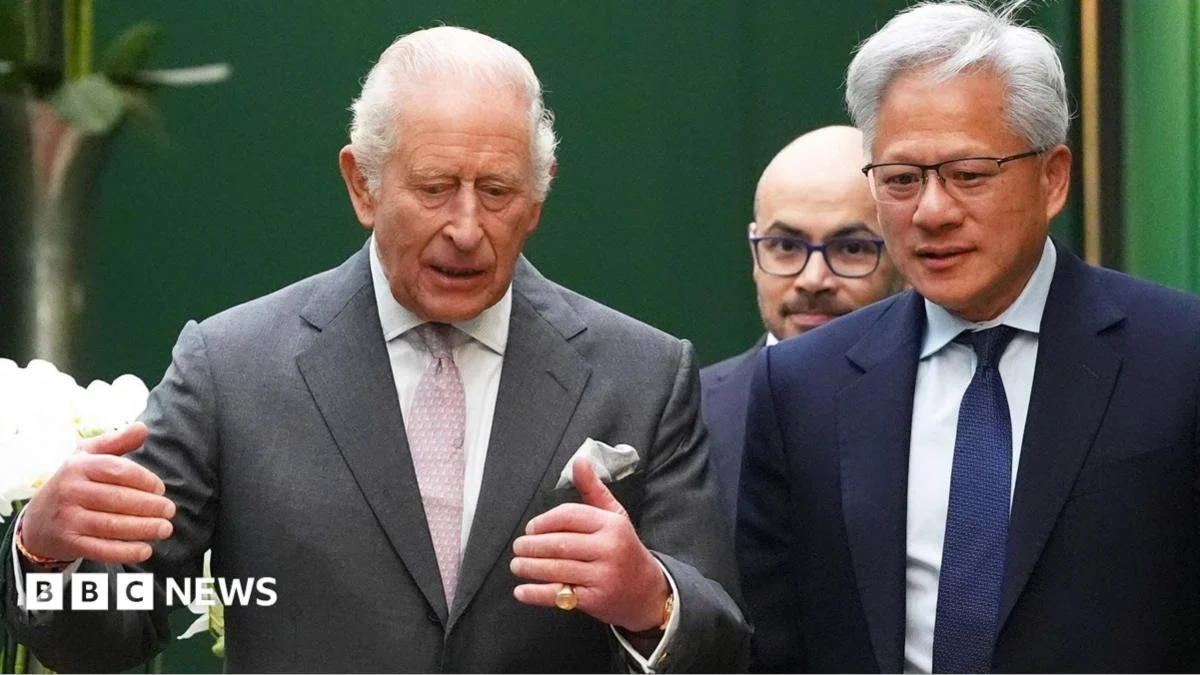
 atisusanti
 George Anjay