Nakalama John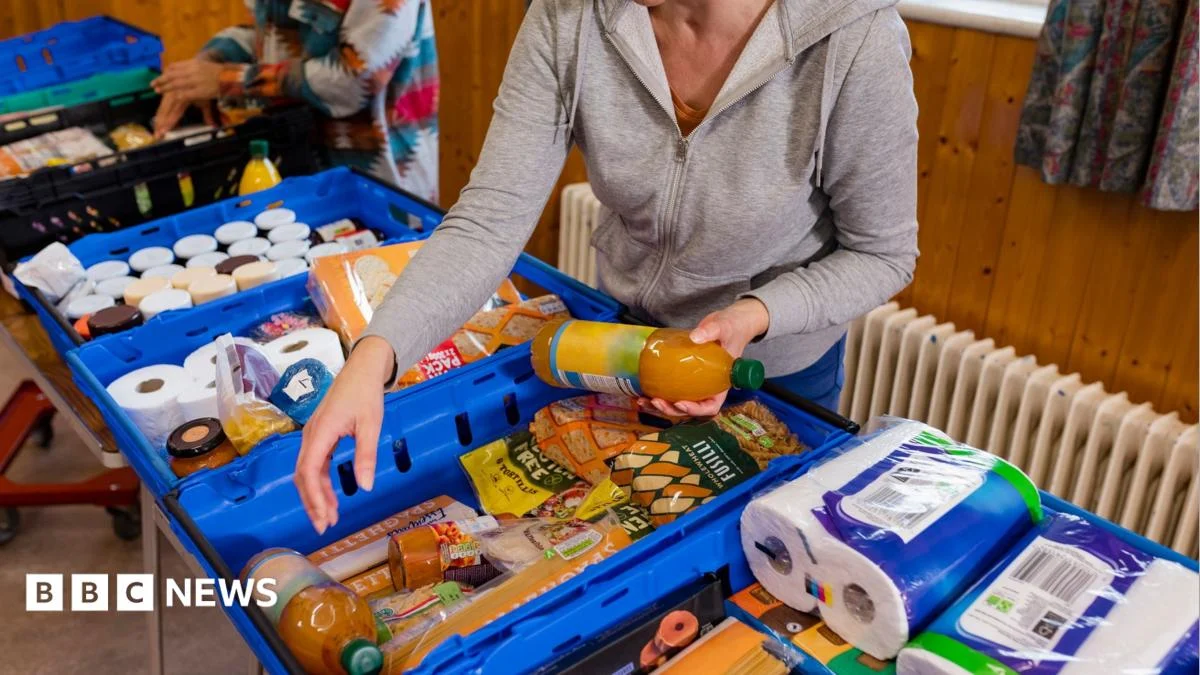
UK inflation, as measured by the Consumer Prices Index (CPI), soared to its highest level in five months in the year to August, according to the latest data released by the Office for National Statistics (ONS). This significant increase underscores the pervasive financial strain impacting households across the nation, eroding purchasing power and making essential goods and services increasingly unaffordable. The CPI measures the average change over time in the prices paid by urban consumers for a market basket of consumer goods and services, providing a key indicator of economic health and the cost of living. A sustained period of high inflation disproportionately affects lower-income households, who spend a larger proportion of their income on essentials like food and energy, which have seen some of the most dramatic price increases.
Among the most significant contributors to this inflationary surge has been the dramatic rise in motor fuel prices. Overall, motor fuel prices jumped by a staggering 23% compared to August last year, a substantial increase that has far-reaching consequences beyond just the individual motorist. This hike impacts supply chains, increasing the cost of transporting goods and ultimately feeding into higher prices for consumers across a multitude of sectors, from groceries to retail. Global geopolitical events, fluctuating crude oil prices, and refinery capacity issues have all played a role in driving up costs at the pump, exacerbating the financial squeeze on families and businesses alike.
The direct impact of these soaring prices is palpable on the streets of communities like Ystradowen in the Vale of Glamorgan, where drivers expressed deep apprehension about the future. Ron Jones, a resident of Cowbridge, voiced a resigned acceptance, stating he was driving less but conceded that higher prices were "to be expected, given the world as it is." This sentiment reflects a broader public understanding of global economic turbulence, yet it does little to alleviate the immediate financial burden. For many, reducing car journeys is not simply a matter of choice but a necessity, affecting access to work, education, and essential services, particularly in more rural areas where public transport options may be limited.
Joy Thomas echoed the widespread concern, describing current prices as "extraordinarily high" and highlighting the growing trend of consumers actively seeking out the cheapest petrol stations, often driving further to save a few pence per litre. This search for marginal savings underscores the desperation felt by many as every penny counts. Lewis Wall, 28, from Ystradowen, articulated a common frustration, calling prices "ridiculous." He added, "But what can we do about it? You can’t control the price and everyone needs fuel." His words encapsulate the feeling of helplessness experienced by individuals facing uncontrollable market forces, trapped by the necessity of transport in modern life. The cumulative effect of these rising costs extends beyond fuel, impacting disposable income and forcing difficult choices between heating, eating, and other necessities.
The severity of the crisis has prompted strong calls for action from various political figures. Sioned Williams, a prominent voice from Plaid Cymru, acknowledged the significant challenges ahead, stating the government would "do all we can to support families who are going to be finding it tough this winter." However, she quickly added a crucial caveat, emphasizing the need for "wider measures," many of which she argued "reside in Westminster." This highlights the complex interplay of devolved and reserved powers in the UK, where the Welsh Government can implement certain policies but often requires broader fiscal and legislative changes from the central UK government to address systemic issues effectively.
Williams specifically called on the UK government to introduce a system of cheaper energy prices for low-income households, known as social tariffs. "Social tariffs on energy is one of the main things I think that could really make a difference to people," she asserted. Such tariffs would involve a discounted rate for essential energy consumption for qualifying households, mirroring similar schemes found in other sectors like water or telecommunications. Proponents argue that social tariffs are a targeted and effective way to protect the most vulnerable from fuel poverty, ensuring that basic energy needs remain affordable regardless of market fluctuations. Implementing such a system would require significant coordination and commitment from energy suppliers and the UK government.
In response to the mounting pressure, the UK government outlined its existing and planned measures. A spokesperson stated: "We have cut VAT on electricity bills from October, on top of the £150 we removed from bills earlier this year, and we will keep looking at what more we can do to protect families from unaffordable bills." These measures are part of a broader package of support aimed at mitigating the cost-of-living crisis, which has included the Energy Price Guarantee, the Warm Home Discount, and the Household Support Fund, distributed to local authorities to provide targeted assistance. While these interventions offer some relief, critics often argue they are insufficient to counter the full force of inflation and the dramatic increase in household expenses.
The announcement of the £5 million ’emergency food aid’ fund by the Welsh Government directly addresses the immediate and critical need for food security. This substantial investment will empower Welsh councils to enhance their existing provisions, establish new initiatives, and work with local charities and community groups to ensure that no one in Wales goes hungry. The funding will likely be used to purchase food supplies for distribution, support the operational costs of food banks, facilitate community kitchens, and potentially fund initiatives that promote food education and reduce waste. It represents a stark recognition of the severity of the crisis, where direct intervention is required to meet fundamental human needs. The very necessity of an ’emergency food aid’ fund in a developed nation underscores the profound challenges facing a significant portion of the population.
However, political discourse surrounding the crisis also includes sharp criticisms of spending priorities. The Reform Party, for instance, stated that support to help ease the pressures of the cost of living "should be welcomed if delivered in the right way." But it also took aim at the Plaid Cymru government, suggesting it "could be doing more" if it did not "waste money" on projects like "spending taxpayer cash on planting trees in Uganda." This specific critique references a long-running climate resilience program funded by the Welsh Government, which aims to mitigate climate change impacts globally and provide sustainable livelihoods in developing countries.
The debate around such projects highlights differing philosophies on public spending and international development. Supporters of the Uganda project argue that climate change is a global issue requiring international cooperation, and that investing in climate resilience abroad ultimately benefits Wales by contributing to a more stable global environment and preventing future crises. Critics, however, contend that during a domestic cost-of-living crisis, all available funds should be directed solely towards immediate national needs, questioning the perceived value and direct benefit of overseas initiatives when local communities are struggling. This political back-and-forth reflects the broader challenge of balancing short-term domestic emergencies with long-term global responsibilities.
As winter approaches, the outlook for many Welsh households remains uncertain. Energy bills are expected to remain high despite government support, and food prices continue their upward trajectory. The £5 million emergency food aid fund is a vital lifeline, yet it also serves as a stark reminder of the underlying economic vulnerabilities. Coordinated and sustained action from both the Welsh and UK governments, alongside robust community support, will be essential to navigate the coming months and mitigate the profound impact of the ongoing cost-of-living crisis on the well-being of families across Wales. The long-term implications of sustained high inflation on public services, mental health, and social cohesion will require ongoing monitoring and strategic planning beyond immediate emergency measures.



 George Anjay
 atisusanti
 Ramos Leo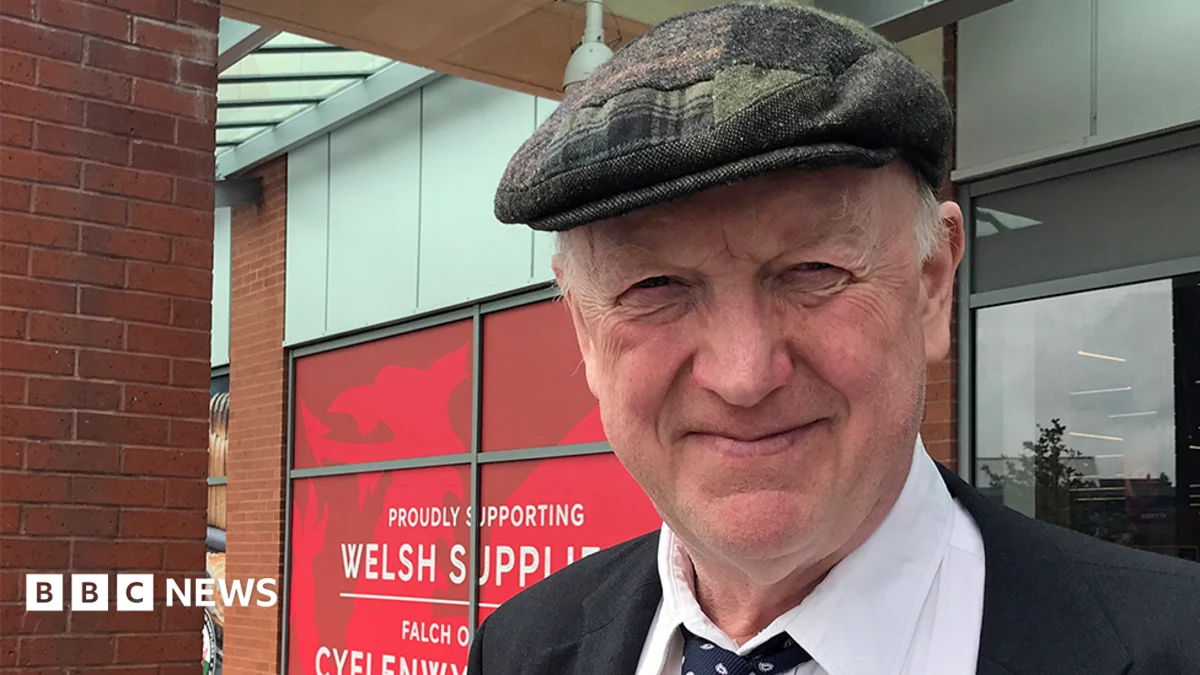
 Nana Banana