
 Roy Suryo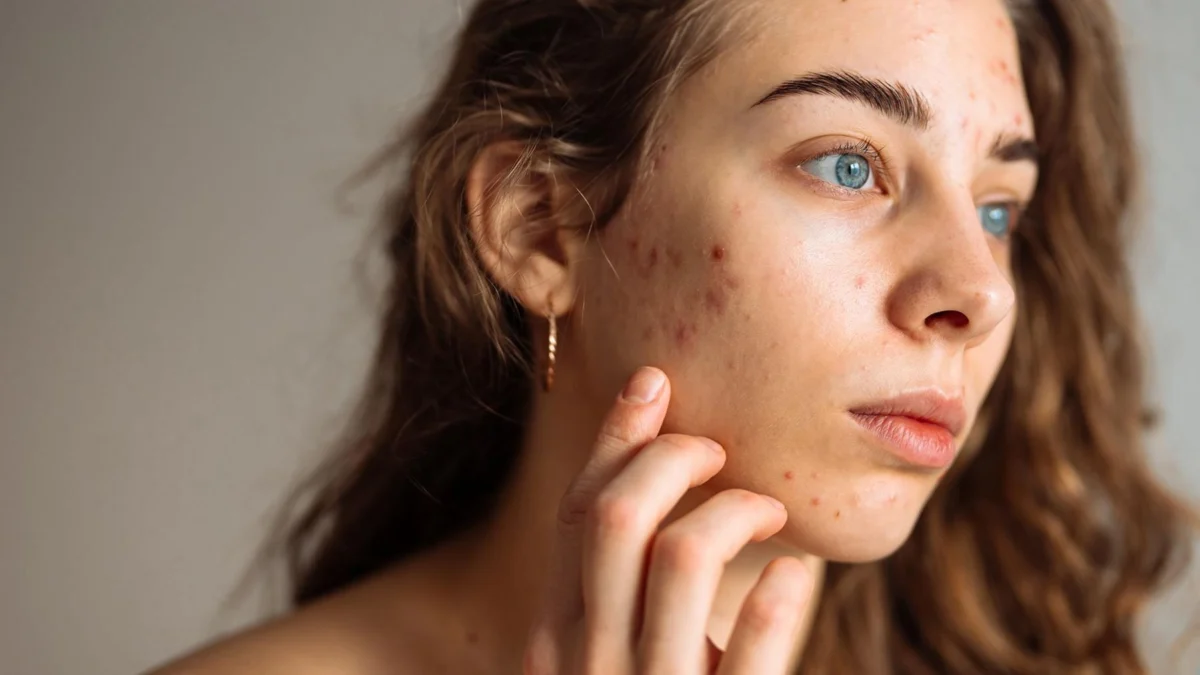
In an era dominated by social media, where "Get Ready With Me" (GRWM) videos and influencer-driven trends promote unattainable "glass skin" ideals, teenagers are often steered towards complex, multi-step skincare routines. However, the reality for adolescent skin, according to leading dermatologists, is far simpler and more forgiving than the curated perfection seen online. Dr. Jonathan Kentley, a consultant dermatologist, expresses concern over the "relentless images of unrealistic beauty standards" perpetuated on platforms like TikTok and Instagram. He states, "I’ve seen thousands of patients and I’ve never seen anyone with ‘glass skin.’ I don’t think it exists, and it’s just these over-filtered images that make children think that this is achievable when it’s not."
The truth is, visible pores, blackheads, blemishes, pigmentation, redness, and scarring are entirely normal aspects of teenage skin. Dr. Kentley emphasizes that "everyone’s normal is different" and that "there’s nothing that is really abnormal." This perspective challenges the notion that every minor skin imperfection requires an aggressive or elaborate treatment. The pressure to achieve flawless skin can lead to anxiety and the adoption of potentially harmful skincare practices.
The prevalence of acne during adolescence is undeniable, with over 80% of individuals aged 13 to 18 experiencing it. Dr. Zainab Laftah, another consultant dermatologist, explains that the hormonal shifts during puberty, particularly the rise in testosterone, are the primary drivers behind increased oil production and acne. While boys may experience these effects more pronouncedly, girls also have testosterone, leading to similar symptoms. "This, together with blocked hair follicles and inflammation, leads to blackheads, whiteheads and inflamed spots," Dr. Laftah notes. She reassures that "Acne is very, very common and it’s normal and treatable."
For those dealing with oily or acne-prone skin, certain active ingredients can be beneficial. Salicylic acid, for instance, is effective because it can penetrate oil-filled pores, helping to clear the buildup of sebum and dead skin cells. Dr. Laftah highlights its utility for teenagers, but crucially warns against "unnecessary or excessive use," which can lead to dryness and irritation. This underscores the importance of moderation and understanding one’s own skin’s needs, rather than blindly following trends.

When faced with severe acne or significant skin concerns, both Dr. Kentley and Dr. Laftah strongly advise seeking professional help. "If you’re suffering from severe acne or a severe skin problem, Dr. Kentley advises getting help from your GP or a dermatologist rather than engaging with people on social media on how to manage it," the article states. This professional guidance ensures that treatments are tailored to individual needs and based on scientific evidence, rather than anecdotal advice from unqualified individuals.
So, what constitutes an effective and simple skincare routine for teenagers? Experts Dr. Zainab Laftah and Dr. Jonathan Kentley offer their top five essential tips:
-
Cleanse Gently, Twice Daily: The cornerstone of any skincare routine is cleansing. For teenagers, this means using a mild, non-foaming cleanser to remove dirt, oil, and impurities without stripping the skin of its natural moisture. Washing in the morning helps remove oil and sweat accumulated overnight, while an evening cleanse is crucial for removing makeup, sunscreen, and the day’s environmental pollutants. Over-washing or using harsh, abrasive cleansers can disrupt the skin’s natural barrier, leading to increased sensitivity, dryness, and even more breakouts. A simple, gentle cleanser is key to maintaining a healthy skin ecosystem.
-
Moisturize, Even Oily Skin: Contrary to popular belief, even oily or acne-prone skin needs moisture. When skin is dehydrated, it can overcompensate by producing even more oil, exacerbating problems like acne. Opt for lightweight, oil-free, non-comedogenic moisturizers that won’t clog pores. Applying moisturizer after cleansing helps to hydrate the skin and maintain its barrier function, which is essential for overall skin health. This step is vital for preventing dryness and irritation, especially if acne treatments are being used.
-
Sun Protection is Non-Negotiable: Sun damage is a significant contributor to premature aging, hyperpigmentation, and an increased risk of skin cancer. Teenagers, regardless of their skin tone, must incorporate daily sun protection into their routine. A broad-spectrum sunscreen with an SPF of 30 or higher should be applied every morning, even on cloudy days. Many moisturizers now contain SPF, offering a convenient two-in-one solution. This habit, established early, can have long-term benefits for skin health and appearance.

-
Targeted Treatment for Breakouts (When Needed): While a simple routine is often sufficient, occasional breakouts are common. For mild acne, over-the-counter treatments containing ingredients like salicylic acid or benzoyl peroxide can be effective. Salicylic acid, as mentioned, works by unclogging pores, while benzoyl peroxide helps to kill acne-causing bacteria. It’s important to use these treatments sparingly and as directed, as they can cause dryness or irritation if overused. Applying a spot treatment directly to blemishes can help manage them without affecting the entire face.
-
Resist the Urge to Pick and Squeeze: This is perhaps one of the most challenging, yet crucial, pieces of advice. Picking at pimples or blackheads can lead to increased inflammation, infection, scarring, and hyperpigmentation, making existing skin issues worse and prolonging their duration. It’s vital to allow blemishes to heal naturally or to seek professional advice for extraction if necessary. This simple act of restraint can prevent long-term damage and improve the skin’s recovery process.
The article also addresses the specific needs of boys regarding skincare, noting that hormonal fluctuations, particularly androgens, can lead to oilier skin and a higher propensity for spots. Dr. Kentley points out that the introduction of facial hair and shaving can add another layer of complexity. "If you’re not shaving properly you can develop quite a lot of folliculitis which is a bit of a crossover from acne. So you can cause quite a lot of damage to the skin barrier, a lot of inflammation," he explains.
For boys and anyone who shaves, Dr. Kentley offers these crucial tips to protect the skin barrier and minimize irritation:
-
Prepare the Skin: Always wash the face with a gentle cleanser before shaving to remove excess oil and debris. This helps to soften the hairs and reduce the risk of ingrown hairs and razor bumps. Warm water is particularly effective in softening the beard.

-
Use a Sharp, Clean Razor: A dull razor will tug at the skin and hair, leading to irritation and nicks. Ensure your razor blades are sharp and clean. Consider using a single- or double-bladed razor, as multi-bladed razors can sometimes cause more irritation for sensitive skin.
-
Apply a Shaving Cream or Gel: Never shave with just water. A good quality shaving cream or gel provides lubrication, allowing the razor to glide smoothly over the skin, minimizing friction and reducing the risk of cuts and razor burn. Look for products that are fragrance-free and designed for sensitive skin.
-
Shave in the Direction of Hair Growth: While shaving against the grain might provide a closer shave, it significantly increases the risk of razor bumps, ingrown hairs, and irritation. Shaving in the direction of hair growth is gentler on the skin and reduces the likelihood of damage to hair follicles.
-
Rinse and Moisturize After Shaving: After shaving, rinse the face with cool water to help close pores and soothe the skin. Pat the skin dry gently with a clean towel. Follow up with a fragrance-free, alcohol-free moisturizer to rehydrate the skin and protect its barrier. This final step is critical in preventing dryness and irritation.
In conclusion, the pursuit of healthy teenage skin doesn’t require an arsenal of products or an adherence to fleeting online trends. A consistent, gentle approach focusing on cleansing, moisturizing, sun protection, targeted treatment for occasional issues, and the wisdom to leave blemishes alone, is far more effective. For more significant concerns, professional dermatological advice remains the gold standard, ensuring that teenagers can navigate their adolescent years with confidence in their skin, free from the pressure of unattainable ideals.



 Nana Banana
 George Anjay

 Nakalama John
 Ramos Leo