
 George Anjay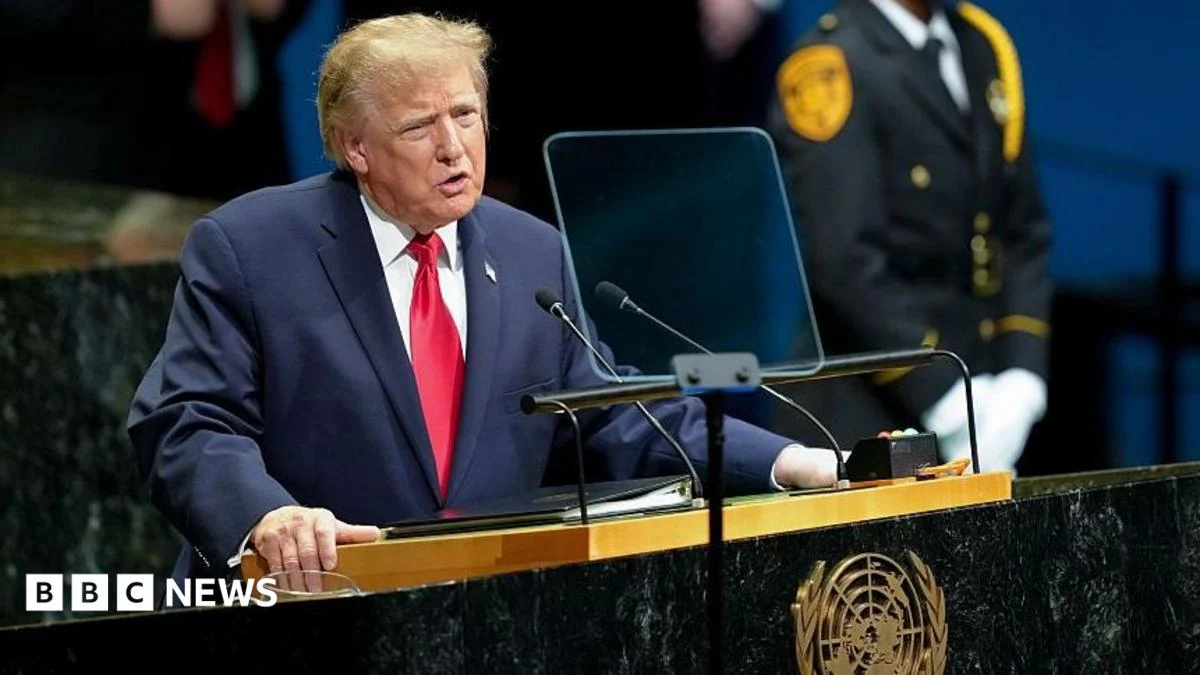
In a dramatic display of his "peace through strength" foreign policy, United States President Donald Trump delivered a stark ultimatum to Iran during his address at the United Nations General Assembly, vowing to "annihilate" the Islamic Republic if it continued its destabilizing actions. The president’s aggressive rhetoric, delivered on the sidelines of high-level diplomatic engagements, underscored his administration’s strategy of coercive diplomacy, characterized by the threat of overwhelming force juxtaposed with the maintenance of open negotiation channels. Trump asserted that his tough stance had thus far prevented Tehran from acquiring nuclear weapons, framing it as a testament to the efficacy of ultimatums over conventional deal-making or compromise.
“Will a deal be made with Iran that lets them rebuild and create a far greater country than it ever was before?” Trump posed to the assembled delegates, his voice resonating with a blend of challenge and anticipation. “Or do I annihilate the Islamic Republic and do it quickly, never giving them a chance to kill and destroy people and countries again? Do I drive them into hell?” He expressed a conviction that a resolution with Iran, a pact that had thus far remained elusive, would materialize in the immediate aftermath of the upcoming November elections. This approach, a hallmark of Trump’s foreign policy, involves the calculated deployment of intimidation tactics while simultaneously keeping the door ajar for dialogue.
Adding a layer of intrigue to the day’s events, President Trump later informed reporters that American officials had engaged in a "very productive" three-hour meeting with the Iranian delegation on the periphery of the General Assembly. Iran’s state television corroborated these reports, confirming that Foreign Minister Abbas Araghchi had indeed met with U.S. Special Envoy to the Middle East, Steve Witkoff. While no official comment emerged from Tehran regarding the specifics of the discussions, Witkoff, when approached by the BBC as he departed the UN building, offered a discreet yet affirmative "thumbs up" when asked about the meeting’s outcome, hinting at a potentially significant, albeit unarticulated, diplomatic development.
Beyond the tense exchange with Iran, President Trump’s address also touched upon his optimism regarding the resolution of the ongoing conflict in Ukraine. He reiterated his prediction that his diplomatic efforts would bring an end to the war, a conflict that has shown no signs of abating, with both sides engaging in persistent missile and drone strikes deep into each other’s territories. "We’re working very closely with the leaders of Russia and Ukraine, and we will get that one done," Trump declared with unwavering confidence. "It’s going to happen, I think, more quickly than people understand." This bold assertion comes amidst a protracted and brutal war that has defied numerous international mediation attempts.
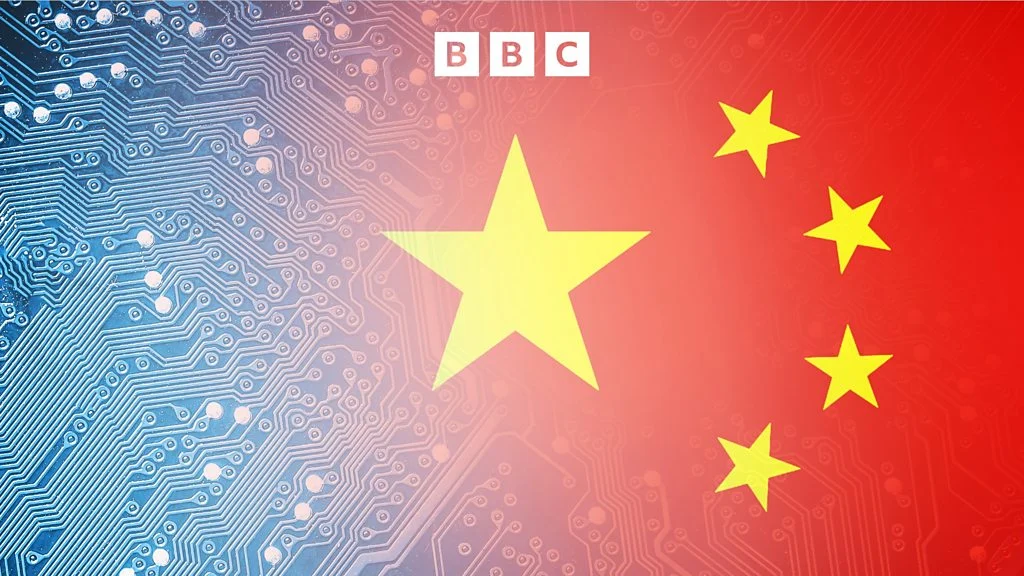
Shifting his focus to the burgeoning field of artificial intelligence, President Trump sought to assuage fears surrounding its rapid advancement. He vehemently declared that the United States would not relinquish its leadership position to China due to alarmism or what he characterized as a "globalist scheme" aimed at controlling the technology. Trump proposed a rebranding of artificial intelligence, suggesting it be referred to as "super intelligence." He argued that the term "artificial" inaccurately portrays the technology, making it sound "fake." "It’s not fake, it’s actually amazing. But we have to be careful," he cautioned, emphasizing the need for responsible development and oversight.
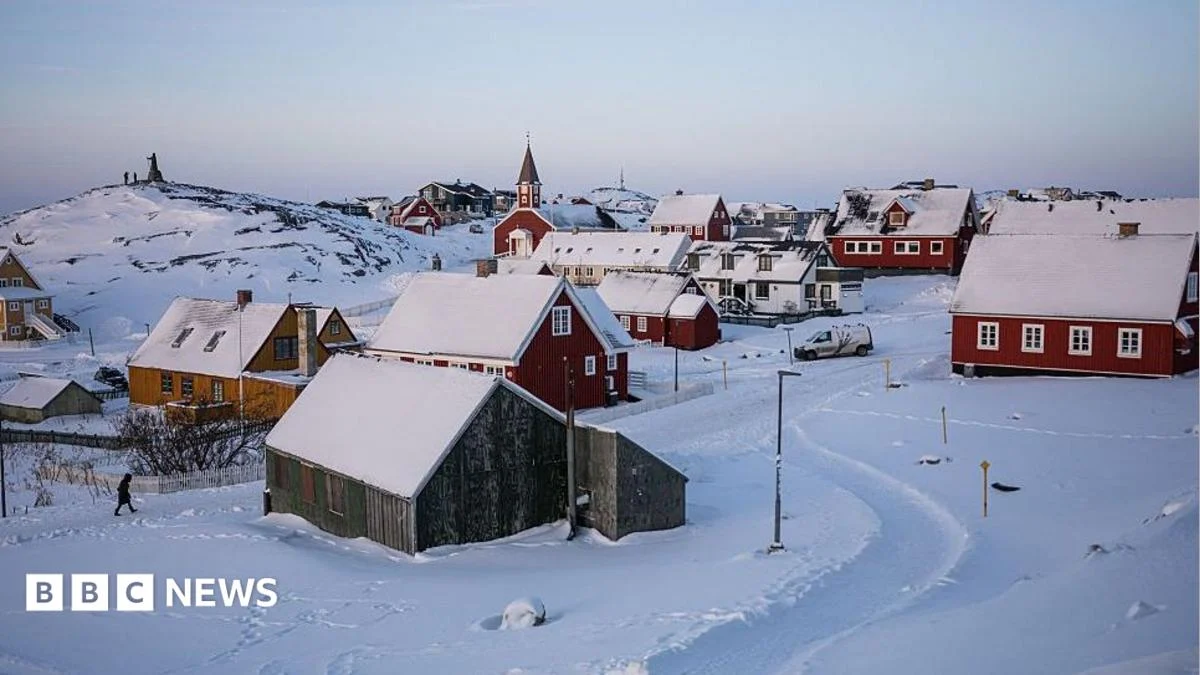
In a concrete demonstration of bolstering American influence in strategic regions, President Trump, on the sidelines of the General Assembly on Tuesday, formalized an agreement with the leaders of Denmark and Greenland. This pact is designed to enhance the U.S. military presence on the North Atlantic island. The agreement meticulously reaffirms the sovereignty of Greenland, an autonomous territory of Denmark, while simultaneously granting the United States broad access to the island’s airspace and territory. This move signals a strategic deepening of U.S. military capabilities in a geologically vital area.
The President’s schedule at the UN was packed with further high-level engagements. He held meetings with Ukrainian President Volodymyr Zelensky, British Prime Minister Andy Burnham, and leaders from a coalition of Middle Eastern nations including Saudi Arabia, the United Arab Emirates, Qatar, Kuwait, Bahrain, and Oman. These discussions likely covered a spectrum of geopolitical issues, security concerns, and economic cooperation.
Earlier in the day, UN Secretary-General António Guterres delivered his farewell speech, issuing a poignant plea to unnamed superpowers to recognize the limitations of their immense influence. "The fault lines in our world are widening," Guterres observed, citing escalating geopolitical rivalries, ongoing wars, the existential threat of climate change, and the transformative potential of artificial intelligence as key factors exacerbating global divisions. His message served as a stark contrast to President Trump’s often nationalistic and transactional approach to international relations.
In his own address, President Trump launched a sharp critique of international institutions, including the UN itself, which he accused of harboring a "far-left agenda of globalist bureaucrats who nobody ever elected." He consistently championed the principles of national sovereignty and what he described as "unmatched" American military power, asserting, "There is no global government." Furthermore, he issued a clear warning against any foreign entities that might seek to establish threats within the Western Hemisphere, stating, "If necessary, we will use our unmatched military might to secure the vital national interests of the United States."
President Trump also took aim at Cuba’s communist government, alleging its cultivation of ties with left-wing groups within the United States, specifically naming the Communist Party USA, Antifa, and the Democratic Socialists of America. This accusation appeared to provoke a strong reaction, as the Cuban delegation reportedly walked out of the assembly chamber as Trump characterized the island nation as a "failed state." This pointed exchange highlighted the persistent ideological tensions and historical grievances that continue to shape U.S.-Cuba relations.

 Nakalama John
 Ramos Leo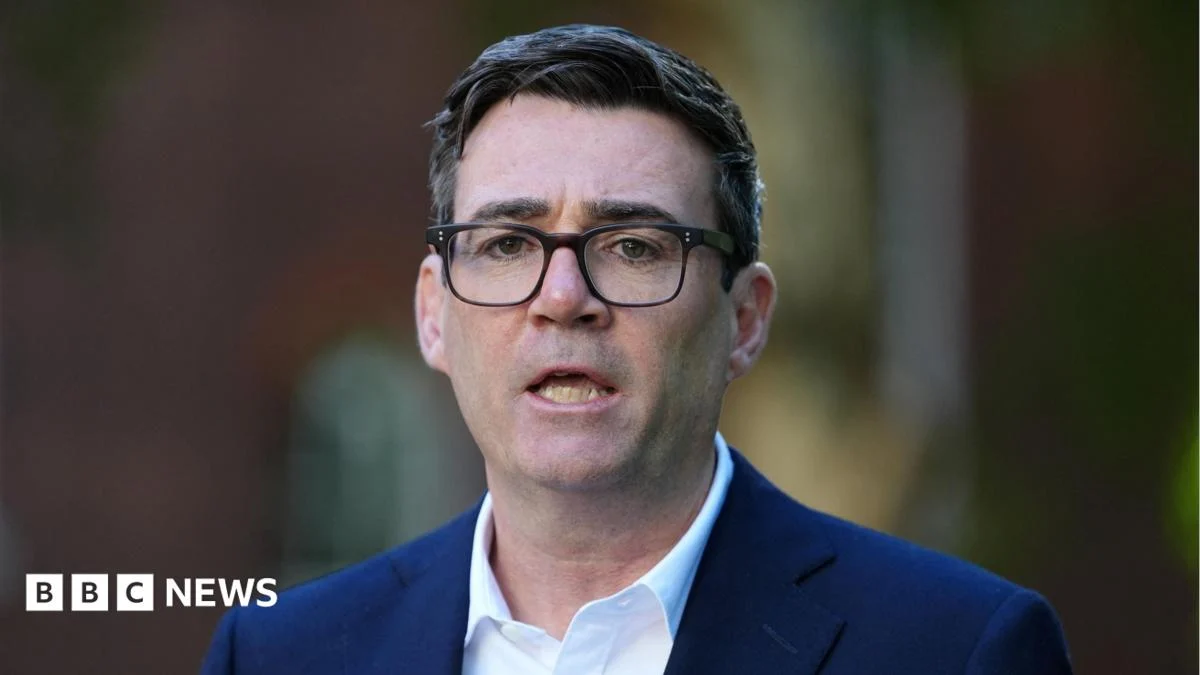
 atisusanti