
 Nakalama John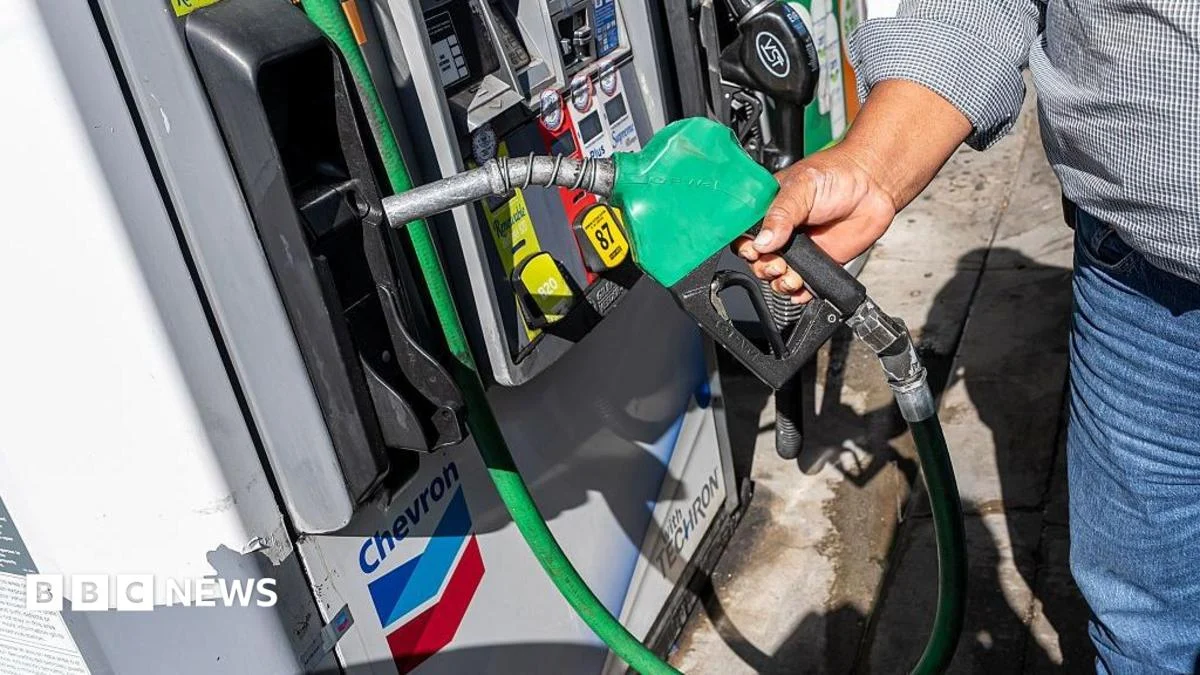
The proposal to halt American diesel exports comes at a time when the cost of this crucial fuel has reached alarming highs. According to AAA data, the national average diesel price surpassed $6.50 a gallon on Tuesday, setting a new record and eclipsing previous peaks. This figure translates to approximately £4.87 a gallon, highlighting the severity of the economic burden. Such elevated prices disproportionately impact vital sectors of the U.S. economy, including trucking, agriculture, construction, and manufacturing, all of which rely heavily on diesel fuel. For the average American consumer, these costs translate into higher prices for goods and services as transportation expenses are passed down the supply chain, fueling broader inflationary pressures.
The primary drivers behind this dramatic increase in diesel prices are multifaceted and globally interconnected. A significant factor has been the constrained global oil supplies, exacerbated by ongoing conflicts and geopolitical instability in the Middle East. While the article doesn’t specify particular events, general regional tensions and the actions of major oil-producing nations, including decisions by OPEC+ regarding production quotas, consistently influence crude oil prices, which in turn dictate refined product costs like diesel. Furthermore, a crucial element in the current squeeze on diesel supplies stems from the conflict in Ukraine. Kyiv’s intensified drone attacks on Russian energy facilities in recent months have severely damaged the country’s refining capacity. Russia, being one of the world’s leading diesel suppliers, has seen its ability to produce and export the fuel significantly diminished. This reduction, combined with Moscow’s own strict export bans implemented to stabilize its domestic market or for geopolitical leverage, has created a severe deficit in global diesel reserves.
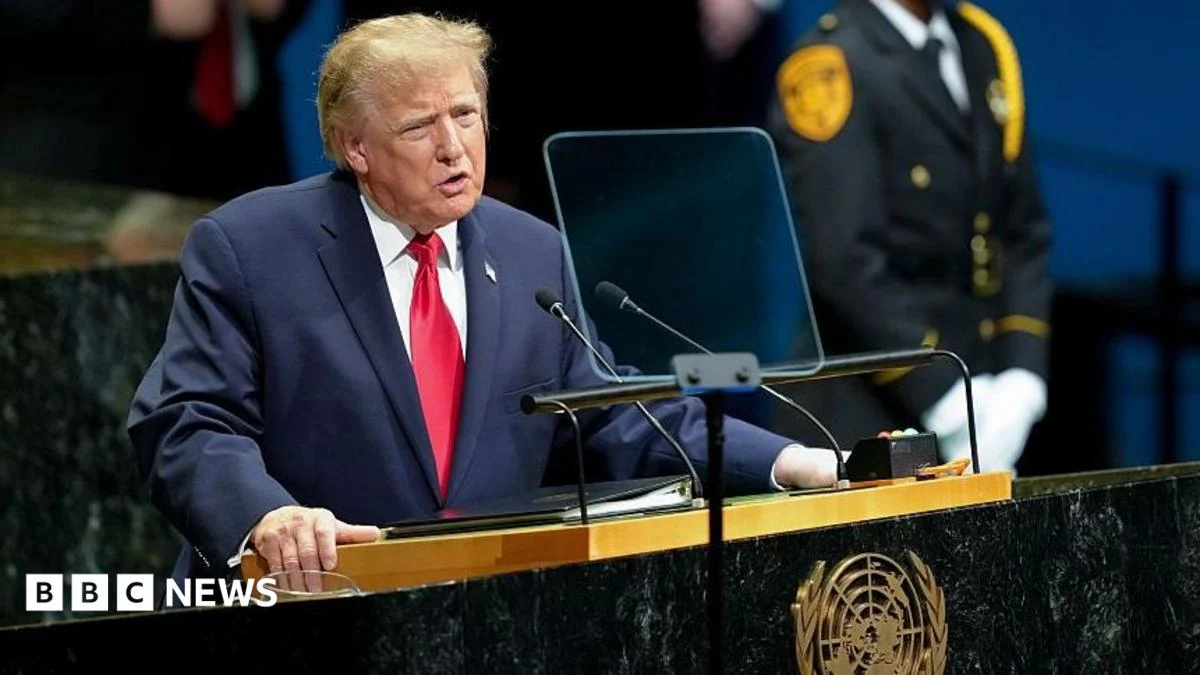
Trump explicitly acknowledged the impact of these strikes, stating during a meeting with Ukrainian counterpart Volodymyr Zelensky, "It is a serious hit on the Russians. It’s also a serious hit on the price of diesel." He confirmed plans to discuss these strikes with President Zelensky, alongside broader efforts to negotiate an end to the conflict, expressing optimism that "I think it’s going to happen." This highlights the complex interplay between international geopolitics, military strategy, and global energy markets. Ukraine’s strategy of targeting Russian refineries aims to choke off the Kremlin’s primary source of war funding, but it inadvertently contributes to global supply tightening and price increases, creating a difficult balancing act for Western leaders.
The political urgency surrounding diesel prices is particularly acute given the impending mid-term elections on November 3rd. Republican lawmakers are keenly aware of voter frustration over high pump prices and are actively pressing the administration to take decisive action. US Representative Ashley Hinson, a Republican running for Senate in Iowa, articulated this sentiment, stating on Monday that Iowa’s consumers were "being squeezed and shouldn’t have to foot the bill at the pump." Similarly, Senator Dan Sullivan of Alaska urged for a "temporary pause of American diesel and exports" to rebuild domestic reserves and alleviate financial strain. These calls underscore the immense political pressure on leaders to provide immediate relief, even if the proposed solutions carry broader implications.
Trump’s suggestion that keeping domestic supplies inside the U.S. could also ease broader petrol prices adds another layer to the discussion. While diesel and gasoline are distinct products with different demand profiles, they are both refined from crude oil in the same facilities. If a surplus of diesel were to build up domestically due to an export ban, it could theoretically free up refinery capacity or shift refining economics in a way that indirectly benefits gasoline production or pricing, though the direct impact might be limited.
The feasibility and consequences of such a ban are already under active consideration by the current administration. US Treasury Secretary Scott Bessent confirmed that officials were assessing "whether a full or partial ban would work" without disrupting refinery capabilities. This is a critical point. U.S. refineries are configured to process specific types of crude and produce a certain mix of refined products, often optimized for export markets. An abrupt halt to exports could lead to an oversupply of diesel domestically, potentially overwhelming storage capacity and forcing refineries to reduce output, which could, paradoxically, lead to higher prices for other fuels or even refinery shutdowns. Such disruptions could also jeopardize the financial viability of refiners heavily reliant on export contracts.
The United States currently exports approximately 1.3 million barrels of diesel per day, representing nearly a quarter of its total refining output. This significant volume highlights the U.S.’s crucial role in the global energy market, particularly for its allies. Cutting these shipments, while potentially offering short-term relief for American drivers, carries substantial international risks. Western allies, including the United Kingdom and the Netherlands, have become increasingly reliant on American fuel to cover deficits left by sanctions on Russian energy. A U.S. export ban could put immense pressure on their supplies, potentially driving up prices internationally and exacerbating energy crises in friendly nations. This could strain diplomatic relations, undermine efforts to maintain a united front against geopolitical adversaries, and lead to accusations of an "America First" policy at the expense of allies’ energy security.
Historically, the U.S. has experienced periods of energy export restrictions, notably the crude oil export ban that was in place for decades before being lifted in 2015. The arguments then, as now, centered on domestic energy security and price stability. However, the modern global energy landscape is far more interconnected, and the U.S. has since emerged as a dominant energy producer and exporter. Reinstating export bans would represent a significant policy reversal, moving away from market-based solutions and potentially isolating the U.S. in global energy markets.
Beyond the immediate political and economic ramifications, an export ban raises questions about long-term energy strategy. While it might offer a temporary salve for current price pains, it does not address the fundamental issues of global supply constraints, refinery capacity, or geopolitical instability. Alternative solutions could include strategic petroleum reserve releases (though primarily for crude), diplomatic efforts with OPEC+ to increase production, or investments in domestic refining capacity and infrastructure, although these typically have longer lead times.
In conclusion, Trump’s backing of a diesel export ban underscores the intense political pressure to address record-high pump prices in the U.S. The proposal aims to provide immediate relief to American consumers and industries ahead of crucial mid-term elections. However, implementing such a ban would involve a delicate balancing act, navigating the complexities of domestic refinery operations, potential disruptions to global energy markets, and the geopolitical implications for key international allies. The ultimate decision will require weighing the immediate political benefits against the potential for unintended economic consequences and strained international relations in an already volatile global energy landscape.



 George Anjay
 Ramos Leo

 atisusanti