
 Nana Banana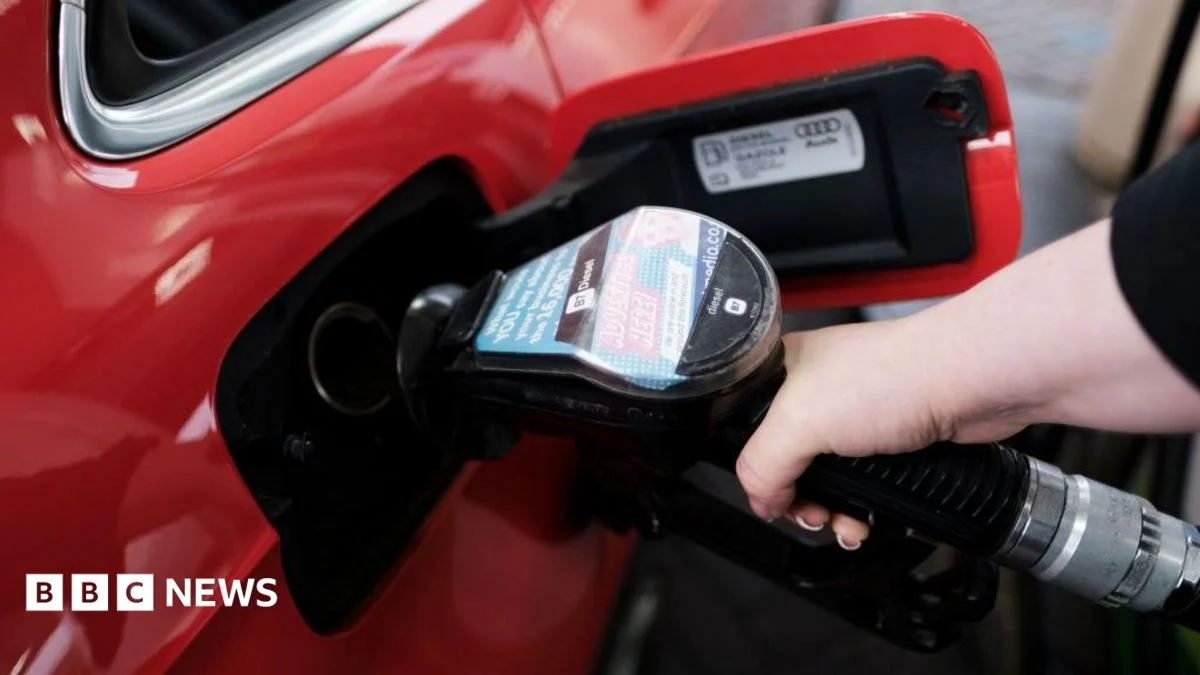
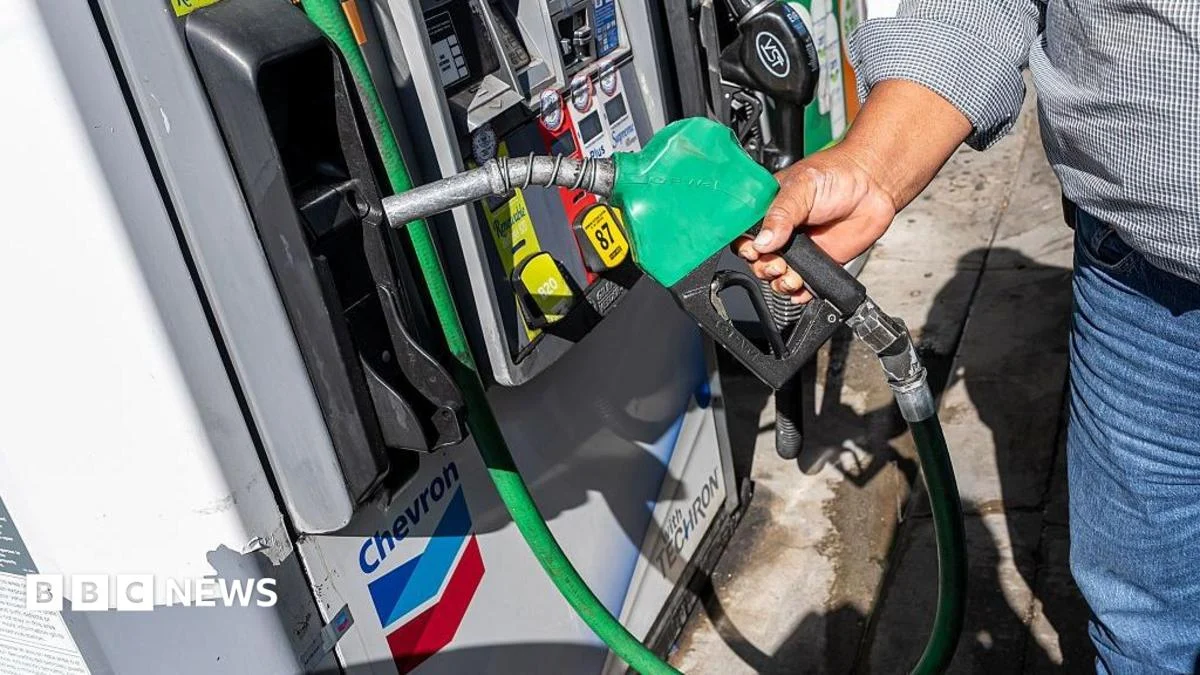
The OECD’s analysis underscores how deeply interconnected the global economy remains, with regional conflicts capable of sending ripples across continents. The protracted nature of the Middle East conflict, and the inherent risks of its escalation, are directly impacting global supply chains, energy markets, and investor sentiment. Oil and gas prices, in particular, have seen significant volatility and upward pressure due to concerns over supply disruptions in a region crucial for global energy exports. Higher fuel prices translate directly into increased operating costs for businesses, from manufacturing and logistics to agriculture, ultimately feeding into inflationary pressures across consumer goods and services. This inflationary squeeze, coupled with uncertainty, can curb consumer spending and business investment, thereby slowing overall economic activity.
For the United Kingdom, the downgrade to its economic growth outlook for 2027 is described as moderate, with the OECD now predicting growth of 1% for that year, a slight reduction from its earlier forecast of 1.1%. While seemingly a small adjustment, even marginal shifts in growth projections can represent billions of pounds in economic output and significantly impact government revenues and employment figures. Interestingly, the agency simultaneously upgraded the UK’s growth outlook for the preceding year, 2026, from an expected 0.9% to a more robust 1.1%. This nuanced forecast suggests a short-term resilience, driven by "solid domestic demand growth," which typically refers to healthy consumer spending, business investment, and potentially government expenditure. However, this immediate strength appears to be overshadowed by a more cautious long-term view, as the sustained impact of elevated fuel prices and broader geopolitical instability is expected to "eat into growth" in 2027. The duration and intensity of these external supply disruptions will be critical determinants of the actual economic trajectory.
This updated economic prediction arrives at a pivotal moment for the UK government, as Chancellor John Healey prepares to deliver his inaugural Budget at the end of October. The Budget is not merely an accounting exercise; it is a critical statement of the government’s economic priorities and fiscal strategy. Prime Minister Andy Burnham has prominently positioned easing the cost of living for households as one of his administration’s paramount objectives. Millions of families across the UK have grappled with surging inflation, which has eroded real wages and diminished household purchasing power. Simultaneously, the government faces mounting pressure to increase spending on defence, a demand amplified by the current volatile international security landscape and commitments to international alliances like NATO.
However, Prime Minister Burnham and Chancellor Healey confront a formidable balancing act. The desire to offer more substantive support to households through targeted measures or broader tax adjustments must be reconciled with Labour’s manifesto commitments on tax and the government’s self-imposed fiscal rules. These rules, often designed to demonstrate fiscal prudence and maintain market confidence, typically involve targets for reducing national debt as a proportion of GDP or limiting annual borrowing. Deviating from these commitments or rules could risk accusations of fiscal irresponsibility, potentially unsettling financial markets and leading to higher borrowing costs for the government.
The inflationary environment has further complicated this fiscal tightrope walk. High inflation rates have directly pushed up the cost of interest payments on government debt. A significant portion of the UK’s national debt is linked to inflation, meaning that as inflation rises, so do the interest payments the government must make to bondholders. This, combined with an unexpected surge in government borrowing recorded in August, has added considerable pressure on Chancellor Healey. Increased borrowing can be a symptom of either lower-than-expected tax receipts or higher-than-anticipated public spending, and either scenario constrains the government’s fiscal headroom, making it harder to fund new initiatives or provide additional support without increasing taxes or cutting other public services. The August borrowing figures likely reflected a combination of these factors, signalling a more challenging fiscal landscape than previously anticipated.
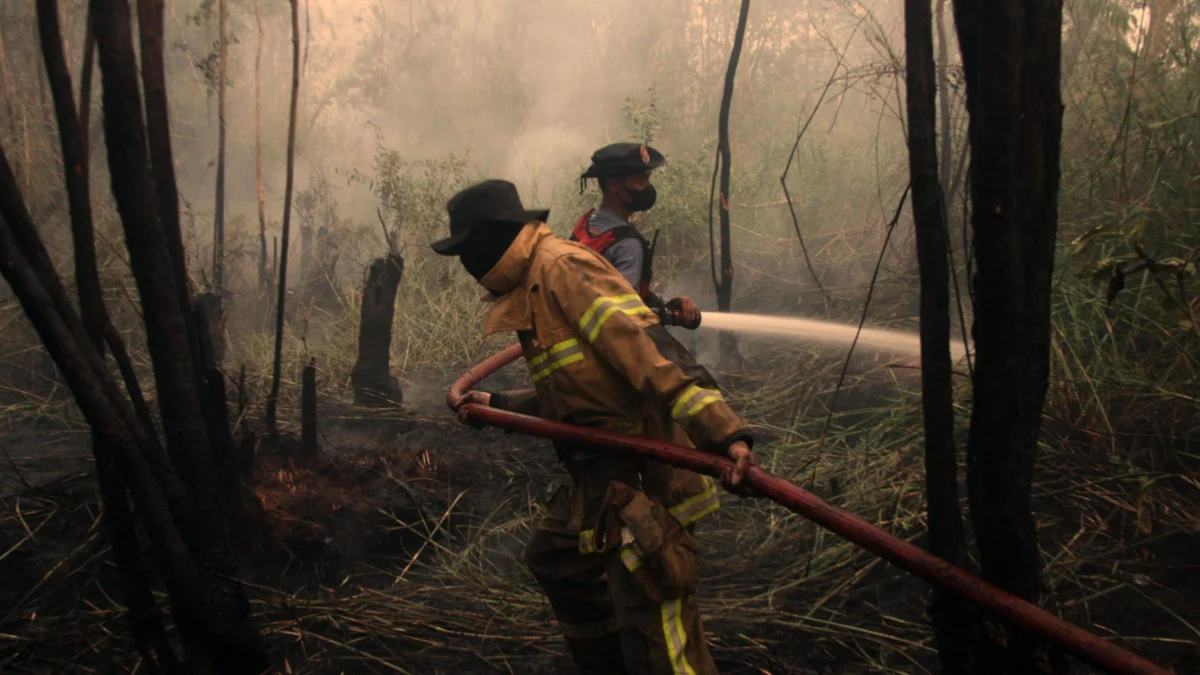
Beyond the Middle East conflict, the OECD report highlights other significant risks to the global economy. Climate-change related supply shocks are increasingly becoming a recurrent and disruptive factor. Extreme weather events, such as prolonged droughts, severe floods, and unprecedented heatwaves, can devastate agricultural yields, disrupt transportation networks, and damage critical infrastructure. These events lead to commodity price volatility, particularly in food markets, and can exacerbate inflationary pressures globally. The current forecast for a strong El Niño phenomenon is a prime example of such a risk. El Niño is a climate pattern that describes the unusual warming of surface waters in the eastern tropical Pacific Ocean. Its effects are far-reaching, influencing weather patterns worldwide, often leading to droughts in some regions and heavy rainfall in others. For instance, it can disrupt monsoon seasons crucial for agriculture in Asia, impact fishing industries in South America, and contribute to higher global food prices by affecting key agricultural producing regions.
Globally, the OECD now expects overall growth next year to also be 0.1% lower than previously predicted, underscoring the pervasive nature of these economic headwinds. Countries expected to be particularly affected by this global deceleration include major economies such as Australia, Canada, and the entire Euro-area. Australia and Canada, as significant commodity exporters, are susceptible to shifts in global demand and commodity prices, which can be volatile during periods of geopolitical uncertainty. The Euro-area, with its strong trade links and energy dependence, is particularly vulnerable to both the direct and indirect consequences of higher energy costs and disruptions to global trade. The conflict in the Middle East has directly contributed to these higher oil and gas prices globally, which in turn fuels inflation not only in the UK but across these other major economies, compressing real incomes and dampening economic activity. The confluence of these complex, interconnected challenges paints a picture of a global economy navigating a treacherous path, where geopolitical stability and environmental resilience are increasingly paramount to sustained prosperity.



 Roy Suryo
 George Anjay
 Nakalama John
 Ramos Leo