
 Ramos Leo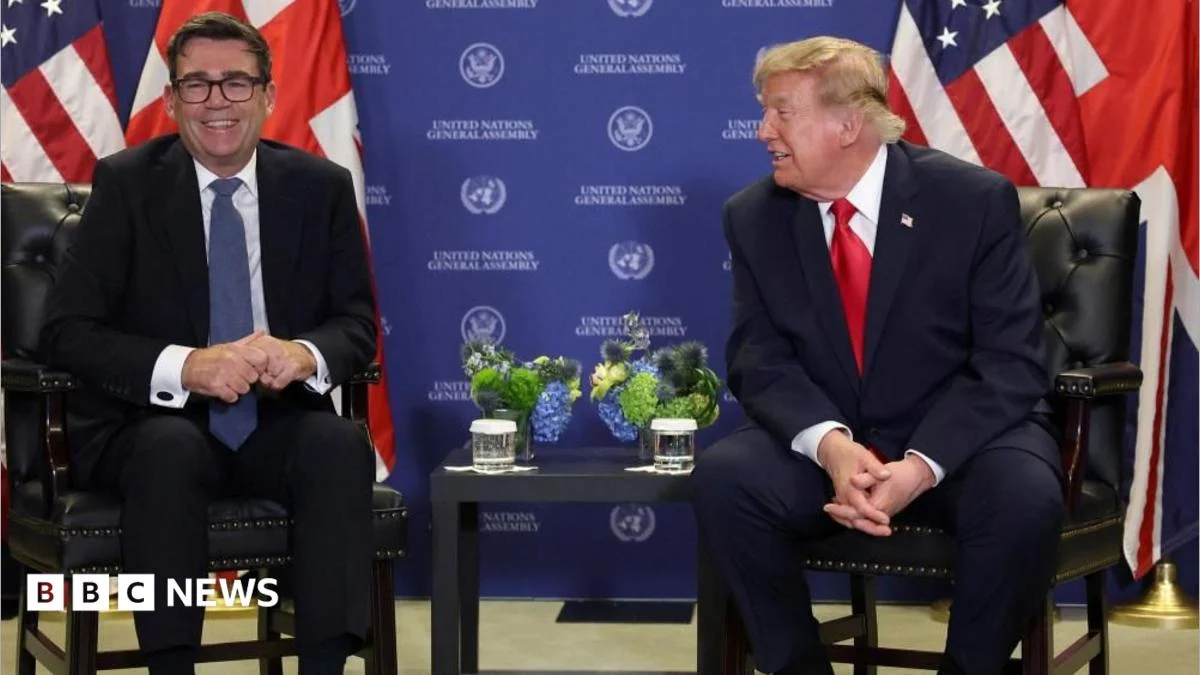
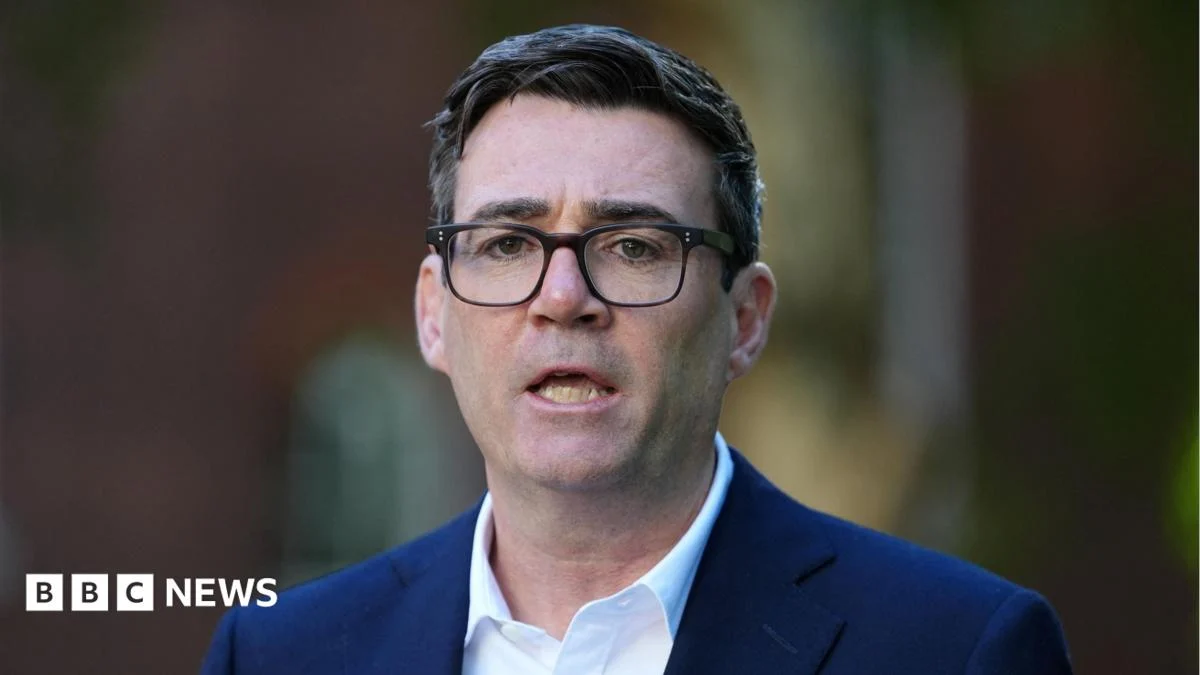
Burnham, addressing reporters after the bilateral discussions, echoed a positive sentiment, stating he had "established a good connection" with Trump, a rapport they had "taken that further today." Their agenda spanned critical global issues, including trade relationships and immigration policies, signalling a broad scope for future cooperation. However, the cordiality of the meeting was punctuated by Trump’s unequivocal condemnation of the UK’s proposed deal to cede sovereignty of the Chagos Islands to Mauritius, describing it as "terrible." His strong opposition also extended to the associated plan for the UK to pay to lease back the joint UK-US military base on Diego Garcia, the archipelago’s largest island.
When questioned by broadcasters about the fate of the Chagos deal, Burnham adopted a diplomatic stance, affirming that the UK would "work hard" to find a resolution among the various stakeholders. He expressed confidence in achieving this outcome, particularly through collaboration with US partners. The meeting, which took place on Tuesday during the annual gathering of world leaders at the United Nations, saw Burnham and Trump engage in direct bilateral talks before facing the assembled press.
Seated alongside Trump, Burnham initiated his public remarks by reinforcing their burgeoning relationship: "You and I have established a good connection in our early discussions and we’ve taken that further today." The ensuing press scrum saw a flurry of questions, with the BBC specifically asking Trump if he considered Burnham "a man he could do business with." Trump’s response was affirmative and effusive: "Yeah I do, I think he’s a natural businessperson, we’ve had a lot of discussions even before this meeting we’ve spoken to each other numerous times on the phone. Yeah, I think so, he gets it, he understands what he has to do." This endorsement from the US President, known for his transactional approach to international relations, immediately positioned Burnham as a leader with whom the White House could effectively engage.
Burnham later elaborated on his message to Trump, explaining that Britain had endured "too much turbulence" recently, and it was now imperative to "turn the story" of the country into a positive narrative. Trump, in turn, praised the UK as a nation with "great patriotism," suggesting it was "waiting for good leadership, waiting for success." These comments implicitly contrasted with the perceived instability of previous administrations, hinting at a renewed era of Anglo-American cooperation.
The burgeoning relationship between Burnham and Trump draws parallels, and stark contrasts, with Trump’s past interactions with other UK prime ministers. While his relationship with former Prime Minister Boris Johnson was often characterised by mutual admiration, his rapport with Sir Keir Starmer, Burnham’s predecessor, had begun well before becoming increasingly strained earlier this year. That strain escalated when Starmer’s government refused to permit the use of UK bases for initial US-Israel strikes on Iran, a decision that reportedly irked the US President. The warm reception for Burnham suggests a deliberate effort by Trump to reset transatlantic relations, particularly given the critical strategic importance of the UK.
Central to Trump’s engagement was his vehement reiteration of criticism regarding the Chagos Islands deal. He underscored the immense strategic importance of the joint UK-US military base on Diego Garcia, especially in the context of US operations in Iran and broader Indo-Pacific security. The controversial agreement, which would see the UK cede sovereignty of the territory to Mauritius, also stipulated an average annual payment of £101 million ($136 million) from the UK to lease back the military base. This deal had been effectively paused indefinitely in April after Trump had personally pulled his support, viewing it as detrimental to US interests and a poor financial arrangement for the UK.
Speaking directly on Tuesday, Trump made it clear he expected Burnham to re-evaluate the deal: "I think the prime minister is going to be looking at [the deal]." Burnham’s terse "Yep" in response indicated his acknowledgement of the pressure. Later, speaking to broadcasters, Burnham conceded he had "inherited the situation and we need a resolution." He stressed the critical imperative to "safeguard the future of the base," highlighting its importance for both UK security and, "clearly, to the United States as well." The Prime Minister assured reporters that his government would "work to find that resolution between the different sides, and we’ll work hard to find it." Prior to his New York trip, Burnham had already spoken with his Mauritian counterpart, Navin Ramgoolam, indicating ongoing diplomatic efforts to navigate this complex issue.
The Chagos Islands dispute has a long and contentious history. The archipelago, a British overseas territory, has been at the centre of an international legal battle since the UK detached it from Mauritius before granting independence in 1968. The indigenous Chagossians were forcibly removed to make way for the US military base on Diego Garcia. In 2019, the International Court of Justice ruled that the UK’s administration of the Chagos Islands was unlawful, a view subsequently supported by a UN General Assembly vote. The proposed deal was an attempt by the previous UK government to resolve this historical injustice and secure the future of the base. However, critics like Reform UK leader Nigel Farage, who has consistently championed British sovereignty, quickly seized on Trump’s comments. Farage posted on X: "The Chagos deal is dead. Thank God," reflecting a segment of British political opinion that views the proposed handover as a betrayal of national interest and a strategic blunder. Trump’s intervention has effectively given a powerful boost to those within the UK who oppose the deal, making it significantly harder for Burnham to revive it in its current form.
Beyond the pressing issue of the Chagos Islands, Burnham’s trip to the UN also focused on artificial intelligence (AI), a key policy area for his administration. On Tuesday, he engaged with prominent business leaders, including Apple’s executive chairman Tim Cook, to discuss the future of AI governance. Burnham articulated his vision for a "single set of global principles and standards that are very much about unlocking the full potential whilst guarding against the risks." This approach suggests a preference for international cooperation and regulation to manage the rapid advancements in AI technology.
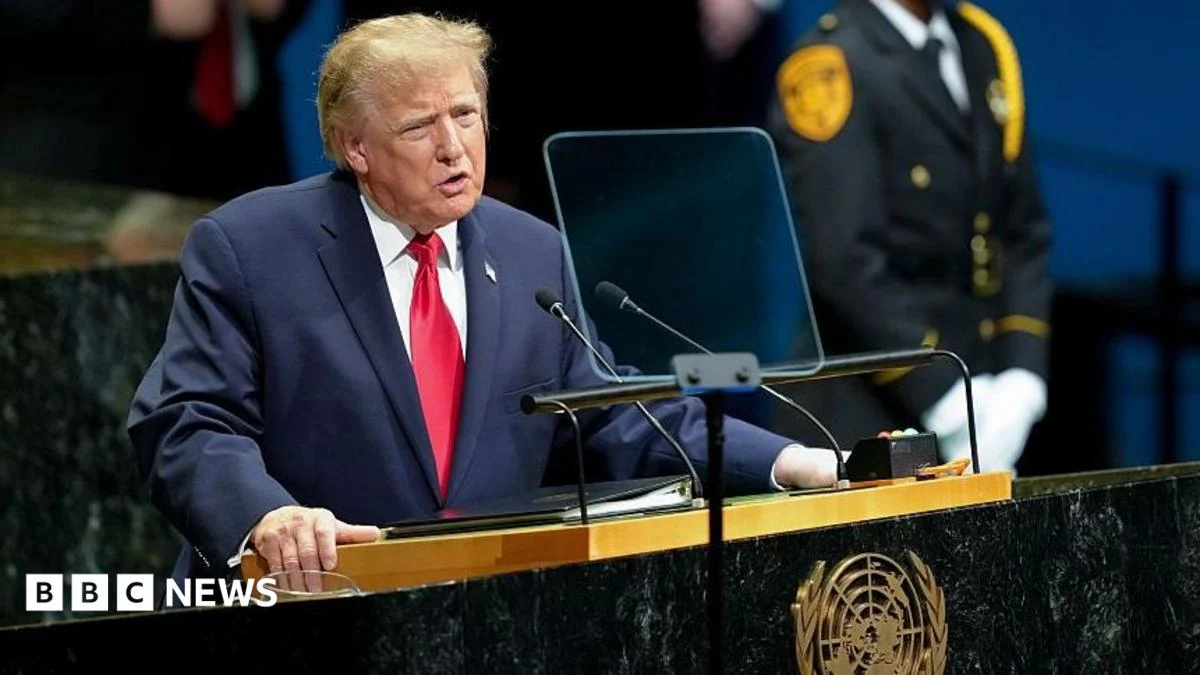
However, Burnham’s stance on AI appears to be a potential point of friction with President Trump. In his address to the UN General Assembly, Trump explicitly stated that the US "totally rejects any attempt to construct a globalist scheme" to control AI. Dubbing AI "super intelligence," Trump declared that the US would "encourage it, not rein it in," signalling a preference for national innovation and minimal regulation, contrasting sharply with Burnham’s global governance aspirations. This divergence highlights a significant challenge for future UK-US collaboration on emerging technologies, where differing philosophies could lead to policy clashes.
In a whirlwind of diplomatic activity, Burnham also met with European Commission President Ursula von der Leyen. The Prime Minister’s arrival was approximately 10 minutes late, a delay he attributed to his bilateral meeting with Trump running over schedule. Von der Leyen, displaying diplomatic understanding, reassured the PM, saying: "These things are understandable." This brief but telling interaction underscored the packed nature of Burnham’s UN agenda and the significant time dedicated to forging a strong relationship with the US President. The complex interplay of these meetings – with the US, tech giants, and European leaders – illustrates Burnham’s multifaceted approach to foreign policy, aiming to re-establish Britain’s standing on the global stage amidst inherited challenges and evolving geopolitical landscapes. The immediate future of the Chagos Islands, however, remains inextricably linked to the potent influence of the US President and the evolving dynamics of the "special relationship."

 George Anjay
 Nakalama John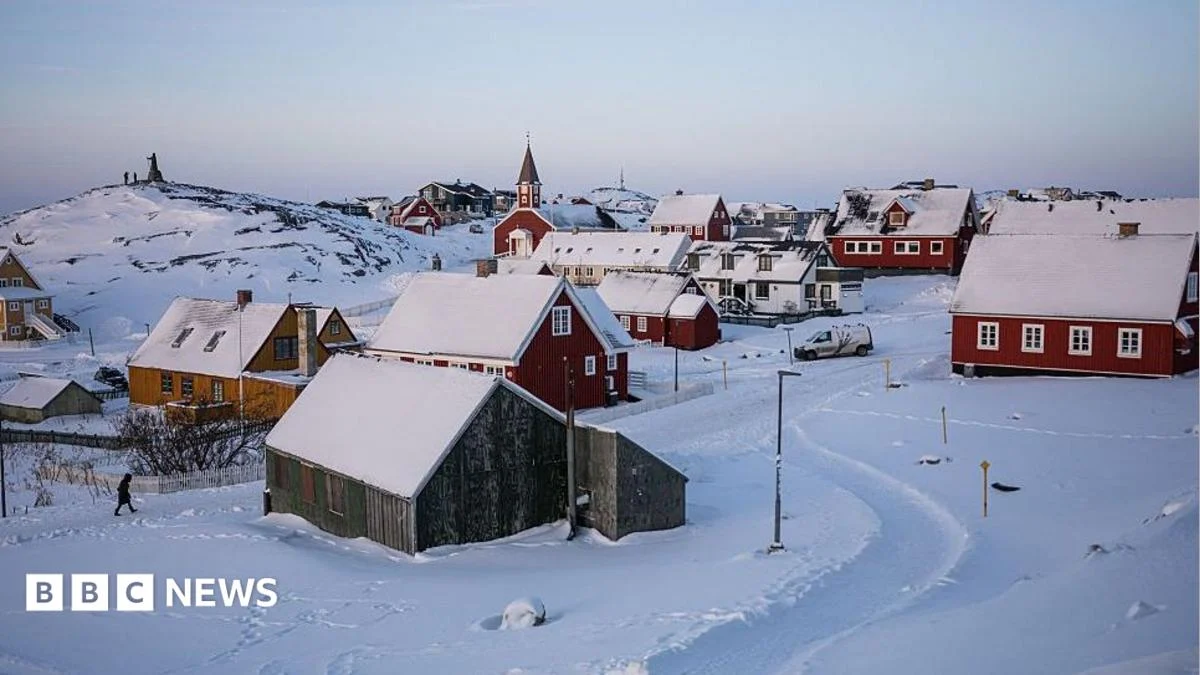
 atisusanti