
 Nakalama John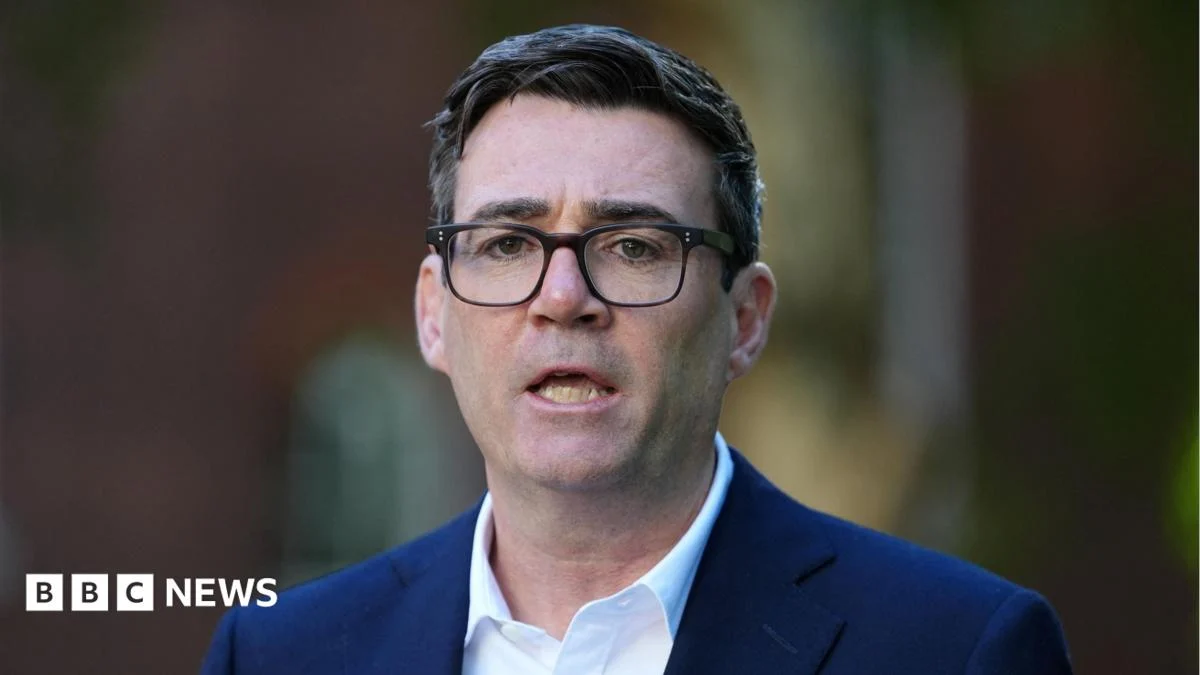
Andy Burnham, the influential Mayor of Greater Manchester and a prominent figure within the Labour Party, has issued a stark warning that the European Union’s proposed new industrial regulations, designed to bolster European manufacturers, could inflict significant harm upon the United Kingdom’s economy. His concerns were conveyed directly to European Commission President Ursula von der Leyen during a crucial meeting on the sidelines of a United Nations summit in New York, underscoring the growing anxieties within UK political and industrial circles.
The contentious proposals, informally dubbed the "Made In Europe" scheme and formally known as the Industrial Accelerator Act (IAA), represent a significant shift in the EU’s economic strategy. They aim to shield the bloc’s domestic industries from intense global competition, particularly from state-subsidised Chinese rivals, by granting companies based within the EU preferential treatment. This priority would manifest in various forms, including privileged access to public procurement contracts across member states and increased eligibility for generous subsidies and state aid. The overarching goal is to foster "strategic autonomy" for the EU, ensuring the resilience of its supply chains and the competitiveness of its key manufacturing sectors in a volatile global landscape.
Burnham, who many observers consider a future leadership contender, emphasised the gravity of the situation, expressing profound concern over the potential repercussions for British industry and its intricately linked supply chains. His direct engagement with von der Leyen at such a high-profile international gathering highlights the urgency with which the UK perceives this impending regulatory change. He articulated the UK’s position that while understanding the EU’s desire to protect its own, these measures risk unintended and detrimental consequences for its closest trading partner.
Speaking to reporters on the flight to the United States, Burnham also addressed the perennially debated question of the UK rejoining the EU. While declining to rule out such a commitment in Labour’s next manifesto, he firmly stated that it was an issue "for another day." This carefully worded response reflects the Labour Party’s current strategy of pragmatic engagement with the EU, prioritising economic repair over a divisive rehashing of Brexit arguments. He reiterated that his immediate and paramount priority was to diligently rebuild the relationship with the EU, aiming to forge a new, mutually beneficial agreement that would significantly boost the British economy, which has grappled with post-Brexit trade friction and global headwinds.
The Industrial Accelerator Act, while still in its developmental stages and not yet finalised, has already ignited considerable debate across Europe. Notably, the EU’s own powerful car industry lobby has voiced calls for the UK to be explicitly included or granted special consideration within the framework of the IAA. Their rationale is rooted in the deep integration of UK and EU automotive supply chains, which have been built over decades. Excluding the UK, they argue, would inevitably lead to severe disruption, increased costs, and reduced competitiveness for the entire European automotive sector, demonstrating that the potential "collateral damage" is not confined to one side of the Channel.
Tensions surrounding the proposed scheme have reportedly contributed to further delays for this year’s eagerly anticipated EU-UK summit. This crucial diplomatic event, intended to review and advance the post-Brexit relationship, had already been postponed following Sir Keir Starmer’s unexpected resignation as prime minister in July. The ongoing disagreements over the IAA underscore the fragility of the current relationship and the significant obstacles that remain in establishing a stable and cooperative partnership.
Burnham conveyed a message of solidarity and shared interest, stating: "We have considerable support among the member states for the position we are taking, because Europe’s argument is not with us. We both suffer the same effects as other countries, particularly steel and the issue it raises for the steel industry in Europe and in Britain." This perspective positions the UK not as an adversary, but as a fellow victim of the same global economic pressures, particularly those emanating from aggressive state-backed competition.
He continued, articulating the core of his argument: "We are making the argument ‘we are not your enemies here… we are not the problem’. Made in Europe is dealing with a different problem. We are making the argument that ‘let’s avoid collateral damage’." This plea for pragmatism seeks to differentiate the UK’s economic ties from the broader challenge of unfair trade practices, urging the EU to consider the unintended consequences of broad-brush protectionist measures on its immediate neighbours and long-standing partners. The fear is that in its zeal to protect its industries, the EU might inadvertently harm integrated sectors like automotive and steel, where UK and EU businesses are often partners rather than competitors.
Later, Burnham told reporters that his own address to the UN General Assembly would reflect on the tumultuous decade since the Brexit vote in 2016. He spoke pointedly about the "turbulence that comes when outside actors seek to manipulate, to distort facts, influence the British democratic process." This powerful statement hinted at concerns about foreign interference and the weaponisation of information, a theme of increasing global relevance. "Going into the next decade," he asserted, "we need to be clear-eyed about that and become stronger and more on the front foot about challenging that." His remarks underscore a growing recognition within the UK political establishment of the need to bolster democratic resilience against external threats.
Pressed again on whether he would definitively rule out a pledge to rejoin the EU in the upcoming general election, Burnham reiterated his strategic focus: "Our focus at the moment is on a UK-EU summit which we hope will take place later this year. My immediate priority is to build on the good work that Keir [Starmer] did in rebuilding bridges, because those bridges were broken in the early part of this decade." This commitment to incremental progress and diplomatic repair reflects a cautious approach, aiming to secure tangible economic benefits before entertaining more radical shifts in the UK’s relationship with the bloc.
He further elaborated on the path forward, stating: "What we have got to do is now go to the next level in terms of reaching practical agreement that will further boost the British economy, and those issues are the substance of the summit alongside EU requests around youth mobility." This indicates that the upcoming summit is expected to address not only trade and industrial policy but also other areas of potential cooperation, such as facilitating easier movement for young people between the UK and EU, an issue frequently raised by European counterparts. Burnham firmly concluded that questions about rejoining the EU were for "another day," consistently deflecting from a debate he deems premature and potentially disruptive.
Adding another layer to the complex discussion around future UK-EU ties, the EU’s new ambassador to the UK, Jukka Salovaara, was asked at the Liberal Democrat conference in Brighton whether the UK could eventually rejoin the EU or be granted associate membership. Salovaara’s response was diplomatic but clear: "The doors are open but it’s very much up to the UK public to identify and decide on its level of ambition when it comes to deepening cooperation with the EU." This statement places the onus squarely on the UK to define its desired relationship, while keeping the hypothetical possibility of closer ties on the table, albeit with significant conditions.
Burnham’s own long-held views on the EU have evolved and been publicly stated over time. Last September, he expressed a personal aspiration to see the UK back in the EU "in his lifetime." More recently, earlier this year, he acknowledged that Brexit had been "damaging" but maintained that "the last thing we should do right now is re-run those arguments." This nuanced stance reflects the internal balancing act within Labour, acknowledging the economic costs of Brexit while seeking to move forward without alienating voters who supported leaving the EU.
The concept of "associate membership" has gained traction in some circles, particularly after the EU recently suggested that Canada could become the bloc’s first such member, a status implying deep economic and political ties without full membership obligations. However, when asked if this could be an option for the UK, Burnham delivered a rather deflated assessment: "The European Union made it clear that that wasn’t open to us." This suggests that the EU is keen to avoid setting a precedent for a former full member to rejoin via a lighter, bespoke arrangement, preferring perhaps to maintain a clearer distinction between members, close partners, and those outside its orbit.
The ongoing discussions around the Industrial Accelerator Act, Burnham’s interventions, and the broader questions of EU-UK relations underscore a critical juncture. The UK, still navigating its post-Brexit identity, finds itself caught between the EU’s drive for strategic autonomy and its own imperative to secure favourable economic terms. The outcome of these negotiations will not only shape the future of British industry but also define the contours of its relationship with its largest trading partner for decades to come. The urgent call from Andy Burnham for the EU to avoid "collateral damage" highlights the intricate, often interdependent, nature of the European economic landscape, even after Brexit.
Additional reporting by Brian Wheeler


 George Anjay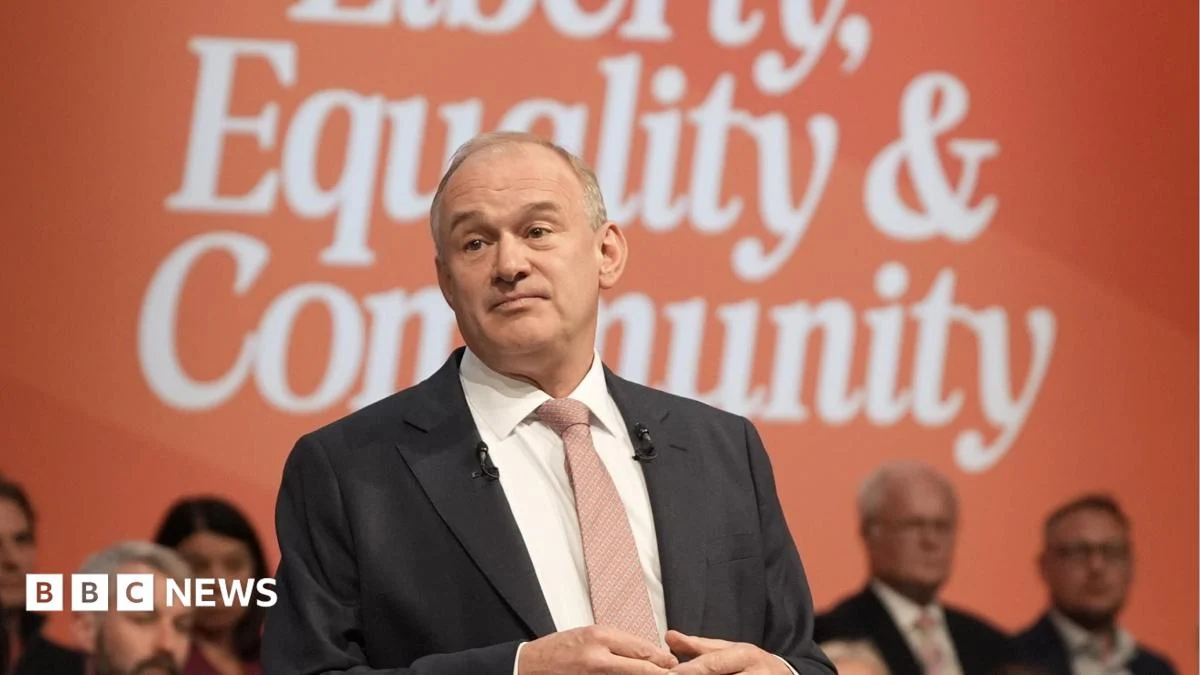
 Ramos Leo
 atisusanti