Nakalama John
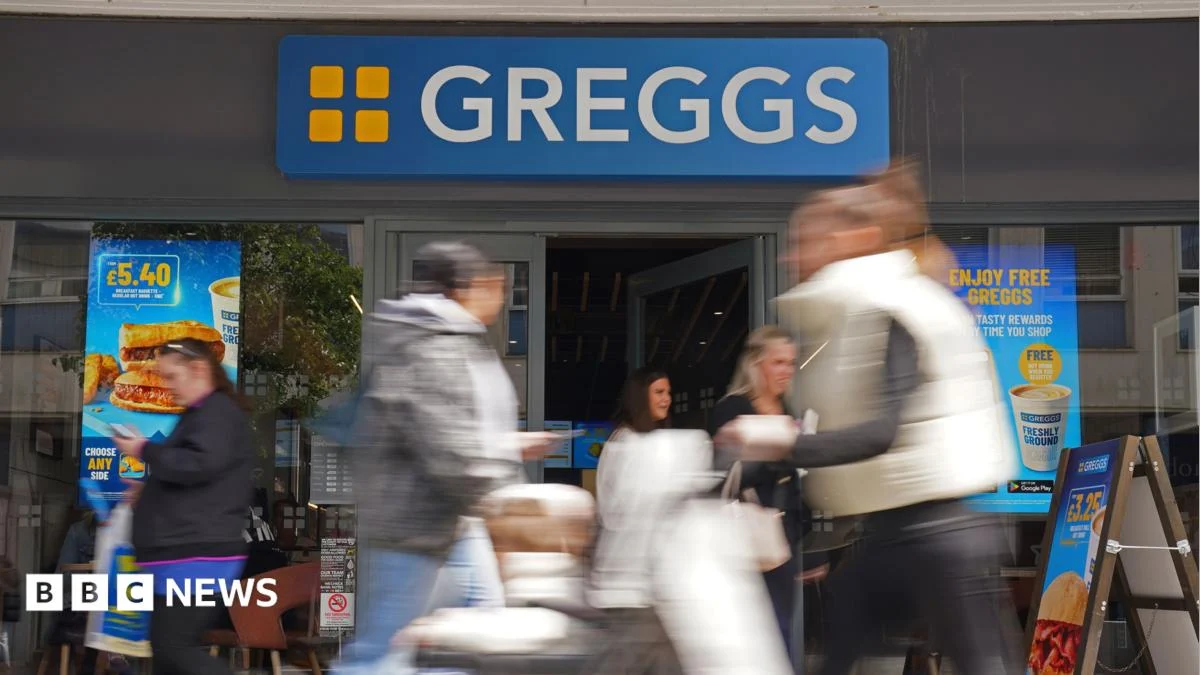
The four manufacturing facilities earmarked for complete closure are located at North Lakes near Penrith, Cumbria; Pettigrews in Kelso, Scotland; Seaham in County Durham; and Enfield, Greater London. While manufacturing operations at Enfield will cease, the site will continue to function as a crucial distribution centre for the company. Similarly, the proposals will impact manufacturing activities at Greggs’ Treforest site in Wales, though this location will also be retained as a distribution hub, ensuring continued logistical support for its vast retail network in the region. The geographical spread of these closures highlights a nationwide effort to centralise and streamline production, affecting diverse communities from the Scottish Borders to the outskirts of London.
In addition to these closures, Greggs intends to reduce the range of products manufactured at its Clydesmill Glasgow and Manchester locations, signalling a specialisation of remaining production hubs. Furthermore, the production of tinned bread, a long-standing Greggs staple, will be stopped entirely at its Gosforth site. This move suggests a shift in consumer preferences or a strategic decision to focus on more popular, higher-margin fresh bakery items. A component of this restructuring will also involve sourcing certain products from specialist external suppliers, a common strategy in modern food manufacturing to enhance efficiency, reduce in-house production complexities, or leverage external expertise.
Greggs, headquartered in Newcastle, asserts that its extensive network of retail shops, which serve millions of customers daily, will remain unaffected by these proposed changes. In fact, the company reported impressive like-for-like sales growth of 3.4% across its managed stores, with overall growth further buoyed by a consistent programme of new shop openings. This paradox – strong retail performance alongside manufacturing contraction – is central to the debate surrounding the announcement. The company projects that these strategic adjustments will yield substantial cost savings, estimated at approximately £20 million across the 2028 and 2029 financial years. The entire transformation process is anticipated to unfold over the next two and a half years, representing a significant period of transition and uncertainty for the affected employees.
The financial implications of this shake-up are considerable, with the firm expecting to incur costs of around £60 million. This figure encompasses disruption costs associated with relocating manufacturing processes, investing in new technologies, and, crucially, redundancy payments for the 740 employees whose jobs are at risk. Despite these immediate costs, the long-term savings and efficiencies are clearly deemed vital for Greggs’ sustained competitiveness and growth.
The Bakers, Food and Allied Workers Union (BFAWU) has voiced "deep concern" regarding Greggs’ announcement. Sarah Woolley, the general secretary of the union, emphasized that their immediate priority is the welfare of their members, their families, and the communities that stand to be profoundly affected by these proposals. Woolley highlighted the apparent contradiction in Greggs’ own statements, noting that the company consistently reports strong performance. "Against that backdrop," she stated, "our members will understandably be asking why their jobs and livelihoods should now be put at risk in the name of efficiency and future progression." She underscored the "huge part" played by Greggs’ workers in achieving the company’s current success, suggesting a sense of betrayal among the workforce.
Chief executive Roisin Currie, however, framed the decision as a proactive measure essential for the company’s future vitality. She articulated the need for Greggs to "keep evolving alongside changing customer expectations," recognising that the dynamic food retail landscape demands continuous adaptation. Currie maintained that Greggs’ manufacturing and logistics network remains a core strength, and these proposals are specifically "intended to strengthen our manufacturing network, improve efficiency and ensure we remain well placed for the future while continuing to deliver the quality, value and service our customers expect." This statement positions the closures not as a sign of weakness, but as a strategic investment in long-term resilience and enhanced operational capability.
Greggs employs a substantial workforce of 33,000 people across the UK, with the vast majority working directly in its expansive network of stores. The 740 job cuts, while a significant number, represent a fraction of the overall employee base, yet their impact will be acutely felt in the specific communities where the factories are located. A formal consultation process with affected staff is expected to commence shortly, and the company has stressed that "no final decisions" have been made, indicating a period of dialogue and negotiation before the changes are fully implemented. This consultation phase is critical for addressing employee concerns, exploring alternatives, and ensuring fair treatment for those whose roles are ultimately made redundant.
The local impact of these decisions is already reverberating. Councillor Euan Robson, representing Kelso and the surrounding district, expressed the community’s shock at the news concerning Pettigrews. "Greggs is a very good business and apparently doing well," he observed, "but it will be a sad day if the factory does close because it’s been here for a very long time." He acknowledged Pettigrews’ status as a "very valued business in the local community," noting its significant employment contribution. Councillor Robson’s thoughts were firmly with the employees, whose future he described as "uncertain." This sentiment is likely echoed in Penrith, Seaham, and Enfield, where factory closures can have a disproportionate economic impact, especially in areas with fewer alternative employment opportunities. The loss of stable, often skilled, manufacturing jobs can lead to increased unemployment, reduced local spending, and a decline in the economic vibrancy of these towns.
Greggs’ recent financial performance paints a picture of a company navigating challenging market conditions with considerable success. In the three months leading up to September 26, the retail business reported a robust 7.7% increase in sales compared to the same period a year earlier. This growth is particularly noteworthy given the persistent pressure on consumer finances, with households across the UK grappling with the cost of living crisis. The company’s ability to maintain strong sales underscores the enduring appeal of its value-for-money offerings and convenient store locations. Positive trading trends, combined with stringent cost control measures, have led Greggs to anticipate a "modestly improved outcome" for its 2026 financial performance, further highlighting the strategic nature of the current restructuring rather than a response to financial distress.
The company’s expansion strategy continues unabated on the retail front. In the year to date, Greggs opened 95 new shops while closing 38, bringing its total estate to an impressive 2,796 shops nationwide. This aggressive growth in its retail footprint signifies a clear commitment to increasing market penetration and accessibility for its customers. The simultaneous investment in retail expansion and rationalisation of manufacturing capacity suggests a pivot towards a more agile, potentially less vertically integrated, operational model for its production arm, allowing the company to focus its resources where it sees the greatest return and strategic advantage.
This comprehensive restructuring reflects a wider trend within the UK food manufacturing sector, where companies are increasingly seeking to optimize their supply chains, leverage automation, and adapt to evolving consumer demands for speed, freshness, and variety. While Greggs’ decision is driven by a desire for greater efficiency and future-proofing, it inevitably comes at a human cost. The coming months will be crucial as the consultation process unfolds, determining the final shape of Greggs’ manufacturing network and the support offered to the hundreds of employees facing redundancy, all while the company continues its march towards further growth in the competitive high street bakery market.



 George Anjay

 atisusanti

 Ramos Leo