
 Nana Banana
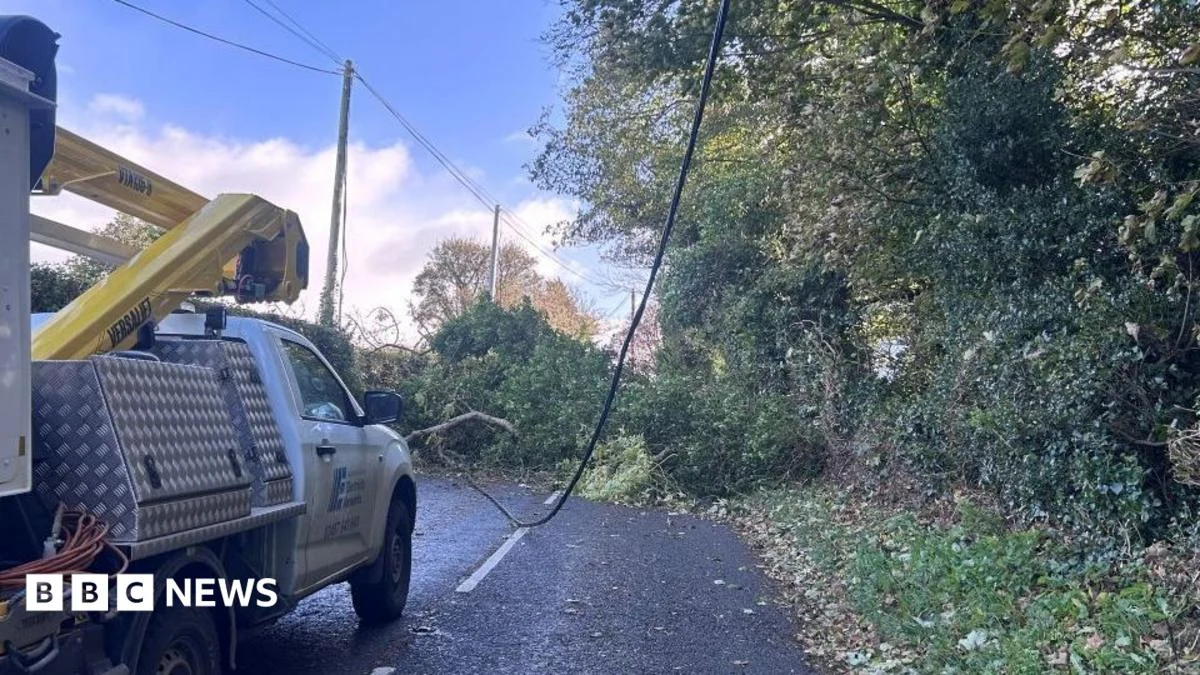
The extensive efforts of engineers and support staff across Northern Ireland have successfully seen electricity restored to the vast majority of properties impacted by the severe power cuts inflicted by Storm Boelo. By Sunday evening, Northern Ireland Electricity Networks (NIE Networks) confirmed a significant milestone, having reconnected approximately 11,500 customers who had been plunged into darkness at the storm’s peak. This rapid response underscores the dedication of emergency services and utility crews working tirelessly in challenging conditions following one of the most impactful weather events of the season.
At its most ferocious on Saturday, Storm Boelo unleashed gusts of wind reaching speeds of almost 80mph in several exposed areas, particularly along the coastlines and higher ground. This powerful Atlantic depression, which swept across the island of Ireland, caused widespread disruption, tearing down power lines, uprooting trees, and leading to considerable travel chaos. The initial estimate from NIE Networks indicated that around 12,500 properties were without power at one stage, a testament to the storm’s destructive force and the immediate challenge it posed to infrastructure.
Andrew Cupples, head of system operations for NIE Networks, expressed gratitude and pride in the collective efforts to mitigate the storm’s impact. "Thanks to the incredible dedication of our engineers, contracting partners, and support staff, we have now been able to restore power to around 11,500 customers," Cupples stated. He added, "With less than 1,000 properties still affected, the hope is that our crews are able to restore power to all of those properties tonight, depending on the complexity of each repair." This ongoing work often involves navigating difficult terrain, working at height in challenging weather, and meticulously repairing damaged infrastructure such as snapped poles, fallen cables, and faulty transformers. The company advised customers to utilise its online Powercheck tool for the most up-to-date information on estimated restoration times, a crucial resource for those still awaiting reconnection.
The impact of Storm Boelo was not confined to power outages. The Department for Infrastructure (DfI) reported a staggering 470 incidents across Northern Ireland, predominantly involving fallen trees and branches obstructing roadways, along with significant surface water accumulation. These incidents demanded immediate attention from DfI staff who worked around the clock, deploying teams to clear debris, manage road closures, and ensure public safety. The sheer volume of reports highlights the widespread nature of the storm’s damage to the natural and built environment, creating hazardous conditions for motorists and pedestrians alike. The coordination between DfI, NIE Networks, and other emergency services such as the Police Service of Northern Ireland (PSNI) and local fire and rescue services was paramount in managing the crisis effectively.
Travel across the island was severely disrupted. All three major airports – Belfast City Airport, Belfast International Airport, and Dublin Airport – experienced cancellations and delays as the storm made flying conditions treacherous. Passengers faced frustrating waits and diversions, with some flights unable to land and forced to reroute to other airports further afield. Beyond air travel, road networks were significantly affected by the fallen trees and branches, leading to diversions and extended journey times. Public transport, including bus and rail services, also faced delays and cancellations in various areas, further isolating communities and impacting essential services. Ferry crossings, particularly those exposed to the open sea, also contended with significant swells and strong winds, leading to precautionary cancellations or revised schedules.
Meanwhile, the Republic of Ireland also bore the brunt of Storm Boelo’s fury. ESB Networks, the electricity provider for the Republic, reported that approximately 5,000 homes, farms, and businesses were still without electricity on Sunday evening. Similar to their counterparts in Northern Ireland, ESB Networks’ crews were engaged in extensive repair operations, battling against the remnants of the storm and the logistical challenges of reaching affected areas. The consistent high winds across the entire island necessitated a coordinated and resilient response from utility providers and emergency services to ensure public safety and restore normalcy as quickly as possible. The storm’s impact on agricultural holdings, particularly in rural areas, added another layer of concern, with farmers potentially facing issues related to livestock welfare and operational disruptions without power.
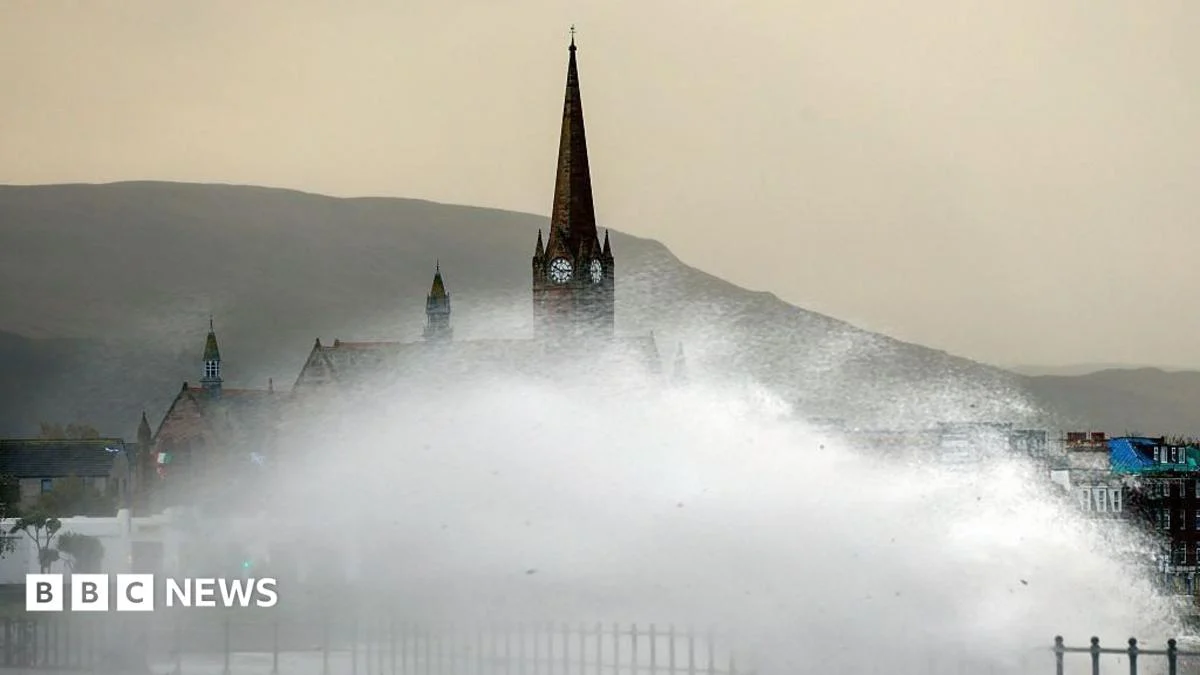
Meteorologically, Storm Boelo developed from a deep area of low pressure in the Atlantic, rapidly intensifying as it tracked towards the British Isles. Its swift movement and intense wind field were characteristic of a potent extra-tropical cyclone. The term "Boelo" itself comes from the storm naming conventions jointly operated by the Met Office (UK) and Met Éireann (Republic of Ireland), designed to raise public awareness and preparedness for severe weather events. While the storm brought significant rainfall, the primary destructive force was undoubtedly the hurricane-force gusts, which caused structural damage to buildings, brought down mature trees, and snapped power poles. Coastal areas experienced particularly violent conditions, with large waves and sea spray affecting exposed promenades and increasing the risk of coastal erosion.
Before and during the storm, public safety warnings were extensively issued, urging residents to secure loose outdoor items, avoid unnecessary travel, and stay away from coastal areas. Emergency services reiterated the dangers of fallen power lines, advising the public never to approach them and to report them immediately. These proactive communications undoubtedly played a role in minimizing injuries and ensuring that communities were as prepared as possible for the severe weather. Many households took precautions, stocking up on essential supplies, checking on vulnerable neighbours, and ensuring mobile phones were charged, highlighting a strong sense of community resilience in the face of adversity.
Looking ahead, while the immediate crisis response is largely focused on restoring power and clearing debris, the long-term implications of Storm Boelo will likely include significant repair costs for infrastructure, potential insurance claims for property damage, and a review of emergency preparedness protocols. Utility companies will undoubtedly conduct post-storm analyses to identify areas for improvement in their response mechanisms, from communication strategies to the resilience of their networks. For the remaining customers still without power, the promise of reconnection by Sunday night offers a glimmer of hope, signaling the end of a challenging weekend and the beginning of recovery for communities across Northern Ireland. The concerted efforts of thousands of workers, from engineers in cherry-pickers to control room operators, have been instrumental in navigating the disruption and restoring essential services with remarkable speed and efficiency.

 Nakalama John
 Roy Suryo

 atisusanti

 George Anjay
