Nakalama John
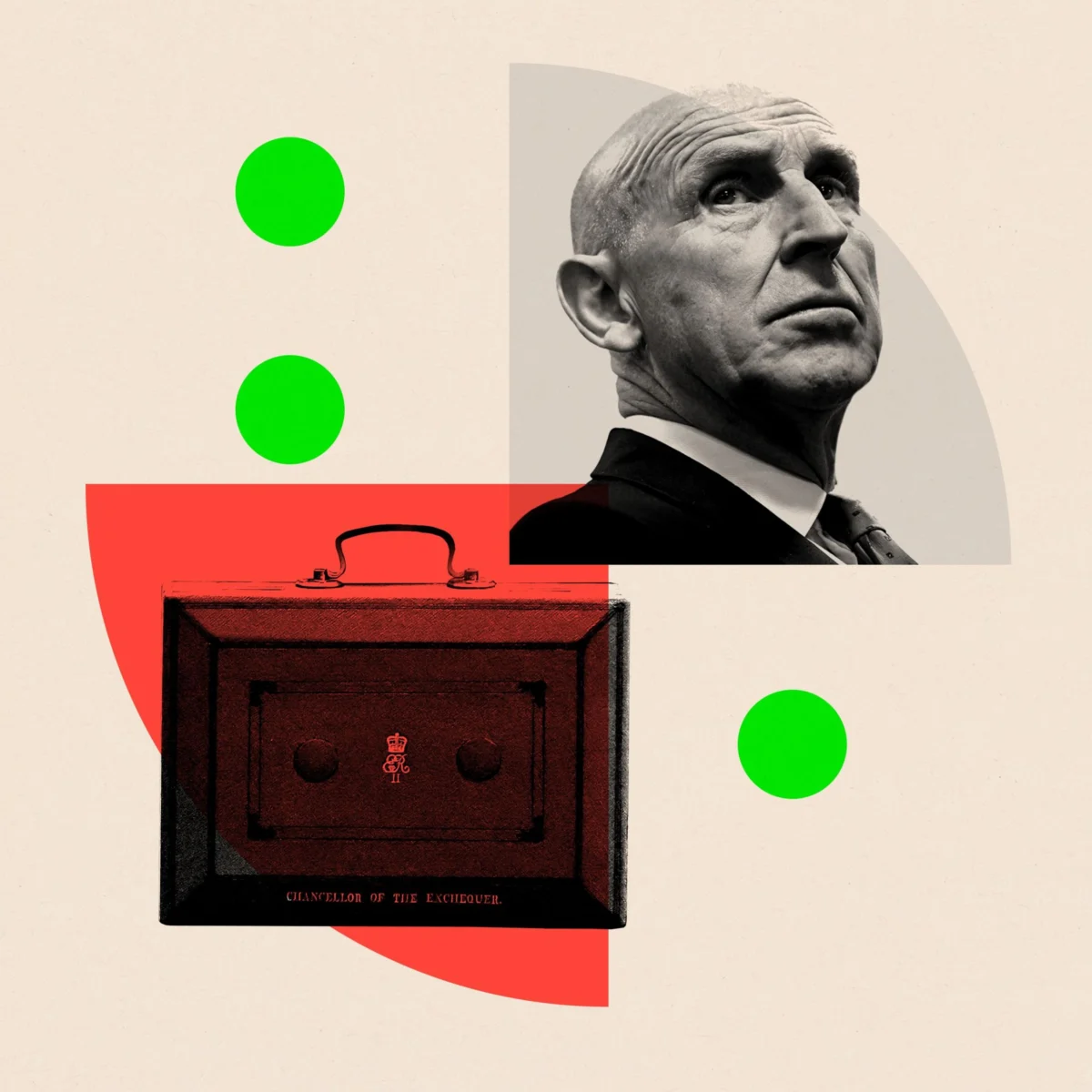
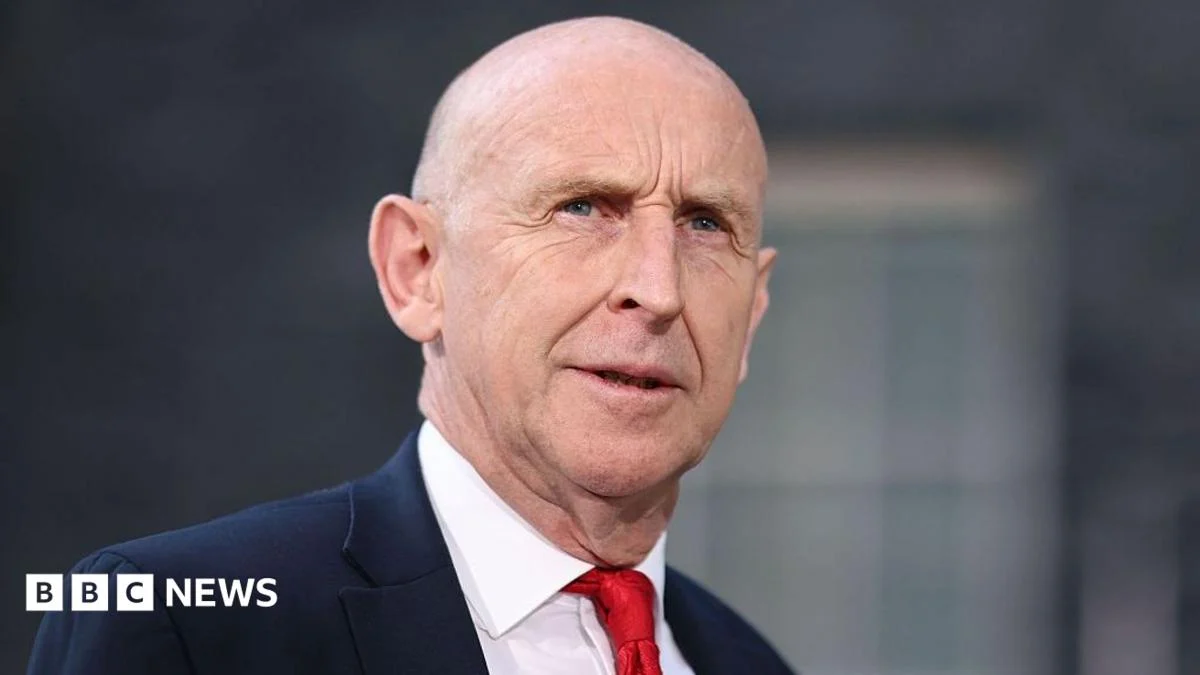
Healey, a former defence secretary, has embraced these stringent protocols, approaching public engagements with a resolute refusal to break the Budget omertà – a stance reminiscent of cricketing legend Geoffrey Boycott’s famously ultra-defensive play. This cautious approach comes at a critical juncture for the UK economy, which has recently defied pessimistic forecasts. Economic news has been surprisingly positive, with growth exceeding expectations. The International Monetary Fund (IMF) has even singled out the UK among G7 nations for its commendable commitment to reducing borrowing.

The UK’s standing in the global financial arena has notably improved. The bond market, which previously viewed Britain with scepticism – recalling the "moron premium" applied to UK borrowing costs after the destabilising Liz Truss mini-budget of 2022 – has shifted its focus. Traders, once fixated on British gilts, are now more concerned with the widening "spread" between French and German borrowing costs and the long-term debt outlook of the United States. This indicates a renewed, albeit fragile, credibility for the UK government among international investors.
However, despite this brighter economic picture, gathering clouds loom large on the horizon. The inflation rate unexpectedly rose to 3.5% in September, surpassing forecasts and hinting at persistent price pressures. Concurrently, borrowing figures have also come in higher than anticipated. These factors strongly suggest an imminent interest rate hike by the Bank of England, which would inevitably lead to increased mortgage repayments for many households. Beyond the immediate concerns, predictions for January paint a challenging picture, with typical energy bills forecast to surge by 16%, further interest rate increases possible, and a persistent underlying fear of a potential burst in the burgeoning AI technology bubble.

For John Healey, the upcoming Budget represents a delicate balancing act. He must craft a fiscal plan that not only sustains the recent revival in economic growth but also offers tangible relief to households grappling with the cost of living crisis – a key demand from his backbenchers. Simultaneously, he needs to reassure financial markets that his Budget will maintain strict control over borrowing, thereby safeguarding the UK’s newfound fiscal credibility. Credibility, in this context, demands not just that the Budget’s numbers add up, but also that growth plans are perceived as realistic and that Downing Street can effectively secure parliamentary approval for its proposals.
The debate among economists regarding the UK economy’s current state – "Is it resilient, or is it actually strong?" – underscores the nuanced context of this vital Budget. The UK has emerged as the fastest-growing G7 country this year, with a robust 0.6% growth in Q1 and 0.5% in Q2. Contrary to widespread predictions of stagnation, Q3 is also projected to achieve 0.6% to 0.8% growth. This remarkable performance, with quarterly growth consistently double the predictions of the Office for Budget Responsibility (OBR) and independent forecasters, marks the fastest growth in the first eight months of a year since 2017, excluding the post-lockdown rebound.

This resilience is a significant improvement from 2022, a year scarred by the Ukraine war, massive energy bailouts, and the infamous Liz Truss mini-budget, which saw the UK facing the highest borrowing costs in the G7. Last year’s constant policy U-turns further exacerbated the situation, causing UK borrowing costs to rise more than any other G7 nation. While the gap has narrowed this year, thanks to uncertainties shifting towards the US and France, all advanced economies are feeling the heat from the ongoing Iran war energy shock.
Several factors have contributed to the UK’s unexpected economic defiance. Reforms to the electricity market have successfully decoupled gas and electricity prices to some extent, mitigating the impact of gas price spikes on household bills. Crucially, the Iran war has, until now, primarily manifested as an oil shock rather than a gas shock, a fortunate distinction for the UK which is more exposed to gas price volatility. Furthermore, substantial investment in AI and other advanced technologies within the UK has provided a significant boost to economic indicators. These combined elements have allowed the country to defy dire predictions of recession and national bankruptcy.

This period of economic defiance has persisted through the initial three months of the Burnham-Healey administration, aided by a relative lull in the Iran war and its associated energy price shocks. Upon entering Downing Street, Prime Minister Andy Burnham was advised that fostering greater consumer confidence could stimulate spending and, in turn, boost growth. The government has seemingly relied on a series of relatively inexpensive "feel-better" policies, such as capped bus fares and a temporary VAT reduction on household energy bills. These measures have indeed improved confidence without placing significant strain on public finances.
However, the fiscal headroom remains limited, restricting the scope for extensive "temporary and targeted" interventions. The looming prospect of January, with its predicted 16% rise in energy bills, potential interest rate hikes, and the lingering threat of an AI bubble burst, signals that these clouds could soon gather directly overhead.

Chancellor John Healey’s approach to economic management was articulated during a visit to a high-tech robotics research facility in Coventry last month. Asked about the prevalent "doom-mongering," he acknowledged the challenging global conditions but stressed the UK’s "huge latent potential. Great talent, and deep capital markets." He emphasised his and the Prime Minister’s "lockstep" determination to "balance the books, we manage and control public spending, and… meet the fiscal rules with a buffer." His decision-making process appears to prioritize impressing financial markets over immediately appeasing his own backbenchers, a judgement gleaned from recent interviews.
The true impact of Healey’s Budget will likely be revealed not in his speech itself, but in the borrowing tables published in the OBR’s forecast, released shortly after his address. The market’s real reaction will be evident when the Debt Management Office issues the "gilt remit," detailing any changes to its plans for selling UK government bonds to investors. Healey’s team will be closely watching for market movements, particularly aiming to minimise the borrowing number and guide down medium and long-term borrowing rates for both the government and mortgage holders. The memory of 2022, when markets recoiled at the prospect of increased borrowing following the mini-budget, serves as a powerful cautionary tale.

Healey’s commitment to prudence is deeply ingrained. Having spent five years as a junior minister under Chancellor Gordon Brown from 2002 to 2007, he possesses more Treasury experience than many of his recent predecessors. This extensive background, encompassing five finance bills, five Budgets, pre-Budget reports, and two Spending Reviews, has undoubtedly shaped his fiscal philosophy. His choice to wear Brown’s old conference tie during his Labour Party conference speech symbolised a continuity of a certain fiscal conservatism. However, the Treasury he now leads is vastly different from Brown’s era, which enjoyed annual surpluses rather than a £120bn deficit contributing to a £3 trillion national debt.
Healey has indicated a willingness to tackle difficult issues that proved challenging for his predecessor, Rachel Reeves. He stressed to the conference, and the wider public, that the financial landscape of the 1990s no longer exists. "Running through the Budget I deliver must be fiscal discipline and the maintenance of control on the public finances, because otherwise we won’t get on top of the debt costs," he affirmed. An intriguing aspect of the upcoming Budget may involve welfare reforms, with a Labour government potentially finding the political capital to save money on benefits. Reports suggest plans to reduce payments for some younger individuals with mental health issues, instead investing in support to help them into and remain in employment, including in-work therapy.

Unlike Brown’s tenure, where Chancellors had greater latitude to resolve late budget maths problems with optimistic tweaks to forecasts or changes to economic cycles, Healey operates under the watchful eye of the independent OBR. The OBR’s verdict on projected welfare savings and its assessment of stronger GDP figures are now crucial. This constraint highlights a significant shift in power dynamics: Healey faces the immutable realities of the OBR, manifesto red lines, bond market demands, colossal national debt, and ongoing energy shocks – a stark contrast to the unfettered authority of the Brown Treasury.
There exists a temptation to postpone some of the toughest decisions, such as funding increases for defence and social care, beyond this Budget. An improved economic outlook, perhaps stemming from a resolution of the Iran war in the coming months, or a revised assessment of long-term economic growth by the OBR, could plausibly improve public finance projections by tens of billions next year. This scenario would provide a much more agreeable foundation for deciding the pace of significant spending increases, a particularly appealing option with an election in mind. As former Treasury officials lament, "There is always a reason for procrastination."

Ultimately, Chancellor Healey will laud the UK economy’s resilience and strength, aiming to sustain this momentum and spread growth across the country. His defining judgement will be the delicate balance between offering essential financial and economic support and mitigating the peril of still elevated borrowing costs. His Budget will strive to provide breathing space – not just for households and families, but crucially, for the Exchequer itself.


 Nana Banana

 Roy Suryo
 atisusanti

 George Anjay