
 George Anjay
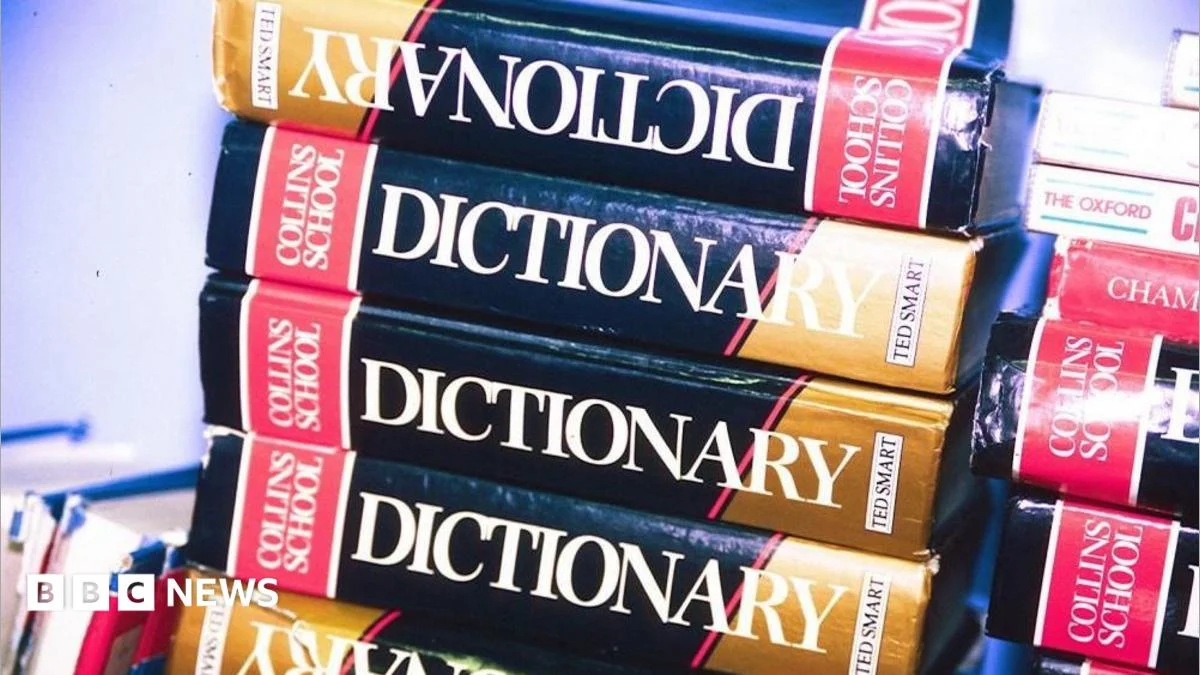
Americans have embraced "maxxing" with unparalleled fervor, catapulting the term to its rightful place as Dictionary.com’s 2026 Word of the Year. This linguistic phenomenon, a portmanteau of "maximizing," encapsulates a pervasive cultural drive to push boundaries, optimize every facet of life, and extract the absolute fullest potential from any endeavor. Dictionary.com elucidated in a statement that "maxxing" can stand alone or serve as a powerful suffix, appended to any word to signify an act of doing something to its ultimate capacity or achieving peak optimization. This declaration marks a significant evolutionary leap from the lexicographical landscape of just two years prior, when the same platform, after meticulous analysis of U.S. social media trends, news narratives, and search data, bestowed its honor upon the rather demure "demure." Last year’s selection, "67," a number with specific cultural resonance, offered a stark contrast to the dynamic, action-oriented "maxxing."
Steve Johnson, director of lexicography for the Dictionary Media Group, aptly described "maxxing" as "the linguistic manifestation of a culture increasingly preoccupied with getting the most out of everything." This sentiment is powerfully underscored by data from Dictionary.com, which revealed a staggering surge in the digital media usage of "maxxing." In August 2026 alone, the term appeared nearly 19 times more frequently compared to the preceding year’s monthly average. This meteoric rise propelled "maxxing" to the forefront, overshadowing other strong contenders that Dictionary.com considered for the prestigious title. Among these were "affordability," reflecting economic anxieties; "data centre," a nod to the digital infrastructure underpinning modern life; "odyssey," suggesting a grand journey or quest; and the increasingly prevalent, shortened form of uncle, "unc," indicating evolving familial nomenclature.
The embrace of "maxxing" is particularly pronounced among younger demographics, specifically Generation Z and younger individuals, those under the age of 30. On social media platforms, these demographics are prolific in chronicling their "maxxing" efforts across a bewildering array of pursuits, all aimed at achieving various forms of perceived perfection. The realm of fitness and wellness has witnessed an explosion of "maxxing" terminology. Influencers meticulously detail their "proteinmaxxing" routines, focusing on maximizing protein intake for muscle growth and recovery, and their "fibermaxxing" strategies, aimed at optimizing digestive health. Similarly, individuals dedicated to improving their sleep hygiene are proudly declaring their "sleepmaxxing" endeavors, a testament to the prioritization of restorative rest.
A prominent figure in this trend is the influencer Clavicular, who has amassed a considerable following by documenting his extreme "looksmaxxing" journey. This involves a rigorous, often intense, dedication to meeting a predefined set of aesthetic criteria, with a particular emphasis placed on enhancing features such as jawlines, eye structure, and overall physique. Clavicular’s content, while polarizing, exemplifies the cultural zeitgeist that "maxxing" so effectively captures.
Johnson further elaborated on the cultural underpinnings of "maxxing," stating, "Whatever we’re doing, we want to push it further." He also noted the nuanced ways in which the term’s expanding applications reveal diverse human responses to this inherent impulse. "Some embrace it. Some exaggerate it for laughs. Others subvert it entirely to describe stepping back from the relentless pursuit of more." This observation highlights the multifaceted nature of "maxxing," acknowledging its capacity for both genuine aspiration and ironic detachment.
It is crucial to recognize that the concept, if not the precise term, has a longer lineage than its recent digital prominence might suggest. The impulse to "max out" or "maximize" has been present in popular culture for decades. A salient example can be found in the opening lyrics of the iconic 1990s television show The Fresh Prince of Bel-Air, where Will Smith raps: "Chillin’ out, maxin’, relaxin’ all cool." This early usage demonstrates the term’s foundational association with a relaxed, yet purposeful, state of being, albeit one far removed from the intensity often associated with its contemporary iteration.
The rapid ascent of "maxxing" into the lexicon, however, prompts reflections on the lifecycle of language in the digital age. Teacher Lauren Cella, a content creator renowned for her engaging and viral Gen Z history lessons, observes, "Unfortunately, by the time the dictionary gets a hold of it, that probably means that it’s reached critical mass." Cella, who herself has been employing "maxxing" as a suffix with her students for some time, views this linguistic evolution with a mixture of amusement and academic fascination.
Cella believes that "maxxing" empowers students by providing them with a linguistic tool to "optimize to meet a goal" or to embrace activities that others might deem "cringe." It allows them to claim ownership over their pursuits and to define their own metrics for success. "It’s a fun, harmless way that kids are expressing themselves and sharing different goals that they have," she remarks, underscoring the term’s utility as a vehicle for self-expression and aspiration. She sees it as a form of grammatical innovation, a testament to the dynamic and adaptive nature of language.
Linguist Vanessa Croft, who teaches English, offers a broader perspective on the accelerated pace of language evolution in the digital era. She likens the internet and digital media to a force that propels language change at "warp speed," far surpassing the influence of earlier mass media like radio, film, or television. Croft notes that new terms can enter the lexicon as swiftly as they can fall out of favor. This rapid flux means that by the time older generations, such as millennials, Gen X, or Gen Y, begin to adopt a term, younger generations like Gen Z and Gen Alpha may have already moved on to new linguistic frontiers.
While Croft and her secondary-school-aged students are still actively employing "maxxing," she acknowledges a subtle shift in their usage. "They are now using it ‘almost ironically’," she states, suggesting that the term, having reached widespread adoption, may be undergoing a transformation, potentially moving towards a more self-aware or even subversive application. This ironic detachment can be seen as another layer of "maxxing" itself – the "maxxing" of irony. The journey of "maxxing" from a niche term to the Word of the Year signifies not just a linguistic trend, but a profound reflection of contemporary culture’s relentless pursuit of optimization, self-improvement, and the ever-present desire to extract the utmost from every moment, every experience, and every aspect of life itself. Its selection serves as a digital timestamp, capturing the essence of an era driven by ambition, innovation, and the unyielding quest for more.




 Nakalama John

 atisusanti

 Ramos Leo
 Roy Suryo

 Nana Banana
