George Anjay
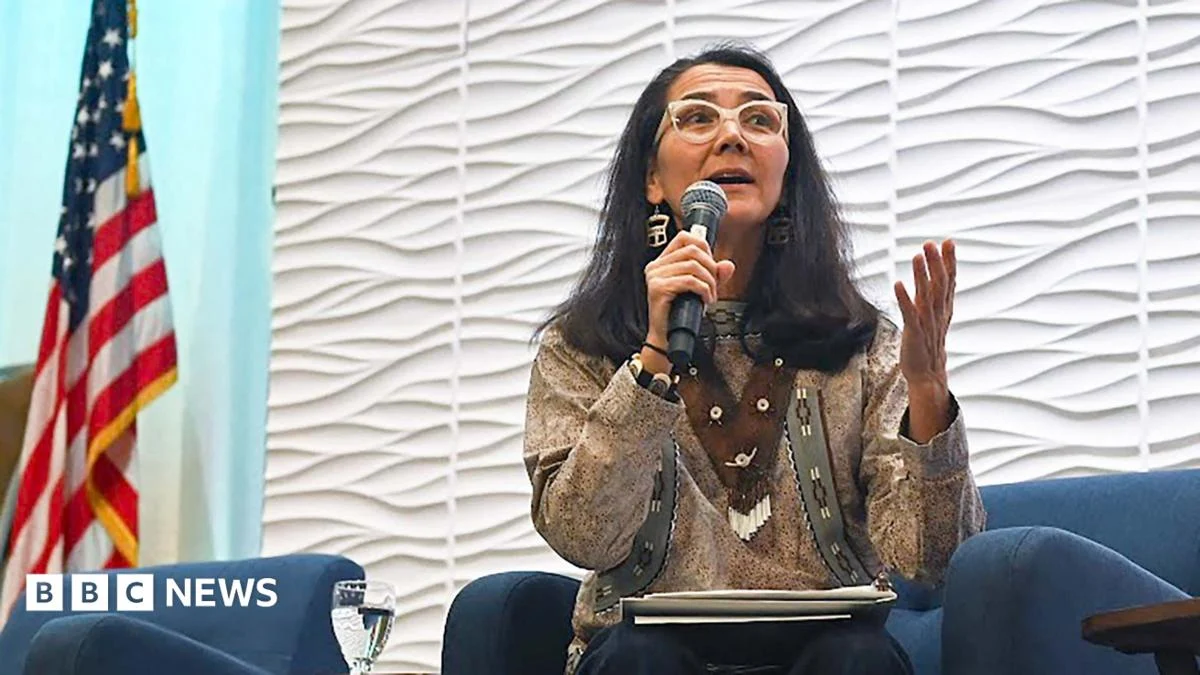
Democratic Senate candidate Mary Peltola has vehemently denied any knowledge of an alleged "scheme" that resulted in two individuals named Dan Sullivan appearing on the ballot for the Alaska Senate race. This forceful denial comes amidst an escalating criminal investigation into the matter, initiated by the Trump administration and further spurred by an official inquiry ordered earlier this week by the Republican governor of Alaska. The incumbent Republican Senator, Dan Sullivan, and his allies have publicly accused the Democrats of orchestrating this situation to deliberately confuse voters.
The Alaska Senate race is widely considered by political analysts to be one of the most tightly contested races in the upcoming U.S. midterm elections, a contest with significant implications for which party will control Congress. Speaking to voters on Thursday, Peltola sought to "clear the air," stating unequivocally, "I knew nothing about any other candidate on the ballot except for me and the incumbent. That is all I have ever known about. I am not interested in tricking voters."
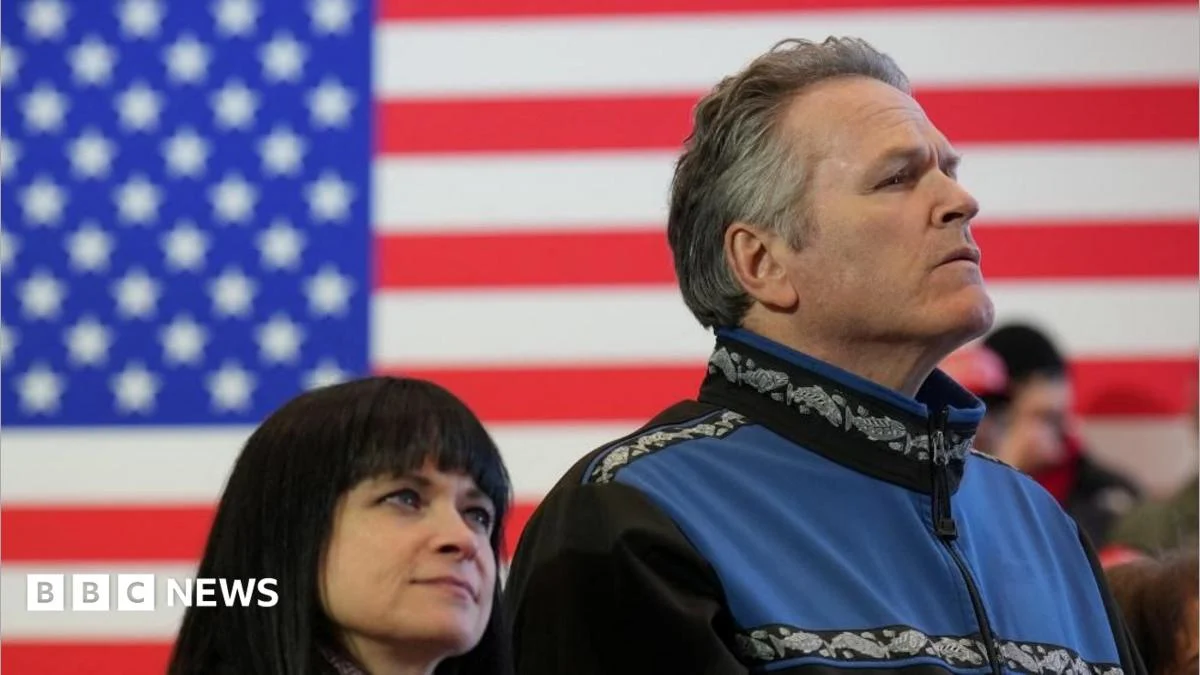
While both individuals named Dan Sullivan have been campaigning for the open Senate seat for some time, a significant controversy erupted earlier this week following a report by The New York Times. The Times’s investigation alleged that Peltola’s campaign team had engaged with individuals who actively sought to recruit "spoiler candidates" for the Senate race. Specifically, the report detailed how individuals connected to Peltola’s campaign, along with senior aides from the Democratic Senatorial Campaign Committee (DSCC), allegedly worked to recruit Dan J. Sullivan, a retired teacher residing in a remote fishing village, to run in the Senate race.
The New York Times stated that it had reviewed text messages and interviewed twelve individuals who were either participants in, or had knowledge of, the plan, or were potential candidates who had been approached. While the BBC has not independently verified the reporting, the allegations have nonetheless triggered a significant political and legal storm. The Peltola campaign has officially denied these reports, and Dan J. Sullivan has also denied any direct links to the Peltola campaign.
However, these denials have done little to quell the intense scrutiny and criticism directed at Peltola from both the Department of Justice (DOJ) and Republican circles. CBS News, the BBC’s U.S. news partner, reported that the DOJ has begun issuing subpoenas targeting Democratic officials allegedly connected to the effort to recruit Dan J. Sullivan to appear on the Alaska ballot. As of Friday morning, no charges had been filed in connection with these investigations.
At a press conference on Friday afternoon, Michael Heyman, the U.S. Attorney for the District of Alaska, confirmed that "There is both a civil investigation and a criminal investigation that are ongoing." Heyman, however, did not immediately provide specific details regarding potential criminal offenses his office intended to investigate.
Adding another layer of complexity to the legal landscape, Scott Kendall, an attorney who previously worked with Republican Senator Lisa Murkowski on her successful campaigns in 2010 and 2016, expressed skepticism that the actions described in The New York Times report would necessarily constitute a violation of the law. Kendall explained that Alaska law does not currently enforce specific "good-faith" requirements for candidates, noting that the emergence of spoiler candidates has not been an uncommon occurrence in past Alaskan electoral contests. "I freely admit there could be more facts, but I’m not going to speculate they exist," Kendall commented.
Kendall, along with other legal experts, suggested that federal crimes could potentially come into play if there was evidence of campaign finance violations. However, such evidence has not yet surfaced. Kendall ultimately concluded that the most significant risk to Peltola stemming from these allegations is "absolute reputational harm."
The Trump administration had already initiated a federal lawsuit the previous week, aiming to prevent the certification of election results should the Trump-backed Sullivan lose. The administration’s argument centered on the contention that the presence of two candidates with the same name on the ballot could lead to voter confusion. On Wednesday, the DOJ formally amended its lawsuit, incorporating the reporting from The New York Times. The amended filing cited significant portions of the newspaper’s story and highlighted Governor Mike Dunleavy’s announcement of an official investigation.
A federal judge has since expedited the consideration of the case and is set to weigh motions to dismiss that have been filed by Alaska election officials, with support from the Peltola campaign and various voting rights groups. This legal action unfolds just days before voters nationwide head to the polls. The outcome of this particular race in Alaska is being closely watched across the country, as it has the potential to be the decisive factor in determining which party ultimately controls the Senate.
The non-partisan Cook Political Report currently classifies this Senate race as a "toss-up," underscoring its extreme competitiveness and national significance. As the final weekend of campaigning approaches, President Donald Trump is scheduled to participate in back-to-back rallies in Kansas and Iowa on Sunday. These in-person appearances were initially canceled but have since been rescheduled, according to a source familiar with the planning, to accommodate remote appearances by Trump at tele-rallies. The intensifying legal scrutiny and political maneuvering surrounding the dual Dan Sullivan candidacies cast a long shadow over this pivotal election, raising questions about the integrity of the electoral process and the potential for voter deception in a race that could shape the future of the U.S. Senate. The allegations have introduced an unprecedented level of complexity and intrigue into the Alaskan political landscape, transforming what was already a closely watched contest into a national spectacle of legal challenges and political accusations. The investigation into the alleged plot, if it uncovers evidence of illegal activity, could have far-reaching consequences for the Democratic Party and the individuals involved, while the ongoing legal battles underscore the high stakes of this critical midterm election. The emphasis on voter confusion and potential manipulation highlights a broader concern about electoral integrity and the methods employed by political campaigns to gain an advantage. As the situation continues to develop, the impact on Peltola’s campaign and the broader implications for future elections remain to be seen.


 Nakalama John

 atisusanti
 Ramos Leo