
 atisusanti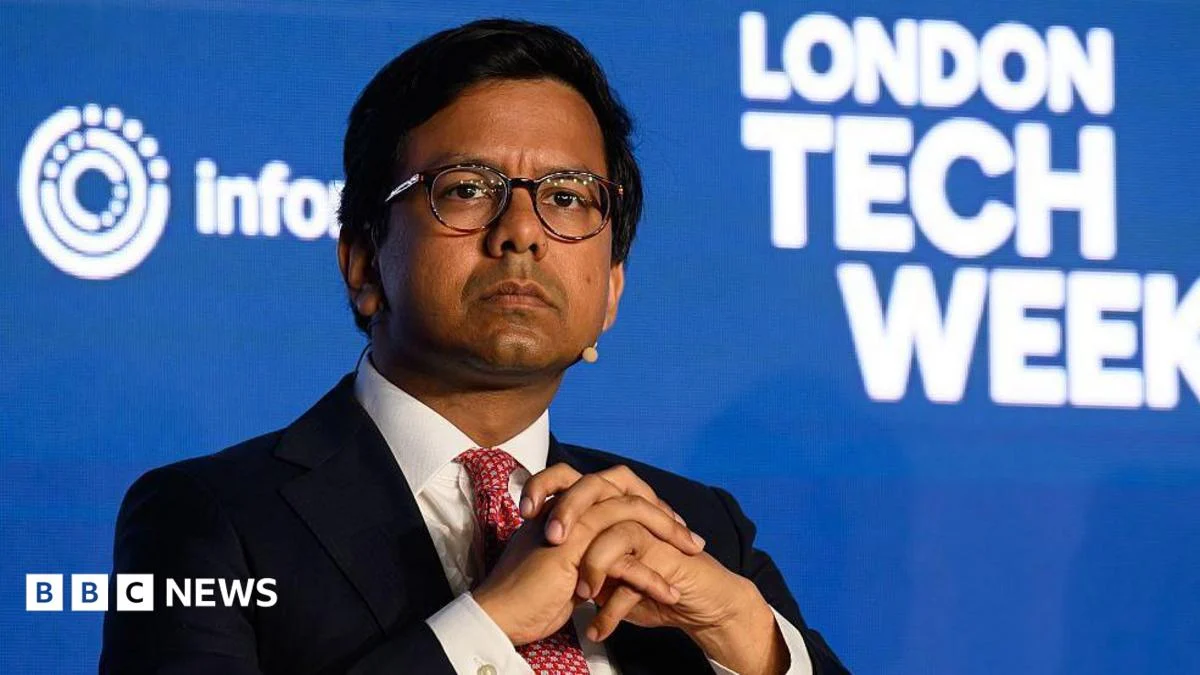
The AI Minister, Kanishka Narayan, is set to be elevated to a prominent position within the heart of government, attending cabinet meetings and wielding significant influence, while the Department for Science, Innovation and Technology (DSIT), a relatively nascent entity, has been unceremoniously scrapped. This radical reshuffling, orchestrated by the new Prime Minister Andy Burnham, signifies a fundamental shift in how the government prioritises and manages its technology and innovation agenda. The dissolution of DSIT, established just last year by the Conservative administration under Rishi Sunak, means its wide-ranging responsibilities will be dispersed across a variety of existing government departments, creating a more fragmented approach to science and technology policy.
Crucially, this reorganisation also marks the end of a dedicated technology secretary role, a position formerly held by Liz Kendall, who was dismissed by Prime Minister Burnham as part of this sweeping shake-up. However, Narayan, whose appointment as AI Minister was initially made under the previous Labour leader Sir Keir Starmer, has publicly lauded his invitation to cabinet as a testament to Burnham’s "deep commitment to AI’s importance." This elevation underscores the perceived strategic significance of artificial intelligence within the new government’s overarching objectives.
Kanishka Narayan brings a distinctive background to his elevated role. Born in India and having spent his formative years in Cardiff, he possesses a wealth of experience garnered from both the public and private sectors before entering Parliament in 2024 as the Member of Parliament for the Vale of Glamorgan. During his tenure as Parliamentary Under-Secretary of State within Sir Keir Starmer’s shadow government, Narayan was instrumental in shaping policy and strategy across critical areas, including harnessing AI opportunities, bolstering the AI Security Institute, advancing semiconductor capabilities, and addressing the complexities of online safety. It is anticipated that he will continue to champion these vital portfolios, albeit now without the direct leadership of the now-defunct DSIT and its former secretary.
Narayan himself articulated a powerful vision for AI’s transformative potential in a statement released early Tuesday morning. "AI is likely the most significant technology in human history. Its impact will dwarf other things," he declared on the social media platform X. He painted an optimistic picture of the future, stating, "The best case for it is compelling beyond our dreams: a reindustrialised Britain, stronger national security, public services transformed for the better." This ambitious outlook suggests a belief that AI can be a potent engine for national renewal, driving economic growth and enhancing the nation’s defence and public services.
However, Narayan also acknowledged the inherent risks associated with such a powerful technology. He candidly admitted that AI poses "real risks to the public" and that "it is right that the British public shares those worries, for jobs, for the pace of change." This dual perspective highlights a nuanced understanding of AI’s potential, recognising both its profound benefits and the legitimate concerns it raises regarding employment and the rapid pace of societal transformation. This balanced approach will be crucial as he navigates the complexities of AI policy at the highest levels of government.
The dismantling of DSIT has drawn reactions from across the technology sector. Dom Hallas, head of the tech trade body, the Startup Coalition, emphasised the critical need for the government to maintain momentum in its support for technology. He stated that it was key that, with the dismantling of DSIT, the government did "not take the foot off the pedal" with tech. Hallas lauded the previous department for laying "good foundations" and urged that the immediate priority should now be on accelerating the adoption of AI technologies across both government operations and the wider public sphere. This call to action underscores the urgency of translating policy into tangible progress and widespread integration.
Professor Adam Beaumont, chairman of the telecoms and digital infrastructure firm AQL, identified ensuring resilience as the most pressing challenge for the newly empowered AI Minister. He voiced concerns that the repeated reorganisations of science and technology within government risked a destabilising effect, warning of the danger of "changing too many things at once." Professor Beaumont stressed the interconnectedness of the digital world, noting, "We’re a small island but the internet is borderless, we need more compute within our shores," thereby advocating for a significant increase in domestic data centre capacity.
This push for increased data centre infrastructure, however, is not without its controversies. Earlier this year, reports emerged that government plans to establish the UK as a "world leader" in AI could place an undue strain on already stretched drinking water supplies, a stark illustration of the multifaceted challenges associated with rapid technological advancement.
Despite these environmental concerns, Professor Beaumont remained adamant about the imperative of powering these digital hubs. He argued that to effectively supply data centres, the government must prioritise the immediate delivery of "abundant and reliable energy for the grid." His reasoning is stark: "Without power there’s no compute, without the compute there’s no knowledge economy." He concluded by highlighting the critical dependency of future digital growth aspirations on the availability of energy, a resource that is not currently expanding at a pace commensurate with the exponential growth of AI. This points to a fundamental bottleneck that requires urgent governmental attention.
Adding another layer of complexity to the debate, Professor Neff suggested that the electorate’s perception of AI’s benefits might differ significantly from the government’s strategic vision. She posited that for any Labour government to anchor its future electability to the advantages offered by AI, the "political challenge for a new government is people need to feel the benefits before any job losses." This sentiment highlights a potential disconnect between the abstract promises of technological advancement and the tangible everyday realities faced by the public.
Professor Neff questioned the broader economic strategy, asking, "How do you jump start the British economy to get growth? AI may be that solution, or it might be a longer term investment." This raises a fundamental question about whether AI is an immediate catalyst for economic revival or a more gradual, long-term investment. Ultimately, she concluded, "People want to see the economy improving and kids getting jobs." This underscores the vital importance of ensuring that the benefits of AI translate into tangible improvements in the economy and job creation, particularly for younger generations, in order to secure public trust and political support. The success of Burnham’s shake-up, and indeed his premiership, may well hinge on his ability to bridge this gap between technological ambition and the everyday concerns of the British public.




 Roy Suryo

 Nakalama John
 Ramos Leo
