Ramos Leo
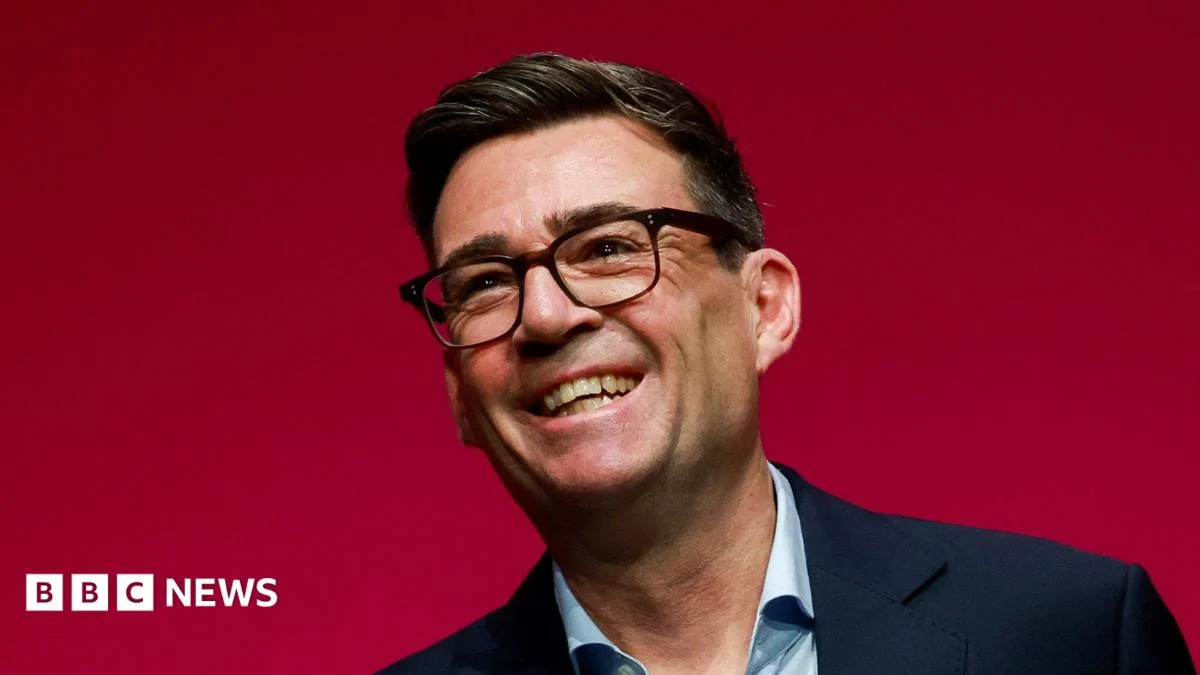
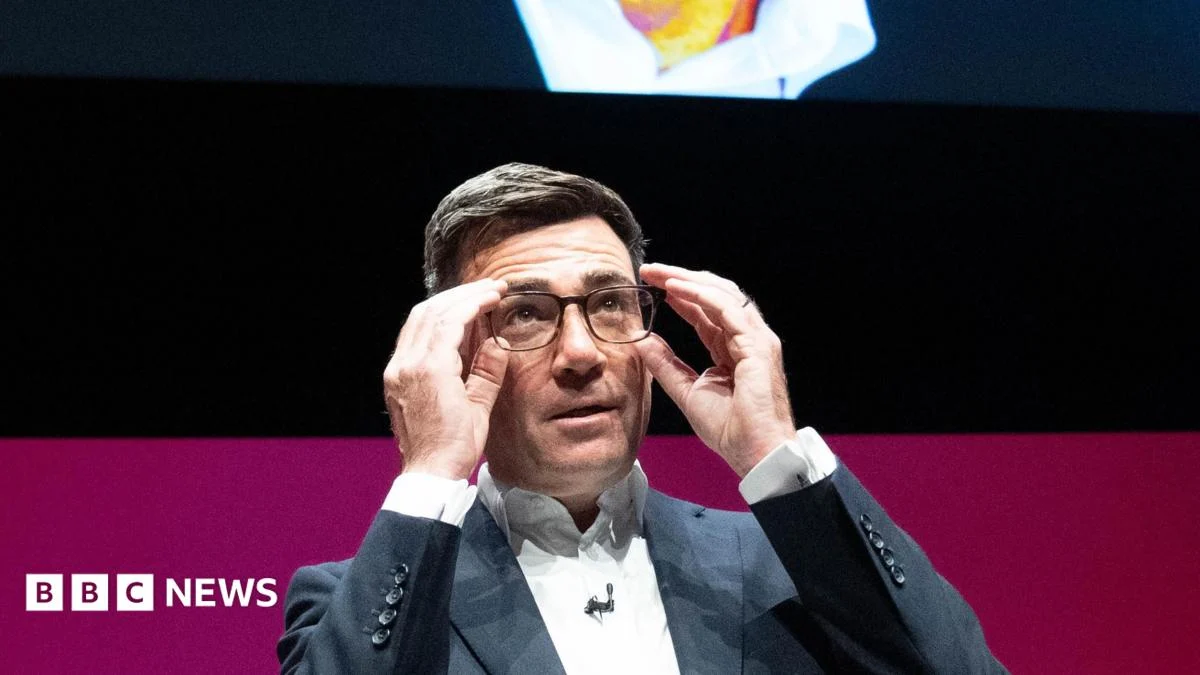
The leaders commenced their discussions with a warm exchange, shaking hands and posing for photographers alongside their wives, Marie-France van Heel and Brigitte Macron, against the iconic backdrop of Downing Street. This convivial atmosphere set the tone for what both sides hoped would be a productive dialogue on a range of shared challenges and opportunities. Prime Minister Burnham emphasized the significance of Macron’s visit, describing it as "so fitting" that his "nearest neighbour and close friend Emmanuel" was his inaugural overseas visitor in Downing Street. This sentiment highlights a deliberate effort by the new UK administration to mend and fortify ties with European partners, particularly France, following years of post-Brexit strain.

Central to their agenda was the escalating issue of illegal small boat crossings in the English Channel, an ongoing humanitarian and security challenge for both nations. The recent emergence of "mega dinghies," capable of carrying significantly larger numbers of migrants – with one 15-meter vessel earlier in August transporting a record 230 individuals – has intensified concerns. The Conservative opposition, led by Kemi Badenoch, swiftly criticized the situation, asserting it demonstrated the government’s failure to "smash the gangs" orchestrating these perilous journeys.
Burnham, however, framed the issue as a "shared European challenge," advocating for enhanced collaboration rather than unilateral action. He stressed that tackling organized criminal networks behind human trafficking required a united front. "It shows what collaboration can achieve, just as we are also showing on Ukraine, on small boats, and also on strengthening the UK-EU relationship," Burnham stated, indicating a broader strategic vision for deeper engagement with Europe.

The French President’s visit to the UK was initially anchored by a significant cultural event: the historic loan of the Bayeux Tapestry to the British Museum. Macron had met King Charles at the museum on Wednesday, ahead of the medieval tapestry’s public display, an event lauded as a powerful act of cultural diplomacy. This cultural exchange, representing centuries of shared history, provided a symbolic foundation for the political dialogue that followed, illustrating that despite recent political divergences, a deep reservoir of common heritage and mutual interest endures.
Beyond migration, the bilateral talks encompassed pressing global conflicts, including the ongoing war in Ukraine and the volatile situation in the Middle East. Both leaders reiterated their commitment to supporting Ukraine against Russian aggression, discussing coordinated military aid, sanctions enforcement, and diplomatic pathways to peace. On the Middle East, their conversations likely focused on de-escalation efforts, humanitarian assistance, and the protection of civilian lives, reflecting shared concerns over regional stability. Defence cooperation also featured prominently, with discussions aimed at enhancing Anglo-French military interoperability and strategic alignment in a complex geopolitical landscape, building on existing frameworks like the Lancaster House Treaties.

The "mega dinghies" phenomenon, however, remains a particularly acute concern. After a summer that saw a seven-year low in overall small boat arrivals, the sudden increase in larger vessels has prompted a swift response. Downing Street confirmed the deployment of 45 additional police officers to French beaches, forming a "surge team" specifically tasked with disrupting the launch of these larger, more dangerous vessels. Home Office Minister Anna Turley elaborated on these efforts, explaining on BBC Radio 4’s Today programme that these officers were "just part of the armoury" of over 1,000 personnel on northern French beaches actively engaged in "actual intervention" in the water. Turley described officers going to boats, "slashing them, pushing people back, being bombarded with stones and bricks," underscoring the hazardous nature of these operations and the determination to prevent crossings.
Data from the Home Office highlights the scale of the challenge. Between January 1 and September 1, 2026, a total of 16,513 individuals crossed the English Channel by small boat from France. While this represented a 43% decrease from the same period the previous year, the numbers remain substantial. Small boat arrivals have been the predominant method for detected illegal entry into the UK since 2020, with nearly all claimants seeking asylum. These arrivals constituted 40% of asylum applications between July 2025 and June 2026. Experts have warned that overcrowding, with boats now carrying an average of 68 people (more than double the 2021 figure), significantly increases the risks, contributing to at least 84 deaths in 2024, according to the United Nations. Furthermore, the economic burden is immense, with Conservative leader Kemi Badenoch pointing out that "hundreds of millions, if not billions," have been spent "paying the French to man the borders," yet "the boats aren’t stopping."
Prime Minister Burnham, in a post on X (formerly Twitter), reiterated his commitment to "do[ing] politics differently," sharing the latest small boat, returns, and asylum hotel figures. He stressed the imperative for a coordinated European approach to dismantle smuggling networks, which he described as a shared continental adversary. The human cost of these operations is also stark, with figures for January-December 2025 revealing that at least 2,335 individuals arriving by small boat were identified as potential victims of human trafficking or other forms of modern slavery. The demographic profile of arrivals also reflects global crises, with people from Eritrea, Sudan, Afghanistan, Somalia, and Iran constituting the largest groups of detected arrivals between July 2025 and June 2026.
While small boat crossings capture significant public and political attention, they represent only a fraction of overall immigration. The 16,513 arrivals in 2026 represent approximately 5% of total immigration into the UK from January 2025 to December 2025. Other methods of illegal entry include hiding in vehicles, traveling on ferries, or through airports, accounting for 4,712 detections from July 2025 to June 2026, a 17% decrease year-on-year. Additionally, an unknown number of individuals overstay their legitimate visas.
The dialogue between Burnham and Macron, therefore, transcended immediate crises, aiming to establish a more robust framework for long-term cooperation. By praising the UK-EU relationship and emphasizing shared challenges, Prime Minister Burnham signaled a strategic pivot towards deeper European engagement, positioning his administration as one committed to multilateral solutions and pragmatic diplomacy. President Macron’s receptive posture, highlighted by his presence for both cultural and political engagements, suggests a mutual willingness to rebuild trust and forge a stronger partnership for the future.


 Roy Suryo