Ramos Leo
Reform UK begin their annual conference in Birmingham a bigger party than they were a year ago, their numbers swelled significantly across various legislative bodies. This growth isn’t just numerical; it represents a deepening footprint in the UK’s political landscape, with increased representation at Westminster, a more visible presence in Holyrood, the Scottish Parliament, and the Senedd, the Welsh Parliament, alongside a growing cohort of local councillors. A year ago, the party was largely viewed as a fringe element, albeit one with a charismatic leader and a knack for disruption. Today, their expanded presence signifies a transition from a purely protest movement to a more established, albeit still challenging, political force, forcing mainstream parties to acknowledge their existence and adapt their strategies.
However, this newfound prominence brings with it a host of significant political headwinds, many of which revolve around the thorny issue of money and the scrutiny it invariably attracts. At the forefront of these challenges is the widely reported £5 million gift to Nigel Farage from Christopher Harborne, a British billionaire based in Thailand. This substantial donation sparked a long-running row about whether the money should have been declared by Farage once he became a Member of Parliament. Parliamentary rules on declarations of financial interests are stringent, designed to ensure transparency and prevent undue influence. The controversy has raised questions about the party’s adherence to these regulations and Farage’s personal accountability, casting a shadow over Reform’s claims of being an outsider force untainted by conventional political machinations. The ongoing nature of this dispute means it continues to be a talking point, diverting attention from the party’s policy agenda and feeding a narrative of potential impropriety.
Further compounding these financial challenges is a Metropolitan Police investigation into donations made to the party during the last general election campaign. While specific details of the allegations remain under wraps, the mere existence of a police inquiry into party funding is a serious matter. Such investigations can be damaging to a party’s reputation, irrespective of their outcome, particularly for one that professes to operate with greater integrity than its rivals. Reform’s insistence that it "takes pride in its stringent vetting of donations" directly clashes with the reality of a police probe, creating a dissonance that critics are quick to exploit. It forces the party to expend energy and resources defending its past conduct rather than focusing on future campaigns, eroding public trust and raising questions about the efficacy of their internal compliance mechanisms.
When the party converged in the same West Midlands venue a year ago, they were undeniably an insurgency, provoking intrigue and commanding considerable attention. Their momentum was palpable, a rising tide of discontent that appeared to be reshaping the political landscape. Indeed, that momentum was so significant that it was widely perceived as a major factor, perhaps even the primary catalyst, in accelerating the demise of Sir Keir Starmer’s leadership of the Labour Party. The potential prospect of a Reform government, or even just Reform’s sustained polling surge, frightened the Labour Party to its core. There was a palpable fear within Labour that Starmer, then a desperately unpopular leader struggling to connect with the electorate, would help or hinder their attempts to take on Farage. The overwhelming view within Labour eventually settled on "hinder," leading to a significant internal challenge and Starmer’s subsequent replacement as party leader. The belief was that Labour needed a new face, a more dynamic and popular figure, to effectively counter the populist appeal of Farage and prevent a mass exodus of traditional Labour voters to Reform.
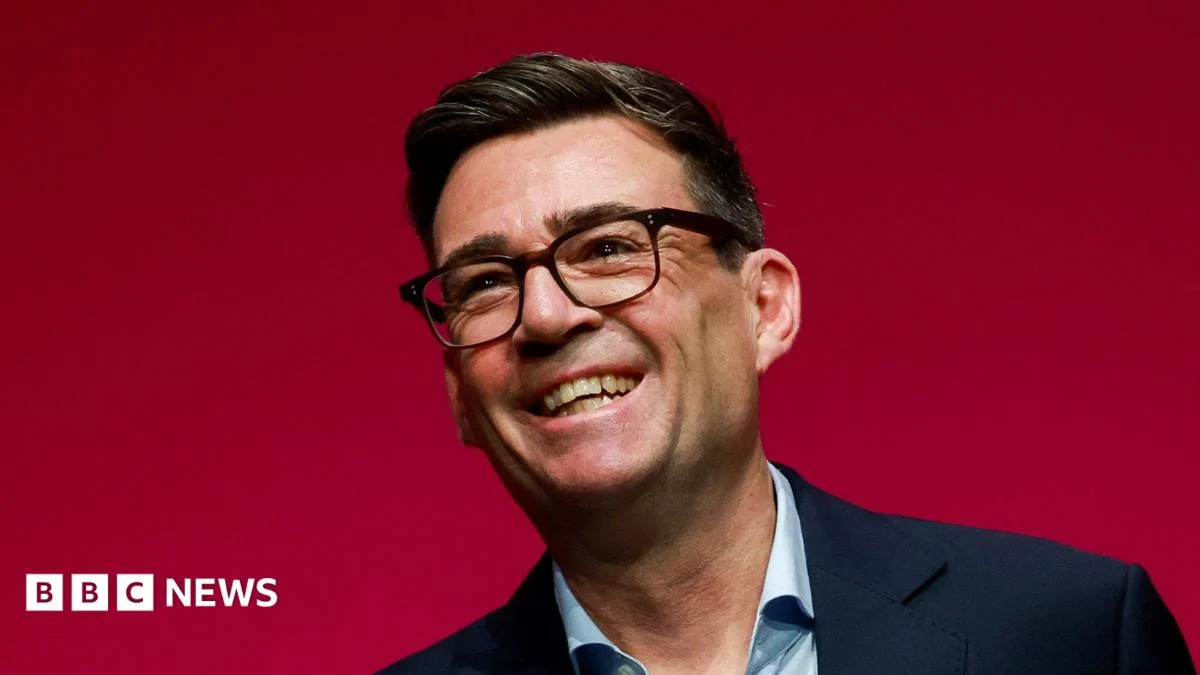
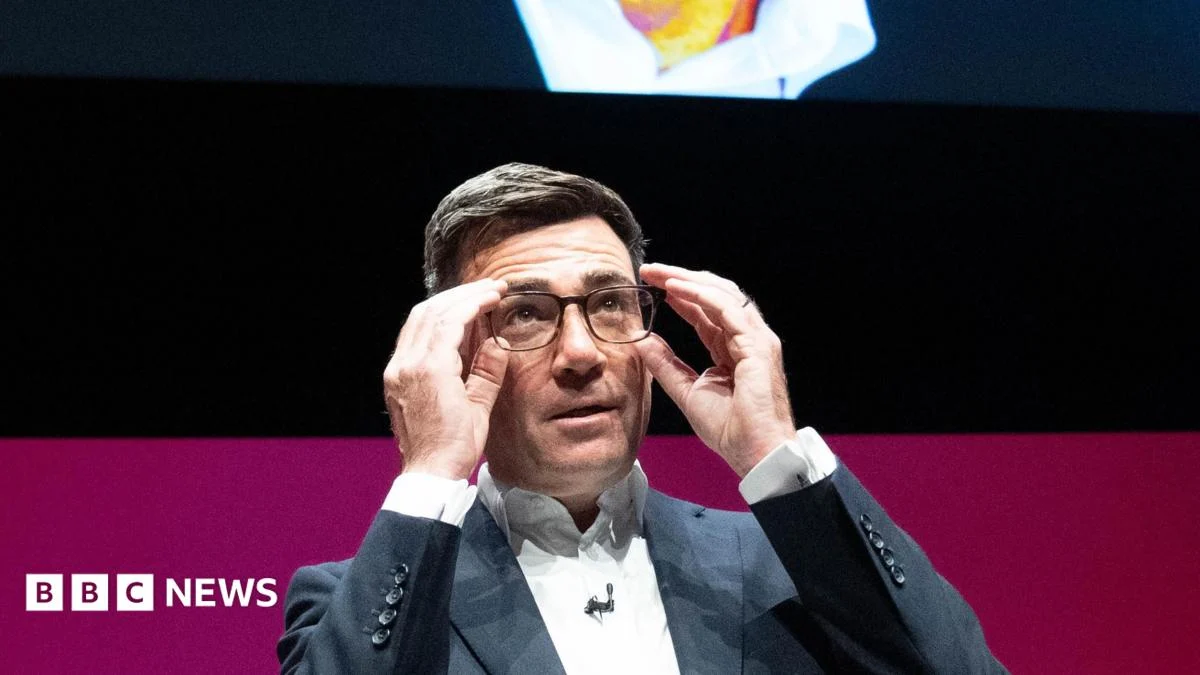
But politics, as history repeatedly demonstrates, can change, and change with astonishing rapidity. With Starmer out of the picture and Andy Burnham installed as the new Labour leader, there is early evidence of some support for Labour beginning to pick up. Burnham, with his more accessible public persona and strong regional mandate from Manchester, appears to be making inroads where Starmer struggled. No longer are Reform comfortably leading in all the opinion polls; in some, they’re not leading at all, suggesting a softening of their universal appeal. This shift indicates that the political narrative is no longer solely dominated by Reform’s challenge to a faltering Labour.
Adding to this complex mix is a more confident and prominent Kemi Badenoch leading the Conservatives. Badenoch, seen as a formidable debater and a figure of the party’s right wing, offers a more robust challenge to Reform’s conservative voter base than her predecessors. Her presence signals a more assertive Conservative Party, potentially capable of clawing back some of the support that had drifted to Reform. Furthermore, the political landscape has become even more fragmented with the recent rise of Restore Britain, the outfit set up by the former Reform MP Rupert Lowe. Lowe’s new venture, while not yet a major force, represents another claimant to the anti-establishment, right-wing vote, potentially siphoning off support that Reform might otherwise have consolidated. The political terrain is also complicated by the performance of devolved parties: the Scottish National Party and Plaid Cymru secured victories and beat Reform in the devolved elections in Scotland and Wales respectively. These regional losses highlight Reform’s struggle to translate its UK-wide populist message into success in areas with strong national identities and established regional parties. In other words, collectively, Reform’s opponents appear more energised, more coordinated, and consequently, more popular.
It is crucial to acknowledge that, at a UK-wide level, no single party is enjoying widespread popularity at this moment. The electorate remains volatile and largely disillusioned with mainstream politics. However, the scrap for political dominance, particularly among the challenger parties, appears more evenly matched than it did a year ago. The easy narrative of Reform sweeping all before them has been complicated by these new developments.
Into that turbulent mix, Reform’s continued prominence has brought what prominence always brings: intense scrutiny. Nigel Farage is no longer merely a political commentator or a minor party leader; he is now a declared candidate for prime minister. Similarly, his senior team members are positioning themselves as candidates for the great offices of state, implying a readiness for government. This elevation demands a different level of accountability and transparency. Every policy proposal, every financial transaction, and every public statement is now viewed through the lens of potential governance. The media, the public, and political rivals are scrutinising Reform’s readiness, their policy coherence, and the character of their leadership in a way that was not necessary when they were a smaller, less influential entity.
When I interviewed Farage at Reform HQ yesterday, the conversation inevitably turned to the specifics of the £5 million gift and the ongoing police investigation. On both counts, he maintained that the party had acted appropriately, reiterating their commitment to stringent vetting. However, he offered a fascinating insight into how he perceives the hurricane of questions and criticisms he faces. "I think what you’re seeing is the establishment – in a very coordinated way – fighting back," he claimed, painting a picture of a powerful, entrenched elite conspiring against his insurgent movement.
I suggested to him that he sounded like a conspiracy theorist, implying that the entire world was out to get him. His answer was particularly instructive, revealing the depth of his conviction and the narrative he employs. "When you read in the newspaper you’re under investigation, and you don’t even know a complaint’s been made, you can see the degree of collusion that has gone on between interested parties. This will not stop. They will continually try and do this to us." This statement illustrates a profound sense of grievance and a belief that the system is rigged against him, fueling his populist appeal by positioning himself as the champion of the ordinary person against a corrupt elite.
Pressed on the identity of "they," he mentioned the House of Commons and the House of Lords – institutions he sees as packed with his political opponents – but conspicuously avoided naming anyone or anything else specific. He then broadened his explanation, stating, "I’m talking about normal human behaviour. People who, people who hold positions of power, influence, and money don’t want new kids on the block succeeding." This reframing, from specific actors to a general observation about human nature, allows him to maintain his narrative of a coordinated opposition without having to provide concrete evidence of specific collusion. It resonates with a segment of the electorate who also feel disenfranchised and believe powerful forces are working against them.
Let’s be clear – it is a big claim to allege collusion between institutions or organisations collectively seeking to undermine him and his party, and there is, as yet, no public evidence for it. No credible investigation has substantiated claims of a deliberate, coordinated effort by various institutions to sabotage Reform UK. But, crucially, one can hear in his answer a profound sense of why he perceives that reality – that is what it feels like to him, and crucially, to his supporters. This perception, whether factually grounded or not, is a powerful motivator for his base and forms a core part of Reform’s narrative as a besieged outsider.
The question, as Reform’s conference gets under way, is how the party approaches the coming days and the coming months in the face of these multiplying challenges and intense scrutiny. Will Nigel Farage ditch the "aggrieved" tone he has been accused of adopting recently? This tone, while perhaps effective in rallying a certain segment of the electorate who feel similarly wronged, risks alienating others who are looking for positive solutions and a constructive vision for the country. A constant focus on victimhood and conspiracy can become tiresome, even for sympathetic observers.
Instead, Reform faces a strategic choice: double down on the populist, anti-establishment rhetoric, or pivot towards a more substantive, policy-driven platform that demonstrates their readiness for government. This would mean offering detailed proposals on key issues like the economy, immigration, the National Health Service, and the implications of Brexit, rather than simply criticizing the status quo. It would also involve presenting a more unified and professional front, capable of withstanding the rigours of sustained scrutiny. The party’s ability to navigate these headwinds, manage internal and external pressures, and present a compelling alternative to the established order will determine whether their current momentum can be sustained or if their rise will prove to be a temporary disruption in the ever-shifting sands of British politics. The conference in Birmingham will offer the first crucial clues as to which path they intend to take.


 Roy Suryo