Roy Suryo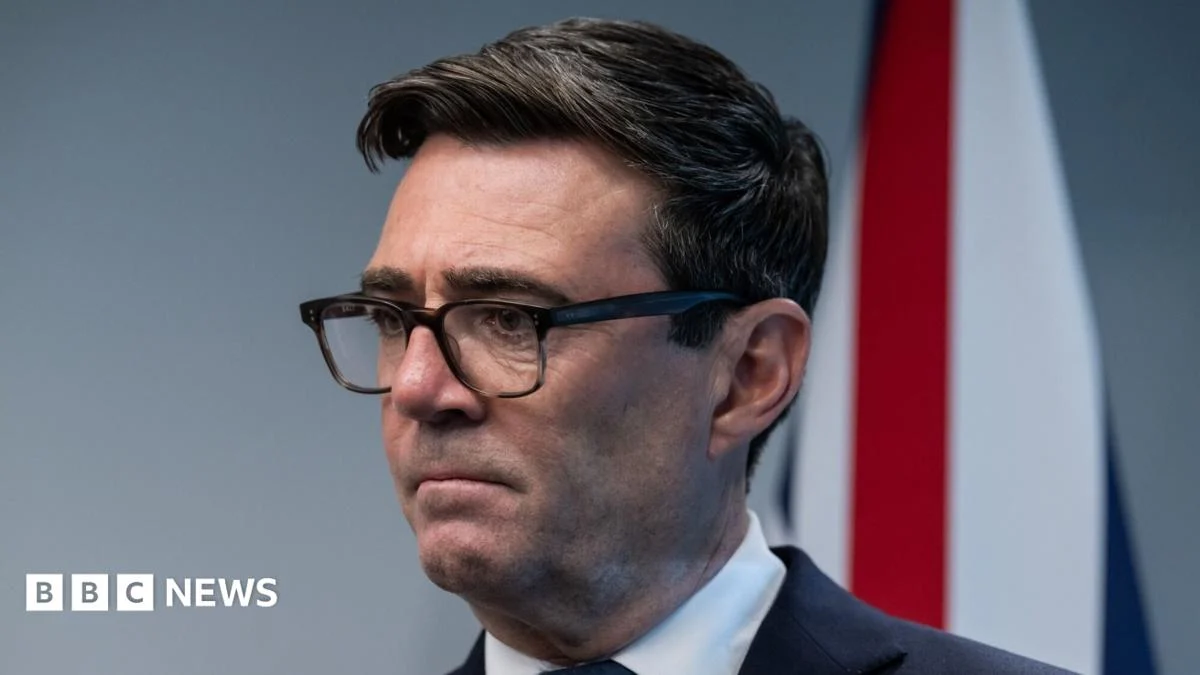
Prime Minister Andy Burnham is facing urgent calls to implement a national waiting-time target for dementia care across England, a move strongly advocated by leading health and social care experts. The Alzheimer’s Society has put forward a proposal for an 18-week referral-to-treatment target, a benchmark that has garnered significant backing from influential figures including Professor Sir Mike Richards, the former national cancer director, and Baroness Louise Casey, who is currently spearheading a comprehensive review of adult social care. This push for a structured approach to dementia care comes in the wake of a damning report by the Alzheimer’s Society and The King’s Fund, which argues that the current state of dementia care is "stuck in the 20th century" and requires a "cancer-style revolution" to achieve meaningful improvements.
The report’s findings and recommendations resonated deeply with Social Care Minister Alison McGovern, who, in a speech at the Alzheimer’s Society conference on Thursday, expressed unequivocal support for the initiative. McGovern stated, "The report that the Alzheimer’s Society published today on going on the journey that we’ve been on with cancer, with Alzheimer’s and dementia, I think that’s spot on." She candidly acknowledged the long-standing neglect of dementia, asserting that it had been "neglected for far too long." The minister further highlighted the profound impact of this neglect on individuals and families affected by dementia, noting, "And nowhere is this division between health and social care felt more sharply than by people living with dementia in their families, too often left to navigate a shattered system at the most difficult time in their lives."
In response to these pressing concerns, the government has publicly committed to a series of significant steps aimed at improving dementia care. This includes the appointment of a dedicated senior official, often referred to as a "dementia tsar," who will be tasked with overseeing dementia care services. Furthermore, the government plans to unveil a new, modern service framework by the end of the year, designed to expedite the provision of support for individuals diagnosed with dementia. Minister McGovern elaborated on this commitment, stating that the government would "appoint a dementia tsar, backed with real expertise." This initiative signifies a crucial step towards establishing dedicated leadership and strategic direction for dementia care.
Currently, England lacks a specific waiting-time target for dementia diagnosis and treatment, a stark contrast to the well-established targets in place for cancer care. The NHS has long adhered to defined waiting times for cancer diagnosis and treatment, a system that Professor Richards played a pivotal role in establishing as the national cancer director in 2000. Reflecting on this parallel, Professor Richards expressed confidence that an 18-week referral-to-treatment target for dementia patients is not only achievable but essential. He emphasized that realizing such a target would necessitate a significant "political initiative" and a substantial increase in funding.
Professor Richards underscored the financial implications of implementing such targets, stating, "All of that is going to cost more money but remember the toll that this condition is taking at the moment, both on the people affected by dementia themselves and their relatives." His remarks highlight the economic and human cost of delayed or inadequate dementia care, suggesting that the investment in improved services would yield considerable long-term benefits.
The proposal to establish an 18-week referral-to-treatment target for dementia has also been strongly endorsed by Baroness Louise Casey. In a letter addressed to former Health Secretary Wes Streeting in March, she advocated for the government to "look at how dementia can be put on a level playing field with other conditions, for example by setting national standards for dementia diagnosis, including an 18-week referral-to-treatment target." Speaking to the BBC, Baroness Casey reiterated her conviction that emulating the success of cancer care in dementia services is a critical objective. She candidly admitted, "I think the National Health Service and more generally all of us have stuck our heads in the sand about it, and it’s time we started saying, yes, we should have a similar mission, and we should do as much as we possibly can on dementia, and now." Baroness Casey’s comprehensive review of social care reform is anticipated to yield further recommendations next summer, potentially including detailed proposals for improving dementia support.
The urgency for improved dementia care is underscored by alarming statistics. Approximately one million people are currently living with dementia in the UK, a figure projected to escalate to 1.4 million by 2040. This demographic trend points to an escalating demand for services and the critical need for proactive and effective interventions.
The personal context of Prime Minister Andy Burnham’s involvement in this issue adds a poignant dimension to the calls for action. Burnham recently cancelled his engagements earlier this week following the death of his father, Roy, who had been living with Alzheimer’s disease. Upon returning from compassionate leave, Burnham stated that his father would have wanted him "back out there" to champion the "changes that he always pushed me to make." This deeply personal experience has undoubtedly informed his commitment to reforming adult social care. In July, Burnham had spoken openly about his father’s condition, acknowledging its profound influence on his drive to overhaul England’s adult social care system.
While Burnham has expressed his intention to await Baroness Casey’s recommendations before finalizing specific changes to social care and its funding, the current momentum, driven by advocacy groups and health experts, places significant pressure on him to act decisively. The proposed 18-week waiting-time target for dementia care, mirroring the success of cancer targets, represents a tangible and measurable goal that could dramatically improve the lives of hundreds of thousands of individuals and their families across England. The debate now centers on whether the government, under Burnham’s leadership, will embrace this ambitious vision and implement the necessary political will and financial investment to bring dementia care into the 21st century. The call for a "cancer-style revolution" is not merely a metaphor; it is a demand for parity of esteem and a recognition that dementia, like cancer, requires a dedicated, well-resourced, and systematically structured approach to diagnosis, treatment, and ongoing support. The coming months will be crucial in determining whether this urgent plea for a dementia waiting-time target will be heeded, marking a turning point in the care of millions.


 George Anjay
 Nakalama John
 atisusanti
 Ramos Leo
 Nana Banana