Ramos Leo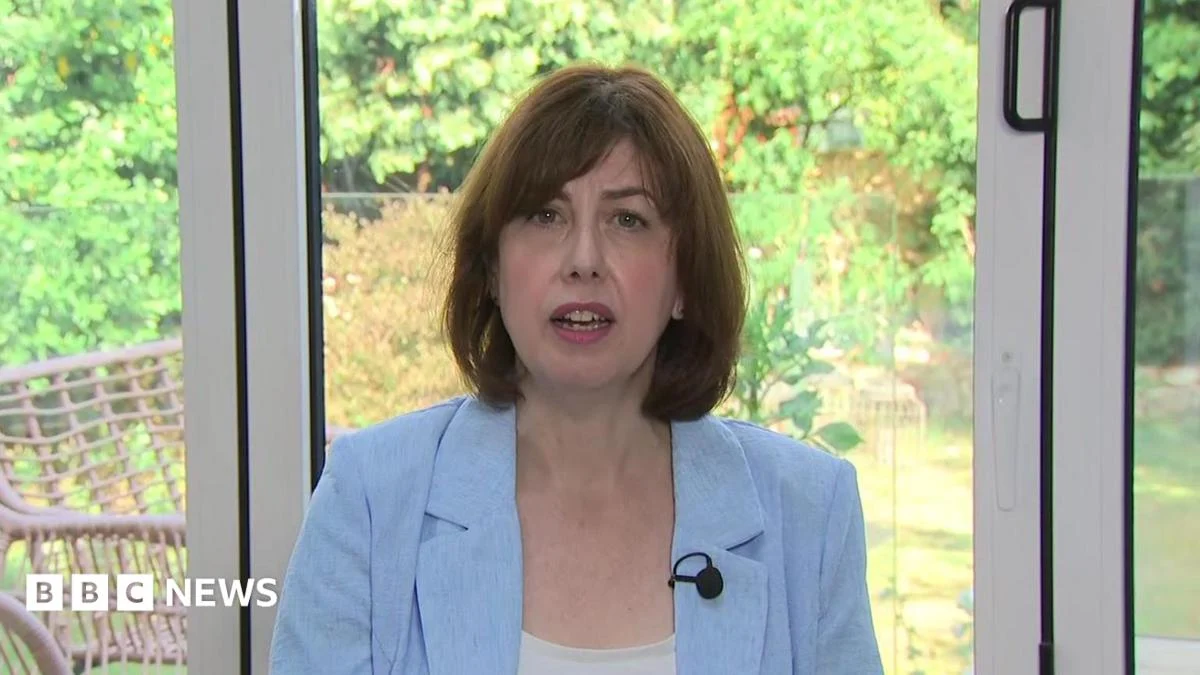
In the wake of his appointment, some opposition parties have promptly urged Burnham to call a general election. Their calls stem from the argument that a new leader, especially one succeeding a predecessor who resigned, lacks a direct mandate from the electorate to govern. They contend that a fresh electoral contest is essential to ensure democratic legitimacy for his premiership and the policies he intends to pursue. However, Lucy Powell, a prominent figure within Burnham’s circle, firmly insisted that the new leader would adhere strictly to the promises articulated in Labour’s manifesto during the 2024 general election. This stance signals a commitment to the platform on which the party campaigned, suggesting continuity in overarching policy direction despite the change in leadership.
Powell elaborated on the core tenets of that manifesto, highlighting key areas that Burnham is determined to champion. "Our manifesto did talk about the redistribution of power, it did talk about the rewiring of our country, it did talk about taking on some of those vested interests," she stated, underscoring a commitment to fundamental structural reforms. The "redistribution of power" likely refers to proposals for greater devolution, empowering local authorities and regional governments with more autonomy and resources, moving away from a highly centralised Westminster model. This could involve fiscal decentralisation, allowing regions to retain more of their locally generated taxes, or enhanced control over public services like transport and housing. The "rewiring of our country" suggests a comprehensive overhaul of economic and social infrastructure, potentially encompassing a new industrial strategy focused on green technologies, improvements in digital connectivity, and reforms to public services to make them more responsive to modern needs. "Taking on vested interests" implies a willingness to challenge powerful corporate lobbies, financial institutions, or entrenched monopolies that are perceived to hinder economic fairness or progress, potentially through stronger regulation or even public ownership in strategic sectors.
Powell stressed that Burnham possesses a profound understanding of the scale of change required. "He [Burnham] really understands the bigger, bolder measures that are needed to live up to the manifesto promises," she affirmed. This suggests that while the manifesto lays out the direction, Burnham’s leadership will be characterised by an ambitious and decisive approach to implementation, perhaps even pushing the boundaries of what was initially envisioned. His leadership, she added, represents a crucial opportunity to "reset" the government’s priorities and approach, signalling a distinct shift in emphasis and potentially in specific policy choices.
A tangible example of this "reset" and a clear instance of "reprioritising" was Burnham’s swift decision to scrap the Digital ID scheme. This plan, initially announced by his predecessor, Sir Keir Starmer, last year, aimed to create a unified digital identity system for citizens, potentially streamlining access to government services and proving identity online. However, it had drawn criticism from various quarters, including civil liberties groups concerned about privacy implications, the potential for state surveillance, and the risk of exclusion for those without digital access. Powell explained that the scheme would have incurred a "not insignificant amount of money," diverting substantial public funds that could be better allocated elsewhere. More importantly, she argued, it would have "diverted attention from the government’s priorities," suggesting that the administrative and political capital required to implement such a complex and potentially controversial scheme was deemed an unnecessary distraction from more pressing policy goals. Scrapping it so early in his tenure served as a clear signal of Burnham’s intent to focus resources and political will on what he perceives as the most critical issues facing the nation.
Separately, the BBC has reported that Burnham’s government is preparing to announce plans for new oil and gas drilling in the North Sea. This revelation introduces a nuanced dimension to his energy policy, particularly given Labour’s broader commitment to tackling climate change and transitioning to a green economy. When pressed on the subject, Powell described Burnham’s approach as "pragmatic." She clarified, "I don’t think it’s a change of policy. It’s more a change of emphasis." This distinction is crucial. It suggests that while the long-term goal of net-zero emissions remains, the immediate practicalities of energy security, particularly in a volatile global energy market, necessitate a more balanced approach. New drilling could be framed as a temporary measure to bridge the gap during the transition to renewables, ensuring domestic energy supply and supporting existing jobs in the North Sea industry, rather than a departure from climate targets. This pragmatic stance aims to balance environmental imperatives with economic stability and national energy independence, potentially appeasing different factions within the party and the electorate.
The announcement regarding North Sea drilling is expected to be part of a broader package of measures designed to address long-standing economic and social challenges. This comprehensive agenda includes plans to bring water and energy companies under public control and a significant new council house-building programme. Burnham has consistently advocated for "greater public control" of the water and energy sectors, arguing that these essential utilities should not be primarily driven by profit motives. He has specifically called for the nationalisation of Thames Water, a company that has faced intense scrutiny over its environmental performance, infrastructure failures, and substantial debt burden. The argument for public ownership rests on the belief that vital services, essential for public health and economic function, perform better when managed for the public good rather than for shareholder dividends. Proponents argue that nationalisation would allow for long-term strategic investment in infrastructure, improved environmental standards, and fairer pricing for consumers, free from the pressures of private capital markets.
In her interview with the BBC, Powell robustly backed the increased public ownership proposals, articulating a clear ideological position. She contended that the UK economy had been "overly privatised," leading to a situation where "the utilities and essentials of life don’t work in the interest of ordinary people." This critique points to a perception that privatization, particularly of natural monopolies, has led to a prioritisation of profit over service quality, infrastructure maintenance, and affordability. She further elaborated on the consumer impact, stating that bills for these essential services were "going up and up because they are run in the interests of private interest, not for the consumers or for taxpayers." This highlights concerns about rising household costs and the perception that private utility companies, despite often facing limited competition, are failing to deliver value for money while their executives and shareholders benefit significantly.
However, this perspective is not universally shared. Speaking to the same programme, former Conservative minister Jacob Rees-Mogg presented a counter-argument rooted in a different economic philosophy. He asserted: "The water industry needs private capital or it has to have taxpayers’ money – no other money is available." Rees-Mogg’s point underscores a fundamental debate about how large-scale infrastructure investments are funded. From his perspective, private companies are crucial because they can access capital markets and attract private investment, relieving the burden on the public purse. Without private capital, he argues, the only alternative source of funding for essential infrastructure upgrades and maintenance would be the taxpayer, either through direct government spending or increased national debt. This argument often includes concerns about government inefficiency, political interference, and the potential for nationalised industries to become a drain on public finances.
Burnham’s early moves and the explanations provided by Lucy Powell sketch the outlines of a leadership that intends to be both pragmatic and transformative. While committed to the core principles of the Labour manifesto – particularly the redistribution of power, economic reform, and challenging vested interests – he appears willing to make bold decisions and reprioritise in areas like the Digital ID scheme. His approach to North Sea oil and gas reflects a pragmatic balancing act between climate goals and energy security, while the renewed focus on public ownership of utilities signals a significant ideological shift aimed at recalibrating the relationship between the state, essential services, and the public. The contrasting views on funding infrastructure, as exemplified by Powell and Rees-Mogg, highlight the deep economic debates that will define Burnham’s tenure as he seeks to implement his vision for a "bolder" and "rewired" Britain.


 Roy Suryo