Roy Suryo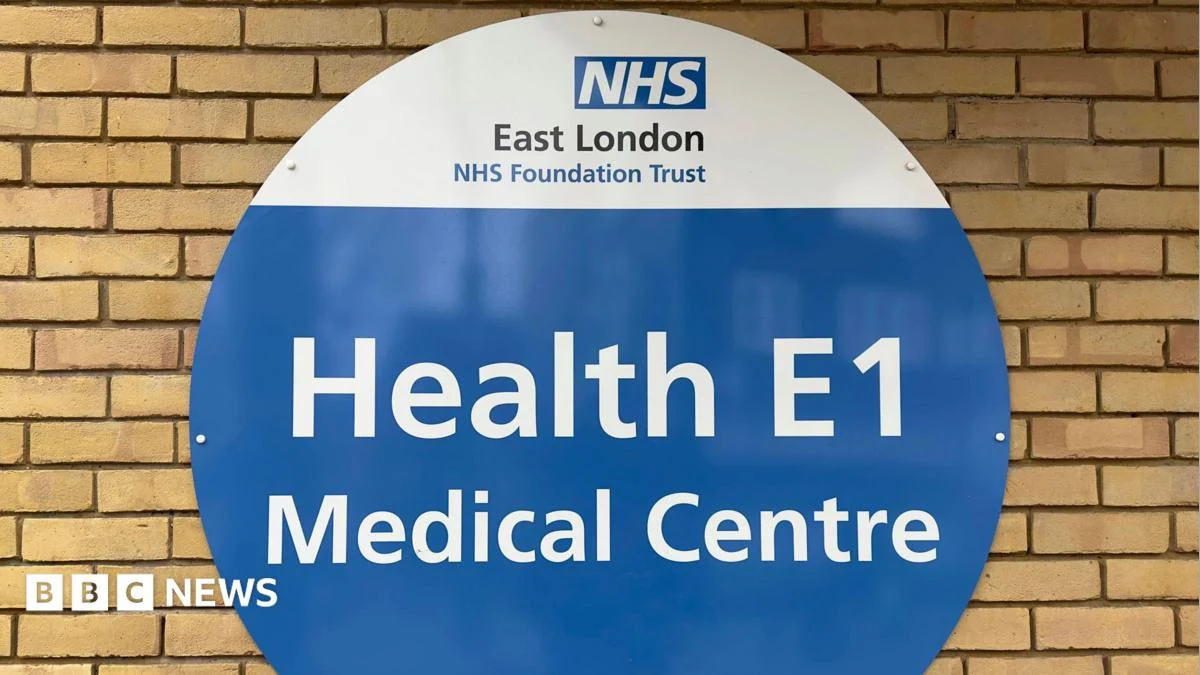
East London NHS Foundation Trust (ELFT), a prominent mental health and community health services provider operating across Bedfordshire, Luton, and East London, is facing a significant financial challenge, necessitating cuts totalling £24 million. This substantial budgetary reduction is poised to impact a wide array of services, raising serious concerns among patients, healthcare professionals, and local political representatives. The trust, which serves a diverse population and has garnered a strong national reputation for its quality of care, is now grappling with the difficult task of balancing its financial obligations with its commitment to providing comprehensive mental health support.
Apsana Begum, the Labour MP for Poplar & Limehouse in east London, has voiced her profound apprehension regarding these impending cuts. In a strongly worded letter to the trust’s leadership, she articulated her fears that the financial austerity measures could disproportionately affect mental health services, which she described as being of "equal importance to patients" as physical health. Begum highlighted the critical juncture at which these cuts are being implemented, stating, "At this moment, the focus could have been on how NHS funding is restored and how there can be parity between the quality and level of care for physical health and mental health." Her intervention underscores the broader political and societal debate surrounding the equitable allocation of resources within the National Health Service, particularly in the context of historically underfunded mental health provisions.
The trust’s reputation for excellence is well-established. ELFT is recognised as one of a select group of NHS organisations to have achieved the highest rating from the Care Quality Commission (CQC), the independent regulator of health and social care services in England. This esteemed status signifies a commitment to high standards of safety, effectiveness, responsiveness, and leadership. Furthermore, ELFT’s managerial expertise has been recognised nationally, with its leaders having been previously tasked with overseeing and improving other struggling NHS organisations, including the Norfolk & Suffolk NHS Foundation Trust. This history of successful intervention suggests a capacity for effective management and a deep understanding of the complexities within mental health service provision. However, even an organisation with such a strong track record is not immune to the prevailing financial pressures affecting the NHS.
In response to the forthcoming financial adjustments, an ELFT spokesperson acknowledged the trust’s responsibility to operate within its allocated budget. The spokesperson stated, "Like all NHS providers, we have a responsibility to live within our means so that we can continue to provide high-quality care to the communities we serve." This statement reflects the reality faced by all public sector organisations in the current economic climate, where stringent financial controls are often imposed. The spokesperson further elaborated on the trust’s strategic approach, emphasizing that "Our approach is clinically led and focused on meeting the needs of our service users." This assurance aims to reassure stakeholders that decisions regarding service adjustments will be guided by clinical expertise and a commitment to patient well-being. The trust is actively engaged in collaborative efforts to navigate this challenging period, as evidenced by the statement: "We are working closely with our trade unions, colleagues and partners to identify the most effective and sustainable way to deliver the efficiencies required of us, while protecting the quality and safety of care." This inclusive approach highlights the trust’s recognition of the importance of staff and stakeholder engagement in finding solutions that minimise adverse impacts on patient care.
The Department of Health and Social Care (DHSC) has also weighed in on the matter, reiterating the government’s commitment to improving mental health services. A DHSC spokesperson commented, "This government is dedicated to transforming the quality and sustainability of NHS services, including for those who need mental health support." This statement aims to project an image of proactive government intervention and investment in mental health. However, the announcement of significant cuts by a leading mental health trust inevitably leads to scrutiny of the efficacy and sufficiency of such government commitments in practice. The challenge for ELFT, and indeed for the wider NHS, lies in reconciling stated governmental aspirations with the tangible financial realities on the ground.
NHS England, the national body responsible for commissioning and overseeing NHS services, has been contacted for comment regarding the implications of these cuts for the broader mental health landscape and the support available to trusts facing financial pressures. Their response, when received, will be crucial in understanding the national perspective and any potential mitigating strategies or support mechanisms that may be in place.
The situation at ELFT is emblematic of a wider crisis facing mental health services across the UK. Funding for mental health has historically lagged behind that for physical health, despite growing recognition of the increasing prevalence of mental health conditions and the profound impact they have on individuals, families, and society. The COVID-19 pandemic exacerbated existing pressures, leading to increased demand for mental health support while simultaneously straining the resources of healthcare providers. Consequently, many NHS trusts are operating under immense pressure, struggling to meet the escalating needs of their communities.
The £24 million in cuts at ELFT could manifest in various ways, potentially impacting staffing levels, the availability of therapeutic interventions, community outreach programmes, and the capacity to offer timely appointments. For patients, this could translate into longer waiting lists for assessments and treatments, reduced access to specialist services, and a diminished overall quality of care. This is particularly concerning given the sensitive nature of mental health conditions, where timely and consistent support is often critical for recovery and well-being.
The concerns raised by Apsana Begum MP highlight the vital need for sustained and increased investment in mental health services. The principle of parity of esteem, which advocates for mental health to be treated with the same importance as physical health, remains a significant aspiration rather than a consistent reality within the NHS. Achieving this parity requires not only increased funding but also a fundamental shift in how mental health is perceived and prioritised within healthcare policy and practice.
The trust’s strong national reputation and its history of successfully supporting other struggling trusts underscore the severity of the financial challenges if even an organisation of ELFT’s calibre is compelled to implement such substantial cuts. It raises questions about the sustainability of current funding models for mental health services and the potential long-term consequences of austerity measures on patient outcomes and the broader public health agenda.
The collaborative approach mentioned by the ELFT spokesperson, involving trade unions, staff, and partners, is a positive indicator. Open communication and shared decision-making are essential for navigating difficult financial periods. However, the ultimate effectiveness of these efforts will depend on the extent to which they can mitigate the impact of the cuts without compromising the core mission of providing high-quality, safe, and accessible mental health care.
The Department of Health and Social Care’s commitment to transforming NHS services is a welcome statement, but it must be accompanied by concrete and substantial financial commitments that address the growing demand and historical underfunding of mental health. The challenge lies in translating political will into tangible resources that can support the delivery of effective mental health care across the country.
The ongoing situation at ELFT serves as a stark reminder of the precarious financial state of many mental health services. The £24 million in cuts is not merely a financial figure; it represents a potential reduction in the availability of vital support for thousands of individuals in Bedfordshire, Luton, and East London who rely on these services for their mental well-being. The coming months will be critical in determining the true impact of these measures and whether the trust can indeed protect the quality and safety of care as pledged.
As the NHS navigates these complex financial waters, the voices of patients, clinicians, and advocates will be crucial in ensuring that mental health remains a priority. The ambition to transform mental health services, as stated by the government, must be matched by a commitment to adequately fund them, allowing trusts like ELFT to continue their invaluable work without the looming threat of significant service reductions. The public awaits further clarity from NHS England and continued dialogue with ELFT to understand the specific details of the cuts and their ramifications for those most in need. The story of ELFT’s financial challenges is a microcosm of a larger national issue, demanding urgent attention and sustained investment to ensure that mental health care is truly accessible and equitable for all.




 George Anjay
 Nakalama John
 Ramos Leo
 Nana Banana