
 atisusanti
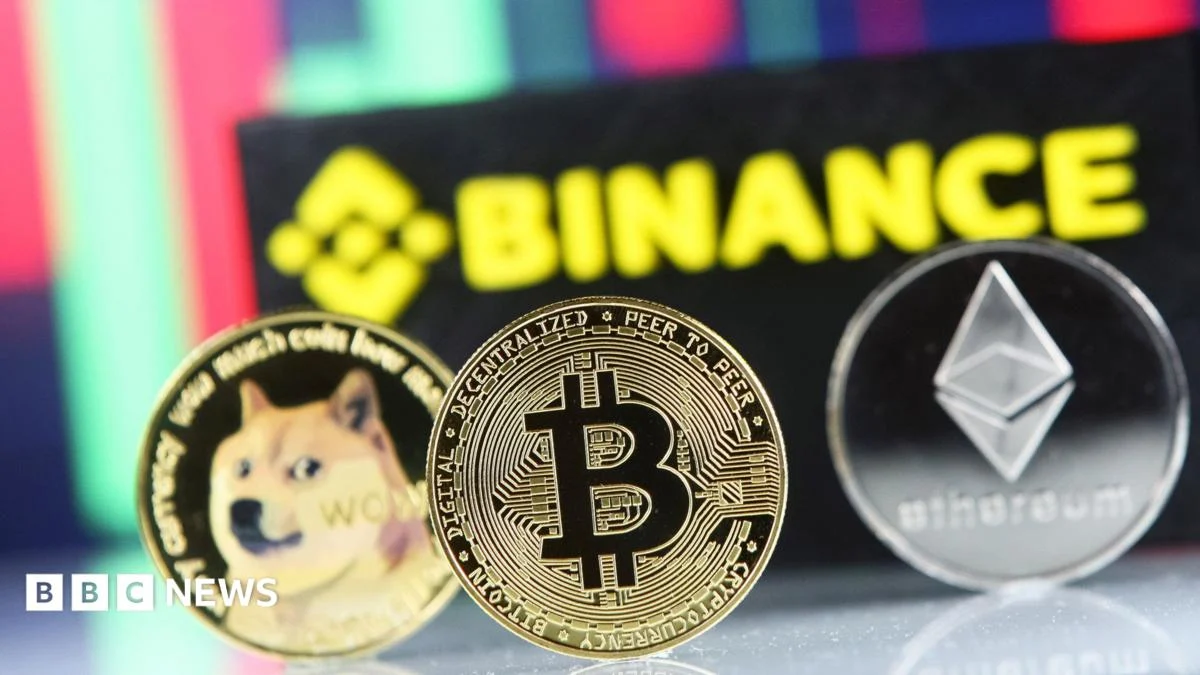
The cryptocurrency world is reeling from what is potentially the largest crypto hack in history, with the global exchange Binance reporting a staggering $6.3 billion (£4.7 billion) in assets compromised. Richard Teng, Binance’s co-chief executive officer, has assured users that the company is working diligently with authorities to unravel the intricacies of the attack and has committed to covering all user losses. This incident raises critical questions for the millions who rely on Binance for their digital asset transactions: who is responsible, is their money truly secure, and what are the broader implications for the volatile cryptocurrency market?

Binance, established in China in 2017, has grown to become the undisputed leader in cryptocurrency trading volume worldwide. It serves as a bustling marketplace where individuals can buy, sell, and exchange a vast array of digital currencies, from Bitcoin to more niche altcoins, and manage their digital wallets. With hundreds of millions of registered users globally, Binance’s reach is immense. However, the exchange has not been without its controversies. In 2023, its former chief executive, Changpeng Zhao, stepped down and pleaded guilty to money laundering violations, a stark reminder of the regulatory challenges the industry faces. Furthermore, a lawsuit filed in the US accused Binance of facilitating the transfer of millions of dollars to organizations designated as terrorist groups by the United States. Despite these past issues, Binance reported holding over $160 billion in assets as of 2024, underscoring its significant position in the financial landscape.
The recent hack targeted Binance’s global centralized exchange, Binance.com. Importantly, Binance.us, the platform serving American residents, has stated that it was not affected by this security breach. In an initial statement, Richard Teng outlined the suspected modus operandi: "Our initial investigation suggests this security incident may have started with a compromised DevOps engineer’s laptop. That gave an attacker access to a service container, where they submitted unauthorised withdrawal transactions." Teng emphasized that the attack was not a simple, one-step infiltration but a "more complex attack process." Cybersecurity experts, like Raghu Nandakumara, vice president of industry strategy at cybersecurity platform Illumio, speculate that the engineer might have been "talked into taking a test," inadvertently leading to malware being installed on their laptop. Because this laptop possessed elevated security privileges, it potentially served as the hackers’ gateway directly into the production environment and subsequently to the digital wallets. Teng later clarified that the hack was a sophisticated operation "not carried out by one person," involving advanced techniques to obscure their actions, including a "self-destruct mechanism." Dr. Clive Summerfield, head of FARx, a biometrics in AI security company, drew an analogy, stating, "You can build a vault with mathematical firewalls, but if the individual holding the keys can be duped, the vault is opened."

The identity of the perpetrators behind this massive hack remains a critical unknown. However, some preliminary analyses by blockchain analytics firms have pointed towards North Korea as a potential suspect, although this has not been officially confirmed by Binance or law enforcement agencies. TRM Labs, an AI-powered investigations company, has published a report suggesting that several elements of the Binance attack bear resemblance to previous incidents linked to North Korea, including a $1.5 billion (£1.1 billion) hack on the ByBit exchange in 2025. These past attacks have often been attributed to a group of cybercriminals known as the Lazarus Group, also referred to as TraderTraitor, who are believed to operate in direct service of the North Korean regime. Dr. Edward Howell, a North Korean foreign policy expert from the University of Oxford, has highlighted Pyongyang’s long-standing practice of employing cyber warfare to generate revenue. He explained that North Korea maintains a "state-run cyber warfare agency" that it leverages to fund its weapons of mass destruction programs and to provide a "slush fund" for leader Kim Jong Un’s administration. Dr. Howell estimates that approximately 40-50% of North Korea’s weapons of mass destruction programs are currently financed through cyber and cryptocurrency warfare. North Korea has consistently denied any involvement in such attacks, and Binance has not directly commented on the potential links to the region when questioned by the BBC.
For Binance users, the immediate concern is the safety of their funds. Richard Teng’s initial assurance was that all user funds remained secure, and as a precautionary measure, all deposits and withdrawals were temporarily suspended. He reiterated that Binance would absorb all losses from its dedicated emergency reserve fund, supplementing it with company capital for any remaining shortfall. Binance has also been collaborating with partners to freeze the compromised assets, with reports indicating that approximately $3 billion has been located so far. Teng encouraged concerned users to verify their account balances through the official Binance app and website and to contact customer service for any inquiries. Beyond the direct impact on Binance users, cybersecurity experts are warning individuals across all crypto platforms to remain vigilant against phishing attempts and scams that may seek to exploit the current situation. Marijus Briedis, NordVPN’s chief technology officer, advised users to be wary of suspicious emails claiming fund risks, fake support accounts offering assistance, or messages urging them to transfer cryptocurrency to purportedly "safe" wallets. He stressed the importance of verifying updates through trusted Binance channels and never sharing passwords, verification codes, or wallet recovery phrases.

The repercussions of this significant breach are expected to extend far beyond Binance itself, potentially impacting the broader cryptocurrency ecosystem and even the traditional financial system. Jennifer Craven, an international commercial fraud expert at the law firm Pinsent Masons, commented that the incident exposes the inherent fragility within parts of the crypto ecosystem. She noted that if a platform as seemingly robust as Binance can suffer such a severe attack, regulators will inevitably intensify their scrutiny of smaller, less developed platforms and cryptocurrencies. This event is likely to accelerate the push for more stringent regulations regarding how the crypto sector protects its infrastructure and its customers. While there is no concrete evidence yet of Artificial Intelligence (AI) being directly involved in this specific hack, it aligns with growing concerns in the financial industry about the potential for AI agents to identify software vulnerabilities and exploit them at a speed that surpasses human capabilities. The Bank of England has previously warned that such advancements could leave financial institutions struggling to patch vulnerabilities before malicious actors can take advantage of them.
Cryptocurrency has experienced a meteoric rise in popularity as a method for investment and online transactions. Its appeal lies in its decentralized nature, operating outside the control of central banks and governments, which resonates with those seeking financial freedom. However, this decentralization also contributes to its extreme volatility, with values fluctuating significantly based on market sentiment. Estimates from Solcard, a crypto-funded payment platform, suggest that between 560 million and 741 million people worldwide owned cryptocurrency in 2026, highlighting the vast and growing user base that is now exposed to such risks. This massive hack serves as a stark reminder of the ongoing security challenges inherent in the digital asset space and will undoubtedly fuel further debate and action from regulators and industry leaders alike.

 Ramos Leo

 Nana Banana
 George Anjay
 Nakalama John
