
 Ramos Leo
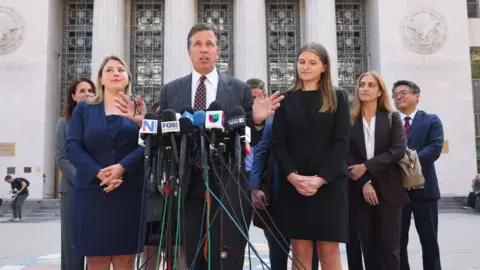
Some critics of the tech giants are already calling this social media’s "big tobacco moment," a pivotal juncture reminiscent of the decades-long legal and public health battles waged against the tobacco industry. That comparison is gaining significant traction following a landmark US court verdict that has sent ripples across the globe, prompting serious reflection on the future of online regulation. The verdict, delivered by a jury in Los Angeles, found that Google (and its subsidiary YouTube) and Meta Platforms (the parent company of Facebook and Instagram) intentionally designed and built addictive social media platforms. This ruling is being heralded as a crucial turning point, as societies around the world grapple with the complex question of how, or whether, to further regulate social media and consider outright bans for children.
The specific case involved allegations from numerous parents and school districts who claimed that the intentional design choices of these platforms contributed significantly to mental health crises among young users, including anxiety, depression, and self-harm. The jury’s finding of intentionality is particularly potent, suggesting that the companies were not merely negligent but actively engineered features to maximize engagement, even at the known expense of user well-being. This verdict moves beyond abstract concerns about screen time, instead framing the issue as a direct consequence of corporate design decisions. It sets a powerful precedent, potentially opening the floodgates for similar litigation in the United States and inspiring legislative action globally.
Asked if the trial in America pointed to a shift in public mood with an expectation of more aggressive regulation, Prime Minister Sir Keir Starmer’s response was unequivocal. "I think it does, and obviously we’ll study that ruling very carefully, but I’m absolutely clear that we need to go further," he stated, signalling a strong intent from the highest level of UK government. He added a definitive declaration: "I want to be really clear, it’s not if things are going to change, things are going to change. The question is, how much and what are we going to do?" This statement underscores a perceived urgency and a commitment to action, indicating that the era of largely self-regulated tech giants may be drawing to a close, at least concerning their youngest users.
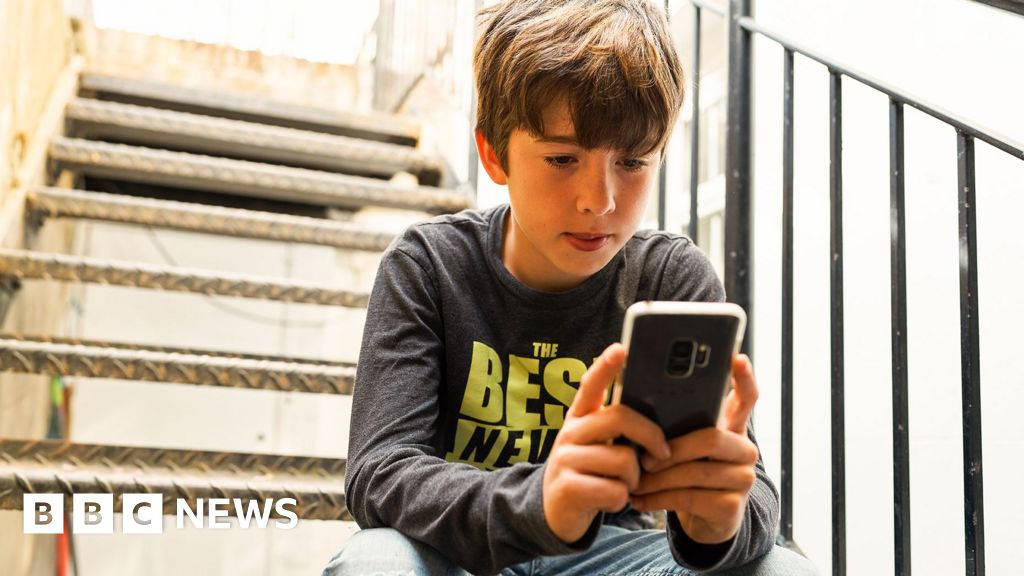
Earlier this month, as the consultation on social media use began, ministers articulated what they see as the core challenge confronting them and society at large. "Social media use among children and adolescents is almost universal. The proportion of children with social media profiles has increased significantly in the last 5 years. We must ensure children can engage with the online world safely," they wrote. This official acknowledgement highlights the pervasive nature of social media in children’s lives and the imperative to protect them.
The key question, clearly, is how best to achieve this safety. The initial and most direct question posed by the ongoing consultation is the idea of "setting a minimum age for children to access social media" – and, crucially, if this were deemed a viable path, "what age would be right." This indicates a genuine exploration of a potentially radical policy shift, moving beyond mere content moderation to restricting access based on developmental stages. The practicalities of implementing and enforcing such an age ban, given the global nature of platforms and the ease with which age restrictions can be circumvented, present significant challenges that the consultation aims to address.
Beyond age restrictions, there is also the pressing issue of platforms being inherently addictive. The prime minister has explicitly stated he is "very keen" for the UK government to tackle these addictive features within social media. This focus aligns directly with the findings of the Los Angeles jury, which specifically highlighted the intentional design of such features. These often include infinite scroll mechanisms, constant notification alerts designed to draw users back, algorithmic feeds that curate highly engaging (and sometimes harmful) content, and gamified elements that reward continuous interaction. These design choices, while driving engagement for platforms, have been increasingly linked by researchers and health professionals to negative mental health outcomes, particularly in developing minds.
Within hours of the verdict in Los Angeles, the government issued a statement reinforcing its commitment. It confirmed that its ongoing consultation was indeed looking at the potential for banning social media for under 16s, as well as exploring how it might tackle "addictive design features." The statement concluded with a powerful assertion: "When it comes to children’s safety, nothing is off the table and we will set out our plans in the summer." This phrase signifies a broad and open-minded approach, indicating a willingness to consider even the most drastic measures if deemed necessary to safeguard young people. The consultation is slated to finish towards the end of May, and sources suggest the government intends to respond before the end of July, setting a relatively tight timeline for policy formulation.

The general sentiment emanating from Westminster, particularly from ministerial circles, is that this US court case creates a valuable political and public space. It appears to empower ministers, making them feel more confident in advancing the argument that tighter restrictions, especially for children, are not only appropriate but perhaps even expected by the public. The verdict lends a significant legal and moral weight to arguments that might previously have been dismissed as overly interventionist or impractical.
However, the political landscape is not entirely unified. At present, it is opposition politicians, rather than the government itself, who are making the most vocal running on pushing for an immediate ban for under 16s. This dynamic became starkly evident during a debate on the Children’s Wellbeing and Schools Bill. On Wednesday night, peers in the House of Lords voted by a significant margin of 266 to 141 – a majority of 125 votes – to support changes brought forward by a Conservative former schools minister, Lord Nash.
This marks the second time the Lords has defeated the government on this very issue. Earlier this month, Members of Parliament (MPs) in the House of Commons had voted against the proposed change. However, the Lords, insistent on the amendment, have sent a clear message. The amendment itself is designed to compel ministers to decide, within a year, which social media platforms should be made unavailable to under-16s. The repeated vote means there is now a direct stand-off between the two Houses of Parliament over this critical issue.
Shadow Education Secretary Laura Trott seized on this political moment, criticising the government’s approach. "Peers have once again done the right thing and backed a ban on social media for under 16s by a huge margin. It is disappointing that Labour were the only party not to support it," she stated, aiming her critique not only at the Conservative government but also at her own party’s perceived lack of urgency on this specific amendment. Trott continued, arguing that "Labour have once again chosen delay over action, with yet another consultation. This falls well short of the scale of the problem and leaves the door open to weak and ineffective measures." Her comments highlight a cross-party desire for more immediate and decisive action, contrasting with the government’s preference for a consultation-led approach, which some view as a stalling tactic.
The prime minister’s broader views on the issue are, however, relatively clear and have been articulated previously. He wrote on his Substack last month that social media "has become something that is quietly harming our children" and expressed a strong desire to "crack down on the addictive elements… the never ending scrolling, that keeps our children hooked on their screens for hours, and stop kids getting around age limits." This demonstrates a personal commitment to addressing the problem, identifying specific mechanisms of addiction, and acknowledging the failure of existing age verification systems.
The core of the debate, therefore, revolves not around if action is needed, but "how far will he be willing to go? How far is too far and how far is not far enough?" Implementing an age ban presents immense practical and philosophical challenges. How can such a ban be effectively enforced against platforms that operate globally and allow users to easily misrepresent their age? What about the potential for children to bypass restrictions using VPNs or by using parental accounts? Furthermore, while protecting children is paramount, there are arguments about potential unintended consequences, such as driving children to less visible, less regulated corners of the internet, or limiting their access to positive aspects of social media like educational content and social connection. The economic implications for tech companies, and indeed the broader digital economy, are also considerable.
The US verdict has undoubtedly intensified the global conversation around social media regulation, acting as a powerful accelerant for policy debates in countries like the UK. As the government’s consultation concludes and its plans are unveiled later this summer, the decisions made will not only shape the digital lives of millions of young people in the UK but could also set a significant international precedent, influencing how other nations approach this increasingly urgent issue. The "big tobacco moment" analogy implies a long, arduous fight, but one that ultimately led to profound shifts in public health policy. The question now is whether the UK, spurred by the American legal outcome, is ready to lead a similar transformation for the digital age.




 Roy Suryo

 Nakalama John
 atisusanti
